
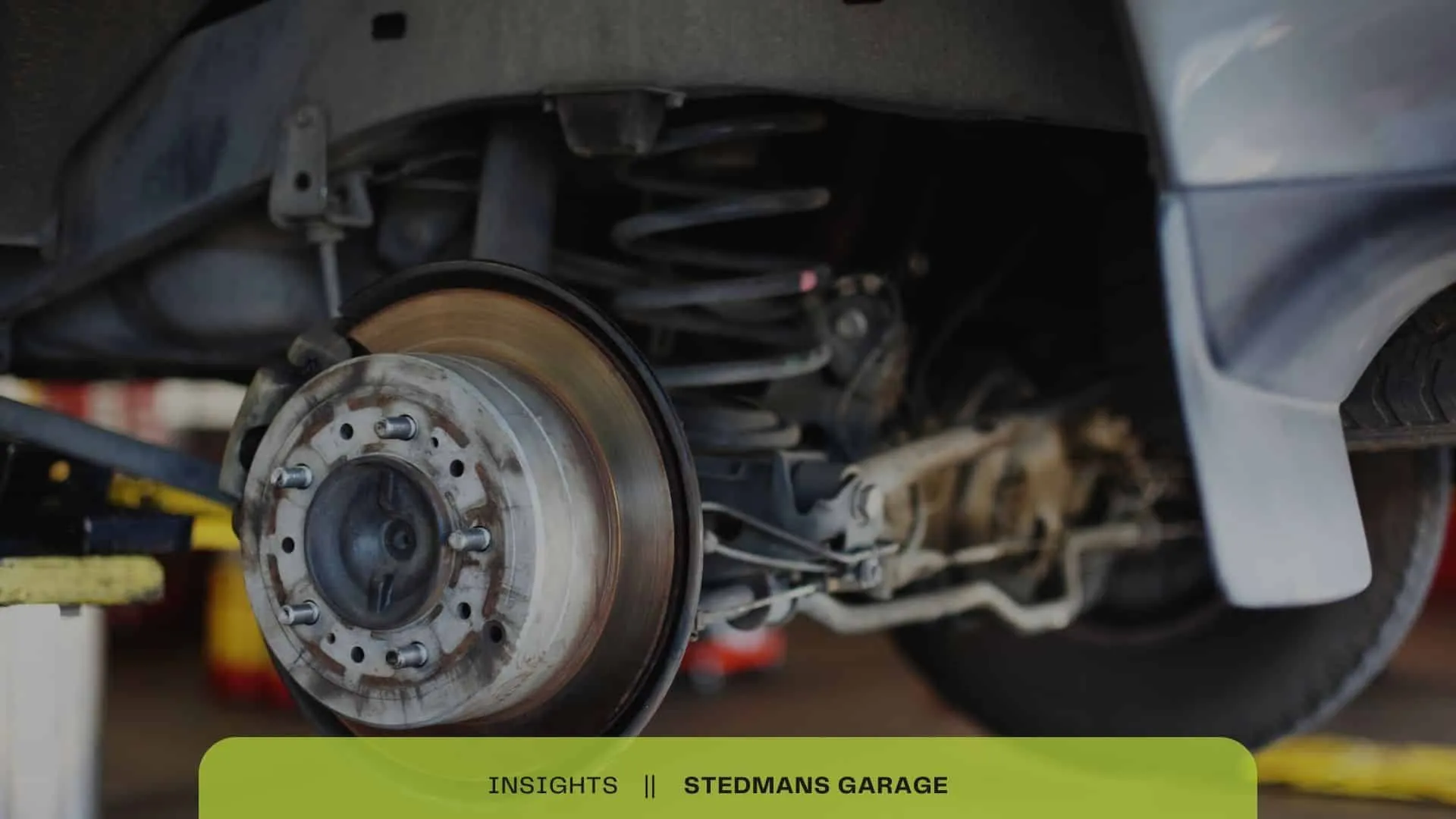
Skoda vehicles, like any others, can develop brake problems. Brake failure is a serious problem that can lead to accidents, making it crucial to address these issues promptly. In this article, we will explore the common brake failure issues in Skoda vehicles:
- The steps to take when repairing them.
- The causes of brake failure.
- The symptoms to look out for.
- The importance of regular maintenance and inspection.
By understanding these aspects, Skoda owners can take the necessary precautions to prevent brake failure and ensure their safety on the road.
Common Skoda Brake Failure Issues
Brake failure can occur in any vehicle, including Skoda cars. Some common brake failure issues include brake pedal going to the floor, loss of braking power, spongy or soft brake pedal, and uneven braking. These issues can be caused by various factors such as worn-out brake pads, air in the brake lines, leaking brake fluid, or malfunctioning brake callipers.
It is important for Skoda owners to be aware of these issues and take appropriate action to address them.
Repairing Brake Failure Issues
When faced with brake failure issues in a Skoda vehicle, it is crucial to take immediate action to repair them. Brakes are safety critical, so the first step is to have the cause identified. Even a job that looks simple, such as replacing worn-out brake pads or removing air from the brake lines, needs the right tools and knowledge, so it should only be tackled at home by someone competent to do it.
However, if the issue is more complex, it is highly recommended to seek professional help. A garage with Skoda experience has the expertise to diagnose and repair brake failure issues accurately, along with the tools and equipment needed for a proper and safe repair.
Causes of Brake Failure
There are several common causes of brake failure in Skoda vehicles. One of the main causes is worn-out brake pads. Over time, the brake pads in a vehicle wear down due to friction, reducing their effectiveness in stopping the vehicle. If not replaced in a timely manner, worn-out brake pads can lead to brake failure.
Another cause of brake failure is air in the brake lines. Air can enter the brake lines during maintenance or due to a leak, causing a spongy or soft brake pedal. This can result in a loss of braking power and make it difficult to stop the vehicle effectively.
Leaking brake fluid is another common cause of brake failure. Brake fluid plays a crucial role in transmitting the force from the brake pedal to the brakes themselves. If there is a leak in the brake system, it can lead to a loss of hydraulic pressure and result in brake failure.
Regular maintenance and inspection are essential in preventing these causes of brake failure. Skoda owners should ensure that their brake pads are replaced when necessary, have their brake lines checked for leaks, and maintain the proper level of brake fluid.
Symptoms of Brake Failure
Recognising the symptoms of brake failure in Skoda vehicles is crucial for ensuring safety on the road. Some common signs of a brake problem include a soft or spongy brake pedal, a vibrating or pulsating brake pedal, unusual noises when applying the brakes, and an increased stopping distance.
A soft or spongy brake pedal can indicate air in the brake lines or a problem with the brake master cylinder. This can make it difficult to apply the brakes effectively and may result in a loss of braking power.
A vibrating or pulsating brake pedal can be a sign of uneven brake discs, often described as warped. When the thickness of a disc varies around its surface, or the disc does not run true, it can cause the brake pedal to vibrate or pulsate when the brakes are applied. This can affect the braking performance and should be addressed promptly.
Unusual noises when applying the brakes, such as squealing, grinding, or scraping sounds, can indicate worn-out brake pads or damaged brake discs. These noises should not be ignored as they can lead to further damage and potential brake failure.
An increased stopping distance is another symptom of brake failure. If it takes longer for the vehicle to come to a complete stop or if the brakes do not engage properly, it is important to have the braking system inspected and repaired.
Diagnosing Brake Failure Issues
When faced with brake failure issues in a Skoda vehicle, it is important to diagnose the problem accurately to ensure a proper repair. The first step is to assess the symptoms and determine whether they are related to the braking system. If there are any unusual noises, vibrations, or changes in the brake pedal feel, it is likely that there is an issue with the brakes.
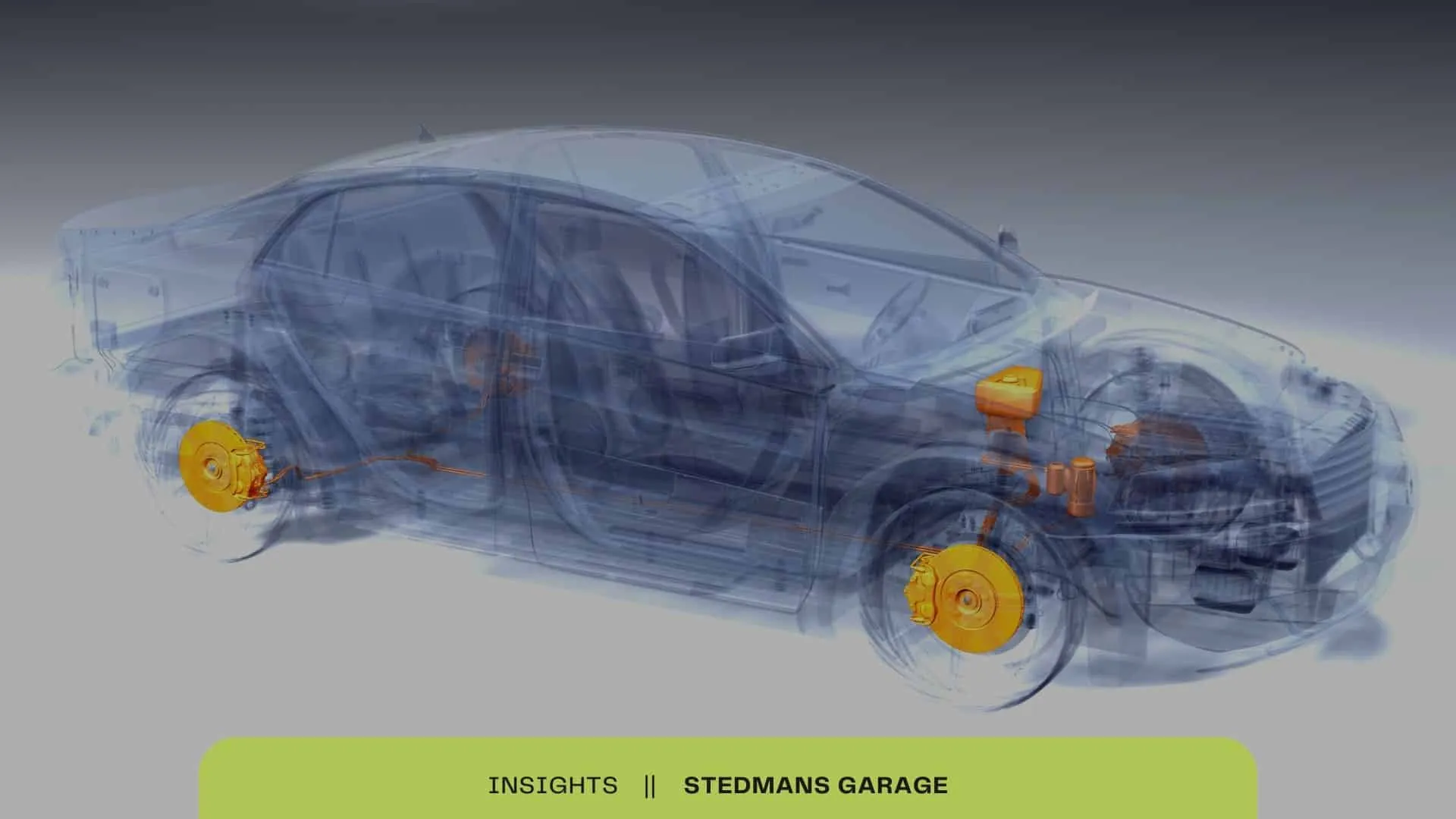
The next step is to inspect the various components of the braking system, including the brake pads, discs, callipers, and brake lines. Worn-out brake pads or damaged discs can often be identified visually. If there are any leaks in the brake lines or if the brake fluid level is low, it may indicate a problem with the hydraulic system.
If the issue cannot be identified through visual inspection, it may be necessary to perform further tests such as a brake fluid pressure test or a diagnostic scan using specialised equipment. These tests can help pinpoint the root cause of the brake failure and ensure an accurate repair.
Skoda Recalls
A manufacturer issues a safety recall when it identifies a serious safety problem with a vehicle, part or accessory, and that can include the brakes. The purpose of a recall is to ensure the safety of vehicle owners and prevent accidents or injuries.
If your Skoda is affected, the manufacturer should write to you to explain what to do, and you will not usually have to pay for the repairs or parts.
It is important for Skoda owners to stay informed about any recalls that may affect their vehicles. They can do so by using the vehicle recall checker on GOV.UK, which takes the registration number. If a recall is issued for their vehicle, it is crucial to take it seriously and have the necessary repairs done promptly.
Brake Failure Prevention Tips
Preventing brake failure in Skoda vehicles is crucial for ensuring safety on the road. Here are some tips to help prevent brake failure:
1. Regular maintenance: Follow the manufacturer's recommended maintenance schedule and have your vehicle serviced regularly. This includes checking and replacing brake pads, inspecting brake lines for leaks, and maintaining the proper level of brake fluid.
2. Pay attention to warning signs: Be aware of any changes in the braking performance or any unusual noises, vibrations, or feelings in the brake pedal. If you notice any of these signs, have your braking system inspected promptly.
3. Avoid aggressive driving: Aggressive driving, such as hard braking or excessive speeding, can put extra strain on the braking system and increase the risk of brake failure. Drive responsibly and avoid sudden stops whenever possible.
4. Avoid overloading: Overloading your vehicle can put extra strain on the brakes and increase the stopping distance. Be mindful of the weight limits specified by the manufacturer and avoid exceeding them.
5. Seek professional help: If you are unsure about how to address a brake failure issue or if you suspect a more complex problem, seek professional help from a garage with Skoda experience. They have the expertise and experience to diagnose and repair brake issues accurately.
Addressing Brake Failure Issues
In conclusion, addressing brake failure issues in Skoda vehicles is of utmost importance for ensuring safety on the road. By understanding the common issues, taking prompt action to repair them, identifying the root causes, recognising the symptoms, staying informed about recalls, and taking preventative measures, Skoda owners can minimise the risk of brake failure and ensure their safety and the safety of others on the road. It is crucial to seek professional help when needed and to prioritise regular maintenance and inspection. By doing so, Skoda owners can enjoy the reliability and performance of their vehicles with less worry about brake failure.
If you're concerned about other Skoda challenges, you may also be interested in reading this article on Common Skoda Issues. It discusses the importance of regular maintenance and repairs to ensure the safety and reliability of your vehicle. With skilled mechanics and a focus on quality service, Stedmans Garage is a trusted choice for all your car repair needs.
FAQs
What are Skoda brake failure issues?
Brake failure issues refer to problems with the braking system of Skoda vehicles that can result in the brakes failing to work properly.
What causes Skoda brake failure issues?
Skoda brake failure issues can be caused by a variety of factors, including faulty brake components, worn brake pads, low brake fluid levels, and air in the brake lines.
Which Skoda models are affected by brake failure issues?
Brake wear and brake faults can affect any Skoda model, so they are not limited to particular cars. If you are concerned about yours, have the brakes inspected and check whether it has an open safety recall.
What are the signs of Skoda brake failure issues?
Signs of Skoda brake failure issues may include a spongy or soft brake pedal, a grinding or squeaking noise when braking, longer stopping distances, and a warning light on the dashboard.
What should I do if I experience Skoda brake failure issues?
If you experience Skoda brake failure issues, you should stop driving the vehicle as soon as it is safe to do so and have it recovered to a garage for inspection and repair.
Are there any recalls related to Skoda brake failure issues?
Recalls apply to particular models and build dates, so no single list covers every Skoda. You can check a specific car on the vehicle recall checker on GOV.UK using its registration number.