
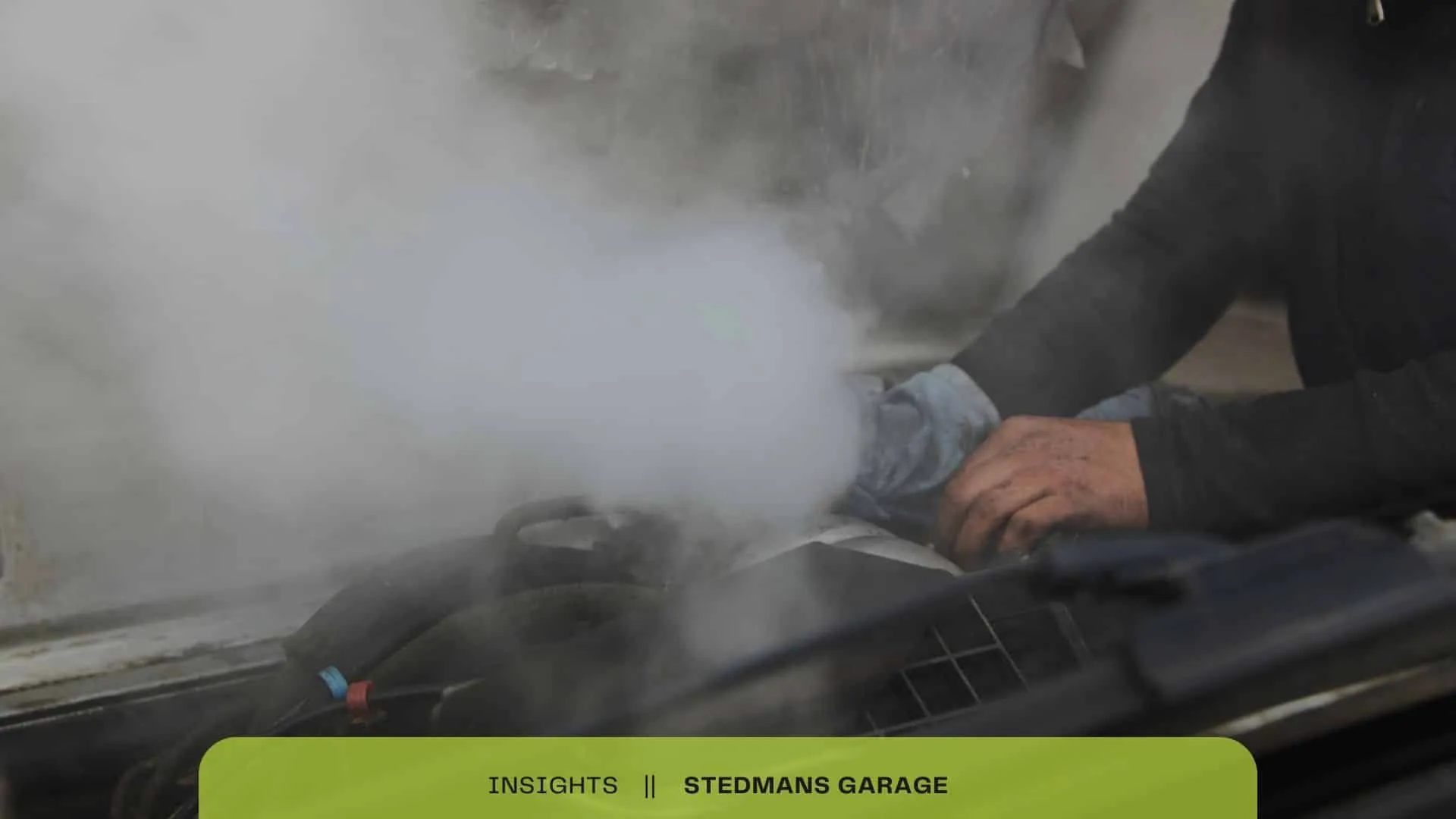
If the coolant warning comes on in your Skoda, or the temperature gauge starts climbing, stop as soon as it is safe and switch the engine off. The warning can mean the engine is too hot or the coolant level is too low, so it is not one to drive on with. Alongside the usual causes, such as lost coolant, a stuck thermostat or a radiator fan fault, two parts are worth a closer look on a Skoda: the switchable coolant pump on 1.6 and 2.0 TDI diesels, and the water pump and thermostat unit on TSI petrols.
Skoda is a popular car brand known for its reliability and performance. However, like any other vehicle, Skoda engines can experience overheating issues. Engine overheating can be a serious problem that can lead to engine damage if not addressed promptly. In this article, we will explore the common causes, symptoms, diagnosis, and repair methods for Skoda overheating issues. We will also discuss preventive measures and the importance of regular maintenance to avoid such problems.
Common Issue: What Causes Skoda Engines to Overheat?
There are several common causes of Skoda engine overheating. One of the most common causes is low coolant levels. Coolant is responsible for regulating the temperature of the engine by absorbing heat and transferring it to the radiator. If the coolant levels are low, the engine will not be able to cool down properly, leading to overheating.
Another common cause of engine overheating is a faulty thermostat. The thermostat controls when coolant flows through the radiator. If it sticks closed, the coolant cannot reach the radiator and the engine overheats. If it sticks open, the engine usually runs cool and is slow to warm up instead, so that fault tends to show as a low temperature reading rather than overheating.
Radiator issues can also contribute to engine overheating. A clogged or damaged radiator can restrict the flow of coolant or air through it and reduce cooling, leading to overheating. It is important to regularly inspect and clean the radiator to ensure optimal performance.
A radiator fan fault can also cause overheating. Skoda's owner's manuals list the fan as a possible cause when the coolant warning comes on with the coolant level correct.
Skoda-Specific Overheating Problems
The Switchable Coolant Pump on 1.6 and 2.0 TDI Diesels
Skoda's EA288 1.6 and 2.0 TDI diesels, found in models such as the Octavia, Superb, Karoq and Kodiaq, can be fitted with a switchable coolant pump. On a cold start a shroud slides over the pump's impeller to stop the coolant circulating, which helps the engine warm up faster. Once the engine is up to temperature, the shroud should slide back and let the coolant flow.
If the shroud jams, the coolant cannot circulate even when the engine is hot, so the engine can overheat with the coolant level still correct. Parts makers also warn that the pump's plastic impeller can break up or come away from its shaft. Typical signs are a temperature that rises quickly and a heater that performs poorly, and fault codes may be stored in the engine control unit. Not every TDI develops this fault. When one does, the repair is a replacement pump, and parts makers offer conventional versions without the shroud.
The Water Pump and Thermostat Unit on TSI Petrols
On many Skoda TSI petrols, from the smaller 1.0 and 1.4 TSI to the 2.0 TSI in cars such as the Superb and Kodiaq, the water pump and thermostat housing are supplied as one assembly, and the pump is driven by its own small toothed belt.
Owners of 1.4 and 2.0 TSI Skodas have reported coolant leaks from this area, and the same pump and thermostat leak is well documented on the Volkswagen Golf 7 with the same family of 2.0 TSI engine. A leak here is often slow, so it tends to show first as a low coolant warning or a damp patch around the unit rather than as overheating. If the level keeps falling, though, the engine can overheat. A pressure test helps show which part is leaking.
Symptoms: How to Identify Engine Overheating Issues
It is important to be able to identify the symptoms in order to address the issue promptly. One common symptom is steam coming from the engine. If you notice steam or smoke coming from under the bonnet, it is a strong sign that your engine is overheating.
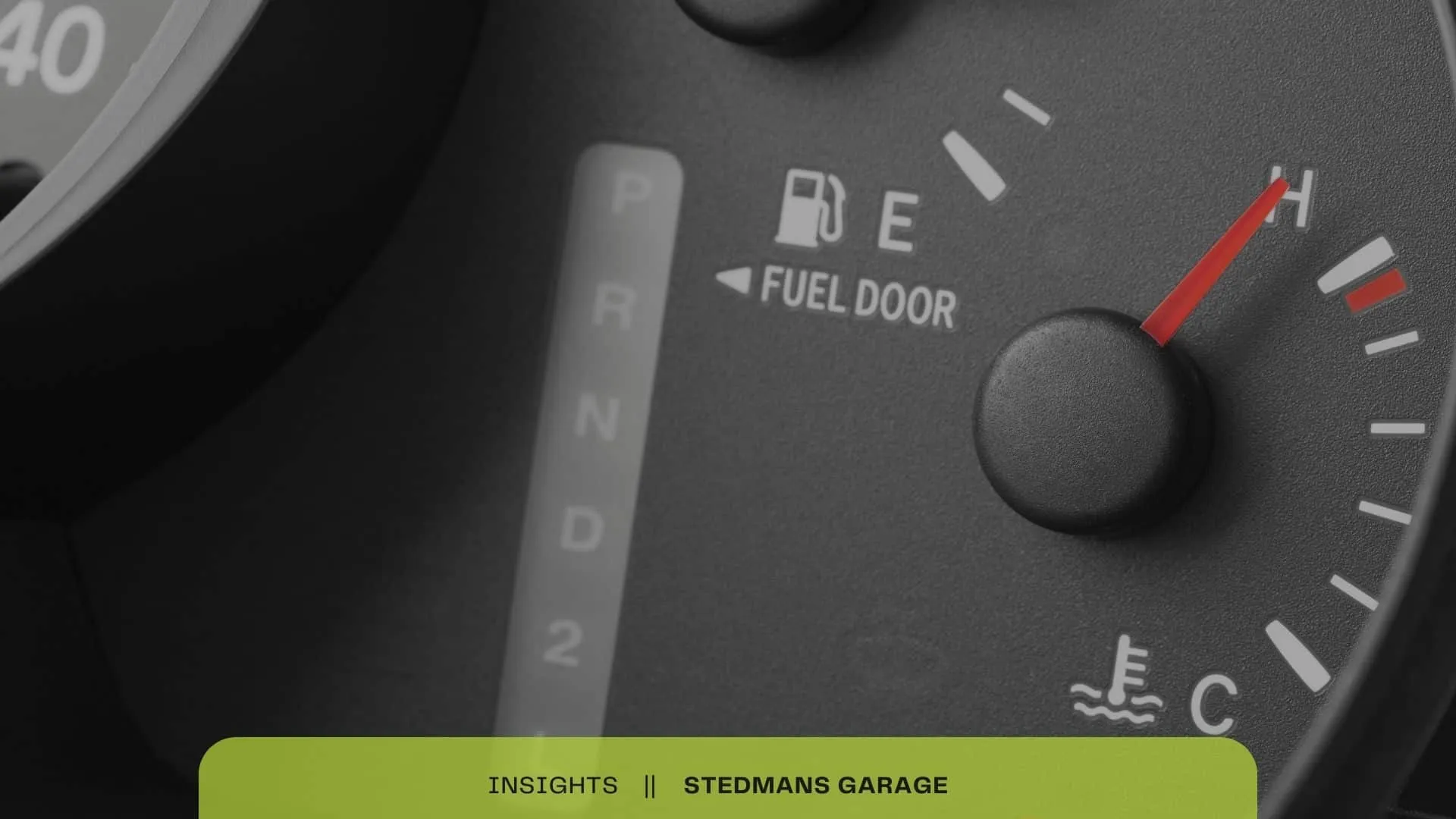
Another symptom is a high temperature gauge reading. Many cars have a temperature gauge, though some show only a warning light or message. If the gauge reads in the red zone or higher than normal, or a coolant warning appears, stop as soon as it is safe, because the engine may be overheating or the coolant level may be low.
Strange smells can also be an indication of engine overheating. If you notice a sweet or burning smell coming from the engine, it could be a sign of coolant leaking or burning, which can lead to overheating.
What the Skoda Coolant Warning Means
Skoda's owner's manuals use one coolant warning for two faults: the engine is too hot, or the coolant level is too low. Some cars spell it out on the display, with messages such as "Engine overheat. Stop!" or "Check coolant!" in the Octavia manual. Others simply light or flash the warning, and may sound a warning tone. Check your own handbook, because the wording varies by model.
Either way, the first step is the same: stop and switch off the engine. If the coolant level is correct and the warning stays on, the manuals point to the radiator fan and its fuse, and tell you not to continue your journey if the light will not clear. At that point, it is one for a garage.
Take care under the bonnet. Skoda warns that the radiator fan can switch itself on even with the ignition off, and that the expansion tank cap should never be opened while the engine is warm, because of the risk of scalding.
Diagnosis: How to Diagnose Engine Overheating Problems
Diagnosing engine overheating problems requires a systematic approach. The first step, once the engine has cooled, is to check the coolant levels. If the coolant levels are low, it is important to top up the coolant and check for any leaks. Leaks can be identified by inspecting the hoses, radiator, and water pump for any signs of leakage.
The next step is to inspect the radiator for any clogs or damage. A clogged radiator can restrict the flow of coolant or air through it and reduce cooling, leading to overheating. If there are any clogs or damage, the radiator may need to be repaired or replaced.
Testing the thermostat is another important step in diagnosing overheating issues. The thermostat should open and close properly to regulate the flow of coolant. If it is stuck closed, coolant cannot reach the radiator and the engine overheats.
Repair: How to Fix Engine Overheating Issues
Once the cause of engine overheating has been identified, it is important to take prompt action to fix the issue. One common repair method is to replace the thermostat. A faulty thermostat can disrupt the flow of coolant and cause overheating. Replacing the thermostat with a new one can help restore proper coolant flow and prevent overheating.
Flushing the cooling system can help when contamination is behind the overheating. Over time, debris and contaminants can build up in the cooling system, leading to clogs and reduced cooling efficiency. Flushing the cooling system involves draining the old coolant and flushing it with a cleaning solution to remove any debris. Once the system is clean, fresh coolant of the correct specification for the engine can be added.
Repairing or replacing the radiator may be necessary if it is clogged or damaged. A clogged or damaged radiator can restrict the flow of coolant or air through it and reduce cooling, leading to overheating. If the radiator can be repaired, it should be done promptly to avoid further damage. If it is beyond repair, it should be replaced with a new one.
Causes: Common Reasons for Engine Overheating
There are several common reasons for engine overheating. One common cause is a malfunctioning water pump. The water pump is responsible for circulating the coolant through the engine and radiator. If the water pump is not functioning properly, it can disrupt the flow of coolant and cause overheating.
A clogged radiator is another common cause of engine overheating. Over time, debris and contaminants can build up in the radiator, leading to clogs and reduced cooling efficiency. Regular inspection and cleaning of the radiator can help prevent this issue.
A damaged head gasket can also cause engine overheating. The head gasket seals the cylinder head to the engine block and prevents coolant from leaking into the combustion chambers. If the head gasket is damaged, coolant can leak into the combustion chambers, leading to overheating.
Prevention: How to Prevent Engine Overheating
Preventing your Skoda engine from overheating requires regular maintenance and attention to detail. One important preventive measure is to check coolant levels regularly. Low coolant levels can lead to overheating, so it is important to top up the coolant as needed.
Avoiding overloading the engine is another important preventive measure. Overloading the engine can put excessive strain on the cooling system, leading to overheating. It is important to follow the manufacturer's recommendations for towing capacity and payload to avoid overloading the engine.
Keeping the radiator clean is also crucial in preventing Skoda engine overheating. Regular inspection and cleaning of the radiator can help remove any debris or contaminants that can cause clogs and reduce cooling efficiency.
Maintenance: How Regular Maintenance Can Prevent Engine Overheating
Regular maintenance is key to preventing Skoda engine overheating and prolonging the life of the engine. Oil changes belong in that routine: clean oil lubricates the engine and carries some heat away, although fresh oil will not cure a cooling system fault. It is important to follow the manufacturer's recommendations for oil change intervals.
Looking after the coolant is another important maintenance task to prevent Skoda engine overheating. Over time, debris and contaminants can build up in the cooling system, leading to clogs and reduced cooling efficiency. Have the condition of the coolant checked, change it as the service schedule for your model sets out, and flush the system if the coolant looks dirty or contaminated.
Regular inspection of the cooling system components, such as hoses, belts, and the water pump, is also important in preventing Skoda engine overheating. Any signs of wear or damage should be addressed promptly to avoid further issues.
Using the Right Coolant in a Skoda
The Skoda Superb manual says the coolant specification is shown on the expansion tank, so check there or in your own handbook before topping up. An additive that does not meet the specification can seriously weaken the corrosion protection of the cooling system, which in turn can lead to coolant loss and major engine damage. If the right coolant is not to hand, the manuals say to use water rather than an alternative additive (distilled or demineralised, in the Superb manual), then have the mix corrected by a specialist garage as soon as possible.
Cooling System: Understanding Skoda Engine Cooling Systems
Skoda engine cooling systems play a crucial role in maintaining optimal engine temperature. The cooling system consists of several components, including the radiator, radiator fan, water pump, thermostat, hoses, and coolant. The radiator is responsible for dissipating heat from the coolant by transferring it to the surrounding air. The water pump circulates the coolant through the engine and radiator. The thermostat regulates the flow of coolant based on the engine temperature. The radiator fan pulls extra air through the radiator and switches on automatically when it is needed.
Final Thoughts on Engine Overheating Issues
In conclusion, Skoda engine overheating can be a serious issue that requires prompt attention and repair. Common causes of Skoda engine overheating include low coolant levels, faulty thermostats, and radiator issues. On many Skodas, the switchable coolant pump on TDI diesels and the water pump and thermostat unit on TSI petrols are also worth checking. It is important to be able to identify the symptoms of engine overheating, such as steam coming from the engine, high temperature gauge readings, and strange smells.
Diagnosing Skoda engine overheating problems involves checking coolant levels, inspecting the radiator, and testing the thermostat. Repair methods for engine overheating issues include replacing the thermostat, flushing the cooling system, and repairing or replacing the radiator. Regular maintenance and preventive measures, such as checking coolant levels regularly and keeping the radiator clean, can help prevent engine overheating.
Regular maintenance, such as checking the coolant and inspecting the cooling system, can also help prevent engine overheating and prolong the life of the engine. Overall, it is important to address engine overheating issues promptly to avoid further damage and costly repairs. Overheating is only one of the faults a Skoda engine can develop, and our guide to common Skoda engine problems covers the others, from oil consumption and turbo failures to DPF blockages and timing chain rattle.
If you're experiencing Skoda engine overheating issues, it's important to address them promptly to avoid further damage. Stedmans Garage, a trusted car servicing and repair centre in Worthing, offers expert solutions for engine problems. Their team of skilled mechanics can diagnose and resolve the root cause of the overheating, ensuring your Skoda runs smoothly and efficiently.
FAQs
What are Skoda engine overheating issues?
Skoda engine overheating issues refer to problems that arise when the engine of a Skoda vehicle becomes too hot, leading to potential damage and breakdowns.
What causes Skoda engine overheating issues?
Skoda engine overheating issues can be caused by a variety of factors, including low coolant levels, a malfunctioning thermostat, a faulty water pump, a clogged radiator, a radiator fan fault, or a damaged head gasket.
What are the symptoms of Skoda engine overheating issues?
Symptoms of Skoda engine overheating issues can include a rising temperature gauge, steam or smoke coming from the engine, a burning smell, strange noises, and reduced engine performance.
How can Skoda engine overheating issues be prevented?
Skoda engine overheating issues can be prevented by regularly checking and maintaining coolant levels, replacing the thermostat and water pump if they are faulty, flushing the cooling system if the coolant is contaminated, and addressing any other potential issues promptly.
What should I do if my Skoda engine is overheating?
If your Skoda engine is overheating, you should pull over as soon as it is safe and turn off the engine. Allow the engine to cool down before checking coolant levels and inspecting for any visible damage. If the issue persists, seek professional assistance.
What does the coolant warning mean on a Skoda?
It means the engine is too hot or the coolant level is too low. Stop as soon as it is safe, switch off and let the engine cool before checking the level. If the level is correct and the warning stays on, do not drive on, and have the car checked.
Why is my Skoda overheating when the coolant level is correct?
A thermostat stuck closed, a radiator fan fault or a blocked radiator can all do it. On 1.6 and 2.0 TDI diesels, a jammed switchable coolant pump is another possible cause, because it can stop the coolant circulating even though there is plenty in the system.
Can Stedmans Garage fix a Skoda overheating problem?
Yes. We look after Skodas at our Worthing garage, using brand-specific diagnostic tools, and can work out whether the pump, thermostat, radiator, fan or head gasket is behind the problem. You can also see what we cover as a Skoda specialist.