
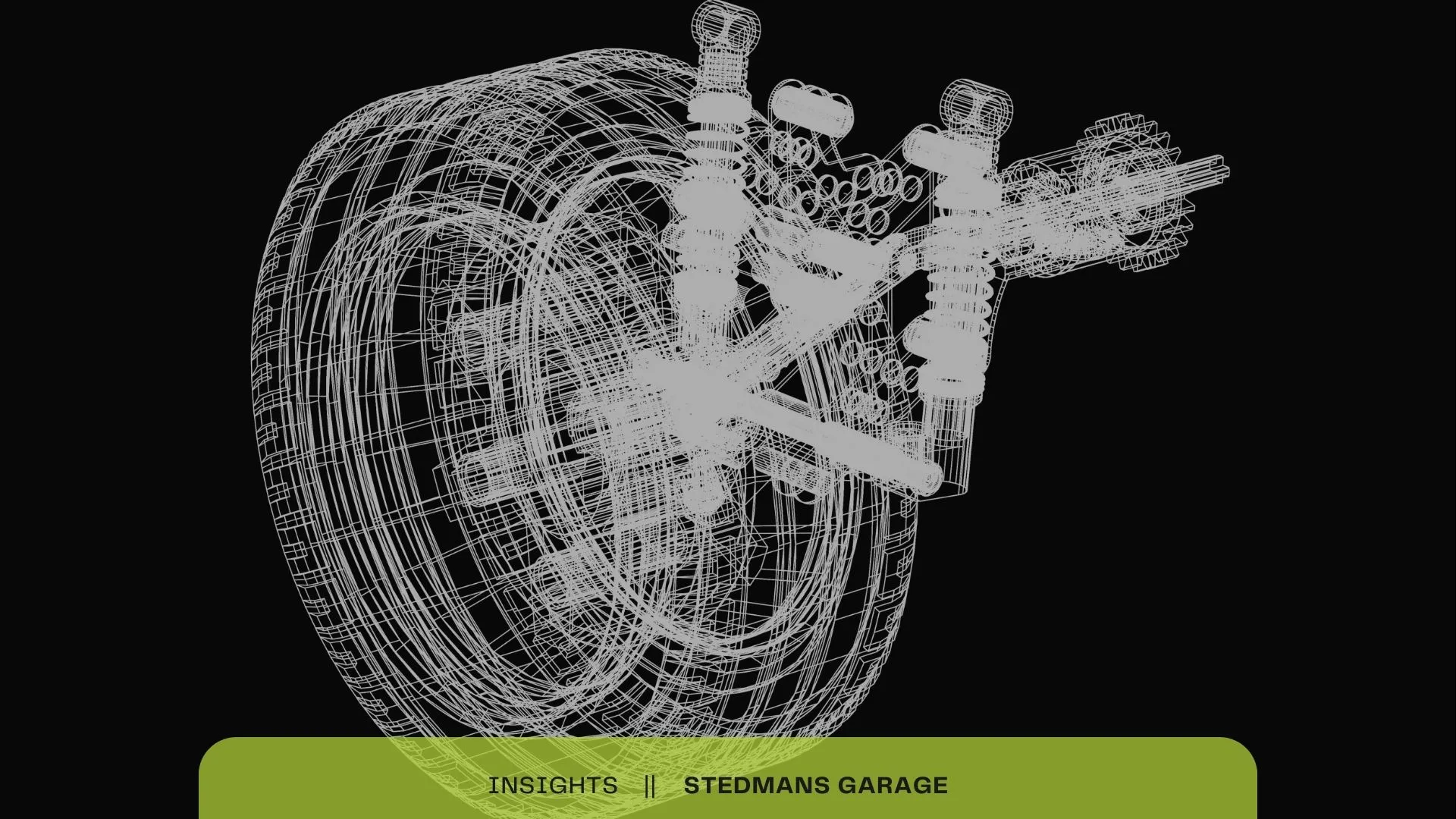
Introduction to BMW Air Suspension Systems
Air suspension systems play a vital role in BMW vehicles by providing enhanced ride comfort and superior handling. The advanced air suspension technology allows the vehicle to glide smoothly over uneven road surfaces, while also remaining stable and responsive around corners.
The purpose of this blog post is to take an in-depth look at BMW's air suspension systems, exploring how they work, diagnosing common issues, and providing practical repair solutions. By understanding the components and operating principles underlying these complex systems, BMW owners and mechanics can better maintain and restore that coveted BMW driving experience.
Significance of Air Suspension in BMWs
BMW fits self-levelling, electronically controlled air suspension to luxury models like the 7 Series, X5, and X7. On recent generations it is standard on the 7 Series and X7, and an option on most versions of the X5. These systems replace conventional steel springs with inflatable air springs or "airbags" that connect the wheels to the body.
Air suspension has key advantages over traditional coil springs in providing:
- A smoother, more comfortable ride: the air springs isolate the cabin from bumps and vibrations extremely well.
- Better handling and stability: the suspension holds its ride height as the load changes, so the car stays level.
- Convenient ride height adjustments: on models with height controls, such as the X7, the height can be raised for clearing obstacles or lowered for easier loading.
By mastering the intricacies of BMW's advanced air suspension systems, their performance and longevity can be optimised.
Purpose of This Post
While air suspension enhances ride and handling tremendously, these complex systems can develop leaks, computer faults, compressor issues, and other problems over time.
This blog post will provide BMW owners and automotive repair specialists the knowledge needed to:
- Understand how BMW air suspension systems work and identify issues.
- Diagnose common problems like air leaks and ride height sensor faults.
- Understand the repair options for failed components like compressors and valves.
- Recognise when sensor and control unit faults need a garage's diagnostic equipment.
Equipped with this technical guidance, BMW enthusiasts can better maintain their vehicles' air suspension performance.

Understanding BMW Air Suspension Systems
BMW's air suspension system works by using compressed air to provide a smooth and comfortable ride. At the heart of the system is an air compressor that pumps air into inflatable air springs or "airbags" located at each wheel on a two-axle system, or on the rear axle only on some models. The air pressure in the bags is precisely controlled by an electronic control unit (ECU) which monitors ride height through its sensors and adjusts it accordingly.
How BMW Air Suspension Works
The system works to hold a preset ride height. As weight is added or removed from the car, sensors detect the change and signal the ECU to make adjustments by adding or releasing air from the bags. This allows the suspension to automatically compensate for loads and maintain vehicle height and ride quality. The key components of a BMW air suspension system include:
- Air springs/air bags: inflatable rubber air bags support the vehicle's weight in place of steel springs. Damping is still done by dampers (shock absorbers).
- Electronic control unit (ECU): the computer brain that monitors sensors and controls ride height.
- Height sensors: detect vehicle ride height and communicate with the ECU.
- Air compressor: compresses ambient air and pumps it into the system.
- Solenoid valves: regulate airflow into and out of the air springs under ECU control.
Benefits of BMW Air Suspension
There are several key benefits that air suspension offers over traditional steel springs:
- Improved Ride Comfort: the air springs provide a smoother ride by adeptly absorbing bumps and road imperfections.
- Enhanced Handling & Control: with height sensors monitoring the car, air suspension helps keep handling consistent as the load changes.
- Adjustable Ride Height: on models with height controls, pressure can be increased to raise ride height or decreased to lower the vehicle.
- Self-Levelling: constant monitoring and adjustments keep the vehicle level, whatever the load.
For these reasons, BMW air suspension delivers a comfortable yet well-controlled driving experience. Proper maintenance is key however, as air leaks or compressor issues can lead to problems.
Common BMW Air Suspension Problems
Air suspension systems in BMW vehicles rely on a network of air lines and inflatable air bags to provide a smooth, consistent ride. However, over time, small leaks can develop in the air lines or air bags that cause the suspension to slowly lose pressure.
How leaks in the airbags or lines can cause a drop in ride height
A common sign of an air leak is a gradual drop in ride height. This happens because the leaking component, whether an air line or air bag, cannot hold the required air pressure to keep the vehicle properly suspended at the correct ride height.
To identify the source of an air leak, it's best to have a professional mechanic put the air suspension system through a series of tests. They will use specialised tools to pressurise the system and then spray soapy water along all air lines and connections to check for escaping air bubbles.
Malfunctioning compressors can affect the suspension's ability to maintain pressure
The air compressor is the heart of the air suspension system. It supplies the air that raises the suspension and runs when the system needs to restore pressure, not all the time. If the compressor is worn out or malfunctioning, the system may be slow to reach the correct ride height, or unable to reach it.
Warning signs of a bad compressor include the air suspension warning light coming on, a drop in ride height, or noises from the compressor. To diagnose for sure, a mechanic can check if the compressor is turning on when system pressure drops, measure output pressure directly, and inspect the electrical connections.
Replacing a failed BMW air suspension compressor requires disconnecting air lines and electrical connectors. Only a trained technician should carry out this repair.
Identifying Signs of Air Suspension Problems
Identifying issues with your BMW's air suspension system early on can help prevent more serious problems later on. Here are some key signs to watch out for:
Ride Height Changes
If you notice that your BMW's ride height seems lower than usual, especially in the rear, this often indicates a leak or issue with the air suspension. Measure the height at each wheel arch with the car parked on level ground to compare to specifications.
Warning Lights
An air suspension warning light or message on your BMW's dashboard is a clear sign there is a problem with the system that needs diagnosis. Don't ignore this light.
Harsh Ride and Handling Issues
Compromised air suspension can make your BMW feel bumpy and unstable over roads it typically glides over. Pay attention to any degradation in ride comfort or handling that could stem from suspension problems.
Noises Over Bumps
Listen for unusual knocking or squeaking noises from the suspension when driving over bumps. This may indicate worn or damaged components.
Addressing small air suspension issues early on can save you money and prevent safety hazards. If you notice any of these warning signs, have your BMW's suspension inspected right away.
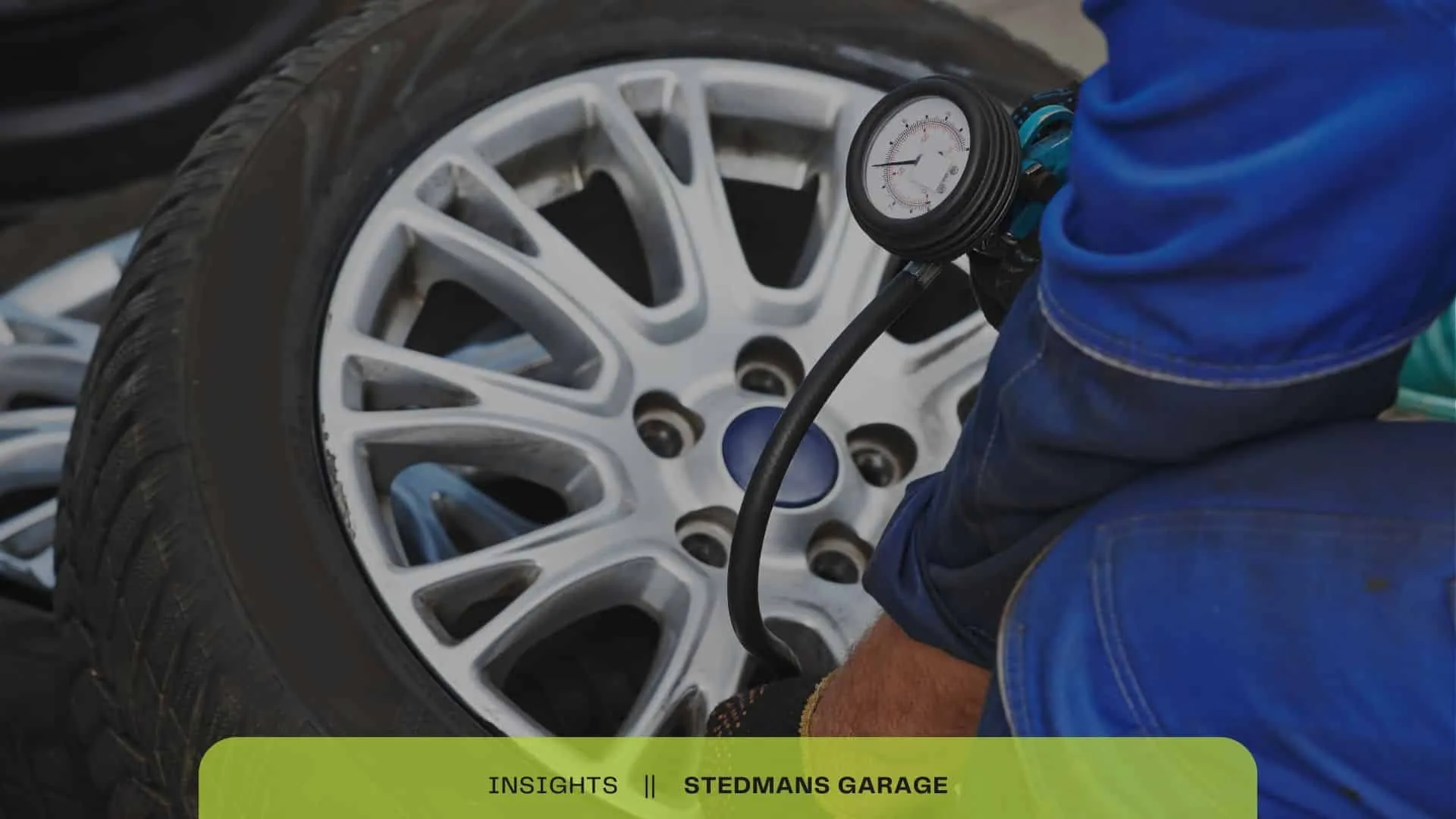
Solutions to BMW Air Suspension Issues
Routine inspections and maintenance are crucial for keeping BMW air suspension systems running properly. Air leaks, faulty compressors, and sensor issues can often be picked up early with regular check-ups. BMW owners should ask for their air suspension to be looked over for any signs of wear or damage when the car is serviced.
Diagnosing and Repairing Air Leaks
If the air suspension starts to sag or sit unevenly, there may be a small air leak in one of the air lines, valves, or air bags. BMW owners can spray soapy water on these components and look for bubbles or listen closely for any hissing sounds that indicate escaping air. Where the leak is decides the repair, so have it confirmed before any parts are replaced.
Replacing a Faulty Compressor
A failing compressor may be unable to restore the proper air pressure in the suspension system. Warning lights on the dashboard combined with sagging and uneven ride height can point to the compressor, but leaks can cause them too, and unchecked leaks put extra strain on the compressor, so the system should be checked for leaks as well. While not a small job, a mechanic can remove and install a new compressor unit to get the air suspension building pressure again.
Resolving Sensor and Control Unit Issues
Modern BMW air suspension systems rely on electronic sensors and an electronic control unit to monitor conditions and make adjustments. If these components malfunction, the suspension may function erratically or warning lights may activate. Diagnosing sensor and control unit problems requires special computer equipment, so BMW owners should have a professional mechanic handle these types of electrical issues.
When to Seek Professional Help
Knowing when to seek professional help for BMW air suspension issues is crucial. As the air suspension system affects critical aspects of driving performance and safety, it's important to have any problems properly diagnosed and repaired.
When it's best to consult a professional mechanic
It's best to seek professional assistance from a garage with BMW experience if you notice any of the following air suspension problems:
- Warning lights related to the air suspension system come on
- There is significant or uneven change in ride height
- You hear air leaking noises coming from the suspension system
- The vehicle's handling feels compromised or floaty
- The air compressor runs constantly to try to maintain pressure
A professional BMW technician has the specialised knowledge and diagnostic tools to properly assess air suspension issues. They can accurately determine the cause and recommend the appropriate solutions.
The importance of addressing safety-related suspension issues
Driving with compromised suspension can seriously affect safety and vehicle control. It's critical to have any potential issues checked right away. Suspension symptoms that call for immediate professional help include:
- One or more air springs has failed or lost pressure
- The vehicle is leaning dramatically to one side
- You hear banging noises from the suspension when driving
- The steering wheel vibrates intensely at motorway speeds
Continuing to drive with these warning signs can worsen the issues and lead to dangerous situations. Have the vehicle recovered to a garage with BMW experience rather than trying to diagnose problems yourself.

FAQs About BMW Air Suspension Issues
BMW air suspension systems can develop issues over time that affect ride height, handling, and overall performance. Here are answers to some frequently asked questions about diagnosing and preventing common BMW air suspension problems.
How do you diagnose air suspension problems?
There are several steps you can take to diagnose air suspension issues yourself before seeking professional help:
- Visually inspect your BMW for sagging, which indicates low air pressure
- Locate the air suspension components under the chassis
- Listen for the air pump to turn on and off as the system maintains pressure
- Inspect the compressor unit for leaks or damage
- On models with a height control button, check that it works properly
- Spray soapy water on valves, lines, and air bags to check for leaks
- Listen for any hissing sounds that indicate air escaping the system
If you confirm an air leak or other issue, have your BMW serviced by a professional mechanic.
What are the steps to diagnose suspension problems?
Follow these five steps to check for issues with your BMW's suspension:
- Visually inspect strut mounts for signs of damage
- Measure ride height at the front wheels with the BMW on level ground
- Have the vehicle safely raised and the undercarriage components checked
- Look along suspension parts for oil leaks or cracks
- Check tie rod ends for excessive play or looseness
If you spot any problems, take your BMW to a garage for diagnosis and repairs.
How do I know if my BMW suspension is bad?
Signs your BMW suspension may be failing include a bumpy and uncomfortable ride, difficulty handling properly, noises when driving over bumps, and warning lights on your dashboard related to the suspension system. If you notice these issues, have your BMW serviced right away to prevent further damage.
What maintenance helps prevent BMW air suspension problems?
You can help prevent issues with your BMW's air suspension by:
- Looking for visible damage to the air lines and air bags when the car is serviced
- Immediately addressing any new noises, leaks, or ride height changes
- Following the service schedule for your model
Proper maintenance helps minimise air leaks and other problems over time. Consider having a professional mechanic thoroughly inspect your BMW air suspension at its regular service.

Conclusion
In summary, BMW air suspension systems provide critical benefits like improved ride quality and handling, but they can develop issues over time. Based on the key points covered in this blog post, it's clear that problems like air leaks, faulty compressors, and worn components can compromise suspension performance.
As a BMW owner, making air suspension maintenance a priority is crucial. Conduct routine inspections and address any problems promptly before they worsen. Replacing components early on can save money compared to waiting until you have a major failure.
When suspension issues emerge, don't ignore warning signs like uneven ride height, noises, and an air suspension warning light or message. Seeking prompt professional diagnosis and repair from a specialist garage such as Stedmans Garage can get your vehicle back on the road safely.
The Importance of Preventative Maintenance
Preventative maintenance is key to avoiding many BMW air suspension problems in the first place. Simple steps like inspecting air lines and fittings regularly for cracks or leaks can nip issues in the bud.
Knowing When to Seek Help
In some cases of air suspension failure, continuing to drive your BMW could worsen the problem or compromise safety. Warning signs like sagging air springs, bottoming out over bumps, and significant loss of ride height indicate it's time to have your vehicle recovered to a garage.
Why Air Suspension Specialists Matter
The complexity of BMW's advanced air suspension systems means diagnosis and repair is best left to specialists with proper training, equipment, and experience. Garages like Stedmans Garage have the equipment and BMW experience to diagnose suspension issues properly.