Understanding the Audi EGR System
What is the EGR System?
The EGR system, short for Exhaust Gas Recirculation system, plays a vital role in controlling vehicle emissions and ensuring proper engine performance. On Audi vehicles, the EGR system takes exhaust gases from the engine and routes them back into the combustion chamber. This has the effect of lowering combustion temperatures and reducing the formation of nitrogen oxides (NOx) that contribute to air pollution. By recirculating exhaust back into the engine, the EGR system dilutes the air-fuel mixture and lowers peak combustion temperatures. This helps Audi engines meet strict emissions regulations for cleaner operation. At the same time, a properly working EGR system helps the engine run as it was designed to.
Components of the Audi EGR System
The Audi EGR system contains several key components that work together to route exhaust gases:
- EGR Valve: The EGR valve is an electronically controlled valve that opens and closes to control exhaust flow back into the engine.
- EGR Cooler: As exhaust gases pass through the EGR cooler, they are cooled before re-entering the engine to further reduce combustion temperatures.
- EGR Temperature Sensor: Monitors EGR system temperatures to ensure proper operation.
- EGR Position Sensor: Reports the position of the EGR valve to the engine computer.
- EGR Solenoid: An electronic actuator that opens or closes the EGR valve based on signals from the engine computer.
These components work in concert to accurately recirculate exhaust while monitoring EGR operation. Problems with any part can lead to reduced engine performance or higher emissions.

Common Audi EGR Problems
EGR Valve Clogging
The most common issue with Audi EGR systems is a buildup of carbon deposits in the EGR valve over time. As exhaust gases recirculate back into the engine through the EGR valve, carbon particles can accumulate and restrict or even completely clog the valve. A clogged EGR valve cannot properly regulate exhaust gas flow, leading to reduced engine performance, poor fuel economy, rough idling, and difficulty starting the engine.
Faulty EGR Valve
In addition to carbon buildup, the EGR valve itself can malfunction mechanically or electronically. A stuck open EGR valve allows too much exhaust into the engine, resulting in combustion issues. Conversely, a stuck closed EGR valve prevents proper exhaust recirculation needed for emissions control. Both cases can trigger the engine management light and may mean replacing the faulty EGR valve.
EGR Cooler Issues
The EGR cooler is responsible for cooling down hot exhaust gases before they re-enter the engine. Coolant leaks, blockages from carbon deposits, or failures of the EGR cooler can all hamper its ability to properly regulate exhaust temperatures. This leads to combustion efficiency issues, increased emissions, and potentially engine overheating. Replacing the EGR cooler or decarbonising it may be necessary.
Sensor Failures
There are several sensors associated with monitoring EGR system function, such as EGR position sensors and temperature sensors. Failure of any of these sensors can provide the engine computer with inaccurate data about exhaust flow, temperatures, or valve position. This may trigger emissions-related error codes, performance issues, or incorrect EGR valve operation. Diagnosing and replacing the faulty sensor is key.
Signs of EGR Problems
Warning Lights
The engine management light is one of the most common indicators of issues with the EGR system. This warning light is triggered by engine computer fault codes related to abnormal EGR valve operation, insufficient EGR flow, or faulty sensors associated with the EGR system. Audi owners should never ignore the engine management light and should have the codes scanned and assessed by a professional technician. Other dashboard lights like the EPC and glow plug indicator may also come on with EGR problems.
Reduced Engine Performance
As carbon deposits accumulate and restrict EGR valve and passageway flow, or components like the EGR valve and cooler become damaged, engine performance suffers noticeably. Owners may experience decreased power and acceleration, rough idling, engine knocking or pinging, misfiring, and even engine stalling in extreme cases. The engine management light usually accompanies these driveability issues. Monitoring for changes in engine sound, responsiveness, and exhaust emissions can help catch EGR issues early.
Excessive Exhaust Smoke
The EGR system helps lower combustion temperatures and reduce exhaust emissions. So when it malfunctions, tailpipe exhaust may change visibly. White smoke or steam coming from the tailpipe can mean coolant is leaking internally due to a damaged EGR cooler. Blue/grey smoke points to oil consumption caused by worn piston rings or valve guides. Finally, on a diesel, black smoke can indicate incomplete combustion caused by an EGR valve that is stuck open. Any unusual exhaust smoke warrants prompt investigation.
Solutions to Audi EGR Problems
Regular maintenance is key to preventing issues with the Audi EGR system. By following the manufacturer’s recommended service schedule and having technicians inspect the EGR valve, cooler, and sensors, many problems can be avoided. If an inspection finds carbon deposits or sludge buildup, they should be cleaned out to maintain proper airflow and component function. Replacing air filters and other service items on schedule is also important.
Cleaning and Decarbonisation
Over time, carbon deposits inside the EGR valve and intake passages can restrict airflow and cause driveability issues. Professional cleaning using specialised tools can remove these deposits and restore proper operation. The process involves accessing the valve and passages, spraying solvents and cleaning fluids, brushing away debris, and then testing system function. For severe buildup, additional measures like media blasting may be required.
EGR Valve Replacement
If cleaning does not remedy sticking, binding issues with the EGR valve, replacement will be necessary. Warning lights, failed emissions tests, and decreased performance often indicate a faulty valve. Diagnosis starts with visual inspection and testing valve function with a scan tool. Once confirmed, the valve is removed by disconnecting hoses/wires, unbolting it from the engine, and installing the new or refurbished valve. Any adaptation the manufacturer specifies for that engine is then carried out.
EGR Cooler Repair/Replacement
Cracked or leaking EGR coolers must be replaced to prevent overheating issues or coolant contamination in the intake system. Technicians first pressure test the cooler system to check for leaks. If faulty, the entire cooler assembly is removed from the vehicle before the new part is installed and connected. Proper gasket sealing and torque specifications must be followed to prevent future leaks.
Sensor Troubleshooting
EGR sensors inform the engine computer about system operation, and the computer commands the valve to open or close. If the engine management light comes on with a sensor fault code, diagnosis involves checking connections and wiring for damage. Most sensors can be tested with a multimeter. If found to be damaged or outside spec, replacement with the correct part for the engine is needed to restore proper function.

When to Seek Professional Help
Complex Repairs
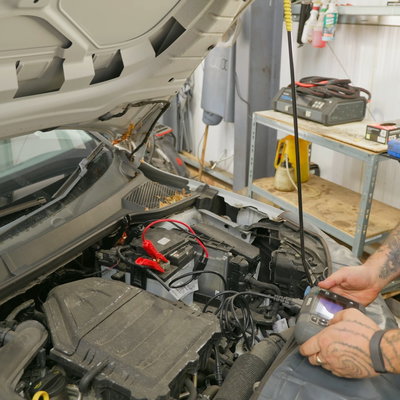
The Audi EGR system is complex, with many interconnected components working in unison. As such, diagnosing and repairing issues can be challenging even for experienced DIY mechanics. Signs of a faulty EGR valve, like the engine management light, reduced performance, or excessive smoke from the tailpipe, indicate it’s time to have a professional take a look. Replacing the EGR valve itself is not necessarily difficult, but determining whether other parts have been affected is critical. Carbon buildup, corrosion, leaks, and sensor damage can all accompany a bad EGR valve. A skilled Audi specialist has the knowledge to thoroughly inspect the entire system and identify any additional issues. They also have the specialised Audi diagnostic tools to accurately test components and reset engine codes. Without this specialised equipment, all underlying problems may not be detected, risking further damage later on.
Emissions Testing
One key reason to promptly address EGR system problems is the MOT, which includes an exhaust emissions check on most petrol and diesel cars. A faulty EGR valve or related components can cause emissions levels to rise. You may be able to drive a vehicle with EGR issues for a while without major performance problems. However, ignoring the engine management light and diagnostic trouble codes risks an MOT failure: on many cars, a light indicating a malfunction is itself a reason for failure, and so is emission control equipment that is obviously defective. Consulting a knowledgeable Audi specialist at the first sign of trouble can help avoid a failure later on.
Preventive Maintenance Tips for Audi Owners
Audi owners can take several preventive steps to help avoid EGR system issues and keep their vehicles running smoothly. Regular maintenance is key for preventing carbon buildup that can clog the EGR valve and associated components. Here are some helpful preventive maintenance tips:
Regular Cleaning
- Follow the service schedule for your model, and have the EGR valve and intake system cleaned if an inspection shows carbon buildup.
- A quality fuel system cleaner can help keep the fuel system clean, but it is no substitute for cleaning a clogged EGR valve.
- Replace the air filter as needed to prevent dirt from entering the engine.
Careful Driving Habits
- Allow the engine to properly warm up before driving hard or labouring the engine.
- Avoid excessive engine idling when possible.
- Drive smoothly and accelerate gently.
Quality Fuels & Oils
- Use only the recommended grade of petrol or diesel.
- Ensure regular oil changes with the factory-approved oil.
- Consider premium fuels where the handbook allows them.
Following these basic maintenance practices can go a long way towards preventing problematic carbon deposits in the EGR system. Paying attention to potential symptoms and addressing minor issues promptly is also important for reducing major repair bills later on. With some care and diligence, Audi owners can help their EGR components last for the long haul.
Conclusion
In summary, the Audi EGR system plays a crucial role in controlling vehicle emissions and ensuring proper engine performance. However, issues like EGR valve clogging, cooler leaks, and faulty sensors can disrupt operation. As outlined in this blog post, symptoms like warning lights, poor acceleration, and excessive smoke point to underlying EGR problems.
It is imperative for Audi owners to promptly address EGR problems through regular maintenance, cleaning procedures, component replacement, and emissions testing as needed. Allowing issues to persist can negatively impact driveability, fuel economy, and emissions compliance.
For complex EGR diagnoses and repairs, the Audi specialists at Stedmans Garage have the skills and experience to get your vehicle running smoothly again. Reach out for a consultation to proactively maintain your Audi or resolve stubborn EGR issues.

Key Takeaways
- Carbon buildup and component failures commonly disrupt Audi EGR systems.
- Warning lights, poor performance, and smoke point to EGR issues.
- Address problems early through cleaning and replacements as needed.
- Consult specialists like Stedmans Garage for complex EGR repairs.
FAQs About Audi EGR Problems
What are the most common causes of EGR failure?
The single biggest cause of EGR valve failure is the buildup of carbon particles from the exhaust gases along the EGR and intake system passages. Over time this will clog tubes, exhaust gas channels and eventually the valve’s plunger mechanism, causing it to either stick open or closed.
How do you fix an EGR problem?
There are a few steps to troubleshooting an EGR valve:
- Check that all electrical connections, and any vacuum lines fitted, are connected and positioned correctly.
- Where the valve is vacuum-operated, use a vacuum gauge to check the vacuum supply hose for vacuum with the engine running.
- Where a vacuum solenoid is fitted, check it while the engine is running.
What is the EGR on an Audi?
The EGR Valve refers to your Exhaust Gas Recirculation Valve. It controls how much exhaust gas is routed back into your Audi’s engine, which lowers combustion temperatures and reduces the nitrogen oxides (NOx) the engine produces.
Things to Consider While Replacing the EGR Valve of your Audi
When replacing the EGR valve in your Audi, it’s important to watch for common symptoms like engine management lights, poor fuel economy, rough idling, and failed emissions tests. It’s best to take your Audi to a qualified mechanic as replacing the EGR valve requires specialised tools and knowledge. Improper valve replacement could lead to further engine issues later on.