Introduction to Electric Vehicles

Overview of Electric Vehicle Technology
Electric vehicles (EVs) represent a significant advancement in automotive technology, driven by electric motors rather than internal combustion engines. Unlike their gas-powered counterparts, EVs rely on electricity stored in batteries to power the vehicle. The primary components of an EV include the electric motor, battery pack, power electronics, and transmission, all designed to operate efficiently without the need for fossil fuels. This configuration results in cleaner energy utilisation and a simpler mechanical structure, which notably reduces maintenance needs.
EV technology leverages sophisticated battery management systems that optimise energy use and ensure longer battery life. Additionally, regenerative braking systems convert kinetic energy into electrical energy, which is then stored in the battery. Consequently, EVs signify a future-ready approach to transportation, contributing to a reduction in greenhouse gas emissions and dependency on oil.
For a deeper dive into the technology behind EVs, including common automotive issues and how to address them, check out the Car Diagnostics section of our website. Regular diagnostics help ensure the longevity of your vehicle, whether it’s electric or traditional.
Comparison Between EVs and Traditional Gas-Powered Cars
When comparing electric vehicles to traditional gas-powered cars, several differences emerge. Gas-powered vehicles rely on burning fuel to generate power, which involves complex mechanical processes and results in substantial exhaust emissions. Meanwhile, EVs operate using electricity, producing no tailpipe emissions and thus significantly reducing environmental pollution.
Electric motors also provide instant torque, offering superior acceleration compared to internal combustion engines. While traditional cars are usually less costly to purchase initially, EVs often entail lower operating costs due to cheaper electricity rates and fewer moving parts requiring maintenance. However, the upfront cost of EVs is generally higher, primarily because of the expensive battery technology.
To understand more about the benefits of EVs, including how they compare to traditional gas-powered cars in terms of maintenance and diagnostics, visit our About Us page. It provides insights into our services, including how we help maintain the efficiency of all vehicle types.
Growing Popularity and Market Trends of EVs
The popularity of electric vehicles has surged over the past decade, driven by heightened environmental awareness, advancements in technology, and supportive government policies. EV sales reached nearly 14 million units globally in 2023, with significant contributions from China, Europe, and the United States. This trend reflects a broader societal shift towards sustainable and energy-efficient solutions in transportation.
Governments worldwide are implementing ambitious goals to accelerate the adoption of EVs. For instance, many countries have announced plans to ban the sale of new internal combustion engine vehicles within the next few decades, fostering a conducive environment for EV growth. Furthermore, the automotive industry has responded to this demand by expanding EV model ranges, enhancing battery capacities, and improving charging infrastructure.
This transition towards electric mobility is also underpinned by continuous advancements in battery technology, which promise longer ranges and shorter charging times. As a result, consumer confidence in electric vehicles is on the rise, further bolstering market trends and validating the move towards a cleaner transportation future.
For more insights into how EVs are shaping the future of transportation and how we contribute to this shift, check out our article on MOT Testing in Worthing. An MOT test ensures your vehicle stays compliant with safety standards, whether electric or gasoline-powered.
Initial Costs and Incentives
Sticker Prices of EVs Compared to Gas-Powered Vehicles
The initial cost of electric vehicles (EVs) remains one of the most significant barriers for potential buyers. On average, EVs are more expensive than their gas-powered counterparts. For instance, the average transaction price of a new electric vehicle was approximately $56,371 in 2023. This price can range from $30,000 to over $100,000 for luxury models. Comparatively, this is typically $4,600 more than the median gasoline car. However, the gap is narrowing, with a notable decrease in the price of new EVs observed over the last year. This drop has made EVs only about $2,800 more expensive than new gas-powered vehicles.
While these upfront costs may seem daunting, they are offset by lower operational costs as EVs are generally cheaper to maintain and fuel. For example, many EV owners save significantly on fuel costs, as charging is far cheaper than filling a petrol or diesel tank.
Available Tax Incentives and Rebates for EV Purchases
To mitigate these higher upfront costs, various tax incentives and rebates are available. The U.S. federal government offers tax credits up to $7,500 for eligible new electric vehicles and up to $4,000 for used electric vehicles. Additionally, many states provide supplementary rebates and incentives, including discounts on charging stations, local utility promotions, and special driving perks. Some countries even offer free parking or the use of bus lanes for EVs, adding to the appeal.
These incentives help to lower the effective cost, making EVs more financially attractive. It’s crucial for potential buyers to check the specifics of these incentives as they vary significantly by region and the buyer’s eligibility requirements.
In the UK, new EV owners can take advantage of government grants for home chargers, which further reduce the cost of ownership. For more information on how to leverage these incentives, visit our Servicing in Worthing page to understand how you can make EV ownership more affordable.
Considerations for Home Charging Installation Costs
A significant consideration for EV owners is the cost of installing a home charging station. While most EV drivers charge at home, the installation cost for a home EV charger can vary widely. Factors influencing these costs include the distance and accessibility between the home’s electrical panel and the desired charger location, building permits, and installation complexity. On average, home charging installations can add about £500 to £2,000 to the overall cost, but this can be offset by the convenience and lower cost of at-home charging compared to public stations.
Public charging stations typically charge between £0.30 and £0.60 per kWh, while home charging often costs around £0.16 per kWh. This translates to approximately £30 to £60 per month added to your electricity bill, making home charging a cost-effective solution over time.
For a more thorough understanding of EV maintenance, visit our Car Air Conditioning Services page, where we detail how we help keep your vehicle running smoothly, whether it’s electric or traditional.
Long-Term Cost Savings

Lower Fuel Costs for Electricity vs Gasoline
Electric vehicles (EVs) offer substantial long-term savings due to lower fuel costs. Charging an EV is notably cheaper than refuelling a gasoline car. According to a study by Consumer Reports, typical EV owners who charge at home can save between £600 to £800 annually on fuel compared to those using gasoline-powered vehicles. This equates to significant savings over the life of the vehicle, particularly for high-mileage drivers.
Energy Innovation highlights that EVs are 2.6 to 4.8 times more efficient at travelling a mile compared to gasoline vehicles, contributing to lower overall energy costs. The efficiency of EVs is also improved by regenerative braking, which converts kinetic energy back into electricity, further reducing the cost of operation.
Reduced Maintenance Expenses Due to Simpler EV Mechanics
Electric vehicles have fewer moving parts compared to their gas-powered counterparts, making them cheaper to maintain. EVs do not require oil changes, and their braking systems, which utilise regenerative braking, usually last longer due to reduced wear and tear. Additionally, EVs don’t have complex transmissions or exhaust systems, both of which can be costly to repair or replace in traditional vehicles.
A 2020 Consumer Reports study found that EV drivers spend about 60% less on repairs and maintenance compared to gas vehicle drivers. On average, maintaining an EV costs around £35 per month or £420 annually, totalling approximately £3,000 over the vehicle’s lifetime.
For a closer look at how EVs reduce maintenance costs, take a look at our Car Aircon in Worthing services. Regular maintenance, even for EVs, is crucial to ensuring optimal performance.
Potential Long-Term Savings Over the Life of the Vehicle
When considering the total cost of ownership, EVs can offer significant long-term savings. A Consumer Reports study from 2023 highlights that owning an EV can save the typical driver between £5,000 to £10,000 over the life of the vehicle compared to a similar gas-powered model. Despite sometimes higher upfront costs, EVs benefit from lower fuel and maintenance expenses, which accumulate over the years.
These savings are even more substantial for drivers who travel long distances or those who take advantage of solar energy for home charging. Some studies estimate that solar-powered home charging can reduce the cost per mile to as low as £0.03, further highlighting the financial benefits of transitioning to an EV.
To learn more about how to maintain your EV and keep it running in top condition, visit our Servicing in Worthing.
Performance and Efficiency
Acceleration and Torque Advantages of Electric Motors
Electric vehicles (EVs) excel in acceleration and torque, owing to the inherent design advantages of electric motors. Unlike gas-powered cars that require a complex internal combustion engine and a traditional transmission, electric motors offer instantaneous torque. This instant power delivery enables EVs to achieve rapid acceleration from a standstill, giving drivers a swift and responsive driving experience.
Tesla’s Model S, for example, can accelerate from 0 to 60 mph in under 2.5 seconds, outpacing most high-performance gas-powered sports cars. This quick acceleration is one of the most appealing features for many EV enthusiasts, providing an exhilarating driving experience.
Energy Efficiency Comparison
EVs present a remarkable improvement in energy efficiency compared to gas-powered vehicles. On average, EVs use approximately half the energy of their gasoline counterparts. This improvement stems from the high efficiency of electric-drive components, which reduces the overall energy needed per mile driven. Switching from a gas vehicle to an EV can lower energy consumption for driving by about 47%.
Additionally, EVs consistently achieve miles-per-gallon equivalent (MPGe) figures exceeding those of traditional gas-powered vehicles. The Alternative Fuels Data Center notes that today’s light-duty all-electric vehicles can surpass 130 MPGe. This high efficiency not only reduces the environmental impact but also significantly decreases operational costs over the vehicle’s lifetime.
For more information on energy efficiency, check out Stedmans Garage’s insights on vehicle performance and maintenance.
Range Considerations and Improvements in Battery Technology
Range anxiety remains a common concern among potential EV buyers. However, advancements in battery technology are steadily addressing these concerns. Modern EV batteries now offer greater capacity and energy density, allowing for longer driving ranges on a single charge. According to Green.org, recent developments in battery technology have led to significant enhancements in both capacity and energy density, enabling EVs to travel further before needing to recharge.
Charging infrastructure is also evolving, with more charging stations becoming available and rapid charging technology improving. In the UK, the government has pledged to install thousands of new fast-charging stations over the next decade, further reducing the risk of range anxiety.
If you’re concerned about your EV’s performance or want to ensure your battery is operating efficiently, visit our Car Diagnostics section to learn more about how we can help.
Environmental Impact
Reduced Emissions and Air Pollution
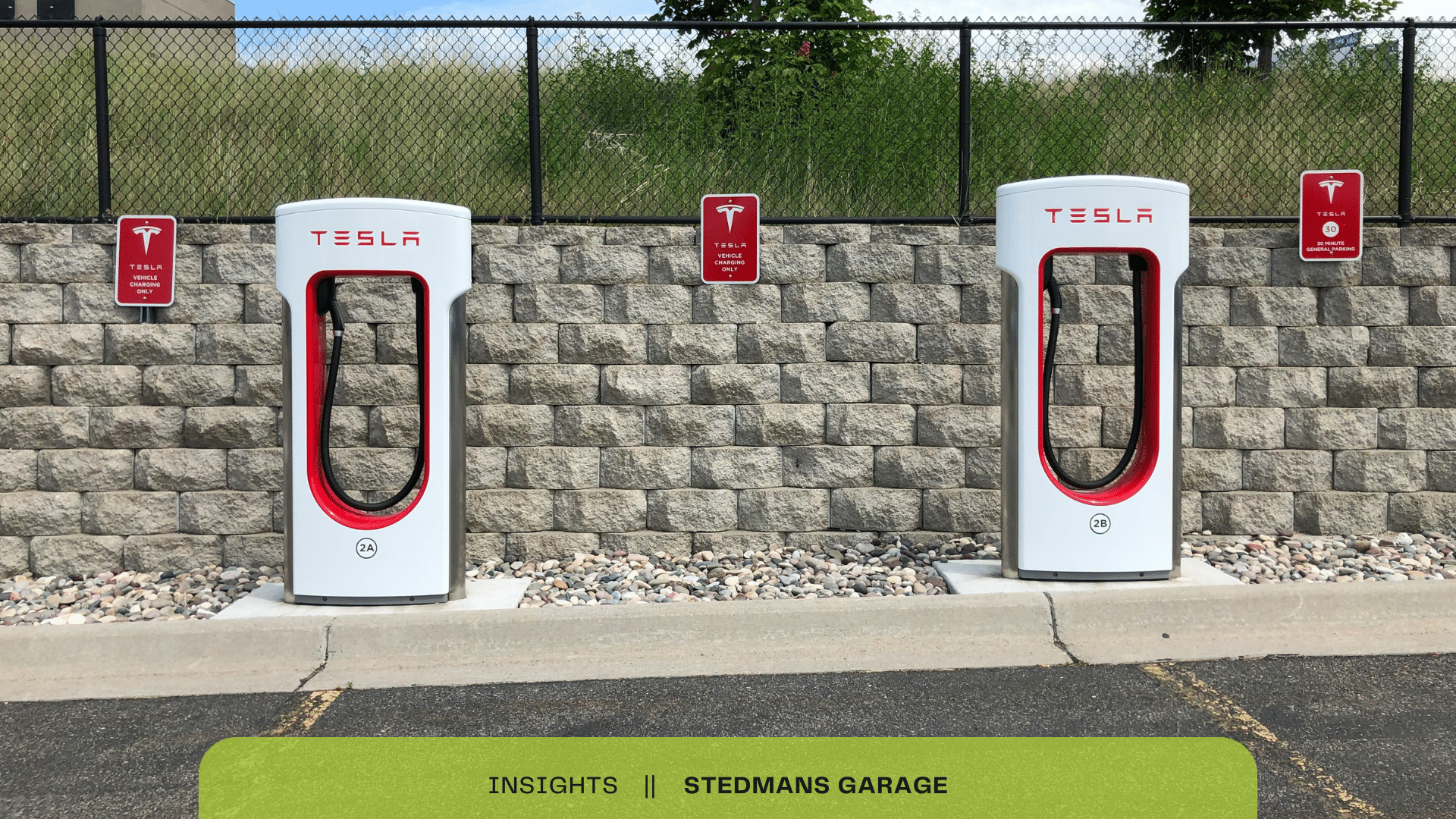
The emission benefits of electric vehicles (EVs) are notable. EVs produce zero tailpipe emissions, which drastically reduces the emission of harmful gases such as Carbon Monoxide (CO), Nitrogen Oxides (NOx), and Hydrocarbons (HC). This significantly cuts down on outdoor air pollution, delivering better air quality and reducing health-related issues such as asthma and other respiratory diseases.
The reduction in air pollutants such as NO2 has been linked to fewer occurrences of cardiovascular and respiratory diseases, potentially saving hundreds of thousands of lives annually. Electric cars are particularly beneficial in urban areas, where traffic congestion and pollution are often at their worst.
For more information on how EVs contribute to a cleaner environment, visit our MOT Testing page to ensure your vehicle is compliant with safety and environmental standards.
Consideration of Electricity Source for Charging
The environmental impact of EVs is also influenced by the source of electricity used for charging. When charging stations are powered by renewable energy sources like solar, wind, or hydroelectric power, the carbon emissions are minimal, contributing to a sustainable charging solution. However, if the electric grid relies on fossil fuels such as coal or natural gas, then the emissions from electricity production can offset some of the environmental benefits of EVs.
Nevertheless, even with the current mix of electricity sources, EVs generally produce fewer greenhouse gas emissions compared to petrol vehicles. Furthermore, advancements in the energy sector are tilting more towards renewable sources, which will only further enhance the environmental benefits of EVs over time.
Overall Lower Carbon Footprint
The overall carbon footprint of an EV is typically lower than that of a traditional gas-powered car throughout its lifetime. Although the production of EV batteries is associated with significant carbon emissions—between 56 and 494 kg of CO2 per kilowatt-hour of battery capacity—the lack of tailpipe emissions during operation leads to a net decrease in overall emissions.
Over a typical sixteen-year lifespan, a gas car can produce around 32 tonnes of CO2, a figure far exceeding the emissions associated with EVs. EVs can achieve “carbon parity” with internal combustion engine (ICE) vehicles in about one year of use, and even sooner if powered by renewable energy.
For more information about how our services can help reduce your vehicle’s environmental impact, check out our Servicing in Worthing page.
Common EV Issues and Mitigation
Range Anxiety and Strategies to Address It
Range anxiety, the fear of an electric vehicle (EV) running out of charge before reaching its destination, remains a significant concern for many potential EV buyers. Tackling this issue involves a multi-pronged approach:
- Home Charging: Installing a home charger provides the convenience of charging overnight, reducing dependency on public charging stations.
- Charging Stations: Utilising apps that locate nearby charging stations can alleviate range anxiety. Planning trips with charging stops in mind helps ensure a stress-free journey.
- Driving Practices: Adopting eco-friendly driving habits and utilising the vehicle’s eco mode can extend range considerably.
In short, while range anxiety remains a concern, it can be mitigated by making use of proper planning and technological advancements.
Battery Degradation Concerns and Manufacturer Warranties
One of the drawbacks of electric vehicles is the gradual degradation of their batteries over time. For instance, an EV with a 300-mile range may lose up to 45 miles of range over ten years. This degradation happens due to factors like frequent fast charging and exposure to extreme temperatures.
There are several strategies to mitigate battery degradation:
- Thermal Management Systems: Modern EVs are equipped with advanced thermal management systems to maintain optimal battery temperatures.
- Smart Charging Practices: To preserve battery life, it’s recommended to keep the charge level between 20% and 80% and avoid frequent fast charging.
Most manufacturers offer comprehensive battery warranties, typically covering eight years or 100,000 miles, ensuring peace of mind for EV owners.
Charging Infrastructure Challenges and Ongoing Improvements
While the availability of EV charging stations has increased significantly, several challenges remain:
- Geographic Distribution: The distribution of charging stations is often uneven, with urban areas more likely to have a denser network of chargers compared to rural regions. This imbalance could limit the practicality of long-distance travel in some areas.
- Grid Stability: The growing demand for high-power charging can complicate grid stability, particularly in regions with older electrical grids.
Despite these challenges, various improvements are being undertaken:
- Increase in Charging Points: The number of public charging points is expected to grow exponentially, with a projection of 23 million EV public charging points by 2034.
- Fast Charging Capabilities: Investment in fast-charging stations is increasing, improving convenience for users needing quicker charging solutions.
Technological advancements like bidirectional conversion technology promise further innovation, enabling EVs to act as batteries for the grid, thereby enhancing overall energy resilience. In short, while EVs face certain hurdles, ongoing technological and infrastructural advancements indicate a promising future for this transformative mode of transportation.
Future Outlook and Considerations

Advancing EV Technology and Decreasing Costs
The future of electric vehicles (EVs) looks promising, with continuous improvements in technology driving down costs and enhancing performance. According to industry predictions, EV sales are expected to comprise up to 20% of new car sales by 2025, potentially reaching nearly all new car sales by 2040. This growth is underpinned by advancements such as wireless charging, which allows for seamless energy transfer without physical connections.
Moreover, bidirectional conversion technology will enable EVs to act as energy storage for the grid, enhancing the reliability of renewable energy sources. As these technologies mature, they are expected to reduce the overall costs of ownership and operation, making EVs more accessible to a broader market.
Expanding Charging Networks and Faster Charging Capabilities
A robust and extensive charging infrastructure is critical for the widespread adoption of EVs. ABI Research forecasts a substantial increase in public charging points, from 5.8 million in 2024 to 28.9 million by 2034. Federal initiatives are set to build a national EV charging network, further enhancing accessibility.
Technological advancements like plug-and-charge systems, which automate the payment process and enhance user convenience, are becoming standard. Meanwhile, vehicle-to-grid (V2G) technology will allow EVs to contribute back to the grid, creating a more resilient energy system. These innovations are poised to alleviate common concerns such as range anxiety and charging time.
Potential Impact on the Automotive Industry and Energy Sector
The rise of EVs signifies a transformative shift in the automotive industry. Traditional auto suppliers, particularly those specialising in components for internal combustion engines, face significant disruption. At the same time, the integration of Artificial Intelligence (AI) facilitates advancements in manufacturing, making vehicles safer and more efficient.
On the energy side, EVs present opportunities to enhance the electricity grid’s efficiency and durability. They promote the use of renewable energy, potentially lowering energy costs and providing emergency backup power. These changes will likely foster a more sustainable future, driven by innovations in EV technology.
As these advancements continue to evolve, they promise to redefine industry standards, contribute to environmental sustainability, and impact economic models across both the automotive and energy sectors. This ongoing transformation underscores the critical importance of innovation and adaptability in shaping the future of mobility.
By understanding the real costs of EVs and leveraging available incentives, buyers can make well-informed decisions that not only save money but also benefit the environment. As the technology continues to evolve, EV ownership will become even more accessible and advantageous in the long run.
For more information on our services and how we can assist with EV maintenance, visit Stedmans Garage.