Understanding the Importance of Timing Belts
Role of Timing Belts in Engine Synchronisation
At the heart of an internal combustion engine lies the timing belt, a critical component responsible for orchestrating the delicate dance of engine parts. The timing belt ensures that the camshaft and crankshaft rotate in sync, allowing valves and pistons to move in a precise, harmonious manner. Without this synchronisation, the engine’s performance would be chaotic, leading to inefficiency and potential damage. Think of the timing belt as the conductor of an orchestra, making sure each instrument (or engine part) plays its part at the right time, thus keeping the engine running smoothly.
Consequences of Timing Belt Failure
The failure of a timing belt can spell disaster for your engine. Unlike other car parts that wear out gradually, a timing belt tends to fail suddenly. When a timing belt breaks, the engine’s camshaft and crankshaft fall out of sync, leading to severe engine trouble. This dissonance can cause pistons to collide with valves, resulting in bent valves, damaged pistons, and potentially a ruined engine. In essence, a snapped timing belt can leave you stranded with a hefty repair bill. In extreme cases severe engine damage can occur.
Typical Lifespan of Timing Belts
Timing belts don’t last indefinitely; they come with an expiration date. Most manufacturers recommend replacing timing belts every 60,000 to 100,000 miles, though it depends on the specific make and model of your vehicle. For instance, older models may require replacement every 40,000 to 60,000 miles, while modern advancements have extended the lifespan to 80,000 to 100,000 miles. Additionally, if your car isn’t driven much, it’s advisable to replace the belt every four to five years to avoid the risks of aging and wear.
Stedmans Garage Provides Professional Services
Routine maintenance and timely replacement of your car’s timing belt are crucial for preventing unexpected breakdowns and costly repairs. At Stedmans Garage, you can trust their expert technicians to handle your timing belt needs with precision and care. Their team is well-equipped with the knowledge and tools needed to replace timing belts efficiently and ensure your engine runs at its optimal best.
Having a reliable service like Stedmans Garage can make a significant difference. They provide thorough inspections and utilise high-quality parts for replacements, ensuring the longevity and performance of your vehicle. Proper maintenance by professionals can save you from unexpected engine failures, providing peace of mind and smooth driving experiences.
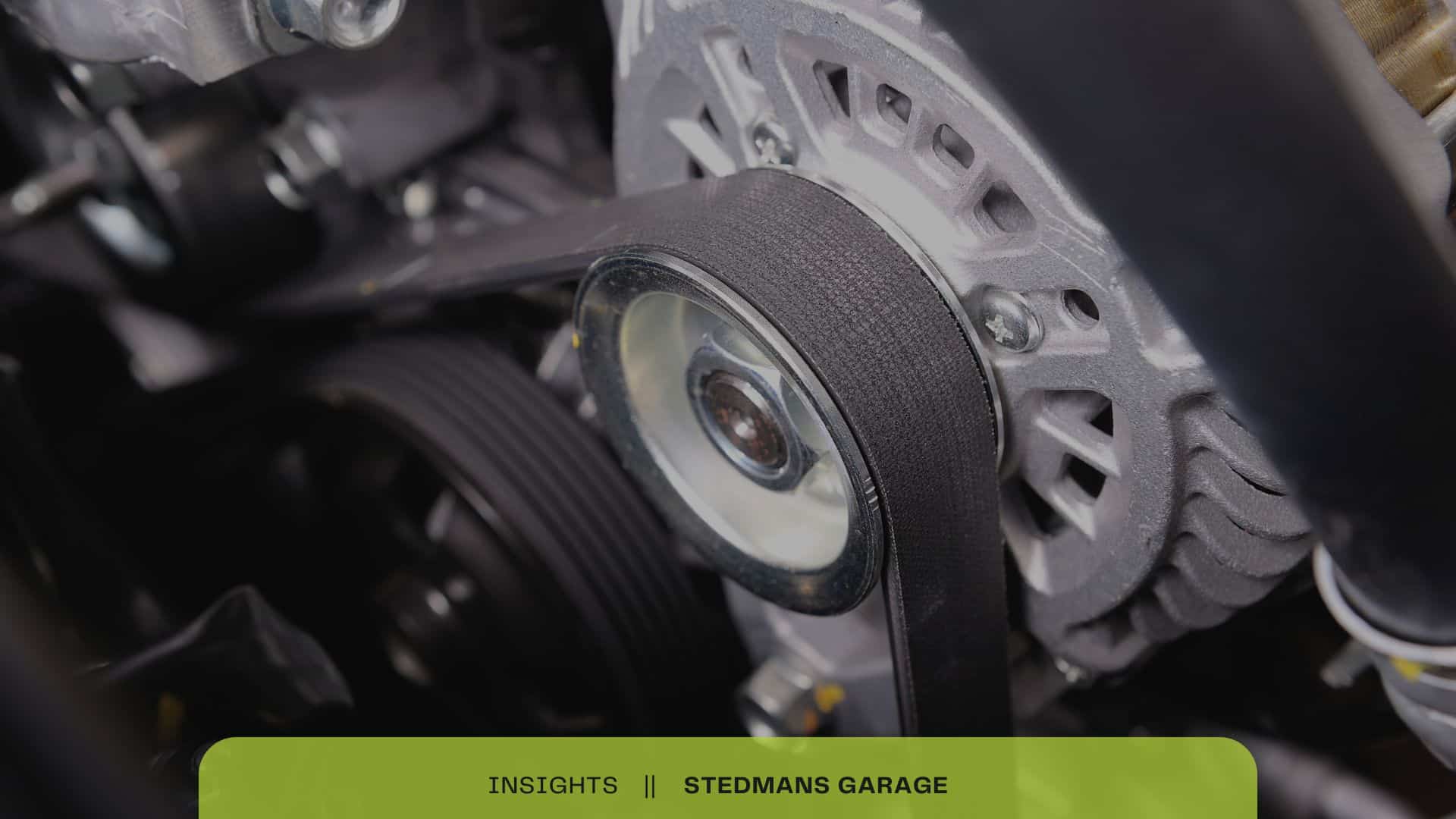
Visual Inspection for Wear and Tear for Timing Belt Replacement
Regular visual inspections of your timing belt are vital for maintaining your vehicle’s engine health and performance. A timing belt that exhibits signs of wear and tear can lead to catastrophic engine failure if not addressed promptly. Here, we will look into the key aspects of conducting a thorough visual inspection.
Checking for Cracks, Fraying, or Glazing on the Belt
One of the first signs of a deteriorating timing belt is visible damage. Look out for:
- Cracks: With time and use, the rubber on the timing belt can start to develop small cracks. These may appear on the surface or within the grooves of the belt. A cracked belt is a clear indication that it needs to be replaced soon.
- Fraying: Inspect the belt edges for signs of fraying, which occurs when the belt’s fabric starts to wear down and unravel. Frayed edges can lead to weak spots and potential tearing.
- Glazing: If the belt looks shiny or polished, it is likely glazed, which happens when the belt slips on the pulleys. A glazed belt loses its grip and can cause the timing to become erratic.
Inspecting for Oil Contamination
Oil contamination is another critical factor to check during your visual inspection. Oil can degrade the rubber material of the timing belt, leading to premature failure. Ensure you look for any signs of oil leaks around the motor, specifically near the timing belt cover. If oil is present, it’s important to address the leak and replace the contaminated belt promptly.
Looking for Missing Teeth or Visible Damage
Lastly, examine the belt for any missing teeth or other visible damages. Missing teeth can prevent the belt from engaging properly with the gears, disrupting the precise timing necessary for optimal engine performance. Additionally, inspect the inner side of the belt for wear and tear on the teeth, which can be a sign that the belt has stretched or is nearing the end of its lifespan.
Conducting these visual inspections routinely can help you catch issues early, saving you from more costly and extensive repairs down the line. It is advisable to consult a professional mechanic for a thorough inspection if you identify any of the issues discussed above.
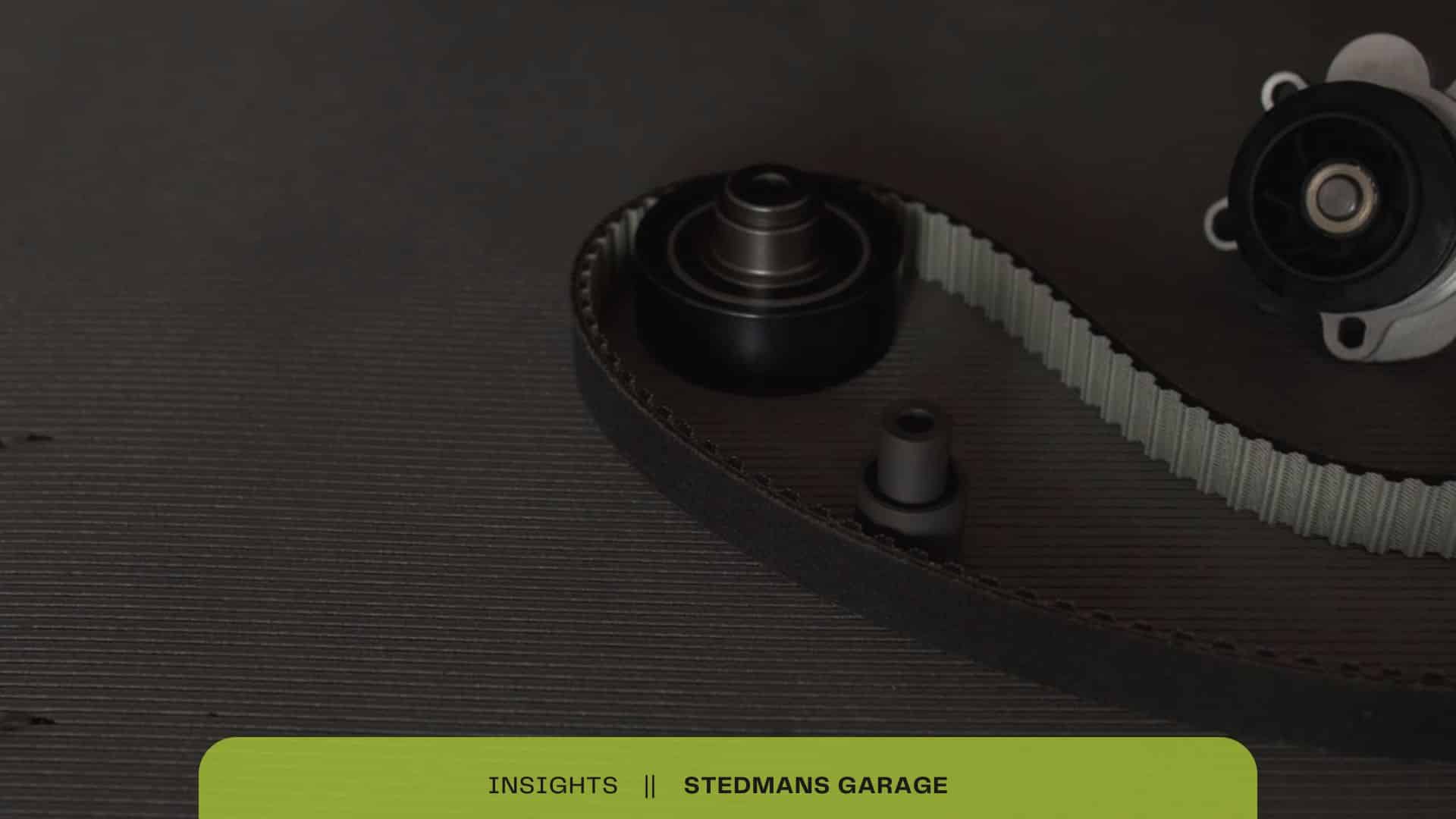
Listening for Unusual Engine Noises
One of the clearest indicators that it may be time to replace your timing belt is the presence of unusual noises emanating from your engine. Identifying these sounds can save you from costly repairs and potential engine damage. Below are the key noises to be aware of and what they signify.
Identifying Ticking or Clicking Sounds
A common symptom of a failing timing belt is a ticking noise coming from the engine. This sound is similar to the noise of a clock ticking and is often indicative of a worn timing belt. The clicking or ticking noise originates from the belt’s interaction with the engine’s pulleys and camshaft. As the belt wears down, it can produce this distinct sound.
The ticking sound may also arise due to low oil pressure or poor lubrication within the engine, which causes friction in the belt and associated components. Whenever you notice a ticking noise, it’s essential to investigate promptly, as this could lead to significant engine issues if left unaddressed.
Recognising High-Pitched Screeching or Whirring Noises
Another disturbing sound that indicates potential timing belt problems is a high-pitched screech or whirring noise. This often occurs when you start your engine, accelerate, or idle. A screeching sound generally indicates that the belt is beginning to slip or has become misaligned. If you hear this sound upon starting your vehicle or during operation, it’s a warning sign that the timing belt needs immediate attention.
The screeching sound can also be a result of worn-out belt ribs or improper installation, leading to belt misalignment. This causes the belt to rub against other parts of the engine, producing a high-pitched noise.
Noticing Changes in Engine Sound Between 2,000 and 4,000 RPM
Pay close attention to how your engine sounds when you rev it between 2,000 and 4,000 RPM. If you notice slow acceleration, rattling, or any unusual noises within this range, it could be an indication that the timing belt is loose or deteriorating. Over time, a belt that is coming to the end of its lifespan or has been improperly installed can lose its tension, leading to these abnormal engine sounds.
These changes in sound should not be ignored, as they signal that your engine’s synchronisation is compromised. Failing to address them may lead to more severe issues, such as complete belt failure, which can cause significant engine damage.
Understanding these noises and what they mean will help you maintain your vehicle’s health. A proactive approach in recognising these sounds and seeking professional help can prevent major mechanical failures.
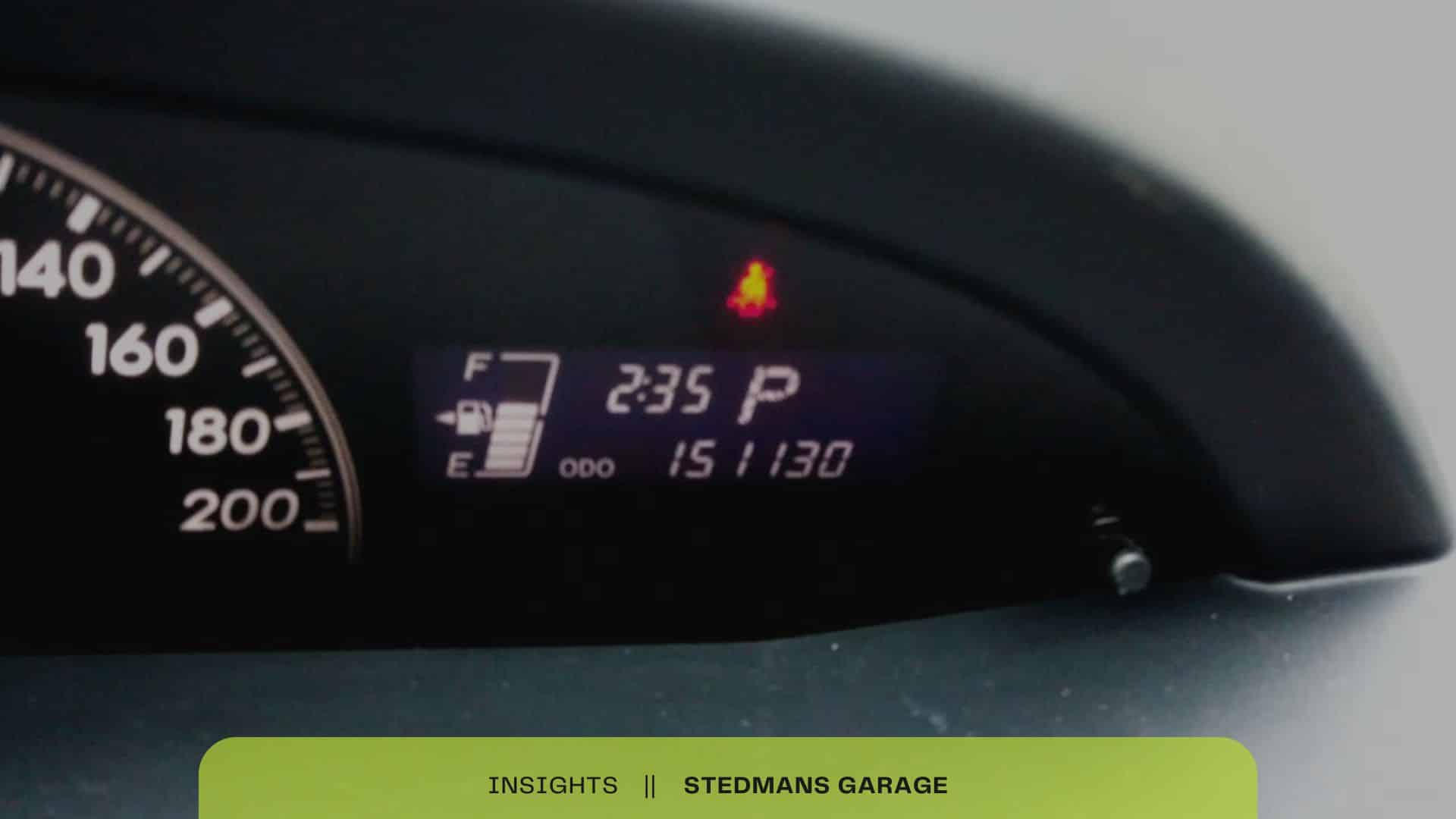
Monitoring Engine Performance Issues for Timing Belt Replacement
Understanding engine performance issues can be a reliable method for detecting timing belt problems early on. Let’s delve into how recognising engine misfires or rough idling, experiencing difficulty starting the vehicle, and observing decreased engine power or overheating can provide valuable insights into the health of your timing belt.
Recognising Engine Misfires or Rough Idling
A prominent sign of a failing timing belt is the engine misfiring or running roughly. The timing belt synchronises the movement of the camshaft and crankshaft, ensuring the correct timing for the opening and closing of the engine’s valves. When the timing belt begins to slip, this delicate synchronisation is disrupted. The result is that the engine’s cylinders open and close prematurely, leading to misfires. Misfiring should be addressed immediately to avoid further damage to the engine.
As belts wear out, they can lose teeth, which may fall into the gears and cause the engine to idle roughly. Over time, this can lead to stalling.
Experiencing Difficulty Starting the Vehicle
Another significant indicator of timing belt issues is difficulty starting the vehicle. If the timing belt is broken or severely worn, the engine won’t be able to ignite or turn over properly. When you turn the key, you might hear the starter motor engaging, but if the timing belt is not operational, the crankshaft won’t turn, and the engine won’t start. This is because the timing belt is crucial for synchronising the engine’s internal movements.
Incorrect timing is also a frequently misdiagnosed cause of a no-start condition. Ensuring that the timing belt is correctly set according to manufacturer specifications is vital to avoid costly engine repairs.
Observing Decreased Engine Power or Overheating
Decreased engine power and overheating are further symptoms pointing towards a faulty timing belt. A worn timing belt can slip, causing the engine cylinders to open and close out of sync. This affects the engine’s firing rate and reduces its overall power.
Additionally, a leaking timing belt cover or a cracked gasket can cause oil to leak onto the timing belt, leading to overheating. This not only affects the timing belt but can cause various other engine problems. It is crucial to address overheating issues promptly, as extended exposure to high temperatures can cause the timing belt to expand and potentially slip off its gears.
Regular monitoring of these engine performance issues can signal the need for a timing belt inspection or replacement. It ensures the optimal functioning of your engine and avoids potential damage. Observing these signs early and seeking professional help, such as services offered by Stedmans Garage, can save you from more significant repair costs down the line.
Understanding how timing belts influence engine performance is key to maintaining your vehicle’s health. As you continue monitoring your engine’s performance, remember that professional inspections can provide a more thorough diagnosis and solution.
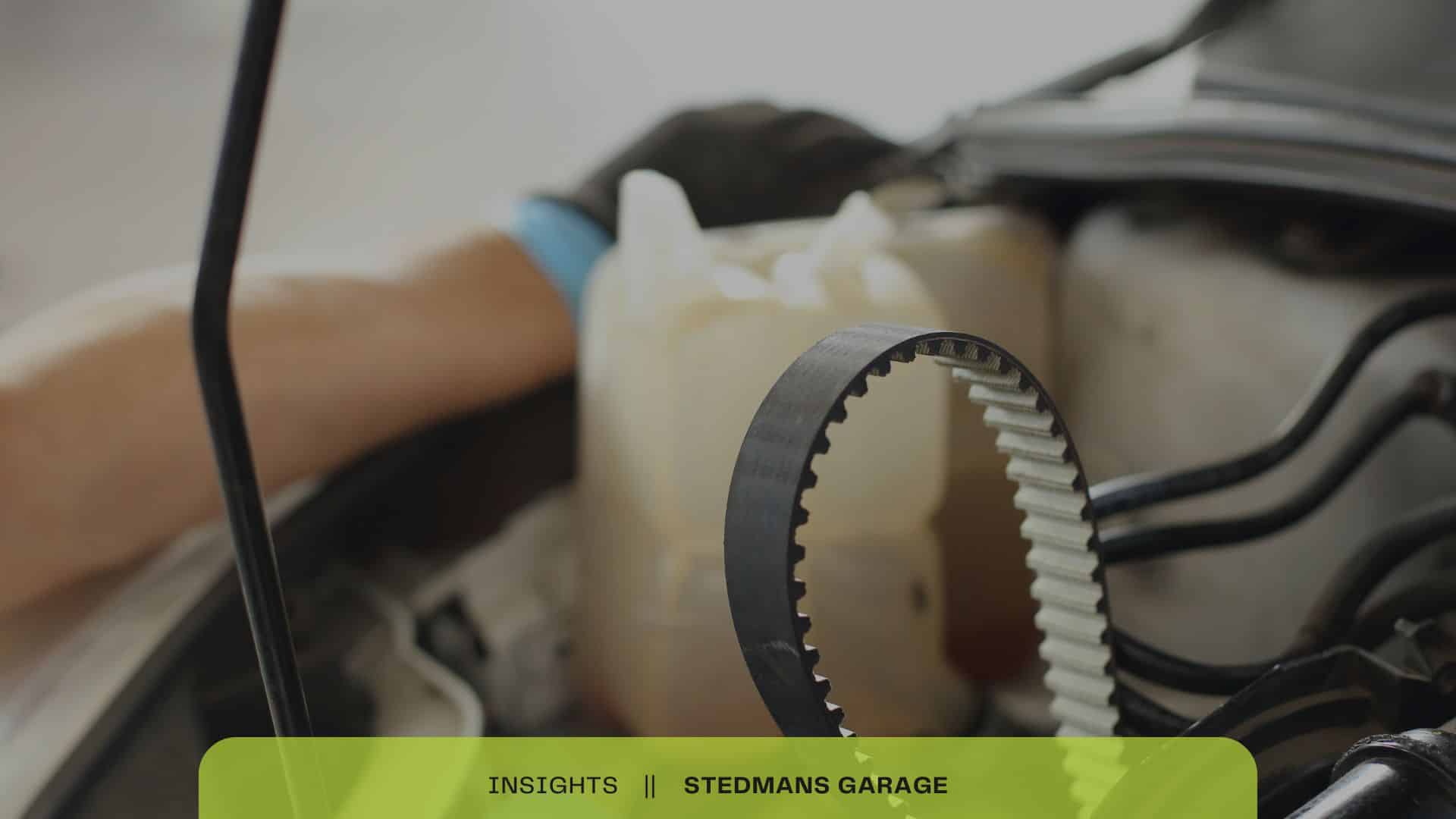
Checking for External Signs and Symptoms
The condition of your timing belt can sometimes be diagnosed through external signs and symptoms that manifest during regular vehicle operation. By keeping an eye out for these indicators, you can potentially catch problems early and schedule a timely replacement, which may prevent severe engine damage and costly repairs.
Looking for Oil Leaks near the Motor
One tell-tale sign that your timing belt might be failing is the presence of oil leaks near the motor. An oil leak in this area typically originates from the timing belt cover due to wear and tear or the presence of oil seals failing. Over time, these seals can become brittle and crack, allowing oil to seep out. This situation not only affects the timing belt but can also lead to significant engine issues if left unaddressed.
Oil leaks around the timing belt area should be promptly investigated and repaired to ensure that the belt itself remains in good condition. If oil contaminates the timing belt, it can cause the belt to weaken and deteriorate much faster than it otherwise would, leading to a potential failure.
Observing Excessive Exhaust Smoke
Excessive exhaust smoke is another external symptom that could indicate timing belt problems. Different colours of smoke suggest various issues:
- White smoke often indicates burning coolant, which could be a sign of a blown head gasket.
- Blue smoke suggests burning oil, which may mean that oil is leaking into the engine cylinders, possibly owing to an issue related to the timing belt.
- Black smoke indicates unburned fuel, which might mean that the engine is running rich.
If you observe any unusual smoke from your exhaust, it is essential to address it quickly. The presence of exhaust smoke often signifies more profound issues within your engine, and ignoring it can result in further complications.
Paying Attention to the Check Engine Light
The check engine light is a vital warning system in your vehicle, alerting you to various potential problems. This light turning on could be indicative of timing belt issues. For instance, a timing belt that is slipping or has skipped teeth may cause the engine’s timing to fall out of sync, triggering the check engine light.
Specifically, a flashing check engine light often points to a more severe problem. Many modern vehicles come equipped with sensors that detect discrepancies in the engine’s operation, such as timing issues. When these sensors pick up on irregularities, they send a signal to the car’s computer, which then illuminates the check engine light.
Whenever the check engine light comes on, it is advisable to have your vehicle inspected by a professional mechanic who can run diagnostics to identify the exact issue. Ignoring this light can compound problems, leading to more significant damage and higher repair costs.
Paying close attention to these external signs and symptoms can act as a reliable early warning system, allowing prompt action to prevent further damage to your vehicle. Regular, attentive monitoring and prompt response are crucial to maintaining optimal engine performance and longevity. Without belabouring the consequences, these signs emphasise the importance of regular maintenance and vehicle checks.
Stedmans Garage offers professional timing belt services, ensuring that issues are diagnosed early and resolved with expertise. Whether you need an inspection or a complete timing belt replacement, their experienced mechanics are equipped to handle your vehicle with care and precision.

Trust Stedmans Garage for Timing Belt Replacement
If you’ve detected any of the warning signs mentioned in previous sections, it’s time to consider professional assistance for your timing belt concerns. Ensuring the efficient operation of your vehicle’s engine is paramount and trusting experts for this critical job is advisable. Stedmans Garage offers specialised services for timing belt replacements to keep your car running smoothly.
Expertise and Precision in Timing Belt Replacement
Timing belt replacement is not just a routine maintenance task; it involves meticulous attention to details such as correct alignment, precision timing, and the use of high-quality parts.
- Certified Technicians: Stedmans Garage employs a team of trained and certified technicians who specialise in timing belt installations. Their expertise ensures that each step of the replacement process is executed with precision.
- High-Quality Parts: Using substandard parts can result in premature wear and potential engine damage. At Stedmans, only top-notch components and OEM (Original Equipment Manufacturer) parts are used, ensuring durability and compatibility with your vehicle Stedmans Garage.
Comprehensive Timing Belt Service
During a timing belt replacement, it is not just the belt that needs attention. Several related components are inspected and often replaced to guarantee the long-term health and efficiency of your engine.
- Water Pump: Since accessing the water pump often requires the same level of disassembly as reaching the timing belt, it makes practical sense to replace this component concurrently. This approach prevents potential leakage issues and ensures the engine’s cooling system remains effective.
- Tensioners and Pulleys: These components maintain the proper tension and alignment of the timing belt. Worn or misaligned tensioners can cause the belt to slip or break, leading to significant engine troubles.
Preventative Approach
Stedmans Garage adopts a preventative approach, ensuring that potential issues are addressed before they become major problems.
- Routine Inspections: Regular checks are vital for identifying early signs of wear or damage. Scheduling routine timing belt inspections can help in early detection and intervention, saving you from costly repairs in the future.
- Scheduled Maintenance: Following the manufacturer’s recommended intervals for timing belt replacement is crucial. At Stedmans Garage, technicians provide reminders and scheduling assistance to keep your vehicle’s maintenance on track.
Customer-Centred Service
The services at Stedmans Garage extend beyond technical repairs; they prioritise customer convenience and satisfaction.
- Flexible Booking: Scheduling an appointment for your timing belt replacement is easy and flexible. You can book online or call their customer service team for any assistance.
- Transparent Pricing: You will receive a clear and detailed estimate before any work begins, ensuring there are no surprises. This transparency helps build trust and keeps you informed about the necessary repairs and costs involved.
Peace of Mind
Choosing Stedmans Garage for your timing belt replacement brings peace of mind, knowing your vehicle is in the hands of trusted professionals. Regular inspections and timely replacements keep your engine running optimally and prevent significant damages. By addressing issues proactively, you ensure the longevity and reliability of your vehicle.
Maintaining your timing belt with professional care is a proactive step towards ensuring the smooth running of your engine. For expert timing belt services, consider Stedmans Garage for a trustworthy and professional experience.