
Introduction to Vehicle Diagnostics
What Vehicle Diagnostics Involve
Vehicle diagnostics is a crucial process that assists in assessing the health of your vehicle. Using advanced technology, a diagnostic test scans a car’s components and systems to identify any potential issues. Typically, these tests can cover extensive areas of the vehicle, including but not limited to the engine, transmission, ignition coils, exhaust system, oil tank, fuel injectors, throttle, coolant system, airflow, and a variety of sensors. Modern vehicles integrate complex computer networks, making it possible to extract detailed information on the status of various systems.
The Diagnostic Process
The diagnostic process is methodical and usually follows a series of steps. Initially, a verification and confirmation step is performed to ascertain that a problem indeed exists. This is followed by defining the problem, isolating affected areas, performing the necessary repair, and finally, a comprehensive check to ensure that the issue has been fully resolved These steps help ensure that no stone is left unturned in identifying and rectifying faults.
Overview of Common Reasons for Needing a Diagnostic Check
Several scenarios might prompt a need for a diagnostic check:
- Warning Lights: The most instantly noticeable sign is when a warning light appears on your dashboard. This can indicate a variety of issues from a loose gas cap to more severe engine or transmission malfunctions.
- Unusual Noises: If you begin to hear strange noises while driving, it might hint at underlying problems with the vehicle’s mechanical or electrical systems.
- Performance Issues: Experiencing sudden performance drops like stalling, reduced fuel efficiency, or misfiring can signify that the car systems are not operating optimally.
- Audible and Olfactory Changes: Detecting unusual smells or unusual sensations while driving, such as vibration or rough handling, could indicate deeper issues that are best assessed through diagnostics.
- Preventative Maintenance: Even if no apparent issue exists, routine diagnostic checks can be invaluable for early detection of problems that may not yet be evident but could lead to significant repairs if left unaddressed.
Importance of Timely Diagnostics
Timely diagnostics play a pivotal role in maintaining the vehicle’s health and performance. Neglecting early signs can lead to more serious and costly problems down the line. Moreover, regular diagnostic checks can provide peace of mind by ensuring that your vehicle remains safe and reliable.
Understanding vehicle diagnostics equips you with the knowledge to act promptly on warning signs and maintain your vehicle’s efficiency and safety. As you start recognising the critical indicators, you will better appreciate the importance of professional diagnostics in addressing these issues proactively.
Warning Sign 1: Unusual Noises
Identifying Different Types of Noises and What They Might Indicate
A car can make a variety of noises, each potentially indicating a different issue. These noises are crucial auditory clues that should not be ignored. Here’s a closer look at what different sounds might mean:
- Knocking or Pinging: A persistent knocking or pinging noise while your engine is running can indicate a problem with the combustion process. This sound is often associated with improper fuel ignition, commonly referred to as engine knock. It may signify issues with fuel quality or an engine timing problem, requiring immediate attention.
- Chugging or Rattling: A chugging sound could mean there’s a blockage in the exhaust system. A rattling sound might suggest that the wheels are out of alignment or that there is a loose exhaust system component. Both of these issues should be checked promptly to avoid further complications.
- Hissing: A hissing noise often suggests a crack in the exhaust system or a vacuum leak. This could be a sign of an overheating engine or a clogged catalytic converter. Both scenarios are critical and need immediate professional diagnostics.
- Grinding: Grinding noises, especially when braking, often indicate worn-out brake pads. Immediate inspection and likely replacement of the brake pads are necessary to avoid brake failure and ensure safety.
- Squealing: Squealing or chirping noises from under the hood usually point to issues with belts and pulleys, such as a low belt tension or a worn-out serpentine belt. The sound typically increases when you accelerate, signalling that a belt replacement might be necessary.
The Importance of Not Ignoring These Auditory Clues
Addressing strange noises early can help you avoid expensive repairs and keep your car in safe working order. Ignoring these signs can worsen the problem, leading to more extensive damage and higher repair costs. For example, a simple fix for a chugging sound could escalate into a much more complicated repair if a blockage in the exhaust system is not addressed promptly.
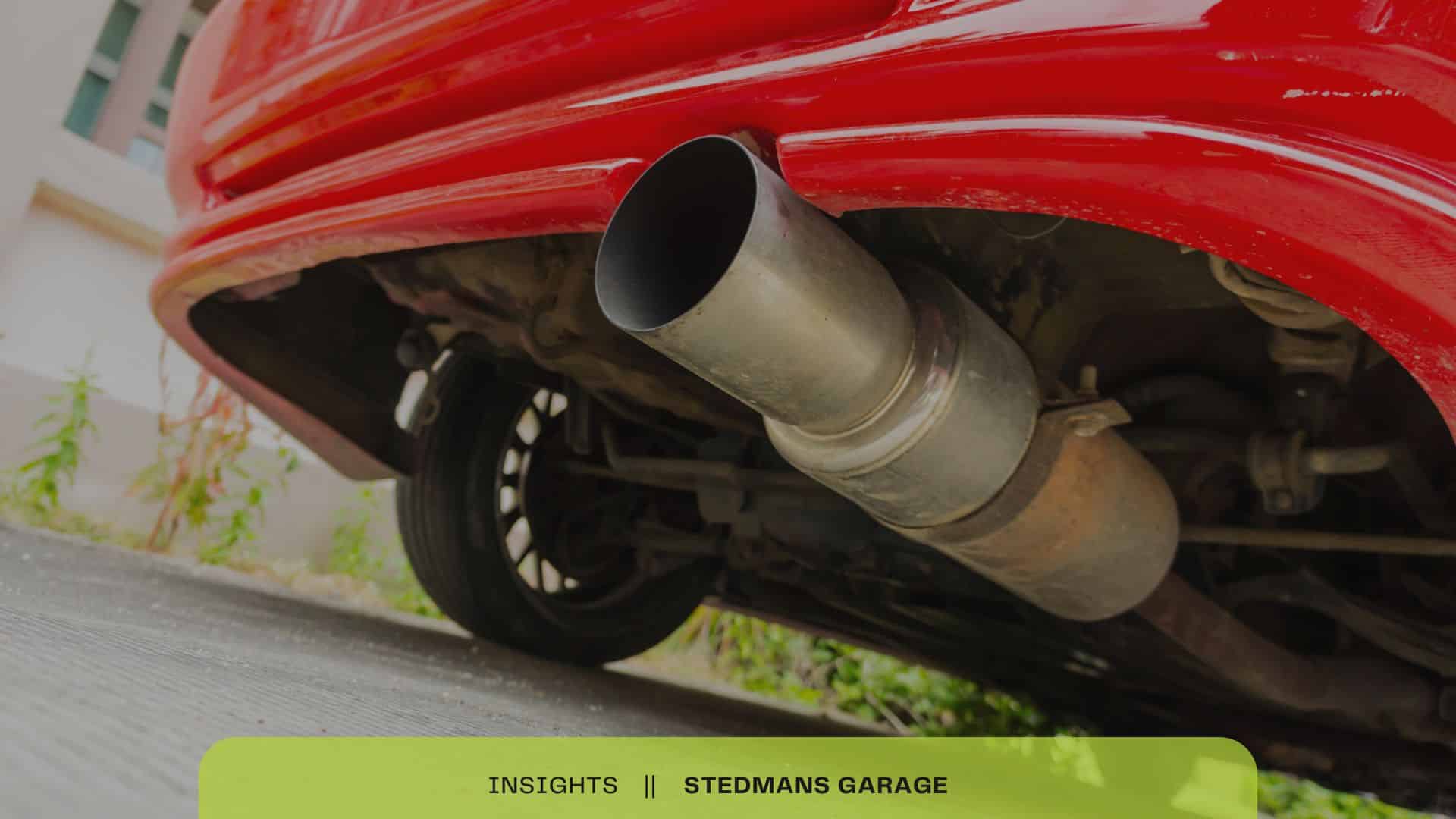
Moreover, some sounds can indicate life-threatening issues. A rumbling noise from a hole in the muffler, for instance, could allow dangerous fumes to enter the vehicle’s cabin, posing a significant safety risk. The presence of such severe risks underscores the necessity of promptly responding to any unusual car noises.
By addressing these auditory clues, you not only safeguard your vehicle’s functionality but also ensure your safety and the safety of your passengers. Regular maintenance and professional diagnostics can help you catch these issues early, enabling you to avoid more severe and costly problems down the road.
Warning Sign 2: Warning Lights on the Dashboard
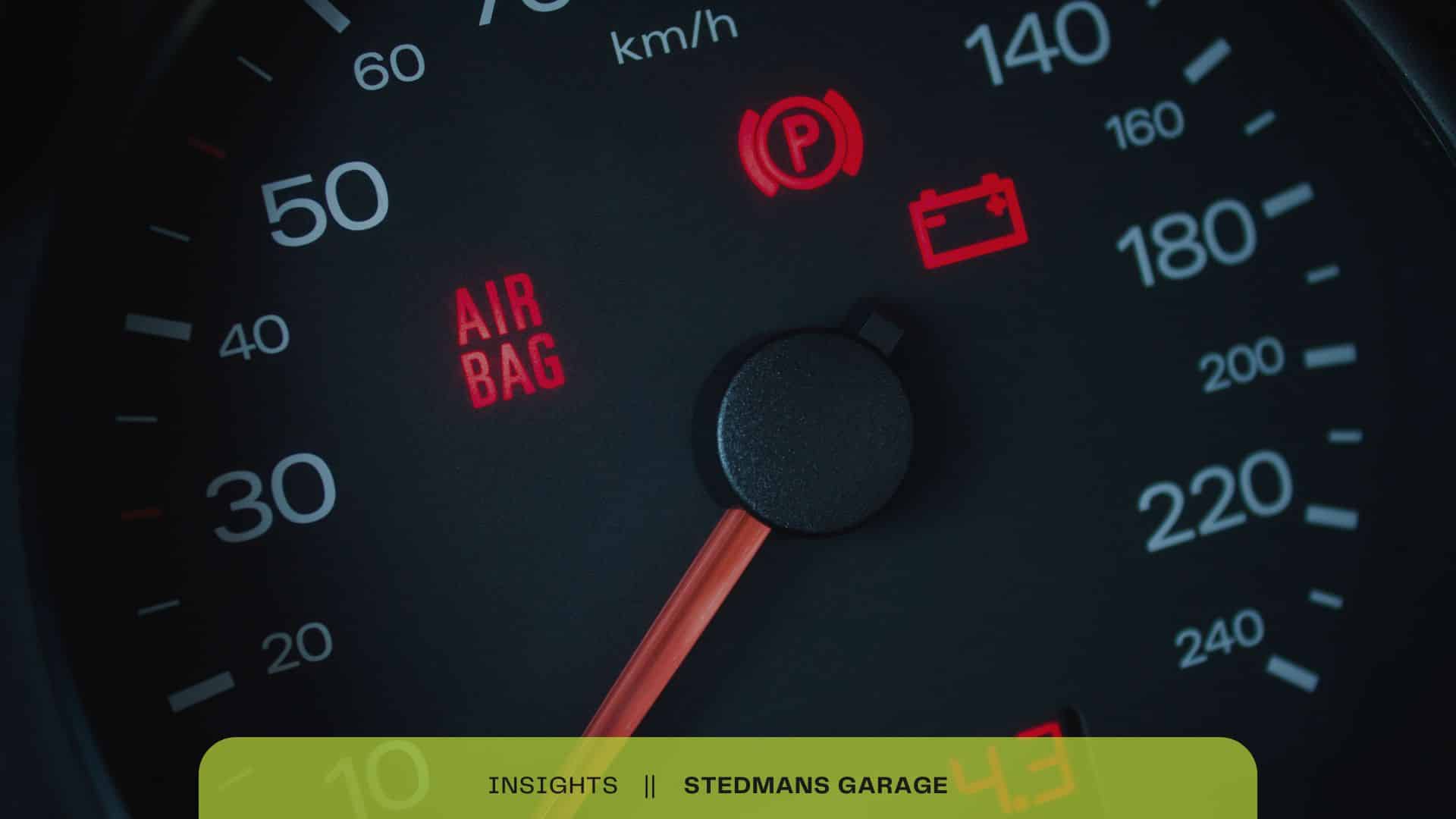
Understanding and responding to dashboard warning lights is crucial for maintaining your vehicle’s health and ensuring your safety on the road. These lights are your vehicle’s method of communicating potential issues. Ignoring them can lead to costly repairs and unsafe driving conditions.
Understanding Dashboard Warning Lights
Dashboard warning lights come in various colours and symbols, each indicating different levels of urgency. Understanding what these colours mean can help you take the appropriate action.
- Red Lights: These are the most urgent warnings. They typically mean you need to stop driving immediately and address the issue. For example, the brake system warning light indicates a potentially severe problem with your brakes.
- Yellow or Amber Lights: These suggest caution. You don’t need to stop immediately but should address the issue soon. For instance, the check engine light, which can indicate a range of engine issues from a minor sensor fault to a more serious problem.
- Green or Blue Lights: These are informational and often indicate that a particular system, such as the headlights or cruise control, is operating.
Common Dashboard Warning Lights
- Check Engine Light: This warning, which looks like an engine, can indicate a variety of issues, from a loose gas cap to more serious engine problems. It’s essential to get it checked to prevent further damage.
- Brake System Warning Light: This light, often depicted as an exclamation mark inside a circle, signals that there’s an issue with your braking system. Immediate attention is required to ensure your safety.
- Oil Pressure Warning Light: This looks like an old oil can. It indicates an issue with your engine’s oil pressure, and ignoring it could lead to severe engine damage.
- Battery Charge Warning Light: This light looks like a battery and indicates that your vehicle is running solely on battery power, which could mean a problem with the charging system.
- Tire Pressure Monitoring System (TPMS) Light: This light, which appears as an exclamation point inside a horseshoe, warns you that one or more of your tires are under-inflated.
Steps to Take When a Warning Light Comes On
- Stop Safely: If you see a red warning light, pull over as soon as it is safe. Red lights indicate serious issues that could risk your safety or cause further damage to your vehicle. For example, a red oil pressure light means your engine isn’t properly lubricated and could seize up.
- Consult Your Owner’s Manual: Always refer to your vehicle’s owner’s manual to understand the specific warning light and its implications. This can provide guidance on whether you can drive or if you need immediate assistance.
- Check Basic Systems: Sometimes, a simple check can resolve the issue. For example, a loose gas cap can trigger the check engine light. Ensure basic systems like oil levels, tire pressure, and fuel levels are as they should be.
- Seek Professional Help: If you cannot resolve the issue and the light remains on, it’s crucial to visit a professional mechanic. They can use specialised diagnostic tools to identify and fix the problem.
Addressing dashboard warning lights promptly can prevent minor issues from becoming major repairs and ensure a safer driving experience. Understanding when to take action keeps you in control and can save you from significant inconveniences and expenses.

Warning Sign 3: Performance Issues
Common Performance Problems
When it comes to vehicle diagnostics, performance issues like stalling or reduced fuel efficiency should never be overlooked. Such problems often indicate deeper mechanical faults that require timely intervention.
Engine Stalling
Stalling can happen unexpectedly and be quite alarming. One common cause is a failing alternator, which can drain the battery and cut off electrical power while driving. Another culprit could be a faulty ignition switch or ignition wiring. Also, engine vacuum leaks frequently cause poor idle and stalling issues.
Reduced Fuel Efficiency
A sudden drop in fuel mileage can indicate various underlying issues. Clogged fuel injectors, faulty oxygen sensors, or malfunctioning ignition systems can severely impact fuel efficiency. Additionally, external factors like poor tire alignment, under-inflated tires, and even driving habits contribute significantly to fuel consumption.
Deeper Problems Within the Vehicle
Performance issues can often trigger the car’s failsafe, known as “limp mode,” activated by the Engine Control Module (ECM). This mode restricts the car’s power to prevent engine damage, usually triggered by issues ranging from loose cables to failing sensors.
Identifying Root Issues
Correctly diagnosing these performance issues often requires a meticulous examination of both external and internal factors affecting the vehicle’s functionality. Internal maintenance like regular engine tune-ups can address fuel efficiency and engine smoothness, while external conditions such as road quality also play a role.
Why Timely Intervention Matters
Addressing performance issues promptly can help avoid more severe problems and potential breakdowns. A car stalled in traffic not only poses immediate risks but can also lead to more extensive repairs if not handled in a timely manner.
By keeping an eye on these signs and opting for regular diagnostics, you can ensure your vehicle runs smoothly and efficiently. Regular maintenance also extends the lifespan of the vehicle and enhances safety on the road.

Warning Sign 4: Strange Smells
Types of Smells and the Potential Issues They Indicate
Strange odours emerging from your vehicle are more than mere inconveniences. They could be warning signs of underlying mechanical problems that need prompt attention.
1. Gasoline Smell: One of the most common and alarming smells is gasoline. It often indicates an issue with the fuel system, potentially a leak, which can be hazardous. A gasoline smell could come from a dirty air filter or clogged fuel injectors, making it critical to address immediately to avoid fire risks.
2. Burning Smells: Burning odours can manifest as burnt paper, rubber, or plastic smells. If it smells like burnt paper, it might indicate the clutch is deteriorating or slipping. A plastic-like smell, often nauseating, usually suggests overheating components or items getting too close to hot engine parts. Meanwhile, burning rubber signifies potential issues with your brakes or tyres.
3. Sweet Odours: A sweet, syrup-like smell often points to a coolant leak. The antifreeze contains ethylene glycol, which produces a sweet scent. Given that the coolant system is vital for preventing your engine from overheating, ignoring this odour can lead to severe engine damage.
4. Rotten Eggs: Perhaps the most disturbing of smells is a rotten egg or sulphur-like odour. This often results from a malfunctioning catalytic converter, which needs professional diagnostics immediately. Ignoring this can lead to increased emissions and potential engine blockage.
5. Musty and Mouldy Smells: These odours typically indicate moisture buildup, often from a clogged air filter or leaks in the vehicle’s sealing systems, accumulating in the air conditioning unit. Persistent musty smells can even result from old food or moisture-laden items left in the car.
Why It’s Critical to Address These Smells Promptly
Attending these unusual car smells is not merely for comfort but for safety and vehicle longevity. Ignored smells can hint at worsening mechanical failures that could not only damage your car but also jeopardise your safety.
1. Safety Concerns: Many of these smells indicate issues, such as fuel leaks, overheating parts, or coolant leaks, that could lead to serious accidents. Addressing them promptly ensures your vehicle remains safe to drive.
2. Preventing Further Damage: Identifying and fixing the problem early on can prevent more significant damage. For instance, a small coolant leak can lead to engine overheating and, eventually, a costly engine rebuild if not managed in time.
3. Maintaining Vehicle Efficiency: Your vehicle performs best without underlying issues. Strange smells can signal decreases in performance efficiency, screaming for immediate diagnostics to keep everything running smoothly.

Warning Sign 5: Handling Changes
Unusual Handling Behaviour
Changes in how your vehicle handles can be a serious indicator that something is wrong. You might notice:
- Vibrations: When driving, if the steering wheel or the entire car vibrates, especially while braking, it may point to issues with the suspension or uneven tire wear. Vibrations could stem from problems such as misaligned wheels or faulty suspension components, impacting your control over the vehicle.
- Loose Steering: If your steering wheel feels loose and you can move it without it affecting your vehicle’s direction, this is a sign of significant wear in steering components like tie rods or a worn steering rack. A sloppy or drifting steering wheel can hinder your ability to navigate safely.
- Pulling to One Side: When your vehicle pulls to one side as you drive or brake, it may signal problems with the braking system, like a sticking brake calliper, or issues with the alignment. This pulling can make driving difficult and increase the risk of an accident.
Brake Issues
Changes in brake responsiveness are crucial aspects of handling issues:
- Soft or Spongy Brakes: If the brake pedal feels soft or spongy, it might be due to air or moisture in the braking system, or a malfunctioning master cylinder. This can severely compromise braking efficiency and necessitates prompt attention.
- Vibrations When Braking: Vibrating brakes can be caused by warped rotors or unevenly worn brake pads. This makes it harder to control your vehicle and extend your stopping distance, both dangerous conditions.
These handling issues are more than mere nuisances; they highlight underlying problems that can compromise your vehicle’s safety and performance.
Potential Safety Risks
Ignoring changes in handling can lead to severe consequences:
- Accidents: Problems like loose steering, pulling to one side, or vibrations can make your vehicle harder to control, especially during emergencies, significantly increasing the likelihood of an accident. Regular suspension and brake checks can mitigate these risks.
- Component Damage: Issues such as vibrations not only indicate immediate problems but can also lead to further damage over time. For instance, misaligned wheels can cause uneven tire wear, potentially leading to tire failure. Addressing these issues early helps to avoid costly repairs down the road.
- Tire Wear and Tear: Handling problems often affect tires directly. Uneven wear can shorten tire lifespan and degrade performance, increasing the risk of blowouts. Keeping suspension and wheel alignment in check ensures even tire wear and safer driving conditions.
Even minor changes in handling should never be dismissed. Regular vehicle inspections and professional diagnostics ensure that these issues are identified and rectified promptly, maintaining your safety and your vehicle’s longevity.
Conclusion: Taking Action on Warning Signs
Summarising the Importance of Timely Diagnostics
Automobiles are complex machines that require meticulous care to function optimally. The various warning signs discussed—unusual noises, dashboard warning lights, performance issues, strange smells, and handling changes—are all clues that signify potential underlying issues within your vehicle. Addressing these signs promptly is not just about maintaining the performance of your vehicle but also ensuring your safety on the road.
Using diagnostic tools can pinpoint issues with vital components such as the engine, brakes, and transmission, allowing for timely and effective repairs. A thorough diagnostic check uses computerised equipment to scan your vehicle’s components, identifying problems that could escalate into more severe issues if left unattended. For example, a diagnostic test can reveal problems with the engine, oil tank, or transmission, which are crucial for the vehicle’s overall functionality.
Encouraging Regular Check-ups and Professional Assessments
Regular check-ups and professional diagnostic assessments play a crucial role in enhancing the longevity and reliability of your vehicle. Automotive systems are intricate, requiring periodic scrutiny to ensure everything operates as intended. Ignoring minor issues could lead to extensive and expensive repairs down the line, turning a small problem into a severe malfunction or breakdown.
Routine check-ups by professionals offer several advantages:
- Early Detection: Identifying and addressing issues early through routine diagnostics can prevent small problems from becoming major repairs. This not only saves money but also reduces the likelihood of sudden breakdowns.
- Optimised Performance: Regular maintenance ensures that your vehicle runs smoothly. For instance, worn-out brake pads or misaligned wheels can significantly affect handling and safety. Prompt diagnostics identify these issues before they compromise your driving experience.
- Safety: Ensuring that all vehicle components—from the brake system to the engine—are in optimal condition is fundamental for safe driving. Addressing potential risks like strange smells that could indicate overheating or fluid leaks is essential to prevent accidents.
- Cost Efficiency: Regular diagnostic tests can avert costly repairs by catching problems early. Preventative maintenance tends to be far cheaper than significant repairs or replacement of damaged parts resulting from neglect.
- Longevity: Regular diagnostics not only keep your vehicle running efficiently but also extend its life. Addressing minor issues promptly ensures that the vehicle wears evenly and sustains less stress over time.
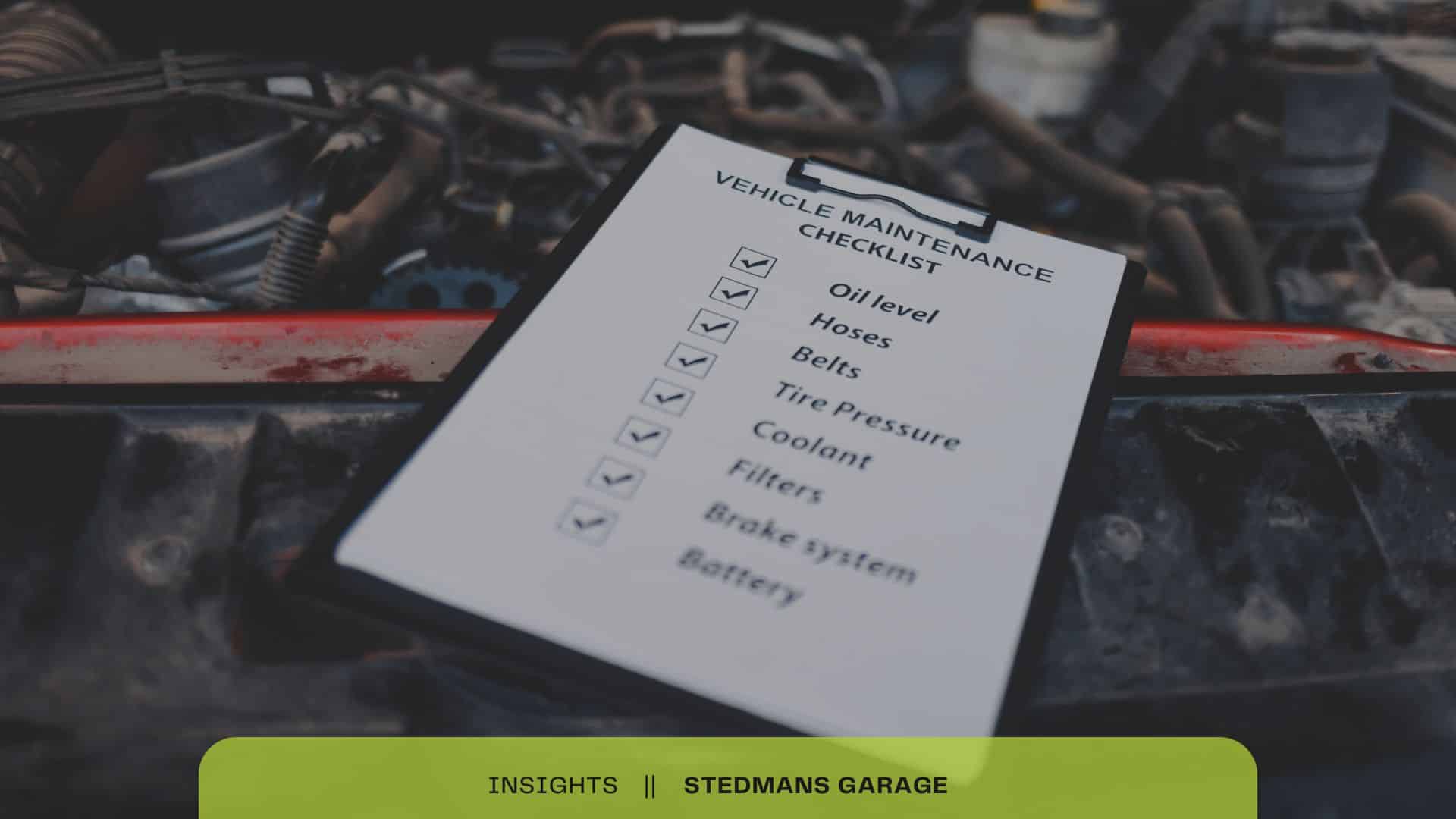
To ensure that your vehicle receives the best care, consider scheduling regular diagnostic tests with a professional service provider such as Stedmans Garage. Regular check-ups will not only help maintain the vehicle’s integrity but also provide peace of mind in knowing that your car is safe to drive. By being proactive about vehicle diagnostics, you enhance your driving experience and safeguard against unexpected failures.
Maintaining vigilance over your vehicle’s health through timely diagnostics and being attentive to warning signs can lead to a safer, more reliable, and cost-effective driving experience. Taking these steps will ensure that your vehicle performs at its best, providing you with the transportation reliability and safety you deserve.