Understanding Your EV Battery
The Importance of Maintaining Battery Health Between 20-80% Charge
Maintaining your electric vehicle (EV) battery within the 20-80% charge range is crucial for its longevity. Commonly known as the “20-80 rule,” this practice helps to reduce wear and tear on the battery cells, ensuring that the battery maintains its optimal health and performance over the long term. Keeping the charge within this range avoids extremes that can accelerate battery degradation.
How Temperature Affects Battery Performance and Range
Temperature plays a significant role in an EV battery’s efficiency, directly affecting its range. Extreme cold or hot temperatures can drastically reduce the battery’s performance. For instance, cold weather can decrease the driving range significantly due to the chemical processes slowing down within the battery. On extremely cold days, the range can be cut by up to 50%. Similarly, in hot weather, additional energy is required to cool the battery, which can lead to a decrease in the driving range.
Basic Battery Care Principles for UK Weather Conditions
The UK weather presents unique challenges for maintaining EV batteries. Here are some basic principles to ensure optimal battery performance:
- Avoid Rapid Charging: Frequent rapid charging can accelerate battery wear. Aim to use slow or regular charging when possible.
- Precondition Your EV: Utilise the preconditioning feature of your EV to optimise the battery temperature before you start driving or charging. This is especially useful in extreme temperatures.
- Park in Moderate Temperatures: Whenever possible, park your EV in a garage or shaded area to protect it from excessive heat or cold.
- Monitor Battery Health: Regularly check and monitor the battery’s health and state of charge through the EV’s diagnostic tools.
By adhering to these practices, you can prolong the lifespan of your EV battery and ensure it performs efficiently regardless of the British weather.
Smart Charging Practices
Optimal Charging Schedules and Avoiding Frequent Rapid Charging
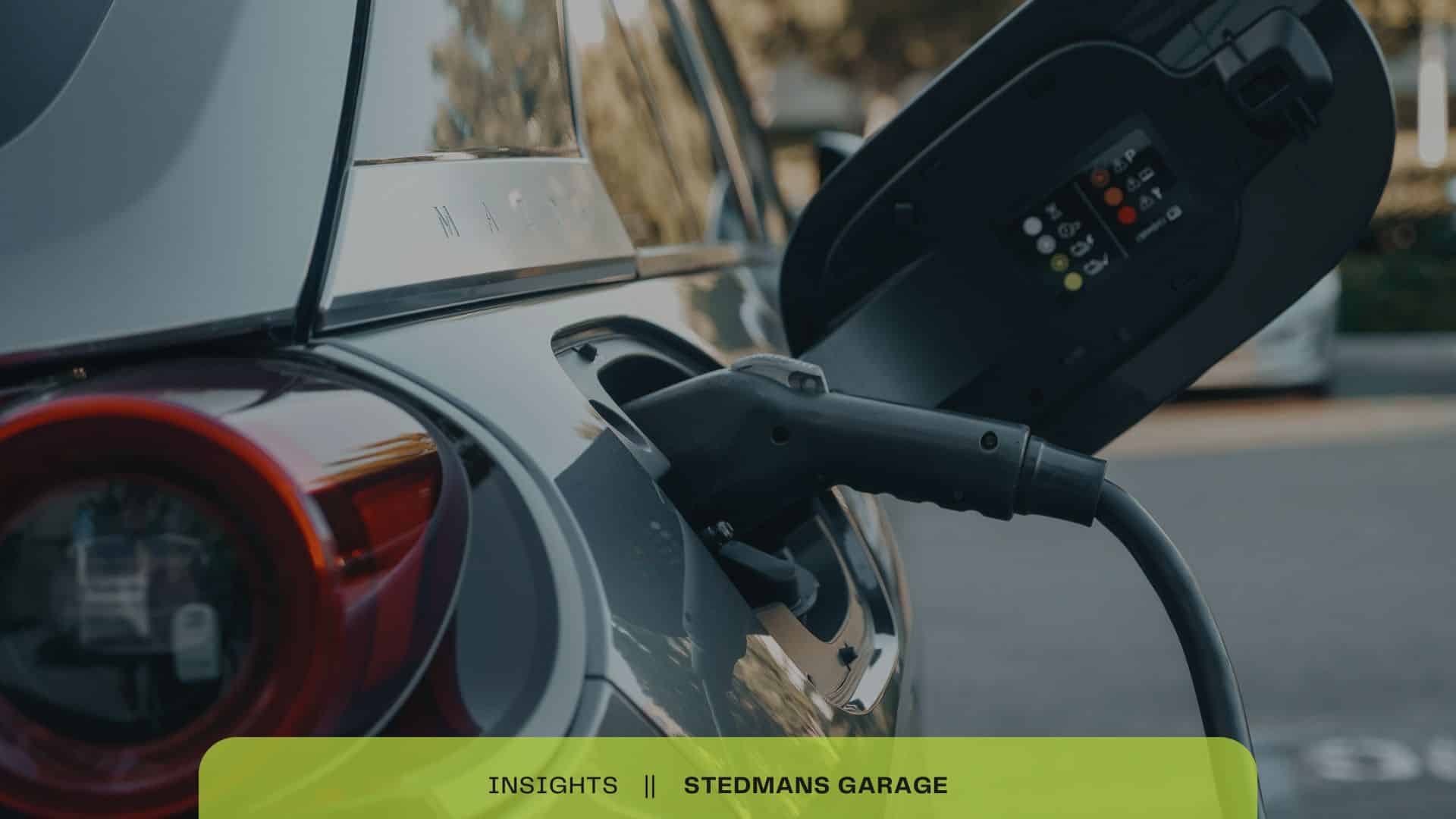
Maintaining a consistent and optimal charging schedule is critical for the longevity and health of your EV battery. One effective strategy is to charge your vehicle overnight during off-peak hours, often from late at night until early in the morning. This practice not only utilises lower electricity rates but also helps manage demand on the power grid in the UK.
While rapid charging can be convenient, frequent use of high-speed chargers can slightly accelerate battery degradation over time. It is advisable to reserve rapid charging for long trips and occasional use, and to rely on slower, regular charging for day-to-day needs.
Best Practices for Overnight Charging in British Climate
Overnight charging in the British climate requires particular attention to battery health and efficiency. Keeping your battery between 20% and 80% charge is a general rule to prevent overcharging or depleting the battery, which can damage its long-term health.
During colder months, it is beneficial to let your EV charge as soon as you get home and to start charging immediately if outdoor temperatures are low. This ensures that you commence charging when the battery and ambient temperature are warmer, which helps the battery to charge more efficiently.
Preconditioning Your Vehicle While Plugged In
Preconditioning your EV ensures that both the battery and the cabin are at an optimal temperature before you begin your journey. This can be particularly important in the winter months, as a cold battery may result in slower charging times and reduced efficiency.
When your car is plugged into a charger, preconditioning uses grid electricity instead of the battery to heat or cool the cabin and battery. This not only preserves battery life but also provides a comfortable vehicle interior at your desired departure time. Thus, preconditioning supports both battery longevity and driving comfort.
Maintaining smart charging habits will ensure not only optimal battery health but also enhanced efficiency and reliability of your EV. This is key to nurturing your vehicle’s performance and convenience in all seasons.
Regular Maintenance Checks
Monthly Tyre Pressure and Wear Inspections
Regularly checking your EV’s tyres is essential for both safety and efficiency. Electric vehicles often operate with higher tyre pressures, typically around 45 PSI, compared to conventional cars. The higher weight of EVs, due to the battery, contributes to faster tyre wear, making these checks even more critical.
It is recommended to inspect tyre pressure monthly when the tyres are cold, or at least three hours after a drive. Regularly check for uneven wear, cuts, or bulges. Maintaining the correct tyre pressure not only extends tyre life but also helps in maximising your EV’s range efficiency and handling on the road.
Checking Battery Coolant Levels and Brake Fluid
Electric vehicles require significantly fewer fluid changes than their internal combustion engine (ICE) counterparts. However, ensuring the levels of necessary fluids are within optimal ranges is crucial. The primary fluids needing regular inspection include:
- Coolant: Essential for maintaining optimal battery temperature and preventing overheating. Regular coolant checks can prevent costly repairs and maintain efficient performance.
- Brake Fluid: EVs depend on regenerative braking to a high degree, which reduces traditional brake wear. Nevertheless, brake fluid checks remain vital for maintaining braking efficiency.
Adhering to these checks monthly ensures your EV runs smoothly and safely, aligning with the manufacturer’s guidelines.
Scheduling Professional Maintenance Every 7,000 Miles
Although EVs require less frequent maintenance than ICE vehicles, regular professional inspections are essential. It is advisable to schedule professional maintenance every 7,000 miles. These inspections should focus on:
- Tire Rotation: To ensure even wear and prolong tyre life.
- Battery and Electrical Components: Regular health checks for the battery and associated electronics.
- Brake System: Inspection and servicing to maintain braking performance.
Routine professional maintenance can prevent minor issues from developing into major problems, ensuring that your EV remains in optimal condition for a longer period.
By prioritising monthly tyre inspections, regularly checking fluid levels, and adhering to the recommended professional maintenance schedule, you can ensure a smooth and efficient experience with your EV. These practices will also help in maximising range efficiency and protecting your vehicle in the long term.
Maximising Range Efficiency
Using Regenerative Braking Effectively
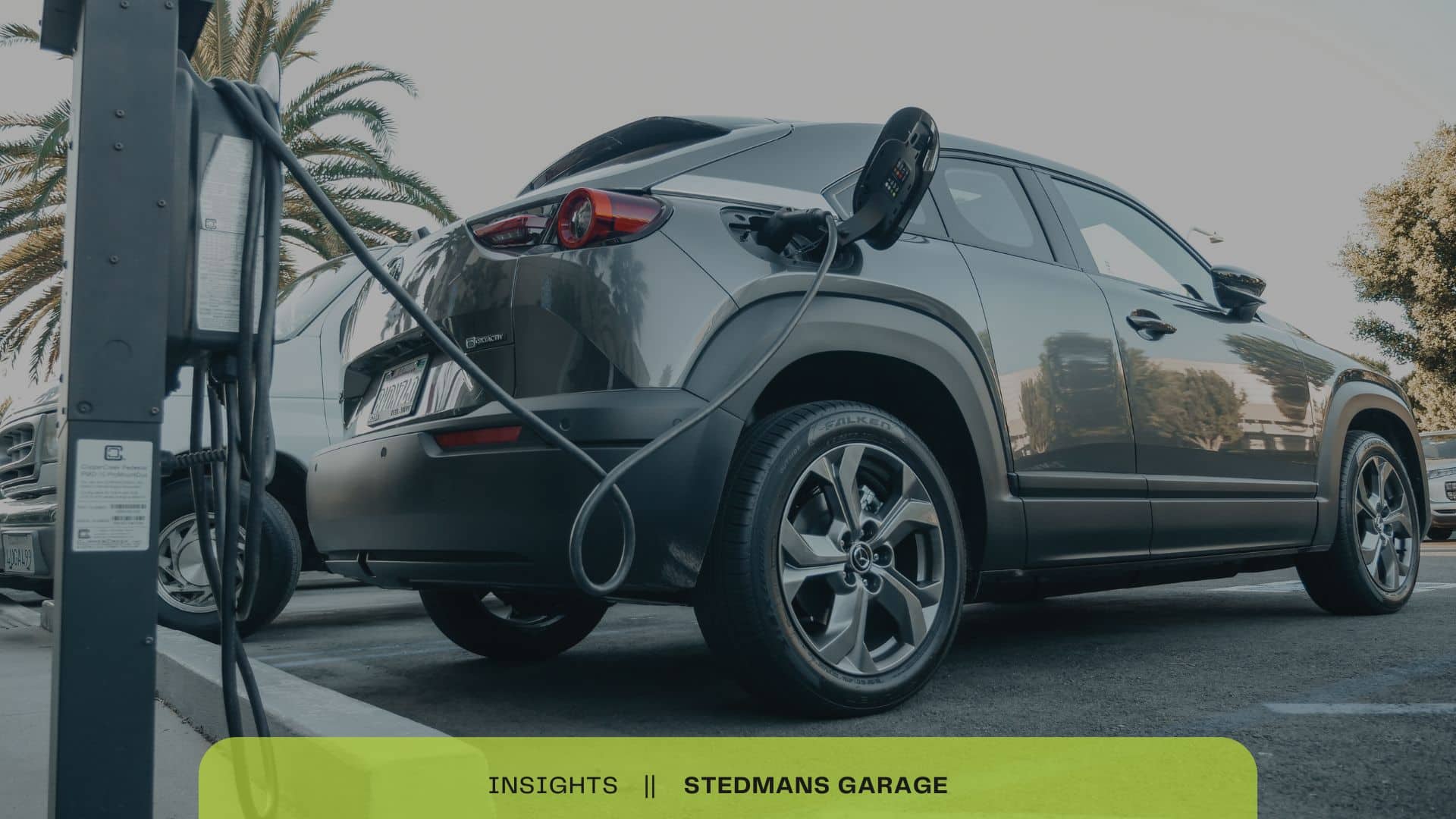
Regenerative braking is a key feature in electric vehicles (EVs) that helps convert the kinetic energy from braking into electrical energy, which is then stored in the vehicle’s battery. By utilising regenerative braking, EV owners can maximise their vehicle’s range by capturing energy that would otherwise be lost in a conventional braking system. EVs can recapture between 15-30% of their energy through regenerative braking, depending on driving conditions and usage.
To get the most out of regenerative braking:
- Anticipate stops and slow down gradually: Smooth and gradual deceleration allows the regenerative braking system to capture more energy effectively.
- Avoid using traditional brakes frequently: Whenever possible, rely on regenerative braking. This reduces wear on the brake pads and can save you on maintenance costs.
- Understand your vehicle’s regenerative braking modes: Some EVs allow you to adjust the level of regenerative braking. Use the setting that maximises energy capture based on your driving conditions.
Managing Heating and Cooling Systems Efficiently
The heating and cooling systems in your EV can significantly impact its range. Unlike internal combustion engines, EVs do not have waste heat to use for cabin heating, meaning that energy from the battery is used for both heating and cooling.
- Use the vehicle’s preconditioning feature: When plugged in, precondition your EV by setting the desired cabin temperature. This ensures that the vehicle uses energy from the charging source rather than the battery, thus preserving the range.
- Optimise climate control settings: Avoid setting extremely high or low temperatures. Moderating the temperature settings can help maintain battery efficiency.
Adjusting Driving Style for Optimal Range
How you drive significantly affects your EV’s range. Adopting a smoother, more energy-conscious driving style can lead to noticeable improvements in range efficiency.
- Drive at moderate speeds: High speeds can rapidly deplete your battery. Maintaining a steady and lower speed can help conserve energy.
- Accelerate gently: Avoid rapid acceleration to reduce energy consumption. Gradual acceleration and deceleration allow the regenerative braking system to capture energy more effectively.
- Plan your routes: Choose routes that avoid steep inclines when possible, as climbing hills can drain the battery.
By implementing these practices, you can significantly improve the range efficiency of your EV and ensure a more sustainable driving experience. Regularly embedding regenerative braking, mindful climate control, and an optimised driving style can lead to extended battery life and better overall performance.
Weather-Specific Care
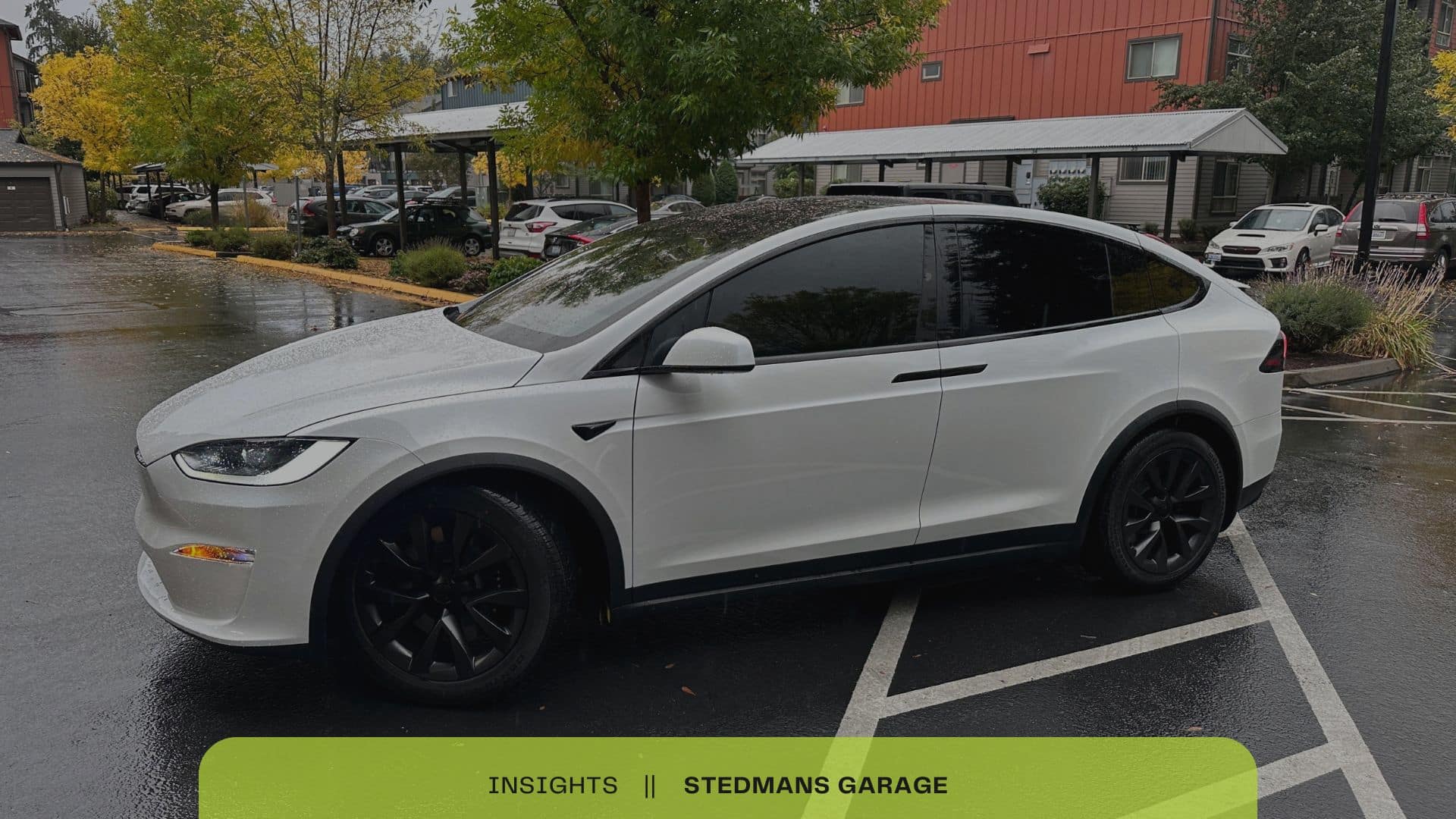
Electric vehicle (EV) owners in the UK must be vigilant in maintaining their cars during different weather conditions. This section outlines strategies to protect your EV from extreme British weather, including preparation for winter, battery management, and dealing with wet conditions and road salt exposure.
Protecting Your EV from Extreme British Weather Conditions
British weather is unpredictable. From torrential downpours to frosty mornings, your EV needs specific care to handle these conditions effectively. Always check for weather warnings before driving and be familiar with the Highway Code for adverse weather conditions. Use weatherproof covers for your charging port to prevent water, snow, or debris from entering when not in use.
Winter Preparation and Battery Management
Winter conditions pose specific challenges for EVs, primarily due to reduced battery efficiency and longer charging times as temperatures drop. Here are essential tips for winter preparation:
- Opt for Covered Parking: If available, park your EV in a garage to shield it from extreme cold.
- Precondition Your Vehicle: Warm up your car while it is still plugged in to reduce battery usage for heating while driving.
- Maintain a Safe Charge Level: Keep your battery’s charge above 20% to ensure you have enough reserve power for heating in emergencies.
- Use Seat and Steering Wheel Warmers: These consume less power than traditional cabin heaters and can help preserve range.
Dealing with Wet Weather and Road Salt Exposure
Heavy rainfall and road salt can affect your EV’s performance and longevity. Here are practical tips:
- Avoid Deep Puddles: Electric cars are safe to drive in the rain, but try avoiding large puddles to prevent water from splashing onto sensitive components.
- Rinse Off Road Salt: Road salt can be corrosive over time. Regularly wash your EV, particularly the undercarriage, to remove salt residue.
- Ensure Efficient Wiper Function: Maintain your windscreen wipers to handle the increased use during wet conditions effectively.
By adopting these practices, you can protect your EV and ensure its optimal performance despite challenging British weather conditions. Regular preparation and proactive maintenance can extend your vehicle’s lifespan and improve reliability.
Tyre Care and Safety
Choosing Appropriate Tyres for British Weather Conditions
Choosing the right tyres for the continually changing British climate is essential. All-season tyres often make the most sense for British conditions, thanks to their capability to handle both wet and cold weather effectively. These tyres provide an appropriate compromise between the characteristics of summer and winter tyres. They offer better grip on icy or snow-covered roads while maintaining good performance on warm summer days.
The legal tread depth for tyres in the UK is a minimum of 1.6mm across the central three-quarters of the tyre’s width. It is advisable to replace tyres before reaching this limit to ensure maximum safety and performance.
Rotation Schedules and Alignment Checks
Adhering to a regular tyre rotation schedule helps to ensure even wear, which is vital for maintaining handling and prolonging tyre life. Typically, tyre rotation should occur every 6,000 to 8,000 miles, although it’s important to check your vehicle’s owner’s manual.
Wheel alignment, on the other hand, doesn’t need as frequent inspection. It is essential to get a wheel alignment approximately every two to three years or if you notice your vehicle pulling to one side while driving. Proper alignment ensures that your tyres wear evenly and that your vehicle handles correctly.
Maintaining Proper Tyre Pressure for Efficiency
Maintaining the correct tyre pressure is crucial for the efficiency and safety of your EV. Underinflated tyres can lead to increased rolling resistance, which results in higher energy consumption and reduced range. Conversely, overinflated tyres can reduce traction and affect braking performance. It’s advisable to check tyre pressure once a month and before any long trips.
Properly inflated tyres ensure optimum handling, better fuel efficiency, and extended tyre life. As a rule of thumb, tyre pressures should be adjusted according to the manufacturer’s recommendations, which can often be found in the vehicle’s manual.
Interior and Exterior Maintenance
Regular Cleaning to Prevent Corrosion from Road Salt
During winter, roads across the UK are treated with road salt to prevent ice formation. While road salt is effective for road safety, it can accelerate the corrosion of your EV, particularly the undercarriage and body panels. Regular cleaning is essential to prevent this damage.
Wash your vehicle thoroughly using a high-pressure hose or car wash designed to remove salt residues. Ensure that you clean all exterior surfaces, including door jambs, wheel wells, and underbody components, to eliminate salt particles that can cause rust and corrosion over time.
A simple DIY cleaning solution of equal parts warm water and white vinegar can also help remove stubborn salt deposits.
Maintaining Windscreen Wipers and Washer Fluid
Winter weather can be particularly hard on windscreen wipers, which must contend with ice, snow, and road grime. Regularly inspect your wiper blades for wear and tear, replacing them as necessary to maintain clear visibility. Refill your washer fluid with a solution that contains de-icing chemicals, which are better suited for the colder British climate.
Checking Seals and Drainage Channels
Ensuring that your vehicle’s seals and drainage channels are intact is critical for preventing water ingress, which can lead to condensation, rust, and electrical issues in EVs. Inspect door seals, boot seals, and sunroof seals regularly. Clear any debris from drainage channels to ensure water can flow away from the vehicle’s body efficiently, thus avoiding pooling and subsequent damage.
Maintaining these aspects of your EV will not only help in prolonging the life of the vehicle but also ensure that it performs optimally in varying weather conditions.
Optimal Storage Practices
When planning to store your electric vehicle (EV) for an extended period, proper measures ensure its longevity and performance upon return. This guide provides essential tips for safely storing your EV, focusing on long-term parking, charging considerations, and storage location choices.
Best Practices for Long-Term Parking and Storage
Before parking your EV for an extended time, ensure the battery charge is set between 50% and 80%. This range helps prevent battery degradation. Most EV manufacturers recommend maintaining a moderate charge level to balance battery life and readiness upon vehicle retrieval. Deleting or disabling background processes, such as software updates and remote checks, can also help conserve battery life over extended periods.
Tyre Care: EVs are heavier than traditional vehicles, increasing the risk of flat spots on tyres during prolonged stationary periods. To mitigate this, move the vehicle periodically, or if feasible, use lifts to relieve tyre pressure. Alternatively, inflating the tyres to the maximum PSI as per the owner’s manual can help distribute the weight.
Charging Considerations During Extended Periods of Non-Use
If you plan to leave your EV parked for several weeks or months, consider whether to keep it plugged in. Maintaining a periodic charge cycle—keeping the battery around 50%—can ensure the vehicle remains operational without damaging the battery. Some manufacturers suggest leaving the EV plugged in to allow for regular top-offs and temperature management. If you choose not to leave it plugged in, a trickle charger can keep the 12V battery charged, safeguarding against potential drain issues and preserving system memory.
Garage Versus Outdoor Storage Solutions
Storing your EV indoors is preferable, as it offers protection from temperature extremes, precipitation, and direct sunlight, all of which can impact the vehicle’s exterior and battery lifespan. A garage provides optimal shelter, reducing risks associated with exposure to the elements. If garage storage is not feasible, consider a covered carport or a shaded area and use a weatherproof car cover to add a layer of protection. Outdoor storage, while often more cost-effective, exposes your vehicle to variable weather conditions that could affect its condition over time.
These practices safeguard your electric vehicle during prolonged inactivity, ensuring it remains in top condition for when you return. Understanding storage impacts helps maintain battery health and overall vehicle integrity, aiding in seamless vehicle operation.
Professional Service Guidelines
When to Seek Professional Maintenance
Keeping your electric vehicle (EV) in top condition requires regular professional maintenance. While EVs typically have fewer mechanical issues compared to conventional vehicles, certain components necessitate expert attention. Schedule professional check-ups at least every 7,000 miles. These checks should include:
- Battery and electrical system inspections
- Tyre rotations and brake system evaluations
- Cooling system checks for optimal battery performance
Professional services ensure your EV operates efficiently and safely, prolonging its lifespan and preventing costly breakdowns.
Importance of Software Updates and System Checks
With the advanced technology integrated into EVs, regular software updates and system checks are crucial. Just like your smartphone or computer, your EV’s software needs updating to maintain optimal performance and security. These updates can include:
- Enhancements to battery management systems for better efficiency
- Performance improvements to driving and safety systems
- Bug fixes and new features for a smoother driving experience
Always check your manufacturer’s recommendations and ensure updates are performed by qualified technicians to avoid potential compatibility issues.
Finding Qualified EV Technicians in the UK
Finding the right professional for your EV is vital. Look for certified EV technicians who have undergone specific training for electric vehicles. Conversion courses and certifications ensure that technicians understand the intricacies of EV systems. Resources for finding qualified professionals include:
- Manufacturer-approved service centres
- The Institute of the Motor Industry (IMI) registered technicians
- Specialist EV service providers with online reviews and ratings
Ensuring your EV is serviced by qualified professionals prevents mishaps and ensures correct diagnosis and repairs.
Future-Proofing Your EV
Ensuring your electric vehicle (EV) remains a cutting-edge, valuable asset for years to come involves focusing on several key strategies. By adhering to best practices in battery care, staying abreast of technological advancements, and maintaining rigorous upkeep routines, EV owners can significantly enhance the longevity and performance of their vehicles.
Maintaining Battery Health for Longevity
Prolonging the life of your EV battery is paramount. To do this, it is crucial to adhere to optimal charging practices. One of the essential guidelines is to keep the battery charge between 20-80%. This range prevents excessive strain on the battery, thereby enhancing its longevity. Limiting fast charging and avoiding full charges also play a significant role in reducing wear and tear on the battery.
Additionally, monitoring battery health through the vehicle’s built-in management system can provide valuable insights into its condition. Make it a habit to regularly check the battery management system (BMS) for updates on temperature, charge level, and overall health. This proactive approach ensures any issues are detected early, preventing potential long-term damage.
Keeping Up with Technological Updates and Improvements
The rapid technological advancements in the EV sector are changing the landscape of vehicle performance and efficiency. Regular software updates and system checks are critical for maintaining cutting-edge functionality in your EV. Manufacturers frequently release over-the-air updates that can improve battery management, enhance safety features, and introduce new functionalities.
Moreover, staying informed about breakthroughs in battery technology can position you advantageously. For instance, solid-state batteries are on the horizon, promising higher energy densities, quicker charge times, and increased safety compared to traditional lithium-ion batteries. Embracing these innovations when they become available can significantly future-proof your EV, ensuring it remains competitive and efficient.
Preserving Your EV’s Value Through Proper Maintenance
Routine maintenance is fundamental in preserving the value of your EV. Scheduling professional maintenance every 7,000 miles is advisable to check critical systems such as the battery, electrical components, and cooling systems. Additionally, regular inspections of your EV’s fluids and a diligent rotation of tyres every 6,000-8,000 miles will keep the vehicle in peak condition.
It is also important to address cosmetic and functional aspects. Regularly cleaning the vehicle, particularly during winter, prevents salt corrosion and maintains the exterior’s integrity. Ensure the windscreen wipers and washer fluid are adequately maintained for clear visibility and safety.
By adhering to these guidelines, your EV can offer reliable, efficient performance for many years. Through conscious practices, embracing new technologies, and consistent maintenance, your EV investment not only remains secure but also continues to deliver exceptional performance.