Introduction to EV Charging Connectors
Overview of the Main Charging Connector Types Used in the UK
Electric vehicle (EV) charging infrastructure has various connector types, each with unique specifications and compatibility standards. The most prevalent connectors in the UK are Type 2 (Mennekes), CCS (Combined Charging System), and CHAdeMO. These connectors support both AC and DC charging to cater to different EV models and charging needs.
- Type 2 (Mennekes): The standard AC charging connector used by most EVs in Europe and the UK.
- CCS (Combined Charging System): An advanced hybrid connector that combines Type 2 AC and two DC pins for fast charging.
- CHAdeMO: Primarily used for DC fast charging, designed by Japanese automakers.
Importance of Understanding Different Connector Standards
Understanding these connector standards is crucial for EV owners to ensure compatibility and efficient charging. Each vehicle model may support different connector types, so recognising the right one is essential for hassle-free charging and optimal performance. This knowledge helps in planning charging stops, especially during long trips.
Brief Explanation of AC and DC Charging Basics
AC (Alternating Current) and DC (Direct Current) are two types of electric current used for charging EVs:
- AC Charging: This is the more common type for home and workplace charging. The AC power from the grid is converted to DC within the vehicle’s onboard charger. AC charging speeds can range from slow (up to 3.7 kW) to fast (22 kW).
- DC Charging: Known for rapid charging, DC power is directly supplied to the battery, bypassing the vehicle’s onboard converter. This type is used at public fast-charging stations and can deliver much higher power (from 50 kW to 350 kW), significantly reducing charge times.
Recognising these basics ensures EV owners can make informed decisions regarding their charging needs and understand why certain chargers are more suitable for specific scenarios.
The appropriate choice between these connectors depends on the vehicle’s compatibility, the available charging infrastructure, and the need for speed during charging.
Type 2 Connectors: The European Standard
Connector Design and Pin Configuration
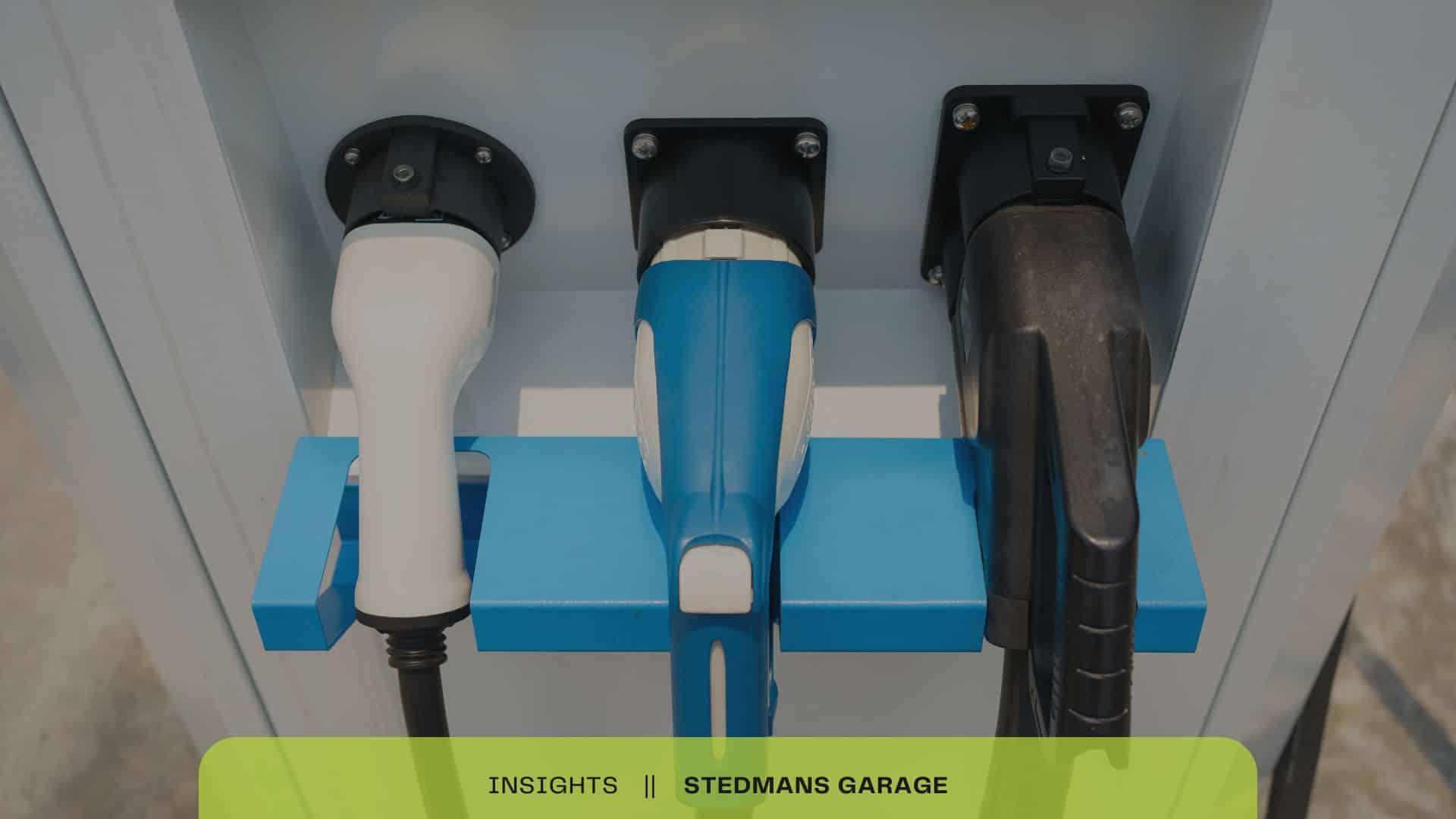
The Type 2 connector, also known as the Mennekes connector, features a round design with seven pins. These pins include:
- Two smaller pins for communication between the vehicle and the charging station.
- Two pins designated for direct current (DC) charging.
- Three pins for alternating current (AC) charging.
This pin configuration ensures compatibility with a wide range of charging infrastructures and allows for safe and efficient charging operations at varying power levels.
Compatibility with European Vehicles
Type 2 connectors are the standard for AC charging in Europe, and are used by all current European electric vehicles (EVs). This extensive compatibility means EV owners in the UK and across Europe can rely on Type 2 connectors when charging their vehicles at home or at public stations. This standardisation also simplifies the deployment of charging infrastructure, as public chargers only need to support the single, widely-accepted Type 2 format for AC connections.
Charging Speeds and Power Capabilities
Type 2 connectors support a range of charging speeds, which are primarily influenced by the capacity of the EV’s onboard charger and the power output of the charging station. Typical charging speeds include:
- Slow charging: Up to 3.7 kW, suitable for overnight or extended home charging sessions.
- Fast charging: Up to 22 kW, typically available at public charging stations and suitable for quicker top-ups during the day.
For rapid charging needs, the CCS (Combined Charging System) connector expands on the Type 2 design and facilitates DC fast charging capabilities.
With its robustness, flexibility, and wide adoption, the Type 2 connector stands as a linchpin in the European EV charging landscape. This standardisation streamlines the user experience and enables efficient charging practices essential for the growth of electric mobility.
CCS (Combined Charging System): The Modern Solution
How CCS builds upon Type 2 connector design for rapid DC charging
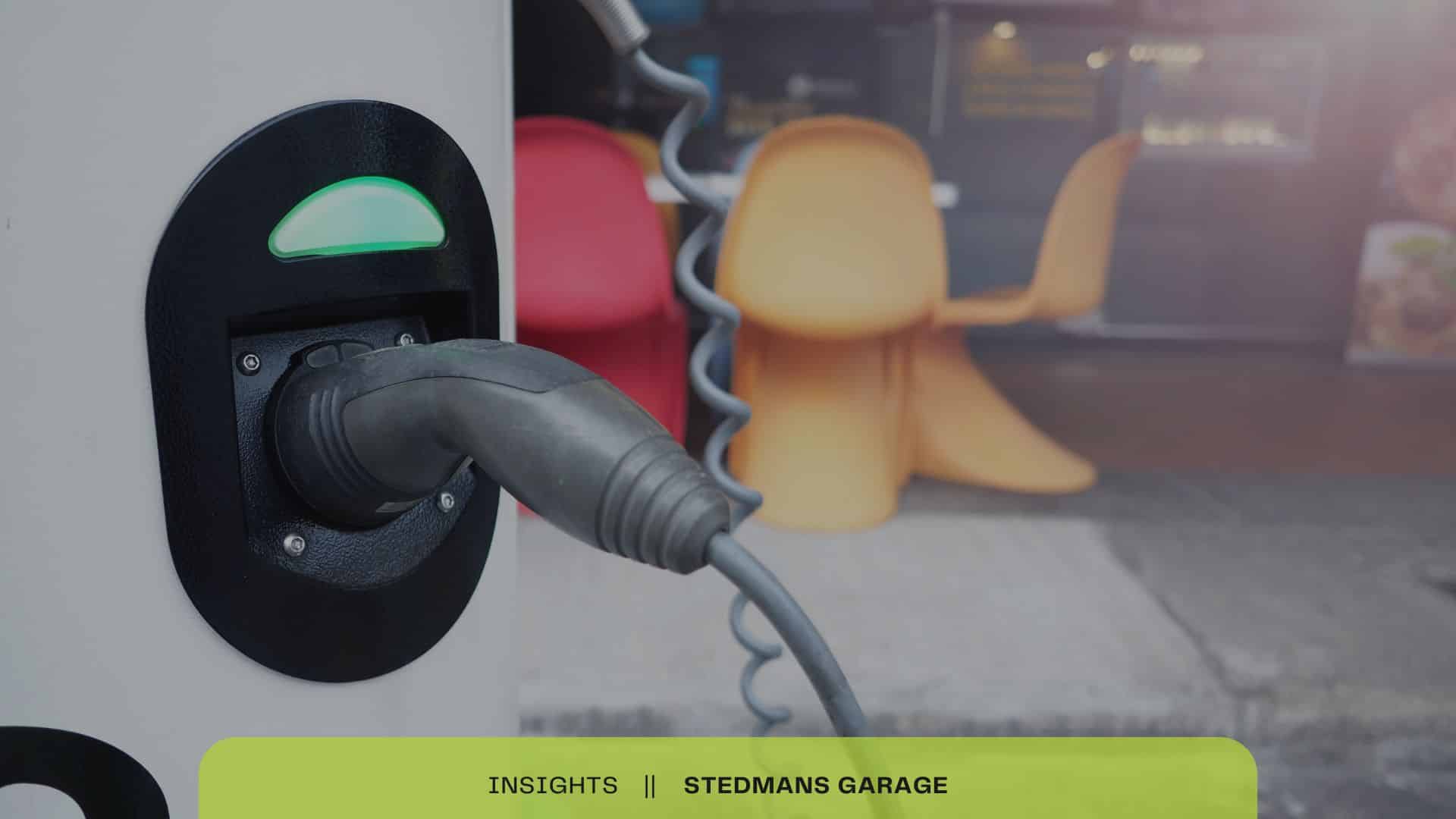
The Combined Charging System (CCS) represents an evolution of the Type 2 connector, designed to facilitate both AC and rapid DC charging. By integrating additional DC contacts to the existing AC connectors, CCS effectively combines the functionality of AC and DC charging within a single system. This means that electric vehicles (EVs) with a CCS connector can leverage the widespread Type 2 AC infrastructure for regular or overnight charging, while also utilising high-power DC fast chargers for rapid top-ups during long-distance travel.
Advantages of having a single inlet for both AC and DC charging
One of the primary advantages of CCS is its versatility offered by having a single inlet that supports both AC and DC charging. This design simplifies the vehicle’s charging interface, reduces the need for multiple ports, and enhances the user experience. With CCS, drivers can use the same charging inlet for both slow, regular charging at home and fast, high-power charging on the road. This dual capability is particularly beneficial in regions with diverse charging infrastructure, ensuring compatibility and convenience wherever the driver may be.
Charging speeds and power capabilities of CCS systems
Charging speeds with CCS systems can vary significantly based on the power capabilities of the charging station and the EV’s charging capacity. CCS connectors can offer charging power capabilities ranging from 50 kW to as much as 350 kW, and in some cases even reaching 500 kW. This high power enables rapid charging, which can add substantial range in a short amount of time. For instance, a typical 350 kW CCS charger can recharge a compatible vehicle’s battery from 10% to 80% in about 20-30 minutes.
Given its ability to support both AC and high-power DC charging, CCS has garnered broad industry adoption. Prominent automotive manufacturers such as BMW, Daimler, Volkswagen Group, and Tesla, among others, support CCS in their electric models. This widespread acceptance underscores the system’s importance in the growing EV market and aids in the transition towards more consistent charging standards globally.
The CCS’s flexibility and impressive power delivery capabilities make it a future-proof solution in the realm of EV charging. As the technology and infrastructure further expand, CCS will continue to play a critical role in supporting the rapid adoption of electric vehicles and in mitigating concerns over charging times during long journeys.
CHAdeMO: The Alternative Standard
Origins and Current Usage in the UK Market
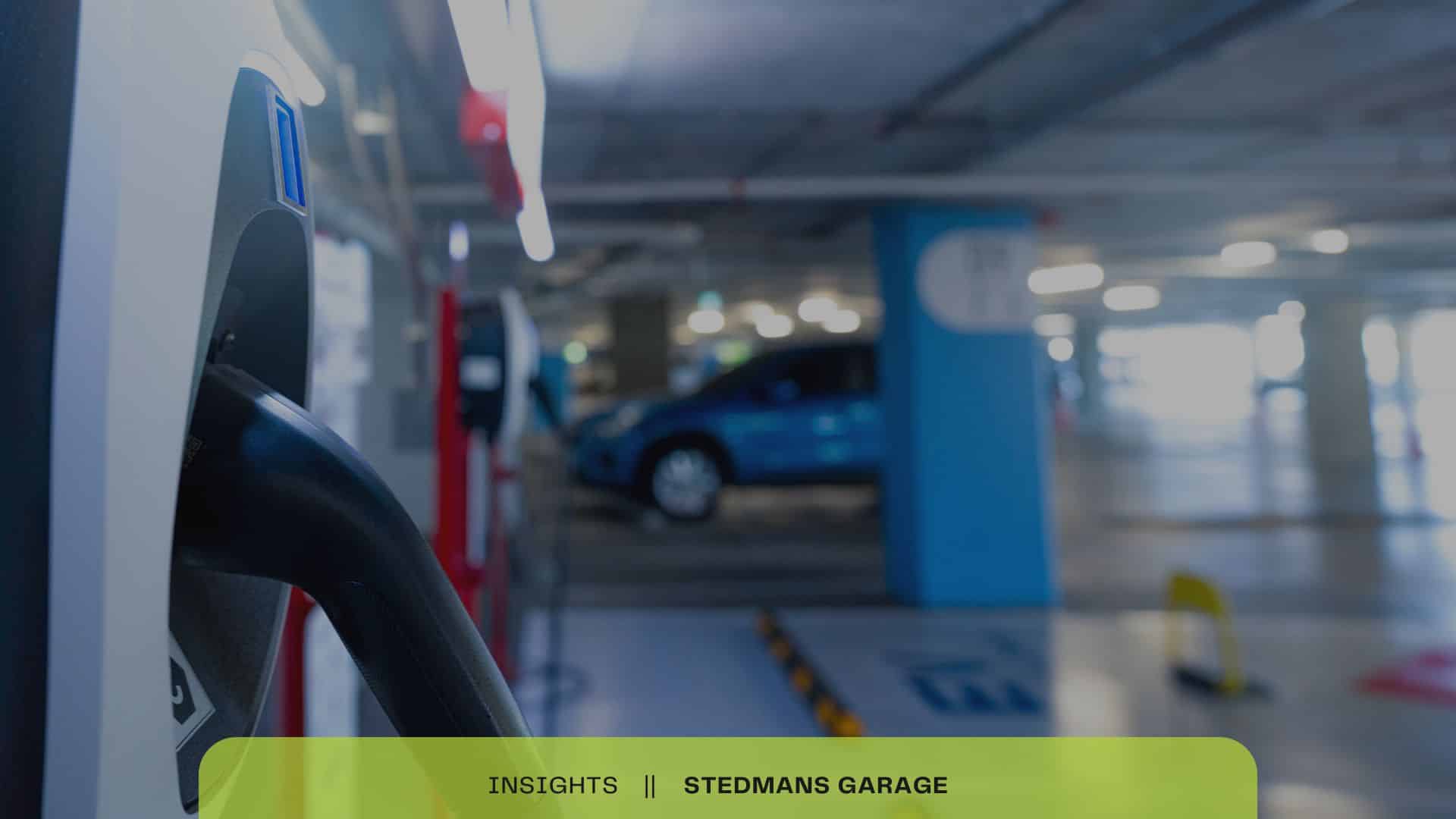
CHAdeMO, short for “Charge de Move,” was developed in Japan by the Tokyo Electric Power Company, Nissan, Mitsubishi, and Fuji Heavy Industries. It was one of the first protocols to support fast DC charging, which made it popular for early electric vehicles (EVs). In the UK, CHAdeMO has had a significant presence, being supported by early models like the Nissan Leaf and Mitsubishi Outlander PHEV.
Initially, CHAdeMO chargers were widely deployed across the UK, reflecting the popularity of Japanese EVs that utilised this connector. The CHAdeMO system is known for its robust design, supporting up to 500 volts DC and up to 200 amps, allowing for rapid charging. This made it an appealing choice for electric vehicles requiring a quick charge.
Compatible Vehicles and Charging Capabilities
Several vehicles on the UK market continue to support CHAdeMO connectors. Some of these models include:
- Toyota Prius Plug-In
- Citroen C-Zero
- Nissan Leaf
- Mitsubishi Outlander PHEV
- Nissan e-NV200
- Kia Soul EV Mk1
- Citroen Berlingo Electric Mk1
- Tesla Model S (with an adapter fitted)
The CHAdeMO standard can deliver significant power for rapid charging, often providing 80% charge in approximately 30 minutes, depending on the battery capacity and initial state of charge.
Future Outlook and Gradual Phase-Out Considerations
Despite its early popularity, the future of CHAdeMO in the UK is increasingly uncertain. The rise of the CCS (Combined Charging System) standard has led to a decline in the installation of new CHAdeMO chargers. By the end of 2023, it is estimated that only 136 CHAdeMO chargers will remain in the UK, with some being phased out or replaced by CCS-compatible units.
Additionally, the rise of vehicle-to-grid (V2G) technology has highlighted limitations of CHAdeMO. While CHAdeMO supports V2G, challenges such as high hardware costs and limited vehicle compatibility have impeded its broader adoption.
As the UK’s EV market continues to grow and evolve, understanding these charging standards and their implications remains crucial for prospective EV buyers and current owners.
Comparing Connector Standards
Key Differences between CCS, CHAdeMO, and Type 2 Connectors
Charging electric vehicles (EVs) necessitates understanding the various connector standards: CCS, CHAdeMO, and Type 2. Each offers unique features catering to different requirements and regions.
CCS: Combined Charging System
CCS (Combined Charging System) connectors combine AC and DC charging in one inlet. Developed in Europe, CCS connectors build on the Type 2 design by adding two additional pins for DC charging. This hybrid connection supports both slow AC charging for everyday use and rapid DC charging for long-distance travel, offering flexibility and high compatibility with European and North American infrastructures.
CHAdeMO
CHAdeMO, originating from Japan, stands out as an early DC fast-charging standard. Known for its distinctive nine-pin design, it supports high-power DC charging up to 400 kW. However, the need for a separate AC charging inlet can be seen as a limitation. CHAdeMO has limited adoption outside Asia, but it remains supported by various Japanese auto manufacturers like Nissan and Mitsubishi.
Type 2: The European Standard
Type 2 connectors, or Mennekes, are the standard for AC charging in Europe. This seven-pin design is widely used for residential and public AC charging, allowing for power delivery up to 22 kW. Type 2 connectors serve as the basis for CCS connectors, making compatibility easier within regions adhering to European standards.
Charging Speeds and Compatibility Considerations
Each connector type supports varying charging speeds and is compatible with different sets of vehicles and infrastructure.
- CCS Charging Speeds: CCS offers fast DC charging capabilities ranging from 50 kW to 350 kW, and even up to 500 kW, catering to a broader spectrum of electric vehicle models and supporting faster charging, typically within 30 minutes.
- CHAdeMO Charging Speeds: CHAdeMO initially supported up to 62.5 kW but newer versions can achieve up to 400 kW, suitable for rapid charging networks prevalent mainly in Japan.
- Type 2 Charging Speeds: This type supports AC charging up to 22 kW, which is sufficient for home and public AC charging with longer charge times compared to DC systems.
Pros and Cons of Each Connector Type
- CCS: Combines AC and DC in one connector, making it versatile. Its higher power capacity ensures faster charging. The main drawback is the initially higher setup costs and potential compatibility issues with older vehicles.
- CHAdeMO: Known for robust rapid DC charging and early bidirectional charging capabilities aiming at vehicle-to-grid (V2G) technology. However, requiring dual inlets for AC and DC can be cumbersome, and its limited compatibility outside Japan is a significant disadvantage.
- Type 2: Provides reliable and widely used AC charging, suitable for most European vehicles. Though it lacks rapid DC charging capabilities, its integration into everyday infrastructure makes it essential for European EV users.
Understanding these connector standards, their specific features, and their best use cases helps to inform EV owners’ choices and plans, facilitating optimal charging strategies and vehicle compatibility. As the EV landscape evolves, these connectors will play pivotal roles in shaping user experiences and infrastructure developments.
Practical Considerations for UK EV Owners
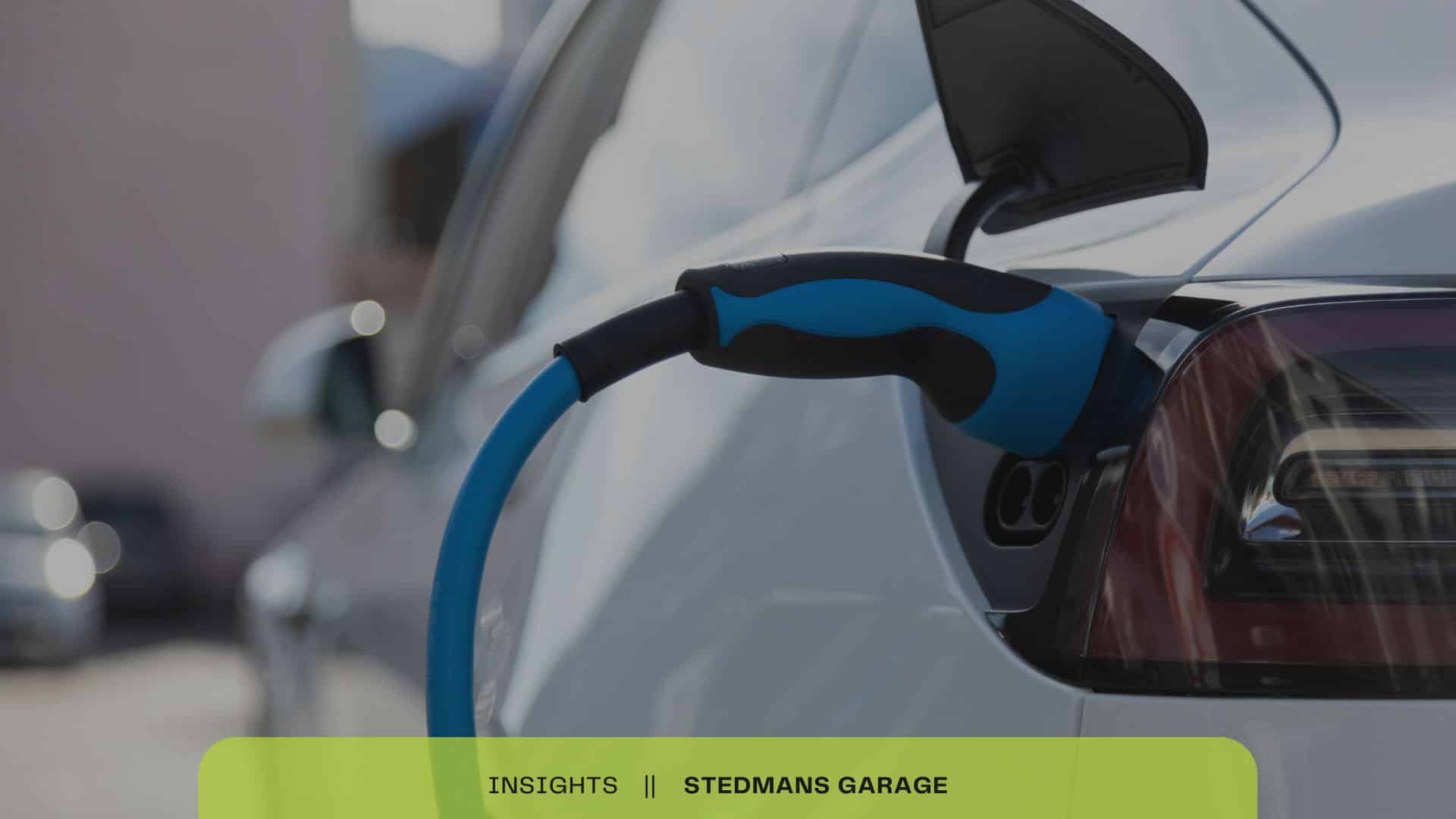
Understanding the practical aspects of electric vehicle (EV) ownership in the UK is crucial for a smooth and efficient driving experience. This includes identifying the correct connector type for your vehicle, knowing the availability of different connector types at charging stations, and planning long-distance travel while considering your EV’s charging requirements.
Identifying Your EV’s Connector Type
The first step for an EV owner is to identify the type of charging connector their vehicle uses. In the UK, the most common connectors include Type 2, CCS (Combined Charging System), and CHAdeMO.
- Type 2 Connectors
Most modern EVs sold in the UK and Europe are equipped with Type 2 sockets for AC charging. This includes popular models like the Renault Zoe and BMW i3. For older vehicles that may use Type 1 sockets, adapters are usually available to make them compatible with Type 2 chargers. - CCS Connectors
CCS connectors, which combine AC and DC charging capabilities, are increasingly standard on newer EVs. Vehicles like the Jaguar I-PACE, Audi e-tron, and many others use CCS for both rapid (DC) and slow or fast (AC) charging. - CHAdeMO Connectors
Although CHAdeMO connectors are becoming less common, some vehicles like the Nissan Leaf and the Mitsubishi Outlander PHEV still use this standard for DC fast charging.
For precise information, always refer to your vehicle’s manual to determine the compatible connector types.
Availability at UK Charging Stations
Understanding the availability of different connector types at charging stations can save you a lot of time and frustration.
- Type 2 Connectors are widely available at most public charging stations across the UK, making them ideal for regular slow to fast AC charging.
- CCS Connectors are predominantly found at rapid and ultra-rapid charging stations. These are primarily located along motorways and major service stations, making them suitable for long-distance travel.
- CHAdeMO Connectors are becoming less common with the rise of CCS. However, they are still available at many rapid charging stations, especially those supporting older EV models.
Planning for Long-Distance Travel
Planning long journeys in an EV requires a bit more forethought than traditional fuel-powered vehicles. Here are some considerations:
- Route Planning
Use EV-specific route planning tools, such as apps or in-vehicle navigation systems, to find charging stations along your route. These tools can help you plan stops at convenient locations and ensure you never run out of charge. - Charging Networks
Familiarise yourself with the major charging networks in the UK, such as BP Pulse, Ionity, and Shell Recharge. Each network may have different connector types available, so knowing which ones support your vehicle can streamline your trip. - Backup Plan
Always have a backup charging option identified in case your primary stop is unavailable or crowded. This can include knowing locations with standard electrical outlets for Level 1 charging in emergencies.
By understanding your vehicle’s specific charging needs and planning accordingly, you can make your EV driving experience as seamless and enjoyable as possible, minimising the risks of running low on power or needing extensive downtime during trips.
Understanding these practical aspects will better prepare you for dealing with the current EV infrastructure and its ongoing developments.
Future of EV Charging Standards
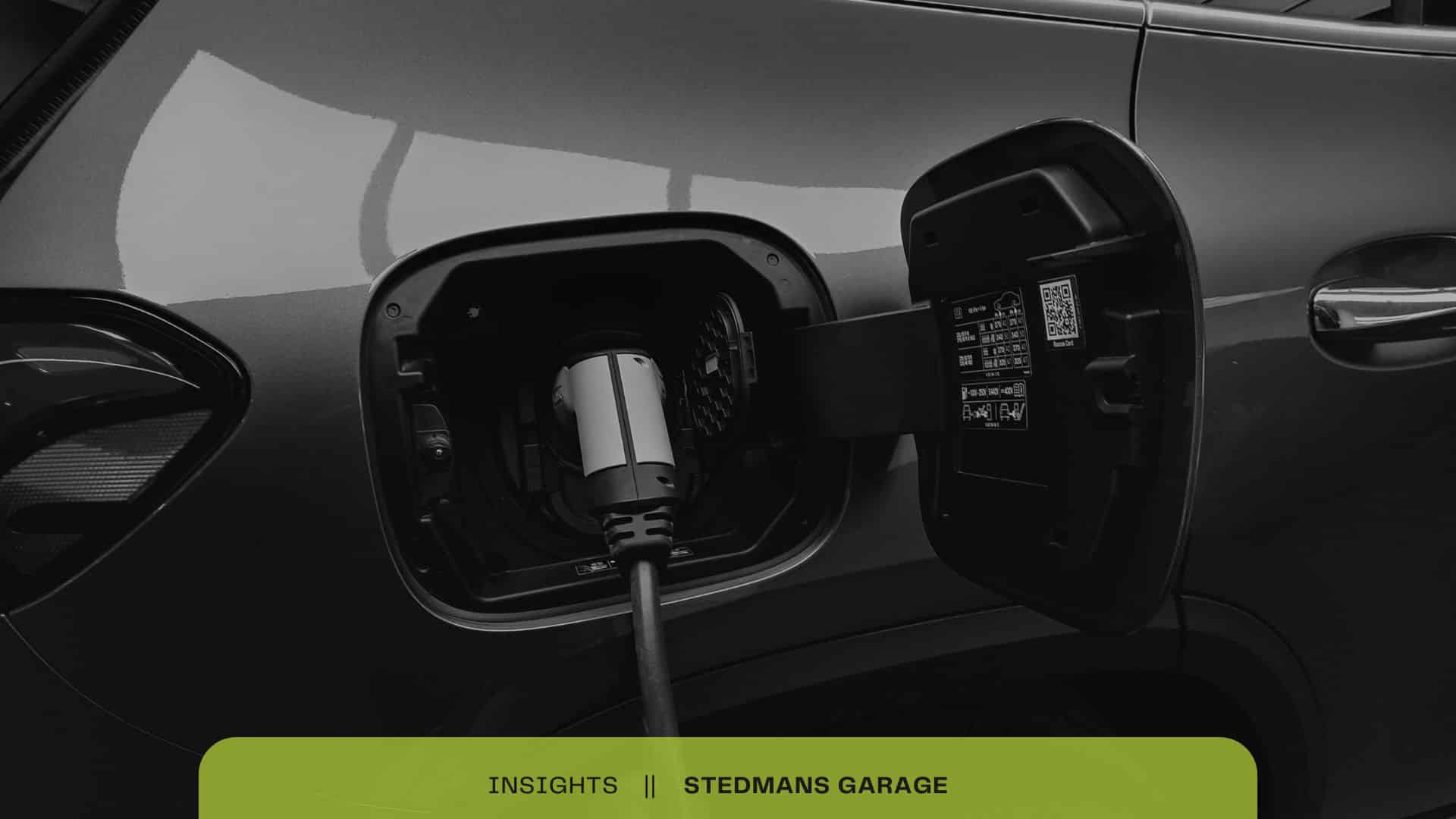
The future of EV charging standards in the UK and Europe is guided by trends in standardisation, technological advancements, and the implications for vehicle purchases and infrastructure.
Current Trends in Connector Standardisation Across Europe
Europe has taken significant steps towards standardising EV connectors to streamline charging processes and enhance interoperability. The Type 2 connector is the standard for AC charging, extensively used across public and private charging stations. For DC fast charging, the Combined Charging System (CCS) has been firmly established, blending the Type 2 connector with additional high-speed charging pins.
IEC standards such as EC 61851 for safety and IEC 62196 for connectors ensure a unified framework, while ISO 15118 introduces vehicle-to-grid (V2G) capabilities and plug-and-charge convenience. Legislation in the EU has further accelerated connector standardisation, improving user experience and market adoption.
Potential Developments in Charging Technology
Looking ahead, several exciting technologies are poised to revolutionise EV charging. Key innovations include:
- Wireless Charging: Using electromagnetic fields, wireless charging eliminates the need for physical cables. This technology allows EVs to charge while parked and, in the future, even while driving.
- Vehicle-to-Grid (V2G): V2G enables bidirectional energy flow, allowing EVs to supply power back to the grid. This helps stabilise the grid and optimise the use of renewable energy sources.
- Plug-and-Charge: Simplifying the charging process, plug-and-charge technology ties billing information to the vehicle, enabling seamless authentication and payment when the EV is plugged in.
- Smart Energy Management: Advanced energy management systems dynamically balance loads and improve efficiency across charging networks, facilitating greater energy capacity and mitigating grid stress.
Implications for Future EV Purchases and Infrastructure
The ongoing standardisation and technological advancements have several implications:
- Informed Vehicle Purchases: Buyers need to consider compatibility with emerging charging technologies and standards. Vehicles supporting CCS and plug-and-charge functionalities will likely offer more flexibility and convenience.
- Infrastructure Investment: Public and private stakeholders must invest in advanced charging infrastructure to support varied charging methods, including fast, wireless, and V2G. This will require significant upgrades to existing facilities and strategic planning to meet future demands.
- Market Growth: As charging technologies evolve, the market for EVs is expected to grow substantially, with increasing vehicle sales and expanding public charging networks.
Although challenges remain, the rise of standardised connectors, coupled with innovative charging technologies, sets the stage for a more integrated and efficient EV charging ecosystem. This progress will enable smoother, faster, and more convenient charging solutions, ultimately supporting the broader adoption of electric vehicles.