Understanding Your Evoque’s Turbocharger
Overview of the 2.0-Litre Turbocharged Engine in Range Rover Evoque
The Range Rover Evoque is equipped with a robust and efficient 2.0-litre turbocharged engine, a hallmark of modern automotive engineering. This engine combines performance and refinement, offering a blend of power and fuel efficiency that enhances the driving experience. The 2.0-litre engine’s design focuses on delivering substantial power output while maintaining optimal fuel economy, making it a suitable choice for both city driving and off-road adventures.
How the Turbocharger Enhances Engine Performance and Efficiency
The turbocharger in the Range Rover Evoque plays a crucial role in amplifying engine performance and efficiency. It works by forcing more air into the engine’s combustion chamber, allowing more fuel to be burned and increasing power output. Turbochargers make engines more efficient by utilising otherwise wasted exhaust gases to compress the incoming air.
This process leads to a significant boost in horsepower and torque, which translates to better acceleration and higher top speeds. Furthermore, the increased efficiency means that the engine can achieve these enhancements without a corresponding increase in fuel consumption, providing a more environmentally friendly option without sacrificing performance.
Common Turbocharger Components and Their Functions
Here are the primary components of a turbocharger and their functions:
- Turbine: This part consists of the turbine wheel and turbine housing. It guides the exhaust gas into the turbine wheel, causing it to spin. The energy from the exhaust gases is harnessed here to drive the compressor.
- Compressor: Located on the other side of the turbocharger, the compressor consists of the compressor wheel and housing. As the turbine spins, it drives the compressor wheel, which compresses the intake air before it enters the engine’s combustion chamber. This compressed air increases the efficiency of the fuel combustion.
- Intercooler: This component cools the compressed air from the turbocharger before it enters the engine, increasing the air density and improving combustion efficiency. Cooler air helps prevent engine knocking and ensures consistent performance.
- Wastegate: The wastegate regulates the flow of exhaust gases to the turbine, controlling the turbo boost pressure. It prevents the turbocharger from producing excessive pressure that could damage the engine.
- Blow-off Valve: This valve releases excess pressure from the turbocharger system when the throttle is closed, preventing compressor surge and potential damage to the turbo system.
Understanding these components and their functions can help in diagnosing issues and maintaining the turbocharger to ensure peak performance and longevity of your Evoque’s engine.
Signs of Turbocharger Problems
As a Range Rover Evoque owner, knowing the signs of potential turbocharger problems can save you from extensive and costly repairs. Identifying these signs early on is crucial for maintaining your vehicle’s performance. Here, we discuss the key warning signs, dashboard indications, and the importance of early problem detection.
Key Warning Signs
A turbocharger in distress may present several warning indicators:
- Loss of Power: A noticeable reduction in engine power and acceleration is a primary indicator of turbocharger issues. If your Evoque struggles to maintain speed or accelerate as it used to, this could be due to a failing turbocharger. The turbocharger is vital for enhancing output, and any decline could stem from its malfunctioning components.
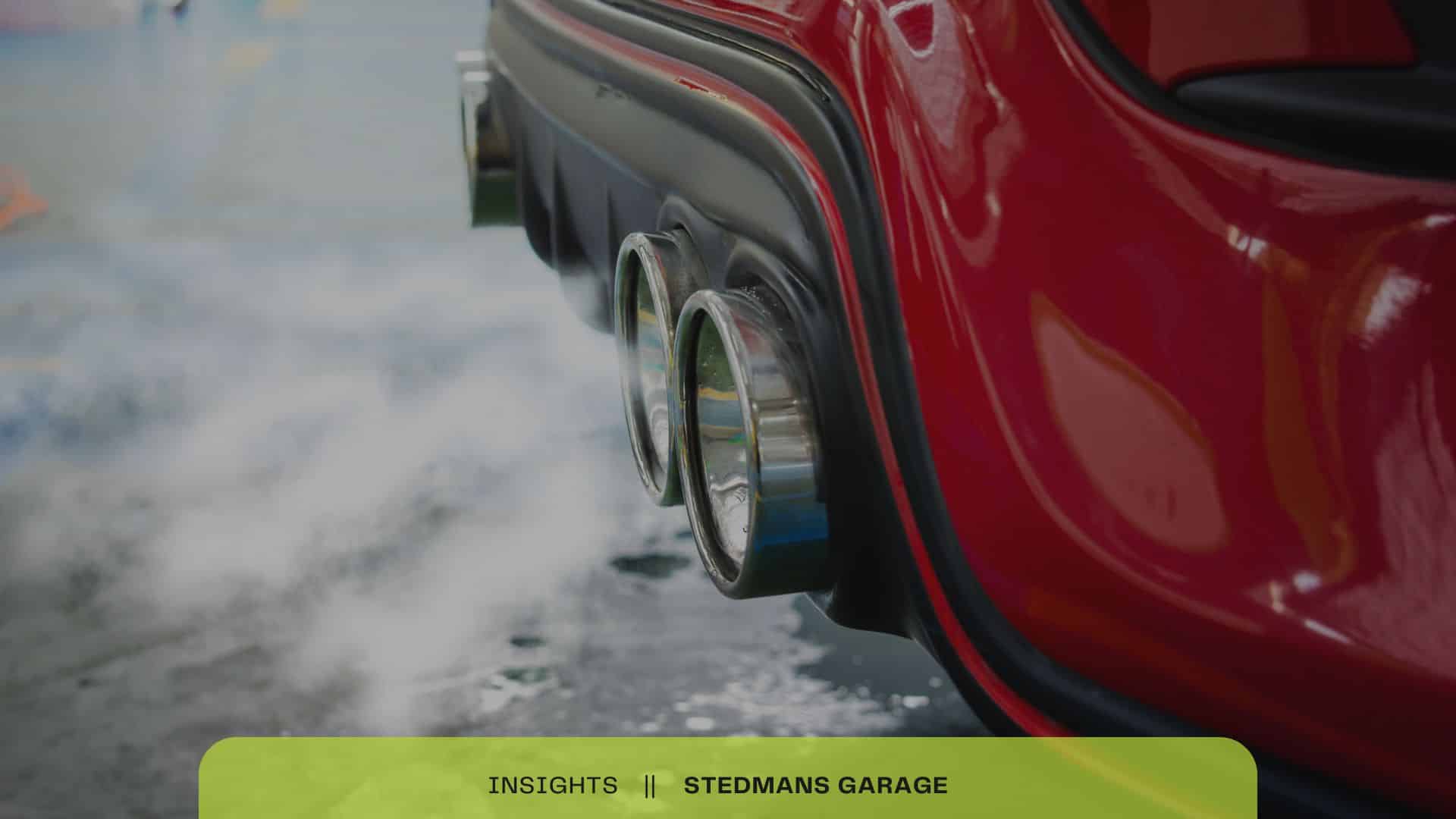
- Excessive Exhaust Smoke: An increase in exhaust smoke that appears greyish or bluish can indicate turbo trouble. Such smoke often results from oil leaking into the intake system and being burned off in the engine. This is a sign that the turbocharger may be deteriorating internally.
- Whistling or Whining Sounds: High-pitched sounds during acceleration, resembling a siren or a whining noise, may signal a failed turbocharger. These sounds usually point to mechanical failures such as a damaged turbine or misalignment within the turbo.
Dashboard Warning Lights and Diagnostic Codes
Modern vehicles, including the Range Rover Evoque, are equipped with various sensors that monitor engine performance. When a turbocharger issue arises, it triggers specific warning lights and diagnostic trouble codes:
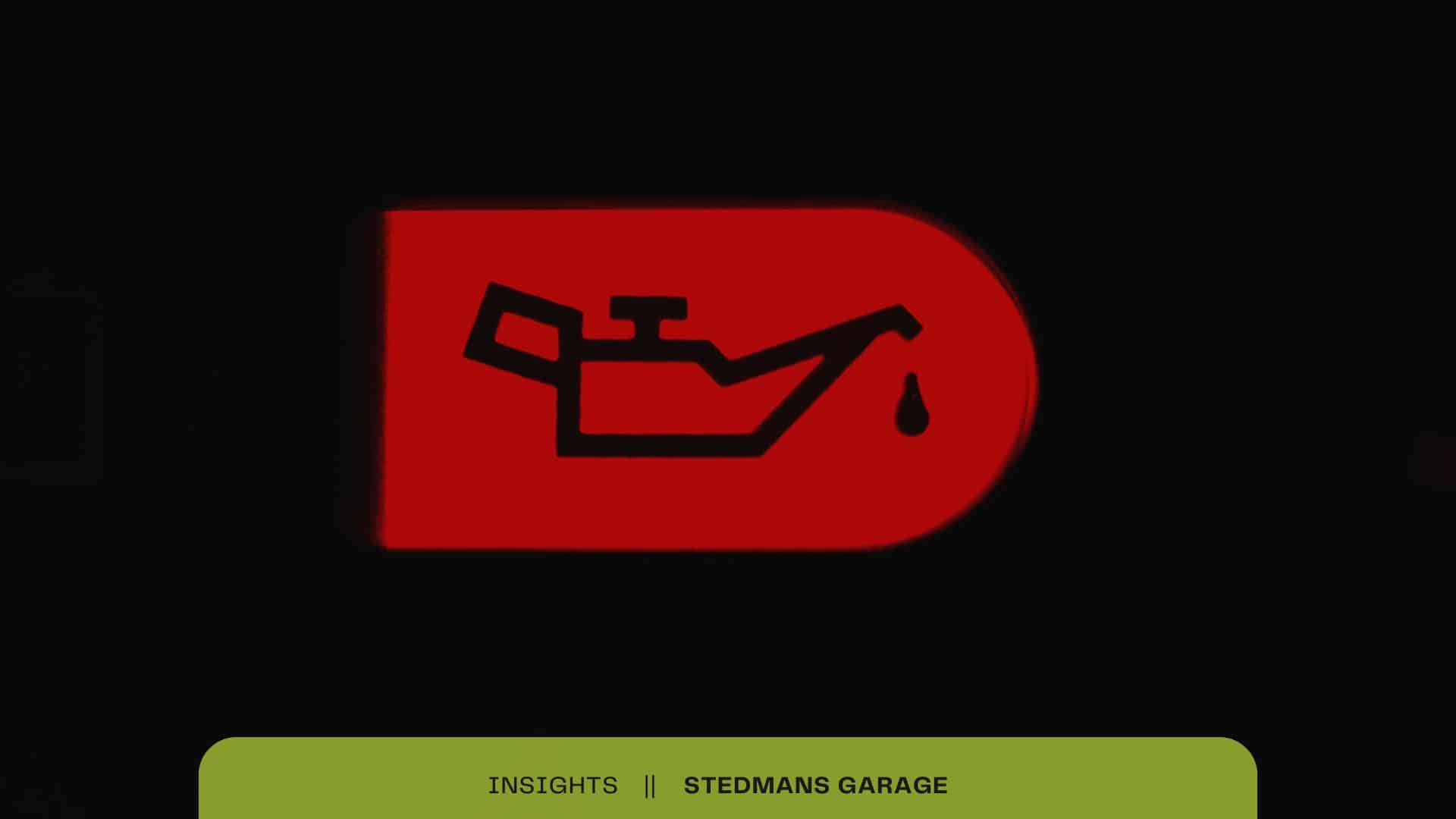
- Check Engine Light: The illumination of the check engine light on your dashboard could be linked to a turbocharger issue, although this light covers a broad range of potential problems. It’s essential to follow up with diagnostic scans to ascertain the cause.
- Diagnostic Codes: Specific to turbochargers, codes such as P0299 (underboost condition) and P0234 (overboost condition) are common. P0299 indicates that the turbocharger is not generating enough pressure, while P0234 suggests excessive pressure levels.
Importance of Early Problem Detection
Detecting turbocharger issues early can significantly reduce the risk of severe engine damage and costly repairs:
- Preventing Engine Damage: Continuing to drive with a failed turbocharger can lead to engine failure. It’s critical to address turbo problems promptly to prevent further damage.
- Cost Savings: Early detection allows for less intensive repairs, potentially avoiding complete turbocharger replacement, which ranges from £3,446 to £3,547.
- Maintaining Performance: Resolving turbo issues promptly helps maintain the vehicle’s performance and efficiency, ensuring that you continue to enjoy the optimal driving experience offered by your Evoque.
Regular maintenance checks, combined with vigilance for these warning signs, will help safeguard the health and performance of your Evoque’s turbocharger. Keeping an eye on these signs ensures that your vehicle remains in top condition.
Preventive Maintenance Schedule
Maintaining the turbocharger in your Range Rover Evoque is crucial for optimal performance and longevity. A well-planned preventive maintenance schedule can help you avoid untimely breakdowns and expensive repairs.
Regular Oil Changes and Quality Oil Requirements for Turbocharger Health
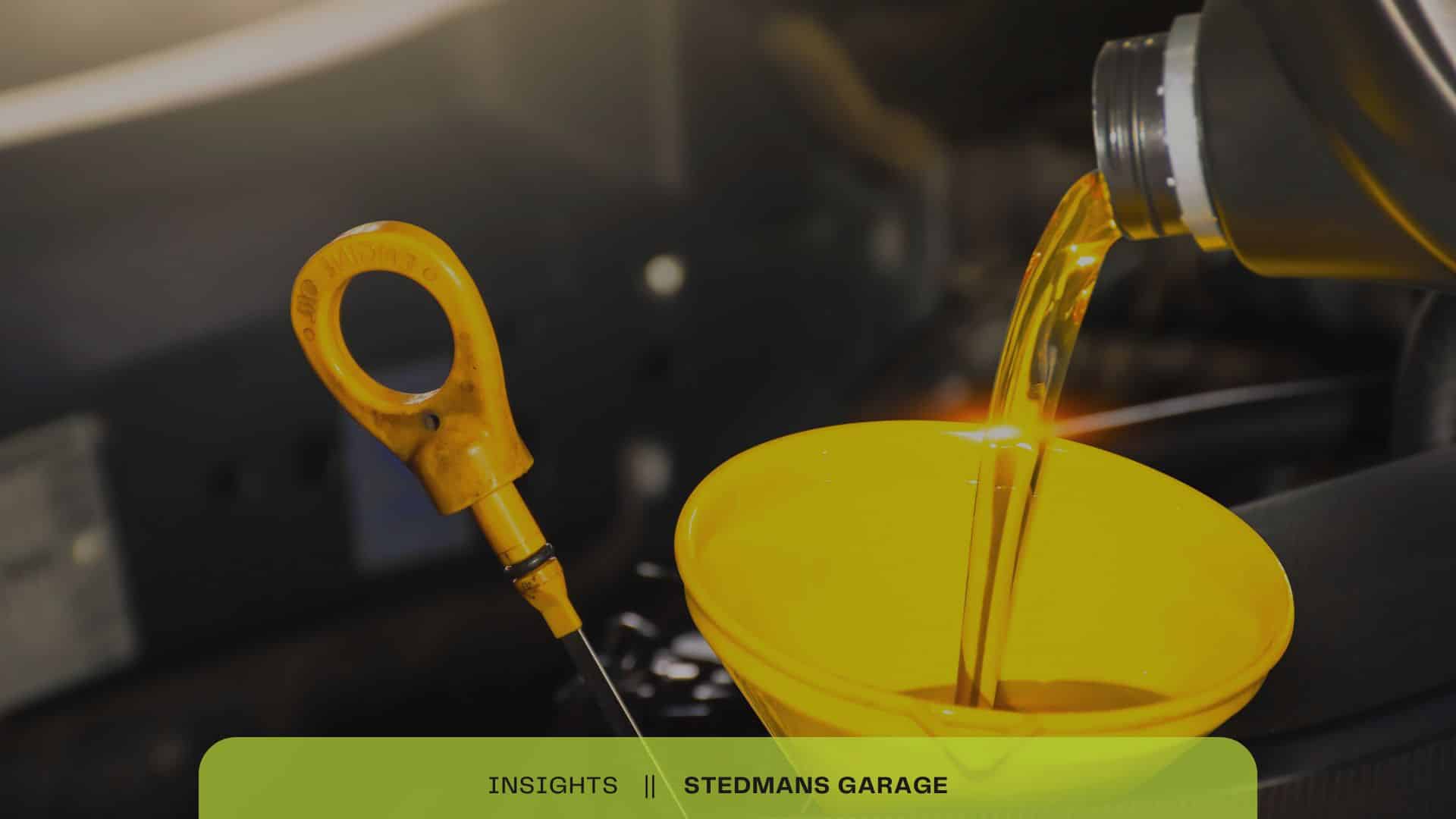
One of the simplest yet most effective maintenance tasks for turbocharger health is regular oil changes. The turbocharger relies heavily on engine oil for lubrication and cooling. Using high-quality, manufacturer-recommended oil ensures that the turbocharger components remain properly lubricated and cool during operation. Low-quality or degraded oil can lead to oil starvation and contamination, primary causes of turbocharger failure.
Changing the oil at regular intervals, as specified by the manufacturer’s maintenance schedule, is essential. For the Range Rover Evoque, it is generally recommended to change the oil every 7,500 miles or 12,000 kilometres, or six months, whichever comes first. However, this interval could be more frequent under extreme driving conditions.
Recommended Inspection Intervals for Turbocharger Components
Besides regular oil changes, inspecting the turbocharger and related components at the recommended intervals is crucial. Key components to be inspected include:
- Turbocharger housings and casings: Check for any signs of cracks or wear.
- Turbo shaft and bearings: Inspect for any play or wear that could lead to imbalance.
- Oil lines: Ensure there are no clogs, leaks, or deterioration in the oil feed and return lines.
- Intercooler: Check for any blockages or contamination that could affect the cooling efficiency.
Following a detailed inspection schedule can help detect potential issues early, preventing major failures down the line.
Importance of Following Manufacturer-Specified Maintenance Schedules
Adhering to the manufacturer-specified maintenance schedule ensures that all aspects of the turbocharger and engine are checked and serviced in a timely manner. The maintenance schedule is designed based on extensive testing and user data to optimise the vehicle’s performance and longevity.
Ignoring these schedules or delaying maintenance tasks can lead to a buildup of issues, adversely affecting the turbocharger and other engine components. Ultimately, this proactive approach can save you from significant repair costs and help maintain your Evoque’s performance and reliability.
By incorporating these preventive measures into your routine, you can significantly extend the life of your turbocharger. Maintaining awareness of the importance of regular inspections and adhering to prescribed maintenance schedules will keep your Range Rover Evoque running smoothly for years to come.
Common Causes of Turbocharger Failure
Understanding the common causes of turbocharger failure in your Range Rover Evoque is crucial for maintaining its performance and longevity. This chapter delves into the primary factors that can lead to turbocharger issues, with a particular focus on oil-related problems and model-specific concerns.
Oil-Related Issues: Starvation and Contamination
One of the most significant causes of turbocharger failure is oil-related issues. The turbocharger relies heavily on consistent, high-quality oil to function correctly. When the oil supply is compromised, it can lead to severe problems.
Oil Starvation
Oil starvation occurs when the turbocharger does not receive enough lubrication. This can be due to blocked or leaking oil pipes, or a failure to prime the oil before fitting a new turbocharger. Without adequate lubrication, the turbocharger components, such as the bearings and shaft, can wear out rapidly, leading to failure. This issue can be particularly harmful because it causes metal-to-metal contact, resulting in significant damage.
Oil Contamination
Oil contamination is another critical issue that can affect your turbocharger. Contaminants in the oil, such as dirt, debris, or metal particles, can enter the turbocharger and cause considerable damage to the bearings and other components. This contamination often results from inadequate oil filtration or a breakdown of the engine oil itself. Regular oil changes with high-quality oil are essential to prevent buildup and ensure continued turbocharger health.
Impact of Poor Maintenance Practices
Poor maintenance practices can severely impact the lifespan of your turbocharger. Neglecting regular oil changes, failing to replace oil filters, and not performing scheduled inspections can all lead to premature turbocharger wear and failure. Routine maintenance is critical for identifying potential issues before they become major problems. Ensure that you follow the manufacturer’s recommended service intervals and use only approved oil and filters to keep your turbocharger in optimal condition.
Design-Specific Concerns in 2012-2017 Evoque Models
Owners of 2012-2017 Range Rover Evoque models should be aware of specific design-related concerns that can affect the turbocharger. Reports have indicated that these vehicles may have a higher risk of turbo failure due to design flaws. For instance, the turbocharger in these models is integrated with the exhaust manifold. The welding of different casted pieces of machinery can sometimes come undone, causing internal components to rattle and damage the turbocharger. This issue can result in power loss and may even lead to more severe engine problems if not addressed promptly.
Regular inspections and awareness of these specific issues are vital for preventing costly repairs and ensuring your Evoque remains reliable. By understanding these common causes of turbocharger failure and taking proactive steps in maintenance, you can significantly extend the life of your vehicle’s turbocharger.
Professional Repair and Replacement
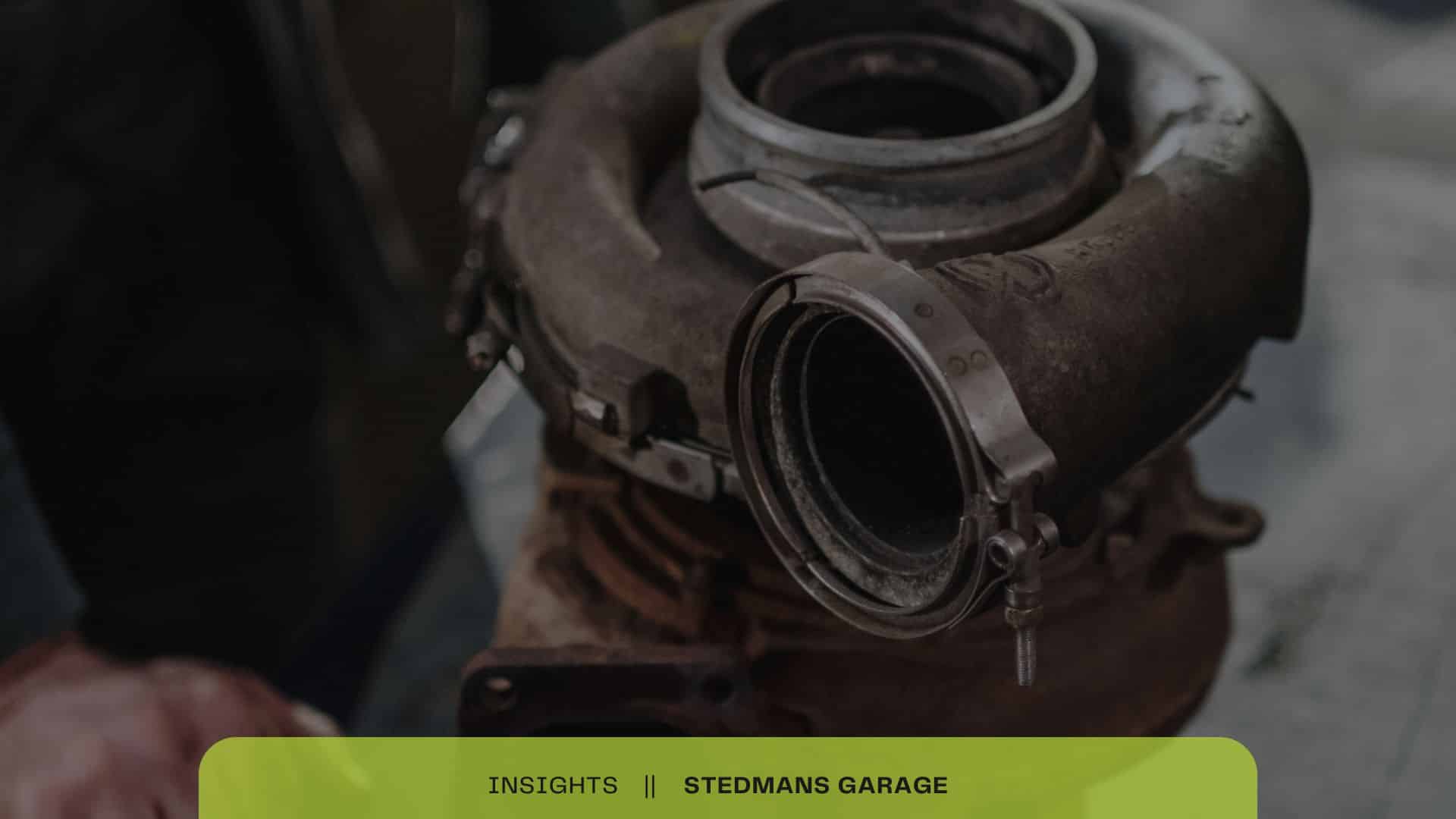
Maintaining the turbocharger in your Range Rover Evoque can be cost-effective when done correctly. Yet, at times, turbocharger replacement becomes inevitable. The average cost for turbocharger replacement ranges from £3,446 to £3,547, predominantly due to labour and the precise parts involved.
Importance of Choosing Qualified Technicians
Selecting a highly qualified technician is paramount when facing turbocharger replacement. Turbochargers are intricate components requiring specialist knowledge to install and calibrate correctly. Ensuring you choose a technician with extensive experience with turbochargers helps in avoiding further complications, erroneous diagnoses, or potential future failures. Specialists are equipped with specific knowledge that general mechanics might lack.
Considerations for Independent Garages vs. Dealerships
Deciding between an independent garage and a dealership for your turbocharger repairs involves weighing various factors:
- Cost: Independent garages typically offer lower prices due to lower overheads compared to dealerships. This can make them a more budget-friendly option without sacrificing Quality.
- Specialised Knowledge: Dealerships generally have technicians who are specially trained in specific vehicle brands. Land Rover dealerships promise a high level of expertise and are equipped to handle any model-specific quirks.
- Warranty and Parts Quality: Dealerships tend to offer original equipment manufacturer (OEM) parts, which may come with warranties. Independent garages may use after-market parts which, although sometimes cheaper, might not always meet the same stringent standards.
- Customer Service and Support: Many customers find the more personalised service offered by independent garages to be superior. Conversely, dealerships can provide brand-authorised customer service, which is reliable and consistent.
Choosing the right professional for your repairs ensures that your turbocharger functions effectively, maintaining the performance and longevity of your Range Rover Evoque. Regular evaluations and selecting experienced technicians can lead to a more reliable vehicle and fewer costly repairs over time.
To keep your Evoque running efficiently, focus on best practices that extend the life of your turbocharger.
Tips for Extended Turbocharger Life
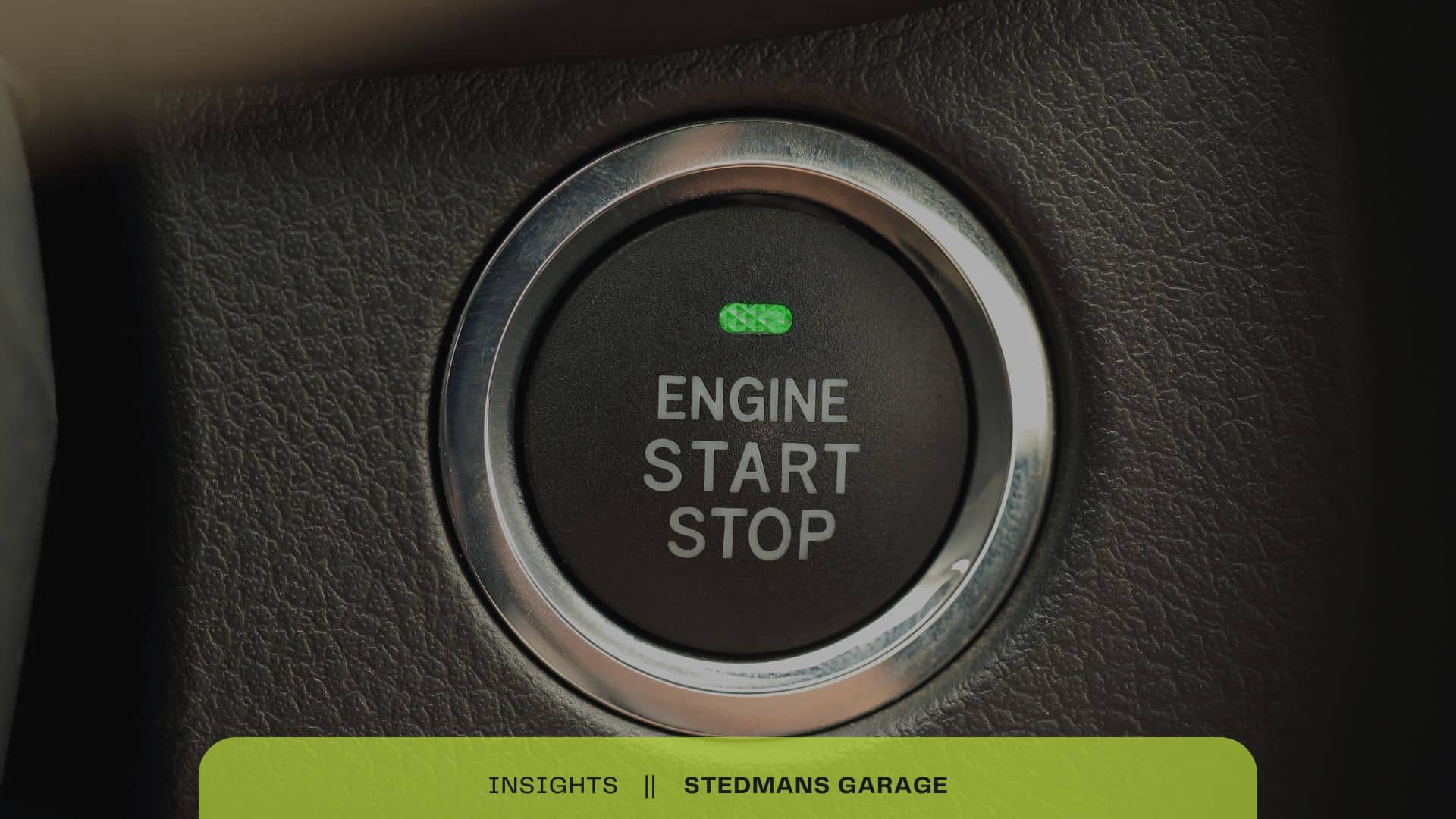
Best Practices for Cold Starts and Engine Warm-Up
Properly warming up your Range Rover Evoque’s turbocharged engine is essential for extending its lifespan. This process ensures that the oil, which lubricates the engine and turbocharger, reaches its optimal temperature and viscosity:
- Drive gently for the first few minutes after starting the engine. Keep the engine’s RPMs below 3000, as this promotes efficient warming.
- Avoid idling the car for long periods. Driving gently warms up the engine more quickly than letting it idle.
- Ensuring the oil has properly circulated before engaging in demanding driving conditions helps maintain the oil’s lubricating properties, which is critical for turbocharger health.
Proper Driving Habits to Protect Turbocharger Health
Your driving habits significantly impact the lifetime of your turbocharger:
- Refrain from hard acceleration until the engine has warmed up to its operating temperature.
- Allow the engine to cool down after extended periods of high-speed driving or heavy loads. This can be achieved by letting the car idle for a few minutes before shutting it off. This process helps prevent oil from caking and damaging the turbocharger’s components.
- Avoid unnecessary and harsh revving or sudden stops, as these can cause thermal stress to the turbocharger components.
Regular Maintenance Checks and Inspections
Regular maintenance is crucial for the longevity of your Evoque’s turbocharger:
- Schedule and adhere to routine oil changes as specified by the manufacturer, ensuring the use of high-quality oil. This protects the turbocharger from oil starvation and contamination, which are leading causes of failure.
- Regularly inspect the turbocharger for signs of wear and tear, such as leaks, unusual noises, or performance issues. Any anomalies should be addressed immediately by a qualified technician.
- Follow the manufacturer’s recommended intervals for checking and maintaining the turbocharger and related components to prevent unexpected failures.
By implementing gentle driving practices, particularly during engine warm-ups and cool-downs, and maintaining regular inspections, you can significantly enhance the lifespan of your Evoque’s turbocharger. Establishing these habits and sticking to scheduled maintenance is essential for avoiding costly repairs and ensuring optimal performance of your vehicle.