Introduction to EV Charging Port Issues
Common Challenges for UK EV Owners
EV owners across the UK often face several issues with charging ports. Some of the most widespread problems include damaged charging cables or connectors, worn port contacts, and difficulties connecting to charging stations. Visible damage to screens and cable retractors is also a regular complaint, hindering cable management and user interaction. Inconsistent public infrastructure and unreliable chargers further compound daily usage challenges for many EV drivers.
The Value of Correct Diagnosis
Properly diagnosing charging port issues is essential before trying any repairs. A faulty diagnosis may lead to unnecessary costs or create additional complications. Regular inspection and functional tests help pinpoint the exact source of the problem. For example, checking for physical signs of wear or confirming the integrity of a cable can often identify the main cause and reduce downtime.
Impact on EV Performance and User Experience
Malfunctioning charging ports disrupt an EV’s basic function: reliable charging. This can result in range anxiety, trip delays, and reduced confidence in using the vehicle. Unresolved issues may leave vehicles stranded or reliant on slower, alternative charging methods. Over time, repeated problems affect driver satisfaction and deter potential EV adopters.
Understanding EV Charging Port Technology

Types of Charging Ports Used in the UK
The UK landscape features several charging port types, each suited to different vehicle models and charging speeds. The most common are Type 2, CCS, CHAdeMO, and NACS. Type 2 connectors are the standard for AC charging across most UK and European vehicles. The Combined Charging System (CCS), compatible with Type 2 for AC and DC use, allows versatility and is now the most prevalent for rapid charging. CHAdeMO, a Japanese DC standard, is being phased out, with only a limited number of units expected to remain by the end of 2023. NACS, initially developed by Tesla, is under review for broad adoption, but is not yet implemented in Europe.
How Charging Ports Operate and Integrate with EV Systems
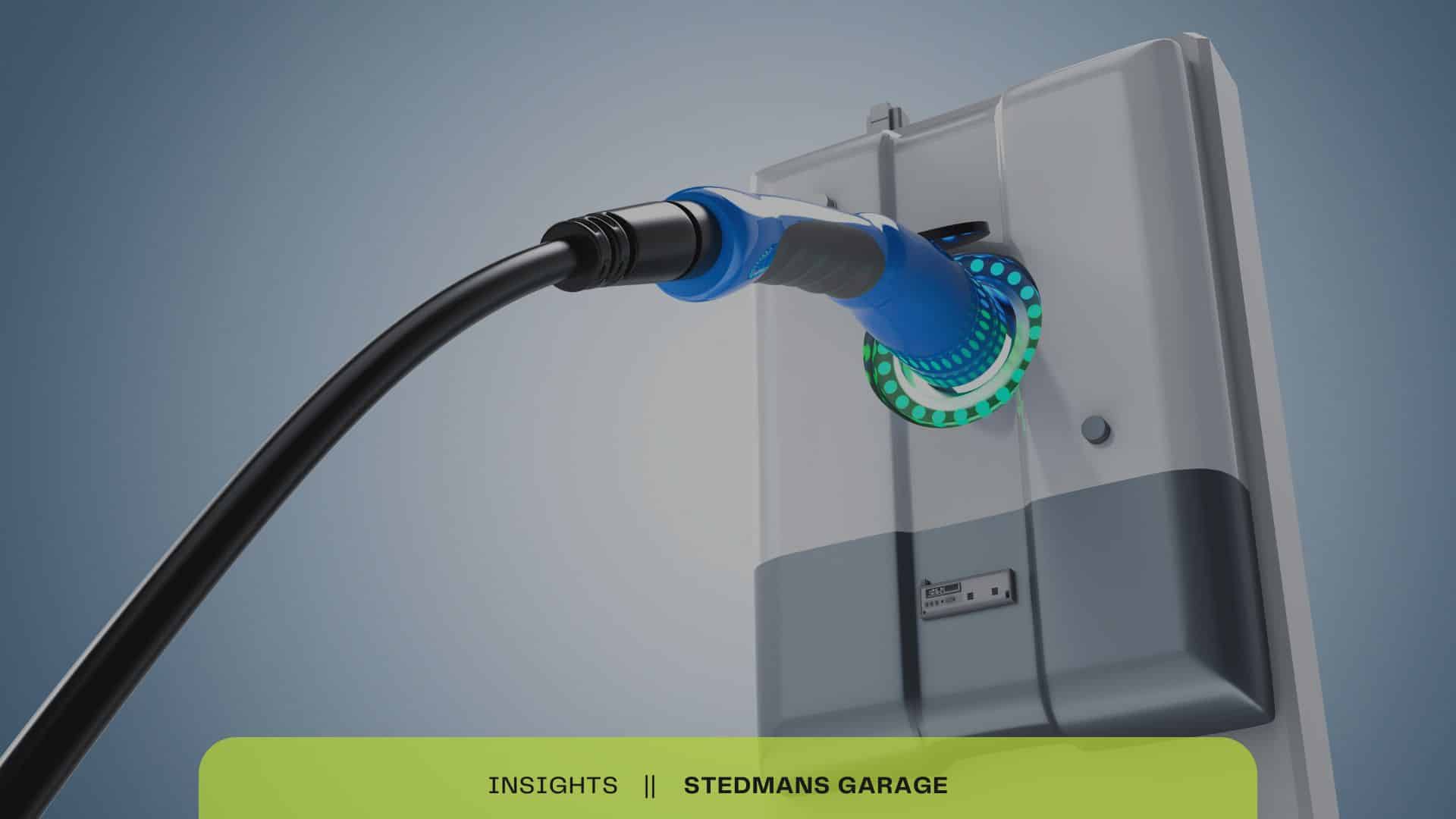
Charging ports act as the interface between the EV’s battery management system and the external electricity supply. When a connector is plugged in, communication systems confirm the charging status, regulate power flow, and ensure safety protocols. CCS simplifies the charging experience by enabling both AC home charging and rapid DC charging through a single port, reducing the need for multiple sockets. Proper integration with vehicle electronics ensures precise control of current and voltage and helps protect components during charging cycles.
Recent Innovations in Charging Port Technology
2024 has seen growth in charging technology, focusing on efficiency, reliability, and user convenience. For example, AOHAI’s EV CHARGER 3.0 offers improved power handling and safety features while supporting global plug types and wide input voltage ranges. Innovations increasingly target faster charging times, smarter compatibility, and robust durability, supporting both present and future electric vehicle needs.
Staying informed about these advances enables EV owners to better maintain their vehicles and prepare for new developments in charging.
Common Signs of Charging Port Failures
Visual Indicators of Damage or Wear
A thorough visual inspection is often the earliest way to spot charging port problems. Look for frayed cables, cracked connectors, bent or broken pins, and loose port fittings. These physical signs usually appear where the connector meets the charging port. Visible damage can increase the risk of poor connections or electrical faults, and damaged cables may also pose safety risks if left unaddressed. If you notice these issues, it is essential to act quickly to prevent further deterioration or safety hazards.
Functional Symptoms
Charging port failures also reveal themselves through changes in charging behaviour. Common symptoms include:
- Intermittent charging, where sessions randomly stop and restart.
- Noticeably slow charging rates, sometimes taking much longer than usual.
- A complete inability to charge, despite being plugged in correctly.
Such problems may result from wear in the charging port or cables, loose connections, or internal component failures. Always compare your usual charging pattern to recent experiences, as a decline can often indicate an underlying issue.
Warning Messages and Error Codes
Modern EVs and charging stations use warning indicators and error codes to flag system faults. These can appear as dashboard lights or messages on the charging station’s screen. For example, a yellow light may suggest a minor issue requiring attention, while a red warning signals a critical fault that should be addressed immediately. Some vehicles display specific codes pointing to issues such as overheating, communication errors, or unsafe electrical conditions. Always refer to your vehicle or charger manual for specific guidance when these warnings appear.
Addressing these signs early can help minimise disruption in your charging routine and reduce the risk of expensive repairs later. Regular checks will improve the reliability and safety of your EV charging system.
Diagnostic Tools and Techniques
Essential Tools for Charging Port Diagnostics
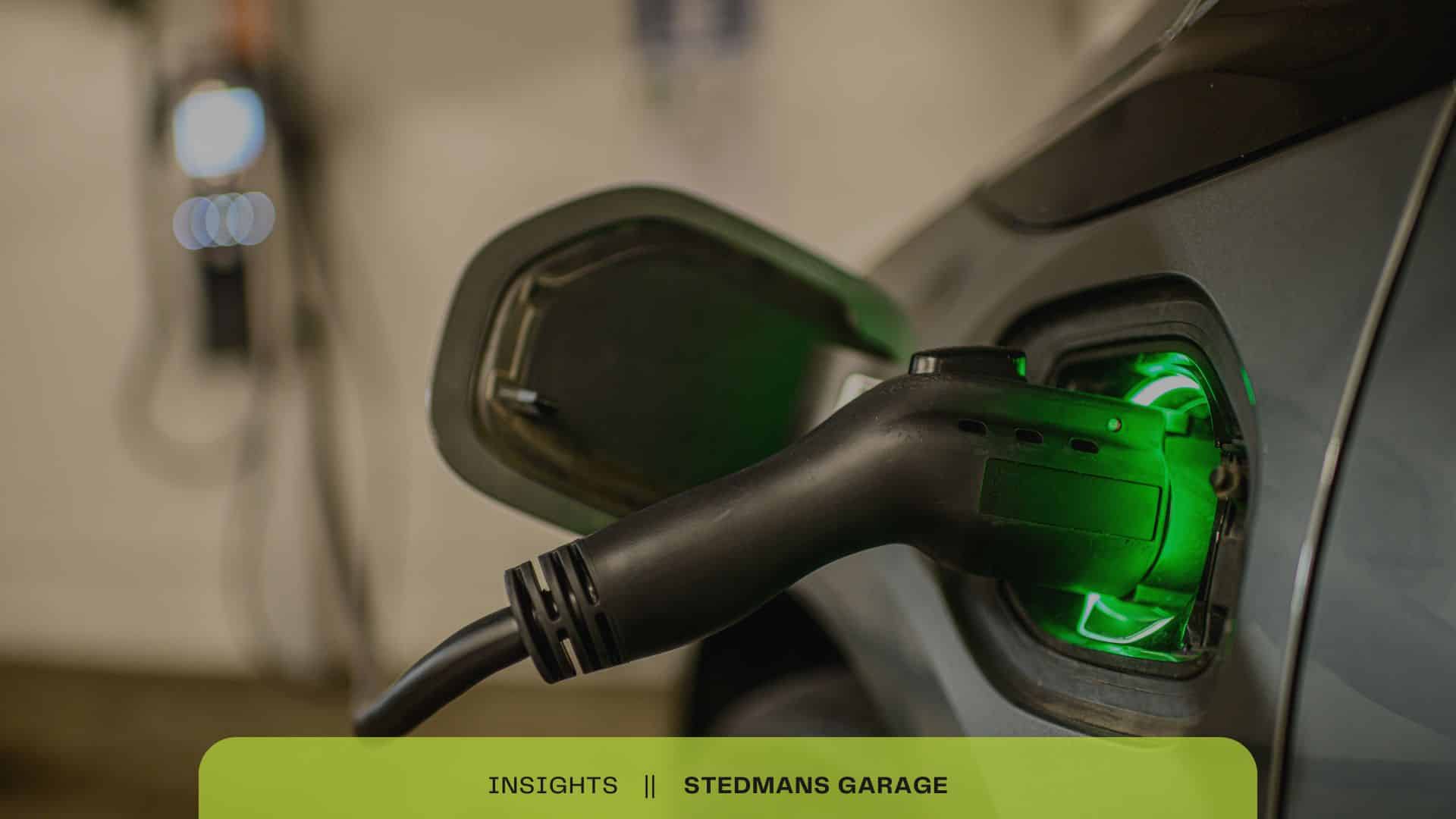
Diagnosing EV charging port issues requires specific tools. Technicians often rely on a multimeter to check voltage levels and circuit continuity. An insulation tester verifies that no current is leaking between conductors, preventing electrical hazards. A current clamp allows for safe measurement of electric current flowing through charging cables. Advanced diagnostic devices may combine these features with oscilloscope functions, offering fast and accurate analysis across different fault types.
Step-by-Step Diagnostic Process
A systematic approach is the most effective method. Begin with a visual inspection. Check for frayed cables, bent pins, or burn marks on connectors. Ensure the charging port is clean and clear of debris. Next, test the power source using a multimeter to confirm the supply matches recommended levels. Examine the circuit breaker to verify it has not tripped. Attempt charging with another vehicle or cable to rule out vehicle-specific problems.
If issues remain, use diagnostic tools to assess current flow and insulation integrity. Many modern chargers feature built-in diagnostic modes that display fault codes. Record any error messages, as these codes help identify hardware or software issues.
Using Manufacturer Diagnostic Software
EV charging ports often integrate with the vehicle’s systems. Manufacturers provide specialised diagnostic software that connects to the vehicle’s on-board computer. This software reads detailed fault codes and enables specific function tests. Following manufacturer procedures ensures accuracy and prevents unnecessary component replacements. Regular updates to this software improve compatibility with newer charging hardware and vehicles.
Taking a methodical, tool-based approach helps maintain safety and builds a foundation for effective repairs. Understanding and using diagnostic techniques ensures reliable charging and supports the long-term performance of EVs.
Simple Troubleshooting Solutions
Cleaning and Maintenance
Keeping the charging port clean is essential to ensure reliable charging and prevent issues from dirt or debris. Use a soft, non-abrasive cloth to gently wipe the exterior of both the charger and port. Avoid harsh chemicals or abrasive materials, as these can damage surfaces. For the port contacts, gently rotate a dry cotton bud (Q-tip) around the inside to remove any dirt. Never use liquids directly on electrical contacts; if needed, a small amount of electrical contact cleaner can be applied to a cotton swab for stubborn grime, but always allow the area to dry fully before reconnecting or charging.
Checking Circuit Breakers and Fuses
A tripped circuit breaker or blown fuse is a frequent cause of charging failures. To check, locate the main electrical panel and identify the breaker connected to your EV charger. If it is in the ‘off’ or halfway position, firmly move it to ‘off’ and then back to ‘on’ to reset. For fuse boxes, replace any blown fuses with ones of the correct rating. Consistent tripping may indicate an overload or fault, so seek professional help if the problem repeats.
Addressing Software Issues
Sometimes, charging interruptions are caused by outdated or faulty software. Check both your vehicle and charging unit for available firmware updates. Many home chargers and vehicles support over-the-air updates designed to resolve common glitches and improve compatibility. To update, follow instructions from the manufacturer’s app or website, and always ensure the installation is completed before using the charger again.
By following these simple steps, many common EV charging port issues can be addressed promptly, reducing downtime and preventing more serious faults. Regular care will support dependable daily use.
Advanced Repair Techniques
Replacing Damaged Components
If your EV charging port suffers physical damage, such as cracked housings, corroded pins, or broken connectors, component replacement may be needed. First, safely disconnect power and inspect the port for visible damage. Replacement generally involves removing the damaged port or plug, noting wire positions, and fitting a new component. Proper reassembly and secure refitting are essential to avoid risks like poor connections or overheating. If unsure, always consult a professional technician rather than risking improper repairs, especially when handling high-voltage parts.
Rewiring and Connection Repairs
Loose or damaged wiring inside the port can result in intermittent charging or no connection. After confirming the charger is unplugged and safe, carefully check wires for fraying, looseness, or corrosion. Rewiring involves stripping damaged sections, attaching clean wire ends to the new or existing connector, and tightening all screws securely. Each connection must match the manufacturer’s wiring pattern, as incorrect wiring can pose safety hazards.
DIY Versus Professional Repairs
While simple tasks like fitting a new charger plug or tightening an exposed wire may be straightforward with basic electrical knowledge, advanced repairs or full port replacements demand expertise. DIY attempts without experience can risk serious safety hazards or void warranties. For repairs involving the internal structure of the charging port, high-current wiring, or unfamiliar components, it is always safest to hire certified EV specialists familiar with UK standards.
As you address these technical repairs, ongoing support from qualified experts remains invaluable for long-term safety and reliability.
Professional Repair Options
Finding Qualified EV Charging Port Repair Specialists
When addressing EV charging port issues that go beyond basic troubleshooting, enlisting a qualified repair specialist is essential. In the UK, a number of experienced providers offer dedicated services for diagnosing, maintaining, and repairing charging ports. Leading companies like Vital EV maintain a network of nationwide engineers, ensuring access to professional support whether for minor faults or complex equipment repairs. These specialists are skilled in handling high-voltage components safely, have access to genuine replacement parts, and use the latest diagnostic tools to resolve both hardware and software concerns efficiently.
Expected Costs and Repair Timeframes
The costs for professional repairs vary by the type of fault and the complexity of the repair. For common issues such as a worn connector or a damaged cable, prices may start from around £100–£200 for parts and labour. More extensive repairs, like replacing control boards or significant wiring faults, can range higher, particularly for rapid or ultra-rapid public chargers. Most repair specialists offer service level agreements with response times from within a few hours for urgent cases, to a few days for less critical maintenance. Annual maintenance contracts are also available, which help reduce unexpected repair costs and keep infrastructure in peak condition.
Warranty Considerations and Manufacturer Support
Before seeking paid repair services, always check if your EV or charging station is still under warranty. Many manufacturers offer coverage for defects or faults within a specified period, and using authorised repairers is often required to maintain protection. If a repair is undertaken outside the authorised network, it may void the warranty, so it is advisable to confirm the status with your installer or the product manufacturer first.
Maintaining confidence in your charging setup is possible with professional expertise, ensuring reliable charging and peace of mind for EV owners.
Preventative Maintenance for EV Charging Ports
Regular Inspection and Cleaning
Routine inspection is the first step in maintaining your EV charging port. Look for signs of dust, moisture, or debris around the port and connector. Light corrosion or dirt may appear, especially after driving in wet or salted conditions. Use a soft, dry cloth and, when needed, a cotton bud to gently clean the port. Ensure the vehicle is switched off and disconnected from mains power before cleaning. Avoid water, harsh chemicals, and metallic objects, as these can damage the contacts.
Environmental Protection
Protecting your EV charging port from the elements extends its lifespan. Park in a garage or use a weatherproof cover when charging outdoors to prevent rain or snow ingress. If you charge outside regularly, routinely check for any signs of water or grit in the connection area. For those living near the coast, salt can accelerate corrosion, so more frequent cleaning may be necessary.
Proper Charging Practices
Always ensure the charging cable and port align correctly before connecting. Insert and remove the charging connector straight and firmly, avoiding excessive force or twisting. Check that cables are not strained or pinched, as this can damage internal wiring. Avoid charging at maximum current constantly, frequent high-power charging generates more heat, which may shorten the lifespan of the port components.
Caring for your EV’s charging port with these basic steps helps prevent many common failures and keeps your charging experience seamless. This approach ensures your vehicle remains ready and reliable for daily use.
Upgrading Your Charging Equipment
When to Upgrade Your EV Charger
As electric vehicle ownership grows, considering an upgrade to your home charging equipment is key for optimal convenience and efficiency. If your current charger is slow, frequently disconnects, or lacks smart features, it may be time to consider a newer model. Upgrading is especially important if you plan on switching to a newer EV with a higher charging capacity or different port requirement.
Top Home Chargers in the UK for 2024
Several home chargers in the UK stand out for reliability and smart features.
- The Easee One offers flexible installation and supports both tethered and untethered charging.
- The Tesla Wall Connector suits both Tesla and non-Tesla vehicles using suitable adapters, providing fast and efficient charging.
- Ohme chargers allow for dynamic charging, letting users take advantage of off-peak electricity rates.
Compatibility and Safety Considerations
Before upgrading, confirm the charger supports your car’s port type, most non-Tesla cars use J1772 connectors, while Tesla models use the NACS standard. For seamless charging, check if adapters are available for your setup, and ensure the charger’s power output matches your vehicle’s needs.
Safety is crucial. Look for chargers with certifications like CE, overcurrent protection, GFCI, and overheating safeguards to protect both your vehicle and home wiring.
Choosing the right equipment now can help accommodate both current and future electric vehicles, ensuring flexibility as charging technology advances.
The Future of EV Charging Infrastructure
Current Trends in the UK
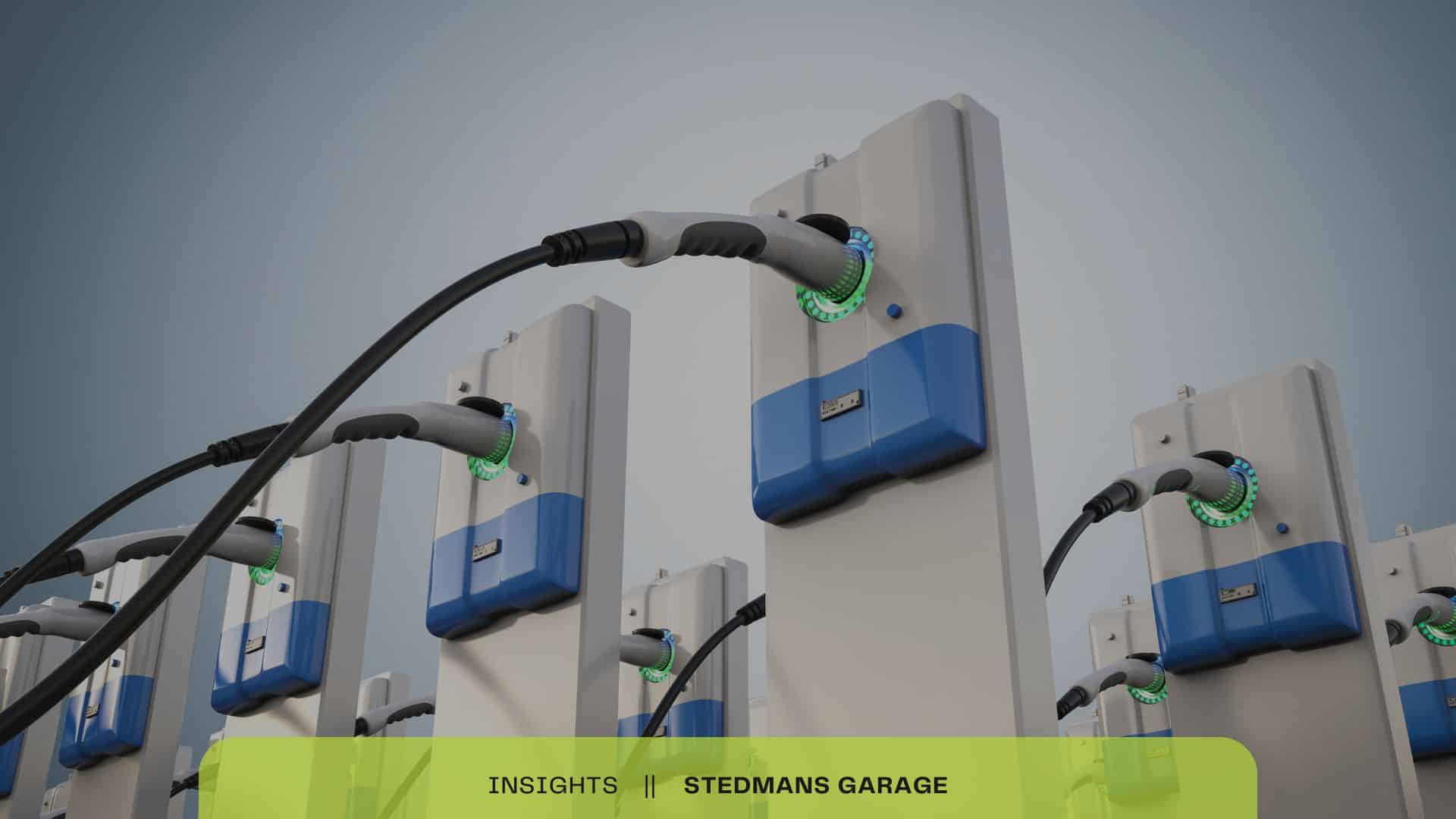
The UK is seeing a fast transformation in its electric vehicle charging infrastructure. In 2024, there was a 6.5% rise in the number of public charging ports, reflecting a clear response to growing EV ownership and government policies aimed at zero emissions targets. The phasing out of new petrol and diesel vehicles by 2030 and plug-in hybrids by 2035 is influencing steady investment in charging stations. Market share for electric vehicles also reached almost 20% of new registrations, showcasing widespread adoption.
Charging Port Standardisation
Standardisation is now a top priority. The North American Charging Standard (NACS) is gaining traction among automakers, promising a more unified charging experience. Although traditionally most UK vehicles use Type 2 and CCS connectors, the transition towards NACS is expected to improve access and compatibility, aided by manufacturer partnerships and infrastructure upgrades. This shift should minimise confusion and reduce the need for multiple adapters for EV owners.
Meeting Growing Demand
Rapid infrastructure expansion is essential to keep up with new EVs on the road. Investments by both public and private sectors are growing, as are collaborations aimed at tackling the high cost of infrastructure rollout. Innovations such as faster charging and smart, grid-integrated solutions are also shaping future networks.
A robust, standardised charging network is crucial for supporting the UK’s transition to electric transport and ensuring EV users have reliable charging access.
Conclusion and Additional Resources
Summary of Key Approaches
Addressing charging port faults on electric vehicles demands a calm, methodical process. Start with regular inspections for physical damage or signs of wear. Early identification often prevents more serious repairs later. Use essential diagnostic equipment to check connectivity, power supply, and software. Try cleaning the port gently and ensure that circuit breakers and fuses are intact. If basic troubleshooting does not help, consult manufacturers’ diagnostic guides or reach out to specialist repair services.
When advanced repairs are required, it is safer to engage certified technicians for complex internal or high-voltage issues. Warranty terms may cover certain repairs, so review them before any work begins. Keeping your charging equipment updated and using chargers compatible with your car can reduce risks and enhance reliability.
Useful Resources and Ongoing Support
EV owners in the UK can look to independent repair providers, such as Vital EV, for nationwide service and tailored maintenance support. For further understanding, many manufacturers provide online troubleshooting guides and direct support channels. Trade associations and local EV owner groups offer peer advice and recommendations for hardware upgrades.
For updated standards, government websites and major EV news sites remain valuable sources for infrastructure changes and new regulations. Community forums are helpful for sharing personal experiences, while manufacturer and installer helplines support users with model-specific questions.
Staying informed and proactive ensures that EV charging remains convenient and dependable as the technology evolves.