Introduction
Vehicles rely heavily on electronic systems to manage everything from engine performance to emissions control. When something goes wrong, the vehicle’s onboard diagnostic system (OBD-II) generates fault codes that help identify the source of the problem. These codes are essential for both mechanics and vehicle owners, offering critical insight into what might be malfunctioning under the bonnet. Ignoring these warnings can lead to increased damage, safety risks, and expensive repairs.
Among the many fault codes that can appear on Volkswagen Audi Group (VAG) vehicles, the P0405 code is one that drivers may encounter, often accompanied by noticeable changes in performance or a flashing engine warning light. This particular code refers to a low input from the Exhaust Gas Recirculation (EGR) sensor, an important component in managing a car’s emissions.
Understanding the nature of the P0405 fault code is crucial for timely and effective repair. Left unresolved, this issue can lead to poor engine efficiency, increased emissions, and potential long-term damage to other systems. For vehicle owners in Worthing and the surrounding areas, seeking expert assistance from trusted professionals like Stedmans Garage can make all the difference.
This guide explores the meaning of the P0405 fault code, uncovers its causes and symptoms, walks through the diagnostic process, and outlines effective repair solutions. It also highlights the importance of preventative maintenance and why local drivers turn to Stedmans Garage for reliable diagnostics and repairs.
What Is the P0405 Fault Code?
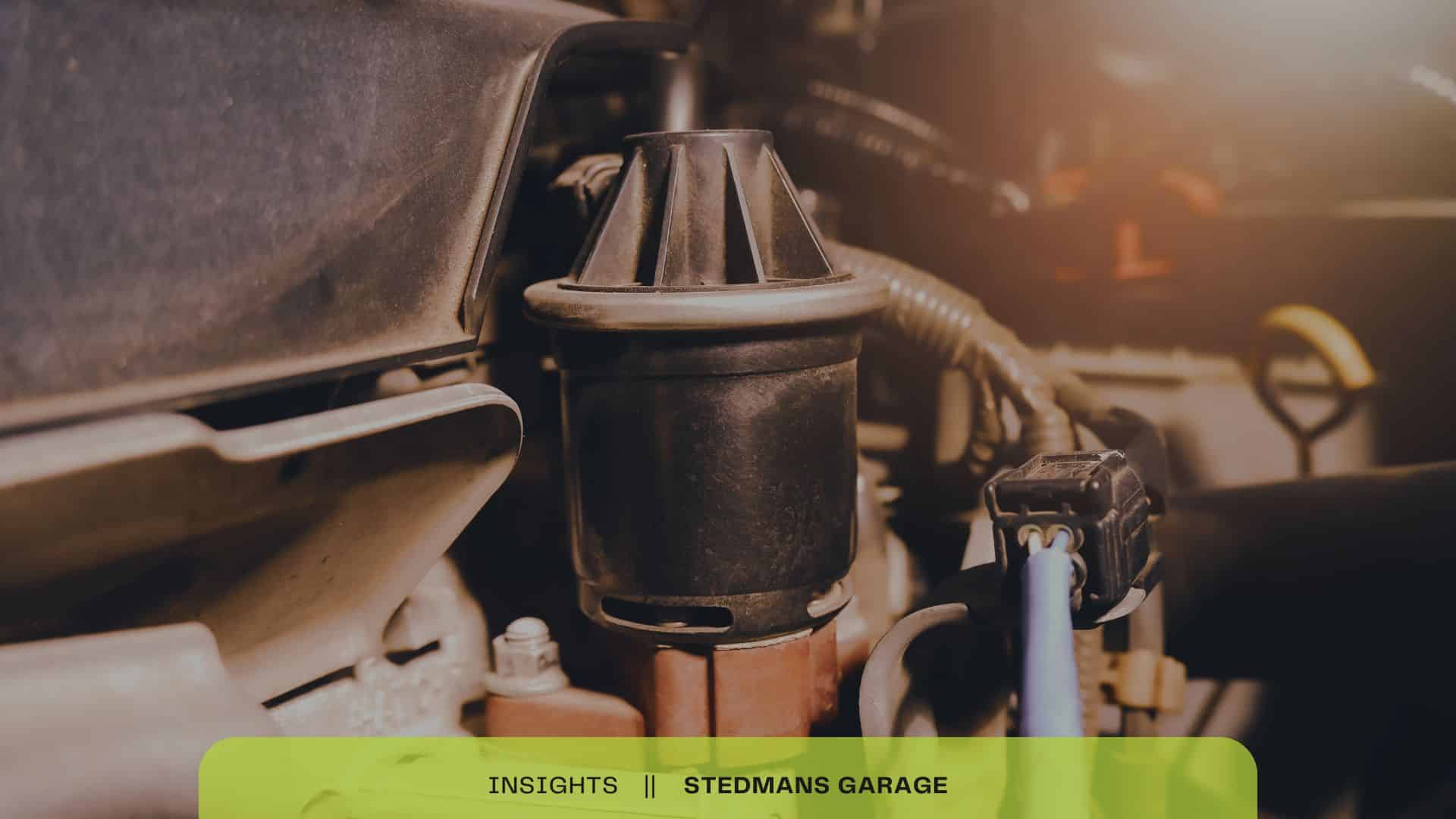
The P0405 fault code stands for “Exhaust Gas Recirculation Sensor A Circuit Low.” It’s a generic OBD-II code that appears when the engine control unit (ECU) detects a lower-than-expected voltage signal from the EGR sensor. This sensor monitors the position of the EGR valve, which controls the flow of exhaust gases back into the engine for combustion.
The EGR system is essential for reducing nitrogen oxide (NOx) emissions. By recirculating exhaust gases into the intake manifold, it lowers combustion temperatures and helps meet emissions regulations. A properly functioning EGR valve is key to maintaining fuel efficiency, reducing engine knock, and keeping emissions within legal limits.
When the signal from the EGR sensor is too low, the ECU assumes the valve is not opening or closing properly, triggering the P0405 code. This can result in engine performance issues and may cause the vehicle to enter a reduced power mode to prevent further damage.

Common Causes of the P0405 Code
Several underlying issues can trigger the P0405 fault code. At Stedmans Garage, we often see the following culprits during diagnostics:
1. Wiring or Connector Issues
P0405 is a circuit-low fault, so damaged, frayed or corroded wiring between the EGR position sensor and the ECU is one of the first things to check. Moisture ingress in connectors or pin misalignment can pull the signal below its normal range and set the code.
2. Failed EGR Position Sensor
The sensor responsible for reporting the valve’s position may fail internally. On a circuit-low code this commonly shows as a signal stuck below its expected voltage, whether from an internal sensor fault or a lost reference feed.
3. Faulty EGR Valve
The EGR valve itself may be failing due to wear, corrosion, or electrical malfunction. If the valve or its integrated sensor cannot report position correctly, it will send incorrect signals to the ECU.
4. Carbon Build-Up
Carbon deposits from exhaust gases can clog the EGR valve, causing physical blockages that restrict movement. This is particularly common in diesel engines.
5. ECU Software or Hardware Faults
Although less common, a faulty ECU or outdated software may misinterpret sensor signals or fail to process them correctly.
Symptoms of the P0405 Fault Code
When your VAG vehicle registers a P0405 code, it often presents with a combination of performance and efficiency issues that may start subtly but quickly escalate if left unattended. Recognising these symptoms early can help prevent further damage and costly repairs.
Reduced Engine Performance
One of the most immediate and noticeable symptoms is a decrease in engine performance. The vehicle may enter a restricted power mode (commonly referred to as “limp mode”) to protect critical components from damage. In this condition, the engine control unit (ECU) limits power output, resulting in sluggish acceleration, reduced top speed, and an overall lack of responsiveness. This is a protective feature designed to prevent further harm until the fault is resolved.
Illuminated Engine Warning Light
The engine management light on the dashboard is often the first visual cue that something is wrong. In the case of the P0405 code, this light typically appears because the ECU has detected an abnormal reading from the EGR position sensor. While the warning light alone doesn’t confirm the exact nature of the problem, it serves as a prompt to have the vehicle assessed by a professional garage like Stedmans.
Rough Idling or Stalling
A malfunctioning EGR system can disrupt the engine’s air-to-fuel ratio, resulting in uneven combustion. This may cause the engine to idle roughly or even stall, particularly when the vehicle is stationary or during gear transitions. In some cases, drivers may notice vibrations or shaking from the engine bay, indicating poor combustion efficiency or inconsistent airflow.
Increased Fuel Consumption
If the EGR valve remains closed or fails to operate correctly, combustion temperatures can rise, and more fuel may be consumed to maintain power. Over time, this can lead to noticeably higher fuel bills and reduced miles per gallon (MPG). The engine may also run hotter, increasing wear on other components, which could lead to knock-on issues if not addressed.
Additional Symptoms
In some cases, you may also experience:
- A noticeable smell of exhaust fumes.
- Hesitation during acceleration.
- Rattling or knocking sounds from the engine.
These secondary symptoms can indicate further degradation of the EGR system or the onset of related issues such as carbon build-up in the intake manifold or blocked passages.
If you encounter any of these symptoms, it’s recommended to book a diagnostic appointment promptly. At Stedmans Garage, our experienced technicians use advanced diagnostic tools to pinpoint the root cause and advise on the most effective course of action to restore your vehicle’s performance and reliability.
Diagnosing the P0405 Code
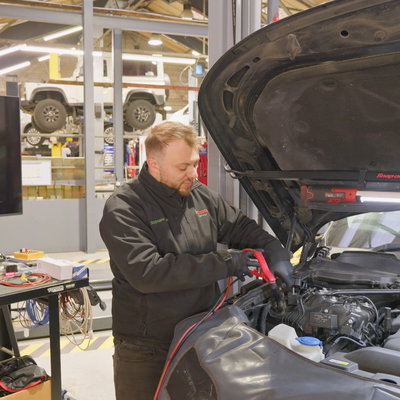
Accurately diagnosing the P0405 fault code is essential for resolving the issue efficiently and avoiding unnecessary repairs. At Stedmans Garage in Worthing, our team of qualified technicians combines hands-on expertise with advanced diagnostic equipment to identify the root cause of the problem, rather than merely addressing the symptoms.
Initial Assessment and Consultation
The diagnostic process typically begins with a customer consultation. Drivers often report symptoms such as reduced engine power, warning lights, or irregular idling. These accounts provide valuable context for technicians before any equipment is connected. Understanding the driving conditions under which the symptoms occur, such as cold starts, motorway driving, or city traffic, can help pinpoint whether the issue is intermittent or constant.
Step-by-Step Diagnostic Process
1. Code Retrieval
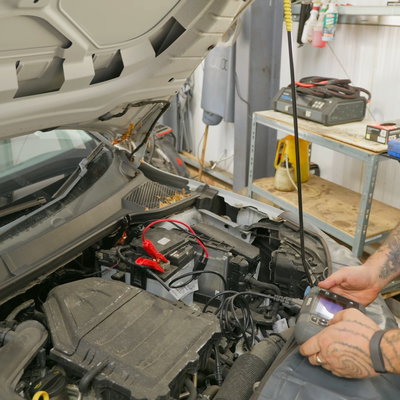
The first technical step involves connecting the vehicle to a diagnostic interface using an OBD-II scanner. At Stedmans, we use manufacturer-level diagnostic tools that are compatible with VAG vehicles, allowing us to access detailed fault codes and system-specific data. Once connected, the P0405 code is retrieved along with any other stored or pending codes that might offer further insight into related systems.
2. Live Data Monitoring
Our technicians then monitor real-time data from the EGR sensor and other related components. This includes voltage readings, valve position percentages, air flow rates, and engine load. This live data can confirm whether the EGR valve is opening and closing as expected or if the readings fall outside the manufacturer-specified thresholds.
3. Visual and Physical Inspection
An essential part of diagnosing P0405 involves a thorough visual inspection. We check for:
- Loose or corroded connectors
- Damaged or exposed wiring around the EGR sensor and valve
- Soot deposits or carbon build-up obstructing the valve mechanism
If necessary, we’ll remove the EGR valve to inspect its condition more closely. In diesel engines, carbon deposits are a frequent issue due to the nature of exhaust gases.
4. Component Testing
If the physical condition appears satisfactory, the next step involves testing the EGR sensor and associated wiring circuits using a multimeter. We measure voltage, resistance, and continuity to verify whether the sensor is sending accurate signals to the ECU. If the sensor reports consistently low voltage, it may be internally damaged or receiving incorrect power.
5. ECU and Software Review
Occasionally, the fault lies in the engine control unit itself. Our diagnostic tools allow for ECU software interrogation to check for bugs, outdated firmware, or calibration errors. In some instances, a software update may be all that’s required to correct false readings.
6. Report and Repair Recommendation
Once the diagnostic is complete, we provide a written report summarising the findings, including code definitions, component performance, and visual observations. We then recommend the most effective repair options, prioritising safety, reliability, and cost-effectiveness. Our quotes are fully transparent, with no surprise charges added later.
Why Professional Diagnostics Matter
While DIY OBD-II scanners are available to the public, they often only provide basic fault codes without context or live data. Misinterpreting these codes can lead to unnecessary part replacements or ignoring more serious underlying issues. At Stedmans Garage, we combine professional-grade equipment with brand-specific knowledge, especially for VAG vehicles, to deliver accurate results the first time.
With our diagnostic assessment, customers receive premium service that includes a complete report and expert guidance. Whether the issue turns out to be a simple wiring fault or a more complex sensor failure, our team ensures each diagnosis leads to a reliable repair.
Repair Solutions for the P0405 Code
Once a thorough diagnosis has confirmed the cause of the P0405 fault code, the next step is to implement the correct repair. At Stedmans Garage, we take a methodical approach to fixing faults, aiming not only to resolve the issue but to prevent its recurrence. Our repairs are based on the specific fault identified during diagnostics and are always carried out using high-quality parts and tools suitable for VAG (Volkswagen Audi Group) vehicles.
1. Cleaning or Replacing the EGR Valve
In many cases, carbon build-up is the primary cause of EGR valve malfunction. This is especially common in diesel engines, where soot and unburnt fuel can clog the valve over time. If the valve is not physically damaged, we may opt to remove and clean it thoroughly using specialist carbon-removal solutions and tools. The valve is then tested to ensure it opens and closes freely.
However, if the valve is sticking, cracked, or electrically faulty, replacement is the most reliable option. At Stedmans Garage, we use either genuine VAG parts or trusted aftermarket equivalents that meet or exceed OEM standards. New valves are fitted with care, and the system is re-tested to confirm full functionality.
2. Wiring and Connector Repairs
A faulty signal from the EGR sensor can sometimes be traced back to the wiring harness or a corroded connector. Our technicians conduct a continuity and voltage test to identify breaks, shorts, or degraded insulation within the wiring. If necessary, we repair or replace the affected wires and connectors using proper automotive-grade materials.
We also apply protective sealants or conduit to prevent water ingress and ensure long-term durability. After repairs are completed, the system is reconnected and tested to verify communication between the sensor and ECU has been restored.
3. Sensor Replacement
If the EGR position sensor itself is found to be faulty, due to internal damage or signal failure, we replace it with a unit specified for your make and model. This ensures compatibility with your vehicle’s ECU and avoids calibration errors. It’s important that sensors are not only physically installed correctly but also re-initialised according to manufacturer procedures, which our team is trained to perform.
4. ECU Reprogramming or Replacement
In rare instances, the issue may lie within the engine control unit (ECU). This could be due to a software anomaly, an interrupted update, or a data corruption. If our diagnostics reveal a software-related problem, we may reflash the ECU with the latest manufacturer-approved firmware.
Should the ECU itself be damaged or unresponsive, we can replace it with a new or reconditioned unit, followed by full programming and re-coding to ensure all systems communicate correctly. This is a specialist-level repair that we are fully equipped to carry out in-house.
5. Post-Repair Verification
After any repair is completed, a follow-up diagnostic scan is performed to confirm that the P0405 code has been cleared and does not return during test driving. Live data is reviewed to ensure the EGR valve and sensor are functioning within expected parameters. This final step is essential to guarantee that the repair is not only effective but also durable under real-world driving conditions.
Peace of Mind at Stedmans Garage
All work carried out at our Worthing facility is backed by a customer satisfaction promise. We take pride in offering honest advice, transparent pricing, and repairs that are built to last. Whether it’s a quick fix or a more in-depth repair, our aim is to restore your vehicle’s performance and reliability with minimal disruption to your schedule.
The Importance of Preventative Maintenance
Preventative maintenance is one of the most effective ways to avoid unexpected breakdowns and fault codes like P0405. Rather than waiting for warning lights to appear or performance to deteriorate, vehicle owners can take a proactive approach by scheduling regular checks and servicing. This not only helps extend the life of key components but also improves safety, fuel economy, and overall vehicle reliability.
Why Preventative Maintenance Matters
The EGR system is particularly vulnerable to wear and contamination over time, especially in diesel engines. Soot and carbon deposits build up gradually and can go unnoticed until the valve becomes completely blocked or the sensor fails. Regular inspections and cleaning, typically carried out during servicing, can reduce the risk of such issues occurring.
Similarly, electrical components like sensors and control units can degrade or become affected by moisture, corrosion, or vibration. These issues are often predictable and preventable with routine diagnostics and careful visual inspections.
At Stedmans Garage, we recommend combining general servicing with a diagnostic health check, particularly for vehicles over five years old or those used for short, frequent trips, which can accelerate carbon build-up and electrical wear.
Recommended Maintenance Intervals
Most manufacturers suggest the following maintenance schedule:
- Full service: Every 12 months or 10,000-12,000 miles, whichever comes first
- Interim service: Every 6 months or 6,000 miles
- EGR system inspection: Every 12-24 months, depending on usage
- Diagnostic scan: Annually or at the first sign of performance issues
By adhering to these intervals, you can catch minor problems before they escalate into more serious and expensive repairs.
Services Offered at Stedmans
We offer a range of preventative maintenance services, including:
- Carbon cleaning for EGR and intake systems
- Software updates and ECU checks
- Battery and electrical system diagnostics
- Engine, brake, and suspension inspections
- Customised service plans based on make, model, and usage
Our convenient online booking system and flexible appointment times make it easy for drivers in Worthing to prioritise vehicle health without disrupting their schedule.
Why Choose Stedmans Garage in Worthing
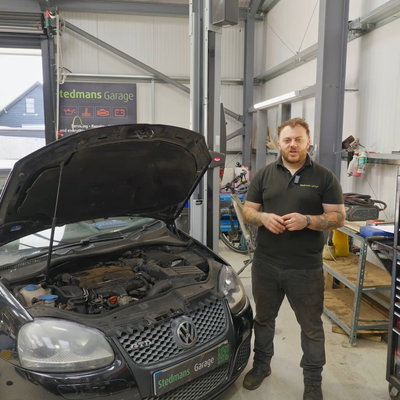
Stedmans Garage has been proudly serving the Worthing community since 1923, making us the town’s longest-standing independent vehicle repair centre. Over the decades, we’ve built a reputation for technical excellence, reliable service, and honest advice. When it comes to diagnosing and repairing complex faults like P0405, our experience and investment in modern technology set us apart.
Specialist Knowledge of VAG Vehicles
Volkswagen, Audi, SEAT, and Skoda vehicles are equipped with advanced electronic systems that require specialist attention. Our technicians receive dedicated training in VAG systems and use diagnostic tools that interface directly with manufacturer software. This means we can accurately decode fault messages, perform component testing, and apply the correct fix without guesswork.
Whether it’s a Golf, A3, Leon, or Octavia, we know the intricacies of VAG engineering and have supported hundreds of local drivers with everything from emissions faults to gearbox issues.
Advanced Diagnostic Tools
Our garage is equipped with manufacturer-level diagnostic equipment, enabling us to perform full system scans, live data monitoring, and ECU programming. These tools go beyond standard OBD-II readers, allowing us to identify not just what the fault is, but why it occurred.
Quality Workmanship and Transparent Service
At Stedmans, we believe in doing the job properly the first time. We use only high-quality parts, whether genuine or approved aftermarket, and all work is carried out to strict quality standards. Before any repair is undertaken, we provide a clear quote and explanation so you can make an informed decision. There are no hidden fees or surprise charges, just clear, honest service.
Trusted by the Community
We’re proud of our long-standing reputation in Worthing and are consistently rated highly in our Google reviews. Our customers return year after year because they trust us with their vehicles and appreciate our personal, no-nonsense approach.
With convenient online booking, flexible appointments, and a central location just behind the Esso petrol station on Arundel Road, we make it easy for you to access professional, trustworthy vehicle care.
Conclusion
The P0405 fault code may seem like a minor sensor issue on the surface, but it is closely tied to your vehicle’s emissions control and engine management systems. When the EGR sensor fails to send the correct signal to the ECU, it can lead to a range of problems that affect performance, fuel economy, and even legal compliance through MOT failures.
Understanding what the P0405 code means, being able to recognise its symptoms, and acting quickly can save you time, money, and frustration. Whether the cause is a stuck EGR valve, faulty wiring, or a failed sensor, prompt diagnosis and repair are key to keeping your VAG vehicle running as it should.
At Stedmans Garage, we specialise in providing accurate diagnostics and high-quality repairs for all VAG models. Our experienced technicians, advanced tools, and commitment to customer satisfaction make us the go-to garage for drivers in Worthing and the surrounding areas.
Don’t wait for the warning light to turn into a costly repair. Book your diagnostic assessment with Stedmans Garage today and drive with confidence knowing your vehicle is in expert hands.
Frequently Asked Questions about P0405
What does P0405 mean?
P0405 stands for ‘Exhaust Gas Recirculation Sensor A Circuit Low’. It means the engine control unit has seen the signal voltage from the EGR position sensor (sensor A) drop below the lower calibrated threshold, typically under around 0.2 volts. It is a hard electrical fault rather than a flow problem: either the sensor itself has failed short to ground, the signal wire has shorted to ground, or the 5V reference has been lost.
What are the symptoms of P0405?
Typical symptoms include the engine management light, hesitation on acceleration, a rough idle, slightly worse fuel economy, and intermittent limp-mode events. Because the ECU can no longer trust the EGR position feedback, it usually defaults to a safe EGR strategy, which on VAG TDIs feels flat and may produce more visible exhaust smoke under load. The car will often still drive but performance is noticeably down.
Is it safe to drive with a P0405 code?
Short trips are usually fine but it is not something to leave. With no usable EGR position feedback, combustion temperatures and emissions are no longer being properly controlled, and on diesels the DPF can start to load up faster than normal. If the car has dropped into limp mode, restrict it to essential journeys only. You can book a proper VAG-level diagnostic via /car-diagnostics-in-worthing/.
What causes P0405?
The most common cause on VAG vehicles is a wiring fault between the EGR position sensor and the ECU: chafed insulation, a corroded connector or a pushed-back pin causing a short to ground. After that, the next most likely causes are a failed EGR position sensor inside the valve, a loss of 5V reference from the ECU to the sensor, water or oil ingress into the EGR connector, and (rarely) a damaged ECU driver. A faulty EGR valve mechanism on its own does not normally cause P0405.
Can I clear P0405 myself?
You can clear it with an OBD-II scanner, but because P0405 is an active electrical fault, it will normally set again within seconds of the next key-on. Clearing also wipes the freeze-frame data and emissions readiness monitors needed for the MOT. After replacing an EGR valve or position sensor on a VAG vehicle, a basic-setting/adaptation procedure is usually required with VCDS or an equivalent diagnostic tool.
Will P0405 make my car fail the MOT?
Yes. A live P0405 keeps the engine management light on, which is an automatic MOT failure under current DVSA rules. On diesels, the MOT smoke test is particularly sensitive to EGR faults and the car may also fail on smoke opacity. On petrol VAG vehicles, post-cat emissions can creep over limit too. Either way, the safe route is to fix the fault, complete a full drive cycle so the readiness monitors set, then book the MOT.
Which VAG models are most affected by P0405?
P0405 is most common on VAG diesels: 1.9 TDI, 2.0 TDI and 1.6 TDI engines in the VW Golf, Passat, Touran, Caddy, Audi A3, A4, A6, SEAT Leon and Skoda Octavia, particularly higher-mileage cars where the EGR loom has been heat-cycled near the turbo for years. It also appears on some 1.4 and 1.8 TSI petrol VAG vehicles. Our /makes/audi-specialist/ team has the right wiring diagrams and VAG-level tools for circuit-level work.
What is the difference between P0405 and P0406?
Both codes relate to the EGR position sensor A circuit. P0405 is circuit low: the signal voltage has dropped below the minimum threshold, usually due to a short to ground, a failed sensor or a lost 5V reference. P0406 is circuit high: the signal voltage has gone above the maximum threshold, usually due to an open circuit, a broken signal wire, or a sensor failed open. Same circuit, opposite failure modes, different diagnostic checks.