Introduction
Cylinder misfire is a pressing concern for many vehicle owners, particularly those driving luxury models such as the Bentley Flying Spur (2014). A cylinder misfire occurs when one or more cylinders in an engine fail to produce power during the combustion process, leading to engine performance issues. For owners of the Bentley Flying Spur, a model revered for its blend of opulence and performance, understanding the implications of cylinder misfires is crucial. This blog aims to educate Bentley owners, automotive enthusiasts, and repair professionals in the UK on the nature of cylinder misfire issues specific to the 2014 Bentley Flying Spur.
Throughout this post, we will explore the mechanics of cylinder misfires, their symptoms, diagnostic processes, common causes, and repair options. By the end, readers will be equipped with the knowledge to identify, diagnose, and address cylinder misfire issues effectively, ensuring their Bentley Flying Spur maintains its esteemed performance and reliability.
Understanding Cylinder Misfire Issues
What is a Cylinder Misfire?
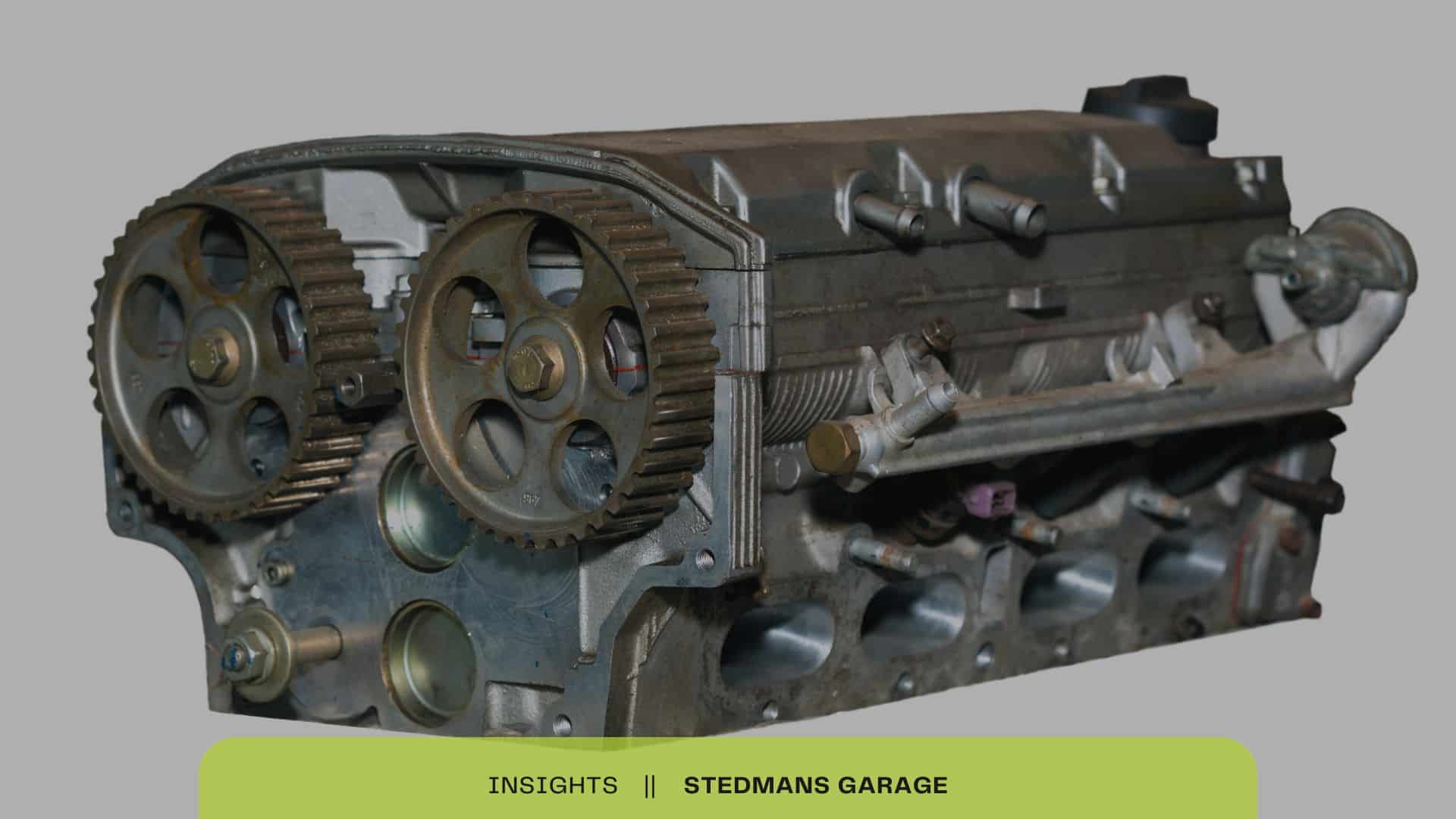
A cylinder misfire occurs when the combustion process in a cylinder is disrupted, leading to a failure in producing the expected power output. In the context of the Bentley Flying Spur’s sophisticated engine, which features advanced fuel injection and ignition systems, a misfire can significantly affect overall engine performance.
When a cylinder misfires, it can lead to various engine performance issues, such as reduced acceleration, increased emissions, and overall engine roughness. This is particularly noticeable in high-performance vehicles like the Bentley Flying Spur, where smooth and powerful engine operation is paramount.
Mechanics Behind Misfires in the Bentley Flying Spur
In the Bentley Flying Spur, a misfire can be attributed to several factors:
- Ignition System Failures: The ignition system, comprising spark plugs, ignition coils, and wiring, plays a crucial role in initiating combustion. If any component fails, it can lead to a misfire.
- Fuel Delivery Issues: The engine requires a precise air-fuel mixture for optimal combustion. Blockages in fuel injectors or issues with the fuel pump can disrupt this balance, causing misfires.
- Mechanical Problems: Internal engine issues, such as low compression due to worn piston rings or valve problems, can also lead to cylinder misfires.
- Electrical Issues: Faulty sensors, such as the crankshaft position sensor or camshaft position sensor, can result in incorrect timing of the ignition and fuel delivery, leading to misfires.
Understanding these mechanics is crucial for Bentley owners, as it aids in identifying potential problems before they escalate.
Symptoms of Cylinder Misfire in the Bentley Flying Spur
Recognising the symptoms of a cylinder misfire is essential for prompt diagnosis and repair. The following are common signs that Bentley owners may encounter:
Common Symptoms
- Rough Idling: If your Bentley Flying Spur is idling unevenly, this could be a clear indicator of a cylinder misfire. You may notice vibrations or a shaking sensation while at a stoplight.
- Reduced Engine Performance: A sudden decrease in acceleration or power, especially when attempting to increase speed, can signify that one or more cylinders are not firing correctly.
- Warning Lights: The “Check Engine” light may illuminate on the dashboard. This light can be triggered by various engine issues, including misfires.
- Unusual Exhaust Emissions: If you notice a decrease in fuel efficiency or see unusual smoke colours from the exhaust, it could indicate that the engine is not burning fuel efficiently due to a misfire.
- Increased Fuel Consumption: Cylinder misfires can lead to poor fuel economy as the engine works harder to compensate for the loss of power.
Real-World Examples
- Driving Conditions: In typical UK driving conditions, where weather can be unpredictable, a misfire might be more noticeable during cold starts or rainy weather when moisture can affect ignition components.
- Experiences from Other Owners: Many Bentley Flying Spur owners have reported experiencing rough idling during the winter months, where cold weather can exacerbate ignition system failures.
Understanding these symptoms can help owners take action before the issue becomes severe, potentially saving on costly repairs.
Diagnosing Cylinder Misfire Problems
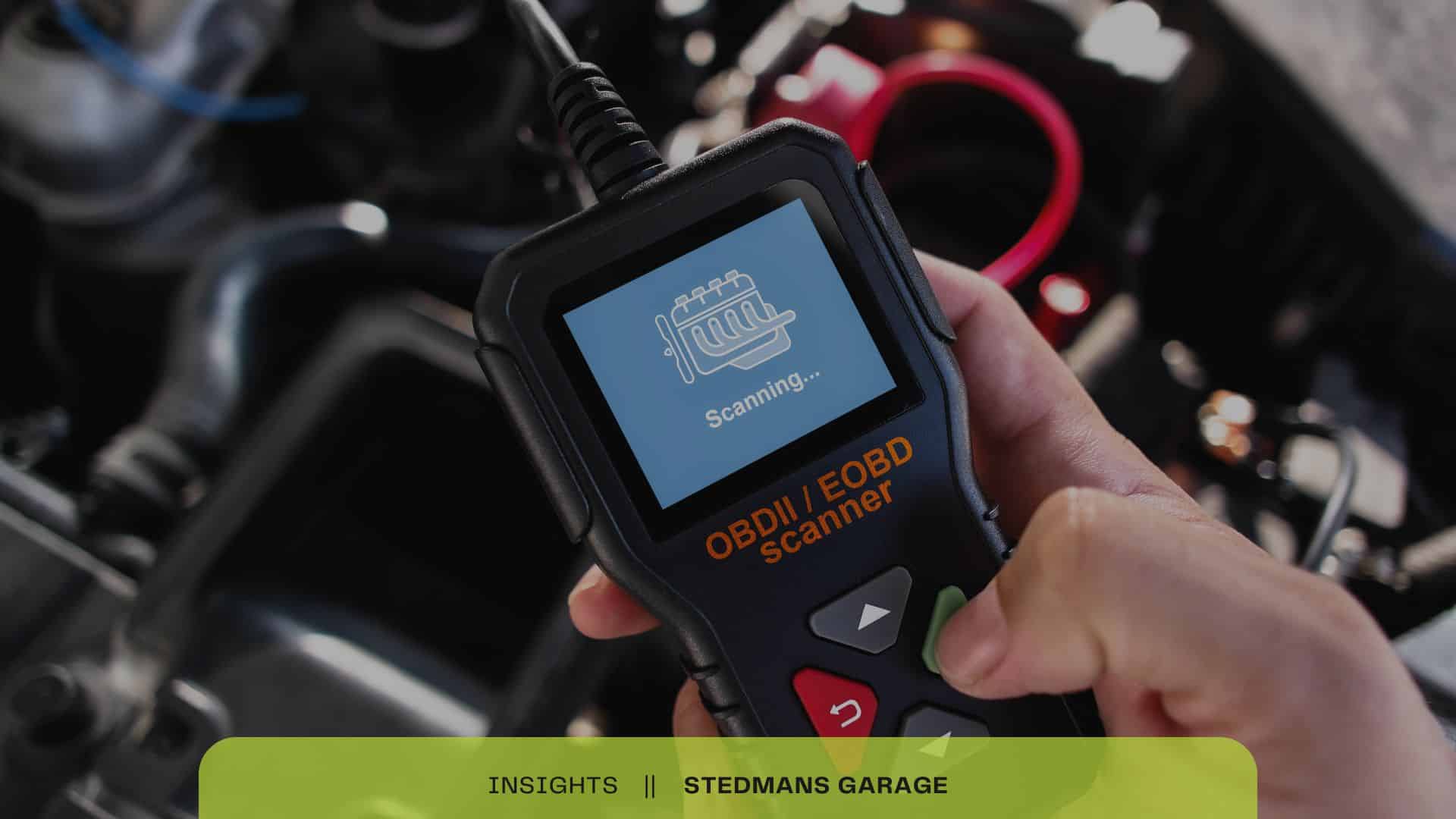
Diagnosing a cylinder misfire in a Bentley Flying Spur requires a structured approach, often involving the following steps:
Diagnostic Process
- Using Diagnostic Tools: Mechanics typically employ an OBD-II scanner to read trouble codes from the vehicle’s computer. Codes related to misfires (e.g., P0300 to P0308) can indicate which cylinder is affected.
- Visual Inspection: A thorough inspection of the ignition system, fuel injectors, and engine components can reveal visible signs of wear or damage.
- Compression Testing: This test measures the pressure within each cylinder. Low compression can indicate mechanical issues causing misfires.
- Fuel Pressure Testing: Ensuring that the fuel delivery system operates within the required parameters can help identify fuel-related issues.
UK-Specific Regulations
In the UK, vehicles must adhere to stringent emissions standards. Failure to diagnose and repair cylinder misfire issues can lead to increased emissions and potential fines during MOT inspections. This makes timely diagnosis all the more critical for Bentley owners.
Practical Diagnostic Scenarios
- Scenario 1: A Bentley owner notices rough idling and poor acceleration. The OBD-II scanner reveals a misfire code for cylinder 2. Upon inspection, the ignition coil for that cylinder is found to be faulty and is replaced, resolving the issue.
- Scenario 2: After experiencing decreased fuel efficiency, a driver uses a compression tester and finds low compression in cylinder 4, indicating a valve issue that requires further investigation.
By understanding the diagnostic process, Bentley owners can confidently approach their mechanics and discuss potential issues, ensuring that their vehicles receive the necessary attention.
Common Causes of Cylinder Misfires in the 2014 Bentley Flying Spur

Several factors can lead to cylinder misfires in the 2014 Bentley Flying Spur, including:
Ignition System Failures
- Worn Spark Plugs: Over time, spark plugs wear down, leading to weak or intermittent spark. This is one of the most common causes of misfires.
- Faulty Ignition Coils: Ignition coils can fail, preventing the spark plug from receiving the necessary voltage to ignite the air-fuel mixture.
Fuel Delivery Issues
- Clogged Fuel Injectors: Dirt and debris can clog fuel injectors, disrupting the flow of fuel to the cylinder and leading to misfires.
- Fuel Pump Problems: A failing fuel pump may not provide sufficient pressure, leading to an inadequate fuel supply.
Mechanical Problems
- Worn Piston Rings: Low compression can occur due to worn piston rings, resulting in incomplete combustion.
- Valve Issues: If valves are not seating correctly, it can lead to poor airflow into the cylinder, causing misfires.
Impact of UK Climate and Driving Conditions
The UK’s climate can exacerbate some of these issues. For example, damp conditions can lead to corrosion in ignition components, while colder temperatures can affect battery performance, impacting ignition efficiency. Additionally, frequent short journeys typical in urban driving can prevent the engine from reaching optimal operating temperature, leading to incomplete combustion and misfires.
Repairing Cylinder Misfire Issues
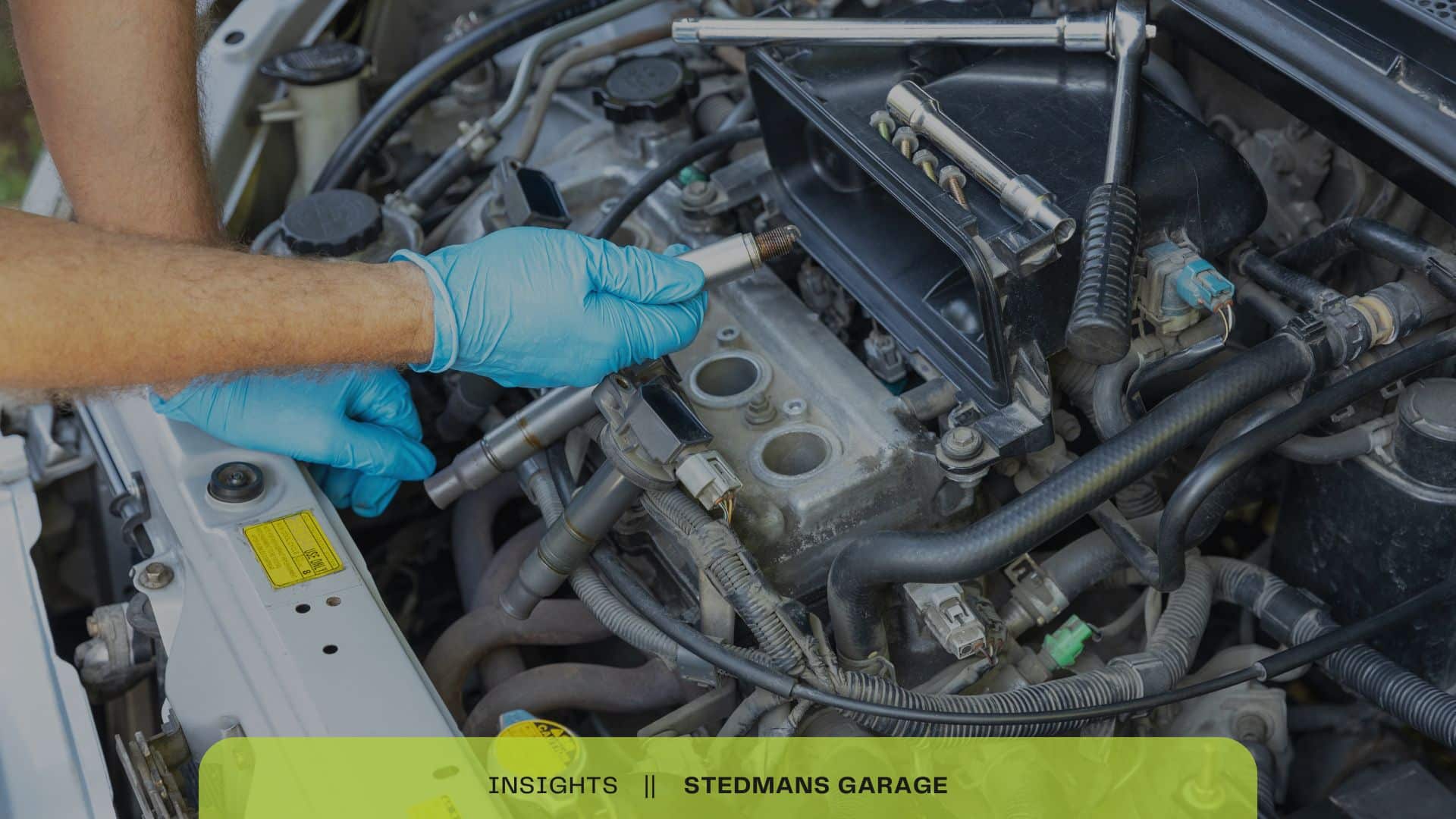
When it comes to repairing cylinder misfires in the Bentley Flying Spur, owners have several options ranging from DIY fixes to professional assistance.
Possible Repair Options
- DIY Fixes:
- Spark Plug Replacement: Routine replacement of spark plugs can prevent misfires. Bentley owners should consider using OEM parts for the best performance.
- Ignition Coil Replacement: If diagnostics indicate a faulty ignition coil, replacing it can often resolve misfire issues.
- Professional Help:
- Comprehensive Diagnostics: For more complex issues, seeking professional diagnostics can ensure that all potential problems are identified and addressed.
- Engine Overhaul: In cases of severe mechanical failure, an engine overhaul might be necessary, which can be costly but essential for preserving the vehicle’s integrity.
Costs Involved
The costs of repairing a cylinder misfire in a Bentley Flying Spur can vary widely based on the underlying cause:
- Spark Plug Replacement: Typically ranges from £150 to £300, depending on labour and parts.
- Ignition Coil Replacement: Costs around £100 to £250 per coil, depending on the number of coils needed.
- Professional Diagnostics: Expect to pay between £50 and £150 for a diagnostic assessment.
- Engine Repairs: More extensive repairs, such as a complete engine overhaul, can run into the thousands, highlighting the importance of early detection and maintenance.
Actionable Tips for Preventing Cylinder Misfire Issues
Preventing cylinder misfire issues in your Bentley Flying Spur can save you time, money, and headaches. Here are some actionable tips:
- Regular Maintenance:
- Schedule routine maintenance checks every 10,000 miles or annually, whichever comes first.
- Replace spark plugs and ignition coils as recommended in the owner’s manual.
- Monitor Engine Performance:
- Pay attention to engine sounds and performance changes. Address any rough idling or misfires immediately to prevent further damage.
- Pay attention to engine sounds and performance changes. Address any rough idling or misfires immediately to prevent further damage.
- Use Quality Fuel:
- Opt for high-quality fuel with adequate octane ratings to ensure proper engine function and prevent fuel-related misfires.
- Opt for high-quality fuel with adequate octane ratings to ensure proper engine function and prevent fuel-related misfires.
- Check Engine Lights:
- If the “Check Engine” light illuminates, don’t ignore it. Use an OBD-II scanner or take the vehicle to a mechanic as soon as possible.
- If the “Check Engine” light illuminates, don’t ignore it. Use an OBD-II scanner or take the vehicle to a mechanic as soon as possible.
- Environmental Considerations:
- Keep the engine clean and free from debris. Consider using a fuel injector cleaner periodically to prevent clogging.
- Keep the engine clean and free from debris. Consider using a fuel injector cleaner periodically to prevent clogging.
- Drive Responsibly:
- Avoid abrupt acceleration and high-speed driving in cold weather to allow the engine to warm up properly.
By adhering to these tips, Bentley owners can significantly reduce the likelihood of experiencing cylinder misfire issues and ensure their vehicles remain in peak condition.
Conclusion
In summary, understanding cylinder misfire issues specific to the Bentley Flying Spur (2014) is essential for maintaining the vehicle’s performance. From recognising symptoms and diagnosing problems to understanding common causes and exploring repair options, this blog has equipped Bentley owners with valuable insights. Addressing cylinder misfires promptly not only enhances engine performance but also prolongs the life of the vehicle.
As a Bentley owner, it is crucial to monitor your vehicle’s performance and consult with professionals when necessary. By staying informed and proactive, you can enjoy the luxurious driving experience that the Bentley Flying Spur is designed to offer. Start monitoring your vehicle today and ensure it continues to perform at its best!