Introduction
Understanding the brake system noises in your Bentley Bentayga (2018) is essential for maintaining both safety and performance in this luxury SUV. The brake system is one of the most critical components of any vehicle, and any unusual sounds can indicate underlying issues that require immediate attention. For Bentley Bentayga owners, being aware of these noises can help prevent minor issues from escalating into costly repairs or even hazardous driving situations.
This blog post aims to provide a comprehensive understanding of brake system noises, particularly those specific to the Bentley Bentayga. We’ll explore common sounds, their causes, and preventive maintenance tips. By the end, you’ll be equipped with the knowledge to identify potential brake issues, ensuring that your vehicle remains in excellent condition and continues to deliver the luxury driving experience associated with the Bentley brand.
Understanding Brake System Noises
Types of Noises and Their Implications
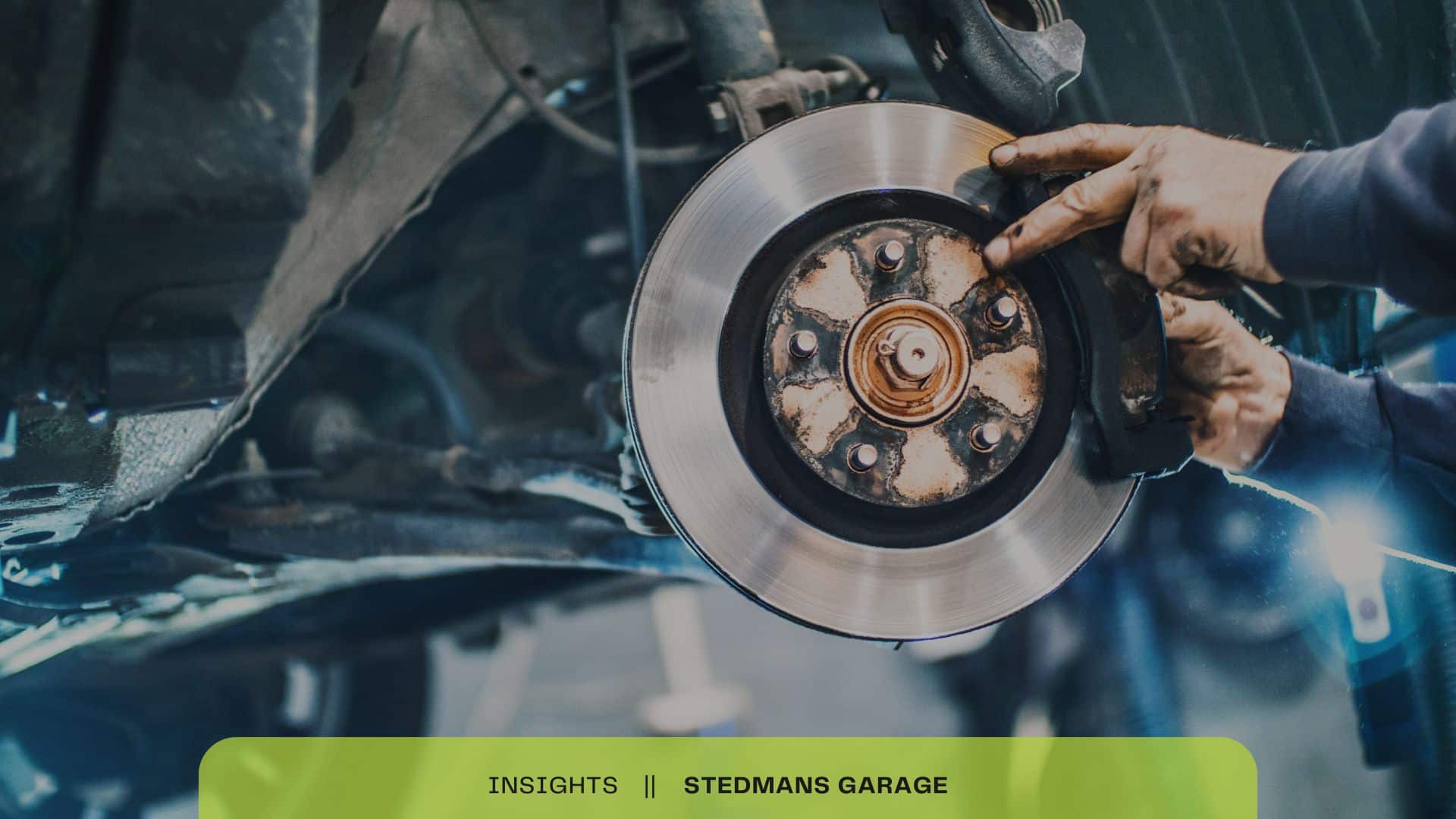
Brake system noises can vary widely, from subtle sounds to alarming clunks. Understanding these noises is crucial for Bentley Bentayga owners, as they often serve as indicators of the health of your braking system. Here are the most common types of brake system noises:
- Squeaking or Squealing: This high-pitched sound often occurs when brake pads are worn down. Most modern brake pads are designed with wear indicators that produce a squeak when the material is thin, alerting the driver to the need for replacement.
- Grinding: A grinding noise generally indicates that the brake pads have worn down to the metal backing, leading to metal-on-metal contact. This situation can severely damage brake discs and should be addressed immediately.
- Clicking or Thumping: These noises may arise from loose components or debris caught in the braking system. They can sometimes indicate issues with the brake calipers or mounting hardware.
Importance for Bentley Bentayga Owners
For Bentley Bentayga owners, recognising these noises is especially important, given the vehicle’s high-performance braking system and luxury positioning. Ignoring brake noises can lead to diminished braking efficiency, increased repair costs, and potential safety hazards. Staying attentive to these sounds ensures that you can address any issues promptly, maintaining both your vehicle’s performance and safety.
Common Brake System Noises in the Bentley Bentayga
Squeaking Noises
Squeaking noises in the Bentley Bentayga can often be traced back to worn brake pads. The high-quality brake pads used in this luxury SUV are designed for optimal performance, but they do have a finite lifespan. Here’s what you should know:
- Indication of Worn Brake Pads: If you hear a squeaking noise, it is typically a warning signal from the wear indicators embedded in the pads. These indicators are specifically designed to alert drivers when the pads need replacing.
- Scenario Examples: You may notice this squeaking sound when you first start driving after the vehicle has been parked for some time, especially in damp conditions. This is often caused by moisture on the brake pads and discs, which can temporarily create noise until the surfaces dry out and contact is restored.
Grinding Noises
Grinding noises are a more serious concern and warrant immediate attention. For Bentley Bentayga owners, understanding the implications of a grinding sound is vital:
- Potential Causes: Grinding noises usually indicate that the brake pads have worn down completely and are no longer providing adequate cushioning between the brake disc and caliper. This results in metal-on-metal contact, which can damage the brake discs and lead to costly repairs.
- Bentley Bentayga Specifics: Given the performance-oriented design of the Bentayga, if you hear grinding noises, it is crucial to stop driving as soon as it is safe to do so. Continuing to drive with grinding brakes can lead to severe damage to the brake rotor, which may require replacement.
Clicking or Thumping Noises
Clicking or thumping noises can be unsettling, but they may not always signify a severe issue. Here’s how to assess these sounds:
- Possible Significance: Clicking noises could be attributed to loose components within the brake system, such as calipers or pads that are not secured correctly. Thumping may occur if debris has lodged itself between moving components.
- When They Typically Occur: These noises may be more pronounced during low-speed braking or when turning, as the dynamics of the braking system change. It’s important to check for loose hardware and ensure that all components are secured properly.
Potential Causes of Brake System Noises
Factors Contributing to Noises
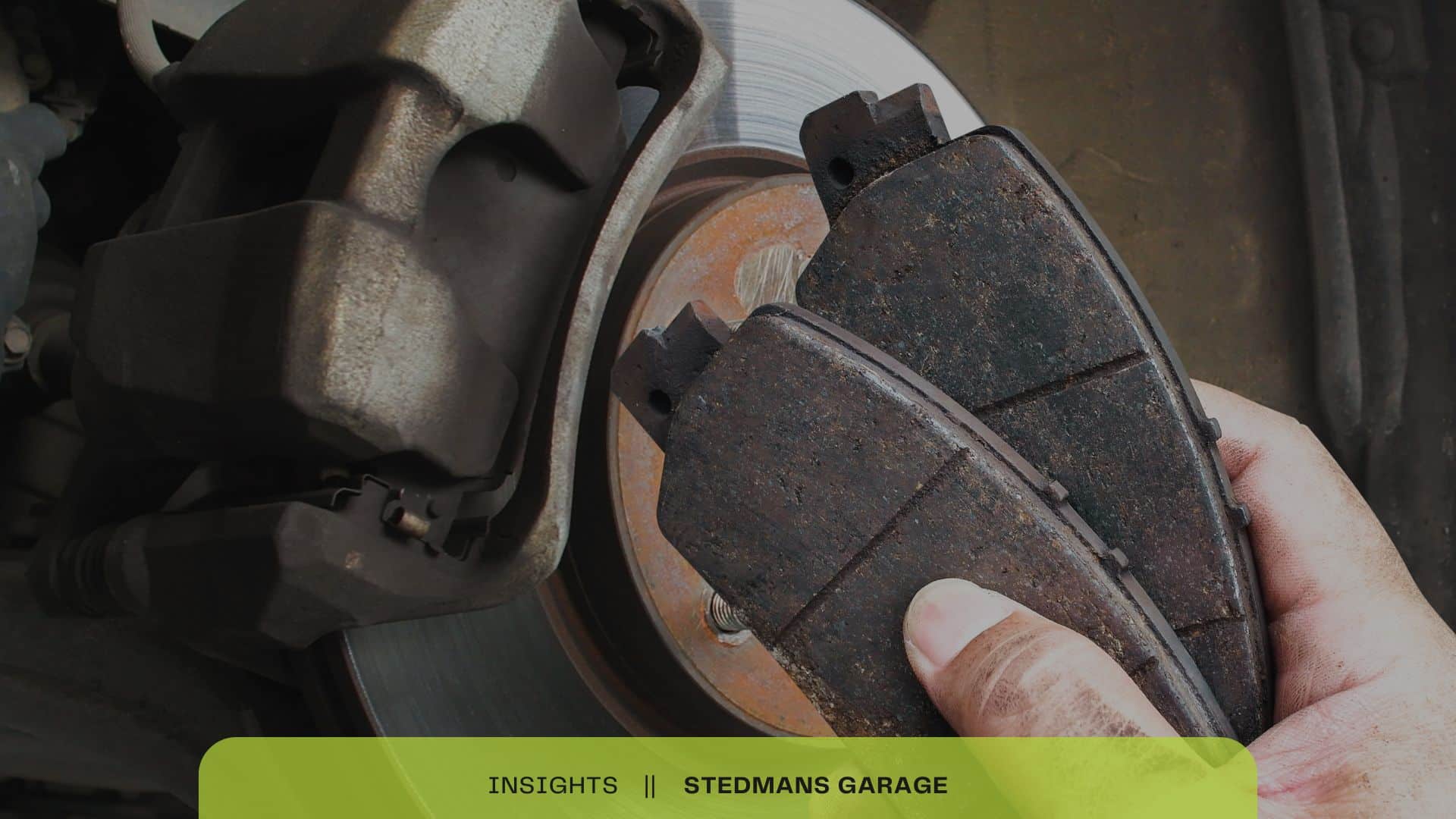
Understanding the root causes of brake system noises can assist Bentley Bentayga owners in diagnosing issues before they escalate. Here are some common factors:
- Worn Brake Pads and Discs: As mentioned previously, brake pads wear down over time. High-performance brake pads used in luxury vehicles like the Bentayga are designed to provide optimal stopping power but will eventually require replacement.
- Poor Installation or Maintenance: Incorrect installation of brake pads or components can lead to unusual noises. If recent brake work has been performed, it’s wise to have a professional check the installation.
- Environmental Factors: The UK’s varied weather conditions can affect brake performance. Moisture, road salt, and grime can accumulate on brake components, leading to noise and reduced efficiency.
- Quality of Parts: Using low-quality aftermarket parts can lead to increased noise and reduced braking performance. Always choose OEM (Original Equipment Manufacturer) parts to ensure compatibility and performance.
Practical Examples Relevant to Bentayga Owners
For instance, if a Bentley Bentayga owner frequently drives in urban areas where stop-and-go traffic is common, the brake pads may wear out more quickly due to the increased usage. Regular maintenance checks can help identify wear patterns and allow for timely replacements, preventing further issues.
Preventive Maintenance for Brake Systems
Importance of Regular Maintenance
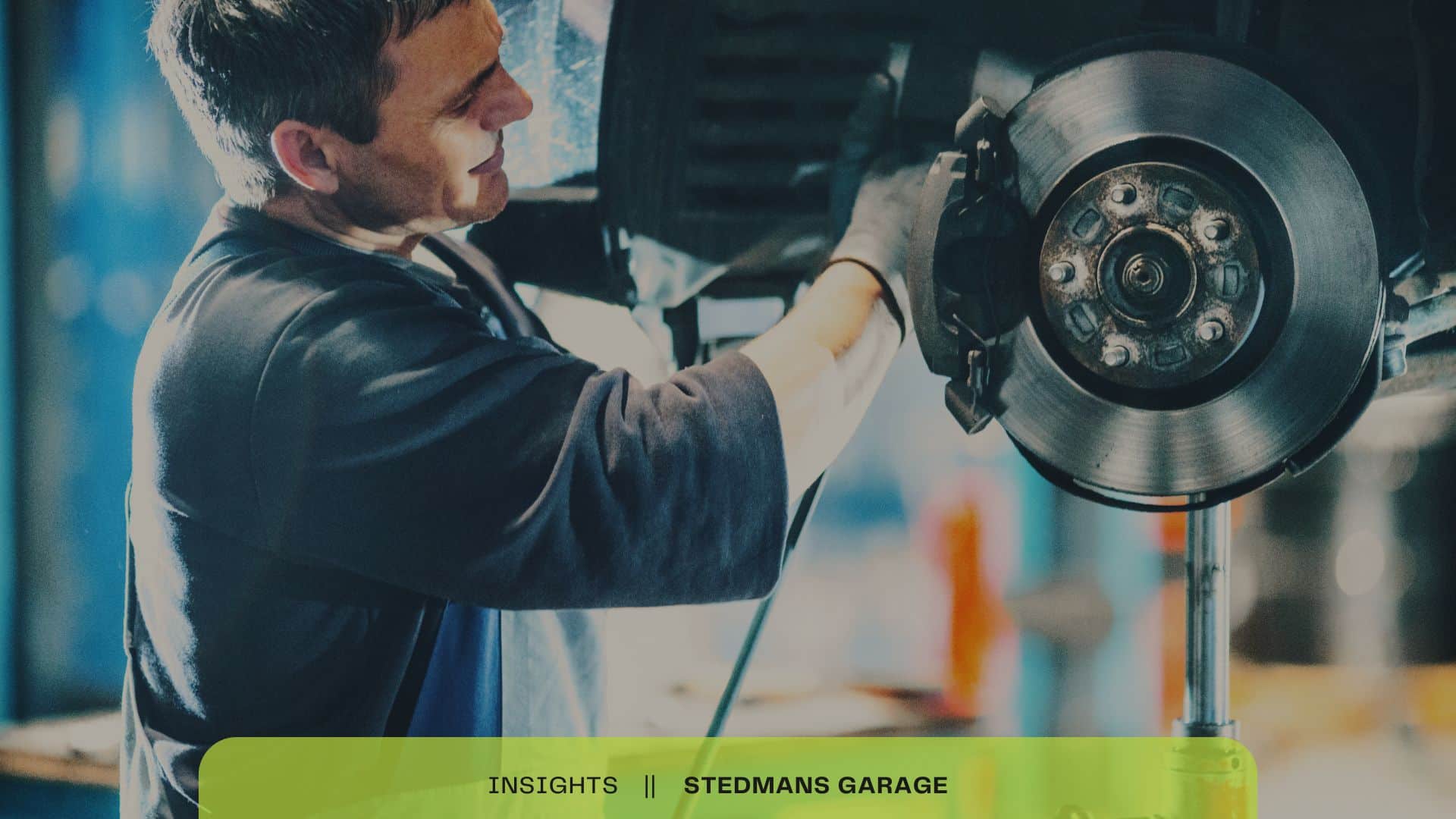
Regular brake maintenance is crucial for preventing brake system noises and ensuring the safety of your Bentley Bentayga. Here are some actionable tips for owners:
- Regular Inspections: Schedule regular brake inspections, ideally every 6 months or as recommended by your Bentley dealer. This will help identify any early signs of wear and ensure that your braking system is functioning optimally.
- Choosing the Right Brake Pads and Discs: Opt for high-quality brake pads and discs that are specifically designed for the Bentley Bentayga. This will not only enhance performance but also reduce noise levels.
- Scheduling Professional Check-Ups: When in doubt, consult a professional mechanic who has experience with luxury vehicle brake systems. They can provide a thorough inspection and advice tailored to your driving habits.
Additional Maintenance Tips
- Keep Brake Components Clean: Regularly clean your brake components to remove dirt and debris which can contribute to noise. This is particularly important if you frequently drive in wet or muddy conditions.
- Monitor Driving Habits: Gentle braking can extend the life of your brake pads and discs. Avoid harsh braking whenever possible to reduce wear and tear.
When to Seek Professional Assistance
Signs Indicating Professional Help is Needed
While some brake noises may be benign, others can indicate serious issues. Here are signs that it’s time to consult a professional:
- Persistent Noises: If noises persist after cleaning or if they worsen over time, it’s essential to get them checked.
- Decreased Performance: If you notice a decline in braking performance, such as longer stopping distances or a spongy brake pedal, you should seek help immediately.
- Dashboard Warning Lights: Any warning lights relating to the brake system should be addressed as soon as possible.
Finding a Qualified Technician
- Look for Specialisation: When searching for a mechanic, ensure they have experience with luxury vehicles, particularly the Bentley brand. This expertise is crucial for understanding the specific needs of your Bentayga.
- Check Reviews and Recommendations: Online reviews and recommendations from other Bentley owners can provide insights into the best local technicians.
- Ask About Warranty Services: If your vehicle is still under warranty, consult your dealer for any covered services related to the brake system.
Actionable Tips Section
Step-by-Step Guide for Bentley Bentayga Owners
If you notice brake system noises in your Bentley Bentayga, follow this step-by-step guide:
- Initial Inspection: Safely pull over and inspect your vehicle. Look for any visible signs of wear on the brake pads and discs. If you can safely do so, check for loose components.
- Listen Carefully: When driving, pay attention to the conditions under which the noises occur. Note whether they happen during braking, turning, or both. This information can be helpful for a technician.
- Document Noises: Keep a log of any noises or issues, including when they occur and any changes in performance. This documentation can assist mechanics in diagnosing the issue.
- Safe Driving Practices: Until the issue is resolved, adopt safe driving practices. Avoid hard braking and sudden stops, which can exacerbate the problem.
- Consult a Professional: If you’re unable to determine the cause of the noise or if it persists, schedule an appointment with a qualified technician as soon as possible.
Conclusion
Being vigilant about brake system noises in your Bentley Bentayga is crucial for ensuring both safety and performance. Understanding the common types of noises, their causes, and the importance of preventive maintenance can help you maintain your vehicle in peak condition.
If you notice any unusual sounds coming from your brake system, don’t hesitate to take action. Regular inspections and consultations with professionals can ensure that your luxury SUV continues to deliver the exceptional driving experience you expect from a Bentley.
Stay proactive, monitor your brake system, and seek professional help when necessary to protect your investment and ensure your safety on the road.