As a car owner in the UK, understanding the early warning signs of potential vehicle issues is crucial for maintaining your vehicle’s health and ensuring a smooth driving experience. The last thing you want is to be stranded on the side of the road due to a preventable breakdown. Identifying these signs early can save you both time and money while significantly reducing the likelihood of more severe problems arising. In this blog, we’ll provide you with essential insights into preventative maintenance and how to spot warning signs that may indicate an impending breakdown.
In this comprehensive guide, you will learn about the importance of preventative maintenance, the key warning signs to watch for, effective maintenance tips, and when to seek professional help. By the end of this article, you’ll feel empowered to take charge of your vehicle’s health and keep it running smoothly.
Understanding the Importance of Preventative Maintenance

What is Preventative Maintenance?
Preventative maintenance refers to the regular and routine actions taken to maintain a vehicle’s operational efficiency and prevent unexpected breakdowns. This proactive approach involves conducting routine checks and servicing that can significantly extend the lifespan of your vehicle and enhance its performance.
For UK drivers, preventative maintenance is particularly vital due to the diverse weather conditions and varying road conditions across the country. Regular vehicle health checks can help you identify potential problems before they escalate, leading to costly repairs or even complete breakdowns.
The Financial and Safety Benefits
Statistics show that a significant percentage of car breakdowns are caused by neglecting basic maintenance. According to the RAC, around 20% of breakdowns are due to battery issues, while engine problems account for another 25%. Engaging in preventative maintenance allows you to avoid these common pitfalls and save money on repairs.
Regular maintenance checks can also enhance safety. A well-maintained vehicle is less likely to experience sudden failures, which can lead to dangerous situations on the road. For instance, a faulty brake system could result in a collision, endangering not only the driver but also passengers and pedestrians.
Common Breakdown Scenarios in the UK
Consider an example: A driver neglects to check their oil levels, leading to an engine that runs low on lubrication. This oversight can result in engine overheating and, eventually, a complete engine failure. Regular checks could have prevented this situation, highlighting the importance of preventative maintenance.
Key Warning Signs to Look Out For

Identifying car breakdown signs early can make a significant difference in preventing serious issues. Here are some key warning signs you should be aware of:
Unusual Noises and Their Implications
Types of Noises to Listen For
- Grinding Noises: Often indicate an issue with the brakes. Worn brake pads can cause metal-on-metal contact, leading to severe braking problems.
- Squeaking or Squealing: May suggest that your brake pads need replacement or that there’s an issue with your engine belt.
- Rumbling or Knocking Sounds: Can indicate engine problems, such as loose components or low oil levels.
Practical Examples
If you hear a grinding noise when you press the brake pedal, it’s essential to have your brakes inspected immediately. Ignoring this sound could lead to complete brake failure and a potentially dangerous situation.
Warning Lights on the Dashboard
Understanding Dashboard Indicators
Modern vehicles are equipped with various warning lights that alert drivers to potential issues. Here are some common warning lights and their meanings:
- Engine Light: Indicates that the engine management system has detected a problem. This could range from minor issues, like a loose fuel cap, to severe engine problems.
- Oil Pressure Light: Signals that the oil pressure is too low, which can lead to engine damage if not addressed promptly.
- Battery Warning Light: Indicates potential battery or charging system issues.
Urgent vs. Non-Urgent Lights
While some warning lights may require immediate attention (like the oil pressure light), others can be monitored for a short period. For example, the engine light may not indicate an immediate problem; however, it’s essential to have it checked as soon as possible to avoid further complications.
Changes in Performance
Signs of Declining Performance
Changes in your vehicle’s performance can often precede a breakdown. Pay attention to the following signs:
- Difficulty Starting: If your vehicle struggles to start, it could indicate battery issues or problems with the ignition system.
- Reduced Power: A noticeable decrease in acceleration or power may point to fuel system problems or engine issues.
- Poor Fuel Efficiency: If you find yourself refuelling more frequently without any changes in driving habits, it may signal engine inefficiencies.
Illustrative Scenarios
Consider a scenario where a driver notices their car is taking longer to accelerate. This could be a sign of a clogged fuel filter, which, if left unaddressed, could lead to more severe engine problems.
Regular Checks and Maintenance Tips

Maintaining your vehicle doesn’t always require professional help; there are several checks you can perform yourself. Here’s a detailed list of maintenance checks that can help keep your vehicle in optimal condition:
Essential Maintenance Checks
- Fluids Check:
- Regularly check engine oil, coolant, brake fluid, and transmission fluid levels.
- Top off or replace fluids as necessary.
- Tyre Health:
- Check tyre pressure monthly and ensure they are inflated to the manufacturer’s recommended levels.
- Inspect the tread depth regularly. Use the 20p test: insert a 20p coin into the tyre tread; if the outer band of the coin is visible, it’s time to replace the tyre.
- Battery Maintenance:
- Inspect battery terminals for corrosion and ensure they are tightly secured.
- If your battery is over three years old, consider having it tested by a professional.
- Brake Inspection:
- Pay attention to the responsiveness of your brakes. If they feel spongy or take longer to engage, have them checked.
- Wiper Blades:
- Replace wiper blades at least once a year or sooner if you notice streaking on the windshield.
UK-Specific Considerations
In the UK, vehicles must undergo an annual MOT (Ministry of Transport) test once they are three years old. This test checks for safety, roadworthiness, and exhaust emissions. Regular servicing can help ensure your vehicle passes the MOT without issues.
Actionable Insights
- Create a maintenance schedule that outlines when to check each component of your vehicle.
- Keep a log of all maintenance activities and repairs. This record can help you stay organised and is beneficial for resale value.
When to Seek Professional Help
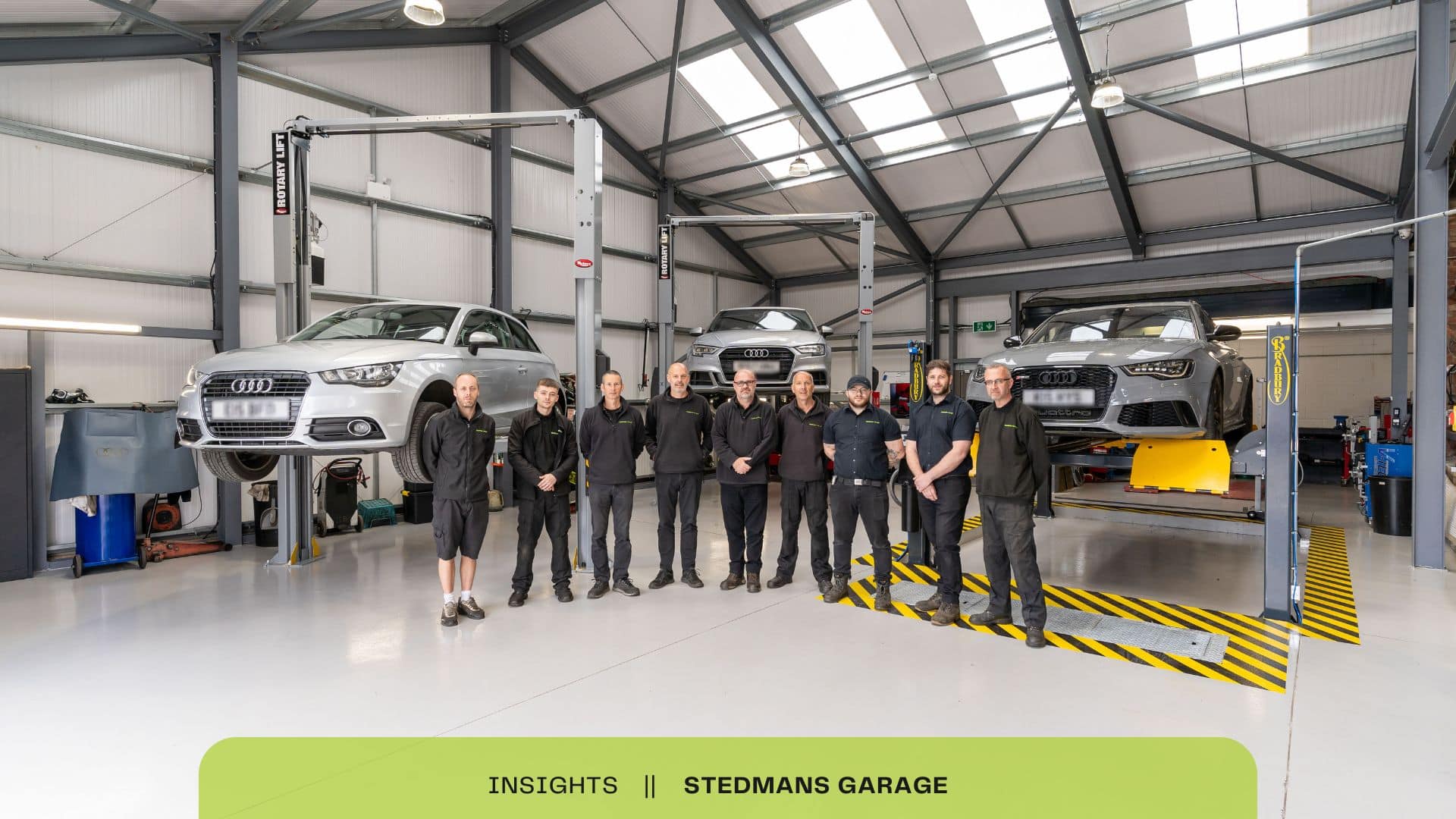
While many maintenance tasks can be handled by car owners, knowing when to seek professional help is equally important. Here are some indicators that a problem may be beyond DIY repair:
Signs that Require Professional Diagnostics
- Persistent Warning Lights: If a warning light remains illuminated after addressing the issue (e.g., topping up fluids), it’s time to consult a mechanic.
- Unexplained Noises: If unusual sounds persist or worsen, a professional diagnosis is crucial to prevent further damage.
- Fluid Leaks: If you notice puddles of fluid under your vehicle, it’s essential to identify the source, as this could indicate significant issues.
Importance of Professional Diagnostics
Professional mechanics have access to advanced diagnostic tools that can identify underlying issues that may not be immediately apparent. They can also provide a thorough inspection, helping to ensure that your vehicle remains safe and reliable.
Actionable Tips for Conducting a Basic Vehicle Health Check
Conducting a basic vehicle health check can be straightforward and rewarding. Here’s a step-by-step guide to help you get started:
- Check Fluid Levels:
- Open the bonnet and check oil, coolant, brake fluid, and washer fluid levels.
- Top up any fluids that are low and schedule a service if you notice any leaks.
- Inspect Tyres:
- Use a tyre pressure gauge to measure the pressure in each tyre.
- Check the tread depth using the 20p coin method.
- Examine Lights:
- Turn on your headlights, brake lights, and indicators to ensure they are functioning correctly.
- Replace any burnt-out bulbs immediately.
- Battery Check:
- Inspect the battery for corrosion and secure connections.
- If your battery is old, consider having it tested.
- Brake Functionality:
- Test the brakes in a safe area to ensure they respond quickly and effectively.
Seasonal Maintenance Checklist
To prepare your vehicle for different weather conditions in the UK, consider the following seasonal checklist:
- Spring: Check air conditioning functionality and clean the car’s exterior, including underbody.
- Summer: Inspect coolant levels and ensure your tyres are in good condition for hot weather.
- Autumn: Test your heating system, check wiper blades, and inspect lights as daylight hours shorten.
- Winter: Ensure antifreeze levels are adequate, check battery health, and inspect tyres for winter conditions.
Conclusion
In summary, being proactive about your vehicle’s maintenance is essential for avoiding breakdowns and ensuring a safe driving experience. By understanding car breakdown signs and engaging in regular preventative maintenance, you can keep your vehicle running smoothly and efficiently.
Make it a habit to conduct regular checks, stay alert for warning signs, and seek professional help when necessary. Don’t wait until it’s too late, check your car for these warning signs today and keep your journey smooth!