Introduction
As a car owner in the UK, you might believe that passing the MOT (Ministry of Transport) test ensures your vehicle is in perfect working order. However, this common misconception can lead to a false sense of security. While the MOT is crucial for ensuring that vehicles meet minimum safety and environmental standards, it does not provide a comprehensive assessment of your car’s overall condition. In this blog post, we will explore the complexities of the MOT test, highlight reasons why your car may still need repairs even after passing, and emphasise the critical role of regular vehicle maintenance.
Understanding the limitations of the MOT test is vital for the safety of you and your passengers. We’ll delve into the various aspects covered by the MOT, discuss potential issues that may remain undetected, and explain the importance of proactive vehicle maintenance. Let’s uncover the reality behind the MOT and why it should be part of a broader approach to vehicle care.
Understanding the MOT Test
What is an MOT and Why is it Important?
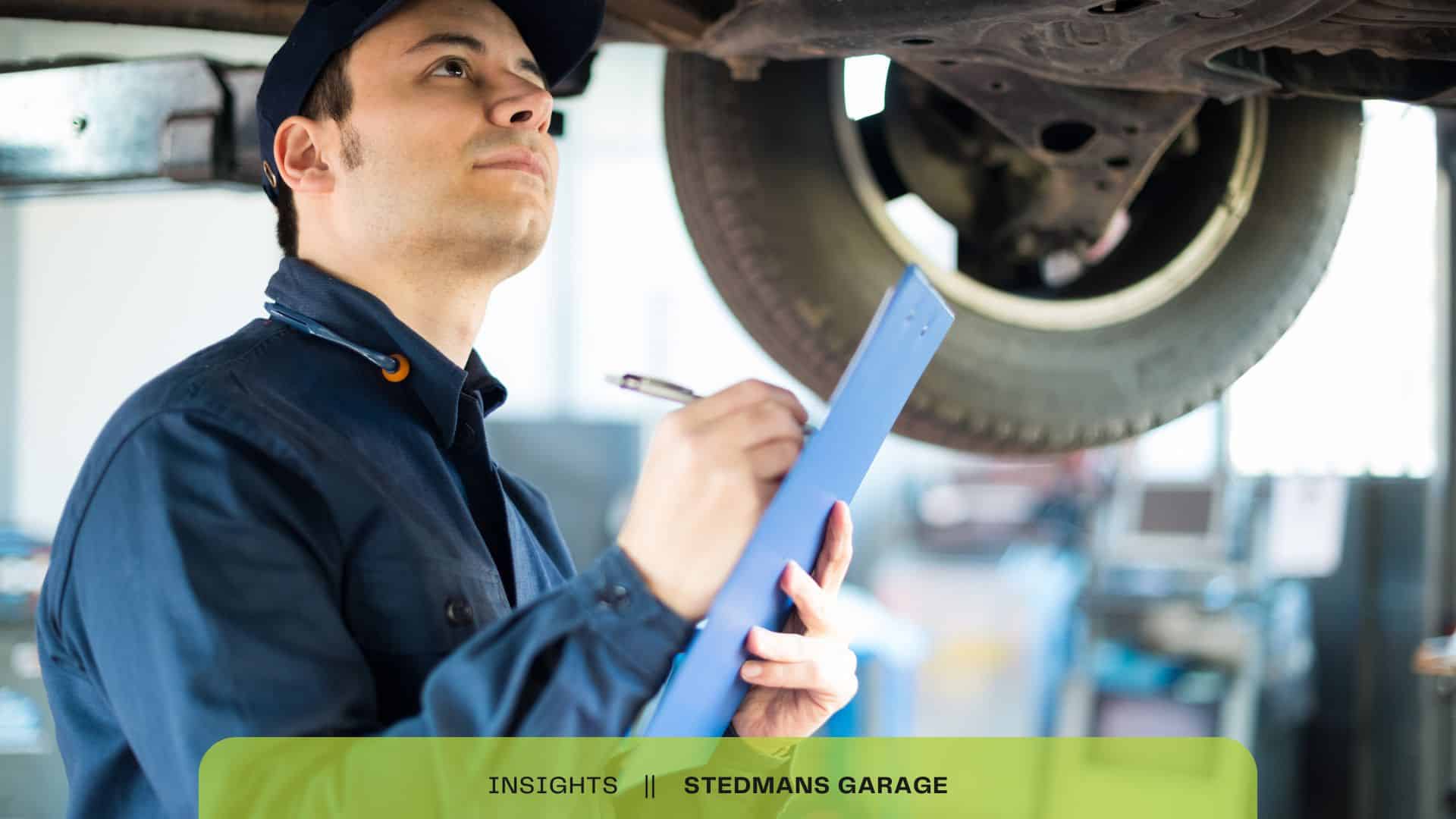
The MOT test is a legal requirement for most vehicles over three years old in the UK, designed to ensure that they meet specific safety and environmental standards. It assesses crucial components such as brakes, lights, and steering to determine if a vehicle is roadworthy. The importance of the MOT cannot be overstated; it helps identify significant safety issues that could endanger both the driver and other road users.
Driving without a valid MOT can lead to penalties, including fines and points on your driving licence. Additionally, it can void your insurance, leaving you financially exposed in the event of an accident. Therefore, having your vehicle tested regularly is not just a legal obligation but a critical step in maintaining vehicle safety.
What Does the MOT Test Cover?
The MOT test covers several key areas, which include:
- Brakes: Functionality, condition, and performance are evaluated. Poor brake performance is a leading cause of accidents, making this a vital area of assessment.
- Lights: All exterior lights, including headlights, indicators, and brake lights, are checked for functionality and brightness.
- Steering and Suspension: The test assesses the steering system’s responsiveness and the suspension’s ability to support the vehicle’s weight and absorb shocks.
- Tyres: Tyre tread depth, pressure, and overall condition are evaluated. The legal minimum tread depth in the UK is 1.6mm.
- Bodywork: The vehicle’s exterior is inspected for excessive corrosion or sharp edges, which could be hazardous.
- Exhaust Emissions: Vehicles must meet specific emission standards to reduce environmental pollution.
It is essential to understand that while the MOT covers these critical areas, it does not evaluate every aspect of a vehicle’s performance. For instance, engine performance, interior conditions, and certain electronic functions are not part of the MOT assessment.
Reasons Your Car May Still Need Repairs After Passing the MOT
Limitations of the MOT Test
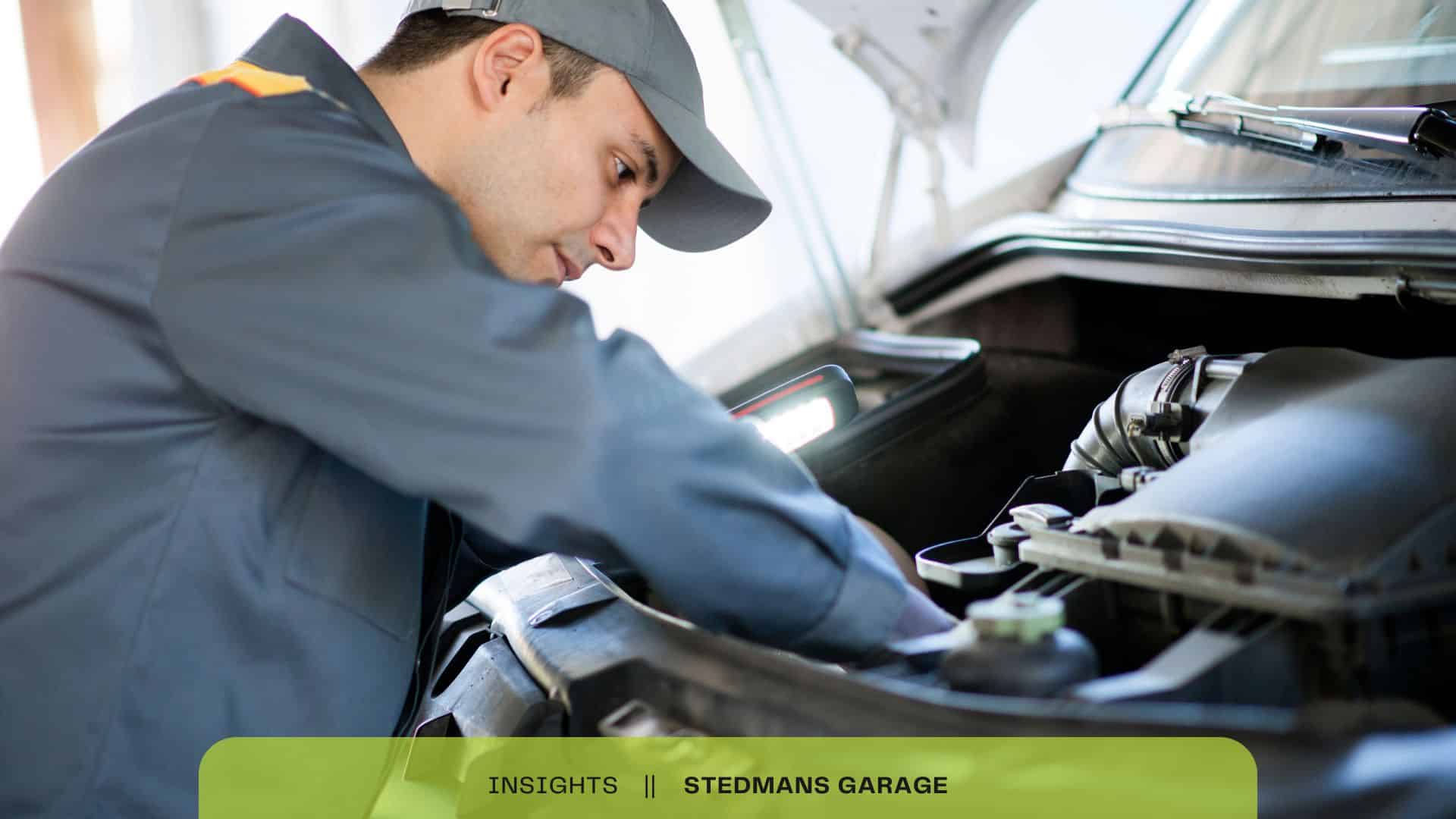
While passing the MOT is a positive indication of your vehicle’s compliance with safety standards, it does not mean that all potential issues have been identified. There are several limitations to the MOT test, including:
- Engine Performance: The MOT does not evaluate how well the engine runs or whether it has issues like oil leaks, unusual noises, or poor fuel efficiency. A vehicle can pass its MOT but still have a poorly performing engine that needs repair.
- Interior Conditions: The condition of the interior, including seatbelt mechanisms, dashboard warning lights, and air conditioning, is not assessed. A malfunctioning airbag, for example, would not be flagged during the MOT.
- Hidden Issues: Problems may exist in areas that are not visible during the test, such as the undercarriage or within the engine bay. For instance, corrosion in the chassis may lead to structural weaknesses that a visual inspection during the MOT might miss.
Wear and Tear Factors
Wear and tear are natural occurrences that affect all vehicles over time. Components such as brake pads, tyres, and suspension parts will wear down and may require replacement, even if they appear functional at the time of the MOT. Common wear-and-tear issues that may not trigger an MOT failure include:
- Brake Pads: These can wear down gradually. Although your brakes may pass the MOT, they could be close to the end of their lifespan, and it is advisable to replace them soon.
- Suspension Components: Bushings, shock absorbers, and springs can deteriorate over time, impacting ride quality and handling without necessarily failing the MOT.
- Tyres: If your tyres are near the legal tread depth, they can pass the MOT but may still be insufficient for safe driving, especially in adverse weather conditions.
Understanding wear and tear is crucial for maintaining your vehicle’s safety and performance. Regular inspections and timely repairs can help you avoid unexpected breakdowns and costly repairs.
Seasonal and Environmental Considerations
The UK experiences a wide range of weather conditions, from heavy rain and snow to intense heat. These seasonal changes can significantly impact your vehicle’s performance, even after passing the MOT. For instance:
- Winter Conditions: Cold weather can affect battery performance, tyre pressure, and the effectiveness of antifreeze. A vehicle may pass the MOT in autumn but struggle to start in winter if the battery is weak.
- Heavy Rain: Wet conditions can exacerbate existing issues, such as worn brakes or bald tyres, leading to decreased traction and longer stopping distances.
- Heat Waves: High temperatures can affect fluid levels, particularly engine oil and coolant. Overheating can lead to severe engine damage if not monitored.
Being aware of how seasonal changes affect your vehicle can help you take proactive measures to ensure optimal performance year-round.
Common Car Issues That May Arise After an MOT
After passing the MOT, car owners should remain vigilant for common issues that may arise. Some of these include:
- Brake Wear: It’s vital to monitor brake performance even after passing the MOT. If you notice squeaking, grinding, or reduced stopping power, it’s time to consult a mechanic.
- Suspension Problems: If you experience a bouncy ride, uneven tyre wear, or difficulty steering, your suspension may need attention.
- Electrical Issues: Dashboard warning lights can illuminate after an MOT, indicating problems with the battery, alternator, or other electrical components.
- Fluid Leaks: Check for any fluid spots under your vehicle regularly. Oil, coolant, or brake fluid leaks can lead to significant problems if left unaddressed.
- Exhaust Problems: Unusual noises or excessive smoke from the exhaust can signal issues that require immediate repair.
To monitor these issues effectively, consider implementing a routine inspection schedule and keeping an eye out for warning signs. Regular checks can save you time and money by addressing problems before they escalate.
Importance of Regular Vehicle Maintenance

Regular vehicle maintenance is vital for preserving the health of your car and ensuring safety on the road. Here are some key benefits:
- Early Problem Detection: Routine checks help identify potential issues before they become serious, allowing for timely repairs.
- Increased Longevity: Well-maintained vehicles tend to last longer, saving you money in the long run.
- Enhanced Safety: Regular maintenance ensures that all safety systems are functioning optimally, reducing the risk of accidents.
- Improved Fuel Efficiency: A well-tuned vehicle operates more efficiently, leading to better fuel economy.
Investing in preventative maintenance is far more cost-effective than waiting for problems to arise. Establishing a maintenance schedule that includes oil changes, brake checks, and tyre rotations can keep your vehicle running smoothly.
Actionable Tips for Effective Vehicle Maintenance
Here are some practical tips to help you maintain your vehicle effectively and avoid unexpected repairs:
- Regularly Check Fluid Levels: Ensure oil, coolant, brake fluid, and transmission fluid are at appropriate levels. Top off or change as necessary.
- Inspect Tyres Monthly: Check tyre pressure and tread depth regularly. Rotate tyres every 5,000 to 8,000 miles to ensure even wear.
- Monitor Brake Performance: Pay attention to any changes in braking performance. If you hear squeaking or grinding, have your brakes inspected.
- Schedule Routine Servicing: Follow your vehicle manufacturer’s recommended servicing schedule, which typically includes oil changes every 5,000 to 7,500 miles.
- Watch for Warning Lights: Don’t ignore dashboard warning lights. Investigate them promptly to avoid more significant issues.
- Keep a Maintenance Log: Document all maintenance and repairs performed on your vehicle to track its health over time.
By following these tips, you can ensure that your vehicle remains in good condition and continues to perform safely and efficiently.
Conclusion
In summary, while passing the MOT is a significant milestone in vehicle ownership, it does not guarantee that your car is free from issues that may require attention. Understanding the limitations of the MOT, being aware of common wear-and-tear factors, and staying vigilant about seasonal changes are crucial for maintaining your vehicle’s health. Regular vehicle maintenance is essential for ensuring safety, enhancing performance, and prolonging the life of your car. Prioritising these aspects will not only keep you safe on the road but also save you from unexpected repair costs down the line.
Take charge of your vehicle’s maintenance today. Schedule your next service, check your fluids, and keep an eye on those warning lights. Ensuring your journey is a safe one starts with you!