Introduction
In today’s rapidly changing world of electric vehicles (EVs), understanding the details of their electrical systems is essential for both current owners and potential buyers. This is particularly true for the Jaguar E-PACE and I-PACE models, known for their impressive performance, luxury features, and advanced technology. However, like any complex machinery, these vehicles can experience electrical faults. This blog aims to help UK car owners, especially those with or considering an E-PACE or I-PACE, understand common electrical faults and effective diagnostic solutions available.
By exploring the electrical faults in the E-PACE and the diagnostics for the I-PACE, readers will gain insights into the key components of these vehicles’ electrical systems. They will learn to identify common issues and discover how to troubleshoot effectively. This guide covers everything from battery management systems to infotainment glitches, equipping you with the knowledge needed to maintain your vehicle’s performance and ensure a smooth driving experience.
Understanding Electrical Systems in E-PACE and I-PACE

To appreciate the complexities of electrical faults in Jaguar’s E-PACE and I-PACE, it is essential to understand the fundamental components of their electrical systems. At the heart of these vehicles lies a series of intricate systems designed to control everything from power distribution to infotainment functionality.
Key Components of Electrical Systems
- Battery Management System (BMS): This system monitors the state of the electric battery, ensuring safe operation, optimal performance, and longevity. It regulates charging and discharging, protecting the battery from overcharging and excessive depletion.
- Infotainment System: This system provides drivers and passengers with navigation, entertainment, and connectivity features. It relies on complex software and hardware components, integrating functionalities such as Bluetooth connectivity and voice recognition.
- Electrical Wiring and Connectors: The wiring harness connects all electrical components, facilitating communication and power distribution. Quality connectors are crucial for maintaining good electrical contact and preventing faults.
- Control Units: Various control units manage different vehicle functions, including the engine, transmission, and safety features. These units communicate with one another to ensure seamless operation.
- Charging System: In electric vehicles, the charging system includes components such as the onboard charger, which converts AC power from charging stations into DC power to charge the battery.
Understanding these components can help identify potential electrical issues and their implications.
Common Electrical Faults in E-PACE and I-PACE
Battery Management System Failures
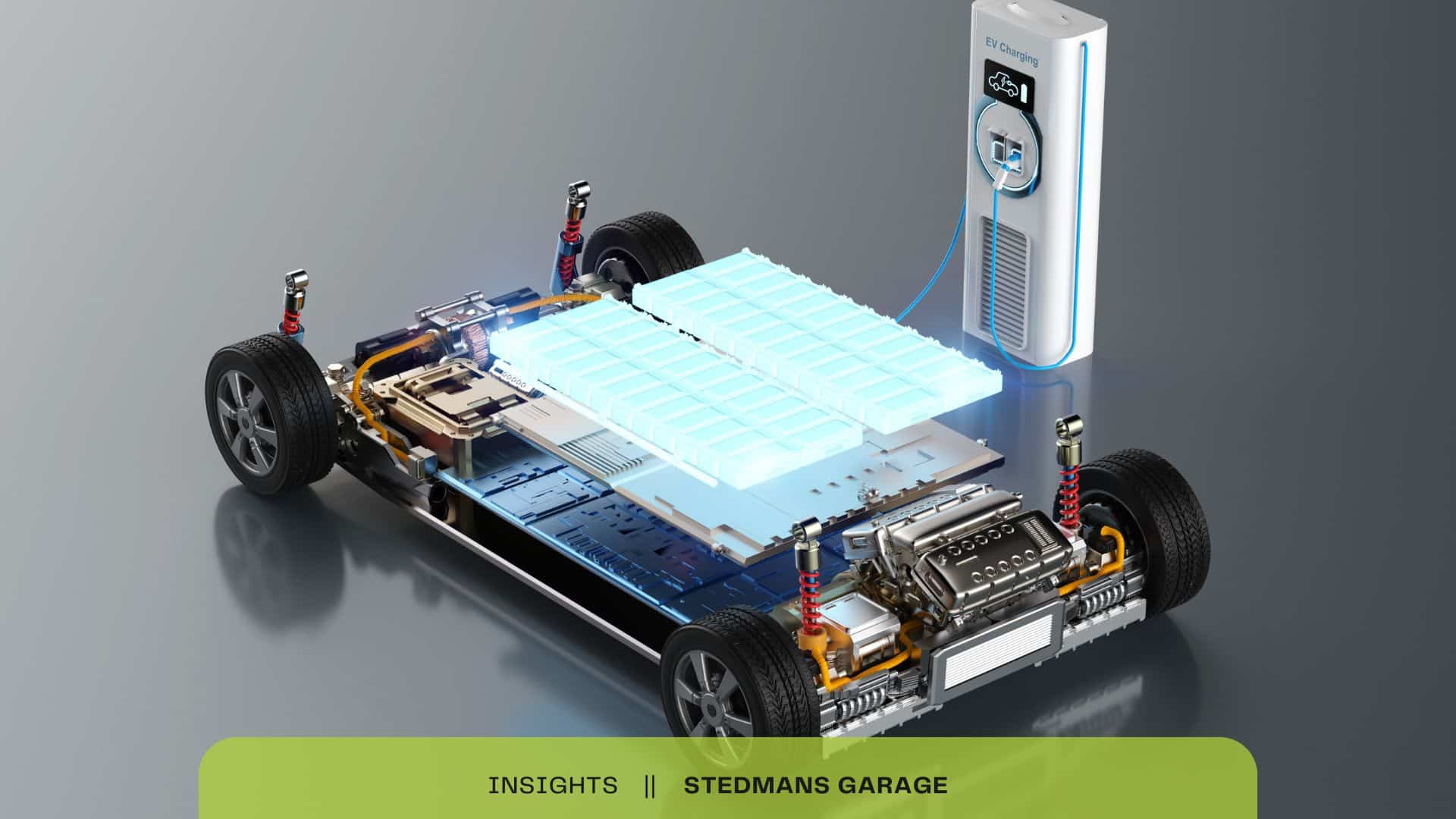
The Battery Management System (BMS) plays a crucial role in the performance and longevity of electric vehicles.
What is a Battery Management System?
The BMS monitors and manages the battery pack’s state, ensuring each cell operates within safe limits. It tracks voltage, current, temperature, and state of charge, making it essential for the vehicle’s overall health.
Advantages and Disadvantages of a BMS
Advantages:
- Safety: Prevents battery overheating and potential fires.
- Longevity: Extends battery life by preventing overcharging and deep discharging.
- Performance: Ensures optimal power delivery and efficiency.
Disadvantages:
- Complexity: Requires sophisticated software and hardware, making repairs more intricate.
- Cost: Replacement of BMS components can be expensive.
Symptoms of BMS Failure
- Warning lights on the dashboard indicating battery issues.
- Reduced vehicle performance or range.
- Inability to charge the battery.
Potential Causes
- Software glitches can cause incorrect readings.
- Physical damage to battery cells or connections.
- Age-related degradation of components.
Infotainment System Glitches
The infotainment system in the E-PACE and I-PACE can often frustrate drivers.
Common Issues
- Screen Freezes: The display can become unresponsive, requiring a reset.
- Connectivity Problems: Difficulty connecting to Bluetooth or Wi-Fi.
- Navigation Failures: Inaccurate GPS or failure to load maps.
Troubleshooting Steps
- Soft Reset: Hold the power button for 10 seconds to reboot the system.
- Check Connections: Ensure all cables are securely connected.
- Software Updates: Regularly check for system updates that may resolve known issues.
Electrical Short Circuits
Electrical short circuits can pose a significant risk to the vehicle’s functionality and safety.
What is an Electrical Short Circuit?
A short circuit occurs when electricity flows along an unintended path, often leading to overheating or component damage.
Implications in E-PACE and I-PACE
- Can cause failure of critical systems, including brakes and steering.
- May lead to battery drain or fires if left unchecked.
Common Locations for Short Circuits
- Damaged wiring harnesses, often due to wear and tear or rodent damage.
- Faulty connectors that fail to maintain proper electrical contact.
Diagnosing Short Circuits
- Visual Inspection: Look for frayed wires or burnt connectors.
- Use a Multimeter: Check for continuity along wiring paths.
- Scan for Codes: Use OBD-II scanners to identify fault codes related to electrical issues.
Diagnostics for Electrical Issues

Understanding how to diagnose electrical issues in the E-PACE and I-PACE is essential for effective troubleshooting.
Using Diagnostic Tools
Importance of Diagnostic Tools
Modern vehicles are equipped with sophisticated onboard diagnostics that provide valuable information about the health of various systems. These tools can help pinpoint electrical faults.
Recommended Tools for Jaguar Models
- Jaguar-specific Diagnostic Software: Tools like SDD (Symptom Driven Diagnostics) are tailored for Jaguar vehicles, providing in-depth diagnostics.
- OBD-II Scanners: Generic scanners can read common codes, but Jaguar-specific tools will provide more precise insights.
- Multimeter: Essential for measuring voltage, current, and resistance throughout the electrical system.
Common Diagnostic Codes and Their Meanings
Understanding OBD-II codes can significantly aid in diagnosing electrical faults.
- P0A80: Battery Pack Problem – Indicates a malfunction in the battery pack.
- U0155: Lost Communication with Instrument Panel Cluster – Points to issues with the wiring or connectors.
- B1A00: Battery Voltage High – Suggests a problem with the battery management system.
Familiarising yourself with these codes can guide your troubleshooting process and help you communicate effectively with a technician.
Preventative Measures and Maintenance Tips
To ensure the longevity and reliability of your E-PACE or I-PACE, regular maintenance is essential.
Regular Maintenance Practices
- Battery Health Checks: Regularly monitor the battery’s state of charge and health to catch potential issues early.
- Software Updates: Keeping the infotainment and vehicle systems updated can prevent many common faults.
- Visual Inspections: Periodically check wiring and connectors for signs of wear or damage.
Climate Considerations for UK Drivers
The UK climate can pose unique challenges to electrical systems. Consider the following tips:
- Winter Preparations: Ensure your battery is fully charged before winter to avoid starting issues due to cold temperatures.
- Moisture Management: Regularly check for water ingress in electrical components, especially after heavy rain.
Actionable Tips Section
Here are some practical, step-by-step strategies for diagnosing and addressing electrical faults in your E-PACE or I-PACE:
Step-by-Step Troubleshooting Guide
- Identify the Symptoms: Note any warning lights or unusual behaviour in the vehicle.
- Check the Battery:
- Use a multimeter to measure the voltage; it should be around 12.6 volts when fully charged.
- Inspect for corrosion on terminals.
- Inspect the Wiring:
- Look for frayed wires, especially around high-traffic areas.
- Check connectors for secure fits and signs of moisture.
- Run Diagnostic Tests:
- Use a Jaguar-specific diagnostic tool to check for error codes.
- Record any codes and research their meanings.
- Perform Software Updates: Ensure the vehicle’s software is up-to-date to prevent known glitches.
- Consult a Professional: If issues persist, seek assistance from a certified Jaguar technician who can provide advanced diagnostics.
Proactive Maintenance Tips
- Schedule Regular Inspections: Have your vehicle checked by a professional at least once a year.
- Invest in Quality Tools: If you plan on DIY diagnostics, invest in a reliable OBD-II scanner and multimeter.
- Stay Informed: Join online forums or local clubs for Jaguar owners to share experiences and solutions to common problems.
Conclusion
Understanding electrical faults in the Jaguar E-PACE and I-PACE is essential for maintaining these sophisticated vehicles and ensuring they perform optimally. By familiarising yourself with common electrical issues, effective diagnostics, and preventative maintenance tips outlined in this guide, you can keep your vehicle in top condition.
Whether you are a current owner or considering purchasing one of these models, proactive management of electrical systems is key. Conduct regular diagnostics, stay informed about potential faults, and seek professional assistance when necessary. Start ensuring your driving experience is as smooth and trouble-free as possible today!