Introduction
For UK BMW owners and automotive enthusiasts, the reliability and performance of their vehicles are of utmost importance. One critical aspect that can significantly impact your BMW’s performance is the timing chain, specifically in the BMW N47 engine. Timing chain problems are a well-known issue that can lead to severe engine damage if not addressed promptly. This blog aims to provide an in-depth understanding of the BMW N47 timing chain issues, the models affected, and effective solutions for owners concerned about these matters.
The BMW N47 engine is a popular choice in various BMW models, known for its efficiency and performance. However, its timing chain has gained a notorious reputation for failure, leading to costly repairs and potential engine failure. By the end of this guide, you will know how to identify symptoms, the specific models affected, the causes of timing chain failure, and how to prevent and address these issues effectively.
Overview of the BMW N47 Engine
The BMW N47 engine is a four-cylinder diesel engine that has become widely popular for its balance of performance and fuel efficiency. Introduced in 2007, the N47 engine was designed to meet stringent Euro 4 and Euro 5 emissions standards, making it a favourite among many BMW models produced between 2007 and 2015. This engine features a direct fuel injection system, turbocharging, and a robust cast iron block, offering power outputs ranging from 143 to 177 bhp, depending on the version.
Common Applications of the BMW N47 Engine
The N47 engine has been used across a variety of BMW models, including:
- BMW 1 Series (E81/E87): A compact model known for its agility and performance.
- BMW 3 Series (E90/E91/E92/E93): A popular choice among enthusiasts for its dynamic driving experience.
- BMW 5 Series (F10/F11): A luxury saloon that blends comfort with performance.
- BMW X1 (E84): A compact SUV versatile for both urban and rural driving.
The enhancements made to the N47 engine over its predecessors contributed to its positive reception. However, despite its advantages, the timing chain issues have overshadowed its reputation, leading to concerns among owners.
Timing Chain Problems in the BMW N47
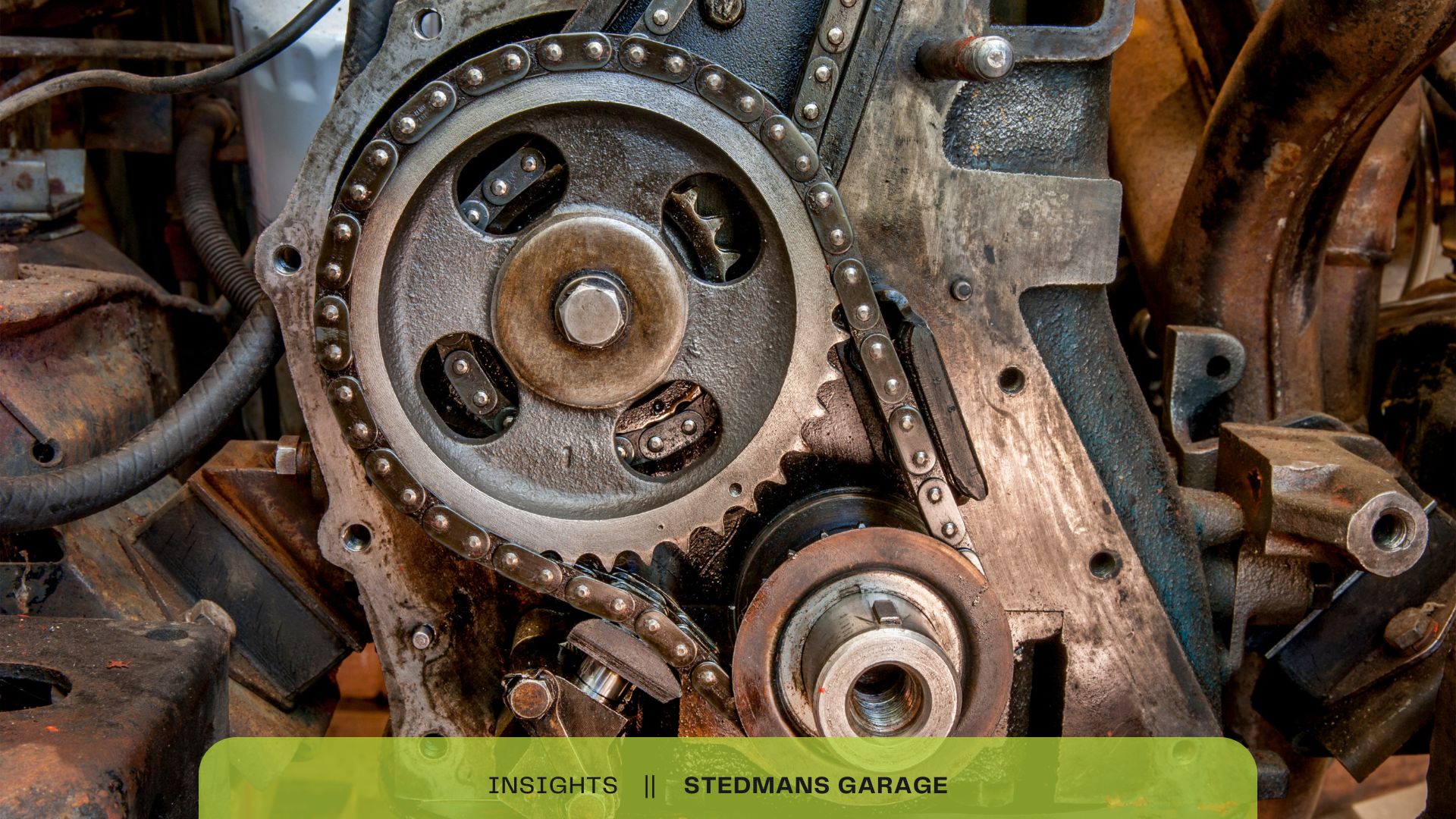
Timing chain problems in the BMW N47 engine are primarily attributed to design flaws and maintenance neglect. The timing chain plays a crucial role by synchronising the rotation of the crankshaft and camshaft, ensuring proper engine timing. If the timing chain fails, it can lead to catastrophic engine damage.
Common Symptoms of Timing Chain Issues
Identifying timing chain issues early can save BMW owners from costly repairs and extensive engine damage. Here are some common symptoms that indicate timing chain problems:
- Rattling Noises: This is often the first sign of timing chain issues, usually noticed when starting the engine or accelerating. The sound is typically due to chain slack or wear on the tensioners.
- Engine Misfires: If the timing chain isn’t functioning correctly, the engine may misfire, resulting in poor acceleration and performance.
- Oil Leaks: A failing timing chain can cause oil leaks as the tensioners and guides wear down, allowing oil to seep out of the engine.
- Check Engine Light: The vehicle’s onboard diagnostics may trigger a check engine light if it detects issues related to engine timing.
These symptoms may appear during daily driving and should not be ignored. If you notice any of these signs, it is crucial to have your vehicle inspected by a professional technician.
Models Affected by Timing Chain Problems

The timing chain issues linked with the BMW N47 engine primarily affect several models produced between 2007 and 2015. Some key models include:
- BMW 1 Series (E81/E87): Particularly the 116d and 118d variants.
- BMW 3 Series (E90/E91/E92/E93): Notably, the 318d version.
- BMW 5 Series (F10/F11): Models such as the 520d.
- BMW X1 (E84): Commonly in the X1 18d and 20d configurations.
These models are especially susceptible to timing chain problems due to specific design choices made during production. It is essential for owners of these vehicles to stay informed about potential issues and take proactive measures to ensure their engines remain in good condition.
Causes of Timing Chain Failure
Several factors can contribute to timing chain failure in the BMW N47 engine. Understanding these causes can help owners mitigate risks and maintain their vehicles effectively. Key causes include:
- Design Flaws: Some earlier versions of the N47 engine are known to have design flaws, particularly with the timing chain tensioners, which may not maintain adequate tension over time.
- Lack of Maintenance: Regular maintenance is crucial for the longevity of the timing chain. Neglecting oil changes and failing to use the correct oil can lead to premature wear.
- Environmental Factors: Driving conditions, such as extreme temperatures and poor-quality fuel, can exacerbate timing chain wear and lead to failure.
- Mileage: Higher mileage can increase the likelihood of timing chain problems, especially if the vehicle has not been adequately maintained.
By understanding these causes, BMW N47 owners can take necessary precautions to avoid timing chain issues.
Consequences of Ignoring Timing Chain Problems
Neglecting timing chain problems can have dire consequences, leading to significant engine damage and costly repairs. Here are some potential risks associated with ignoring these issues:
- Engine Failure: A complete timing chain failure can result in the engine’s pistons colliding with the valves, leading to catastrophic engine damage. This scenario often necessitates a full engine replacement, which can be extremely costly.
- Increased Repair Costs: Addressing timing chain issues promptly is generally less expensive than allowing severe damage to occur. Ignoring symptoms can lead to escalating repair costs.
- Decreased Vehicle Value: A vehicle with known timing chain problems may suffer from decreased resale value, impacting the owner’s investment should they decide to sell or trade in the vehicle.
For instance, if a BMW 3 Series owner experiences rattling noises and chooses to ignore them, they may eventually face a situation where the engine needs a complete rebuild, costing thousands instead of just a few hundred for a simple timing chain replacement.
Solutions and Recommendations for BMW N47 Owners

To maintain the integrity of the BMW N47 engine and prevent timing chain issues, owners must be proactive. Here are some effective solutions and recommendations:
How to Diagnose Timing Chain Problems
Diagnosing timing chain problems early can save owners significant stress and financial burden. Here’s how BMW N47 owners can assess their vehicles:
- Listen for Noises: Pay attention to any unusual rattling or clattering sounds when starting the engine or accelerating.
- Monitor Performance: Keep an eye out for signs of engine misfires or decreased performance.
- Check for Leaks: Inspect the engine for any signs of oil leaks or unusual residue around the timing chain area.
- Consult a Professional: If any symptoms are present, consult a qualified technician who can perform a thorough inspection and diagnostic assessment.
Timing Chain Replacement: What to Expect
If you determine that your BMW N47 engine requires timing chain replacement, understanding the process and associated costs can help you prepare:
- Timeframes: Timing chain replacement can take anywhere from 6 to 10 hours, depending on the model and specific circumstances.
- Costs: The cost of timing chain replacement can vary widely, with estimates ranging from £700 to £1,500, depending on labour rates and parts. DIY replacement may save costs but requires advanced mechanical skills.
- Professional Services vs. DIY: While DIY can be more cost-effective, professional services ensure that the replacement is performed correctly, reducing the risk of future issues.
It is essential to weigh the pros and cons of DIY versus professional replacement carefully. If you’re not experienced with engine repairs, it’s advisable to seek professional assistance.
Maintenance Tips to Prevent Timing Chain Issues
Preventative maintenance is key to ensuring the longevity of your BMW N47’s timing chain. Here are some actionable tips to keep your engine in optimal condition:
- Regular Oil Changes: Use high-quality oil and change it regularly, as recommended in your owner’s manual. Clean oil lubricates the timing chain effectively, reducing wear.
- Inspection of Timing Chain Components: Have the timing chain and associated components inspected during regular service intervals. Early detection of wear can prevent severe issues.
- Use Genuine Parts: When replacing components related to the timing chain, ensure you use genuine BMW parts or high-quality aftermarket alternatives to maintain engine integrity.
- Monitor Driving Conditions: Be mindful of driving in extreme conditions, which can exacerbate wear. If you often drive in stop-and-go traffic or on poorly maintained roads, take extra care with maintenance.
By following these tips, BMW N47 owners can significantly reduce the likelihood of timing chain problems and enhance the overall reliability of their vehicles.
Actionable Tips Section
To further assist BMW N47 owners, here are some actionable, step-by-step strategies to manage timing chain health effectively:
- Establish a Maintenance Schedule:
- Create a calendar for regular oil changes every 10,000 miles or as recommended.
- Schedule inspections of the timing chain and associated components at least once a year.
- Monitor Engine Performance:
- Keep a log of any changes in engine performance, such as changes in acceleration or unusual noises.
- If you notice any irregularities, seek professional help immediately.
- Educate Yourself on Symptoms:
- Familiarise yourself with the symptoms of timing chain issues, including rattling noises and engine misfires.
- Stay informed about any recalls or updates related to your model.
- Join a BMW Enthusiast Group:
- Engage with local or online BMW clubs and forums to share experiences and gain insights from other owners.
- These communities can provide valuable information on maintenance tips and trusted service providers.
- Invest in Quality Tools:
- If considering DIY maintenance, invest in quality tools and equipment specific to BMW models.
- Proper tools can facilitate maintenance tasks and help ensure quality repairs.
By implementing these strategies, BMW N47 owners can take charge of their vehicle’s health and significantly reduce the risk of timing chain problems.
Conclusion
The BMW N47 engine is a robust and efficient diesel option, but timing chain problems pose a significant risk to its performance and longevity. Understanding the symptoms, causes, and consequences of timing chain issues is essential for all BMW N47 owners. By being proactive and adhering to maintenance best practices, you can keep your engine running smoothly and avoid costly repairs.
If you suspect timing chain issues, consult a professional today to ensure your BMW N47 remains in optimal condition. Remember, a well-maintained timing chain can make all the difference in the performance and reliability of your vehicle.