Introduction
The Bentley Continental GT represents the pinnacle of luxury automotive engineering, combining high performance with unparalleled comfort. A significant component of this luxurious driving experience is the air suspension system, which enhances ride quality and stability, adapting to varying road conditions and driving styles. However, like any sophisticated system, the air suspension in the Bentley Continental GT can encounter issues over time. Understanding these common failures and the available repair options is essential for Bentley owners, automotive enthusiasts, and potential buyers who wish to maintain the integrity and performance of their vehicle. In this blog, we will delve into the intricacies of the air suspension system, typical problems that may arise, diagnostic methods, repair options, and preventative maintenance strategies to ensure your Bentley Continental GT remains as magnificent as the day it was purchased.
Overview of the Air Suspension System in the Bentley Continental GT
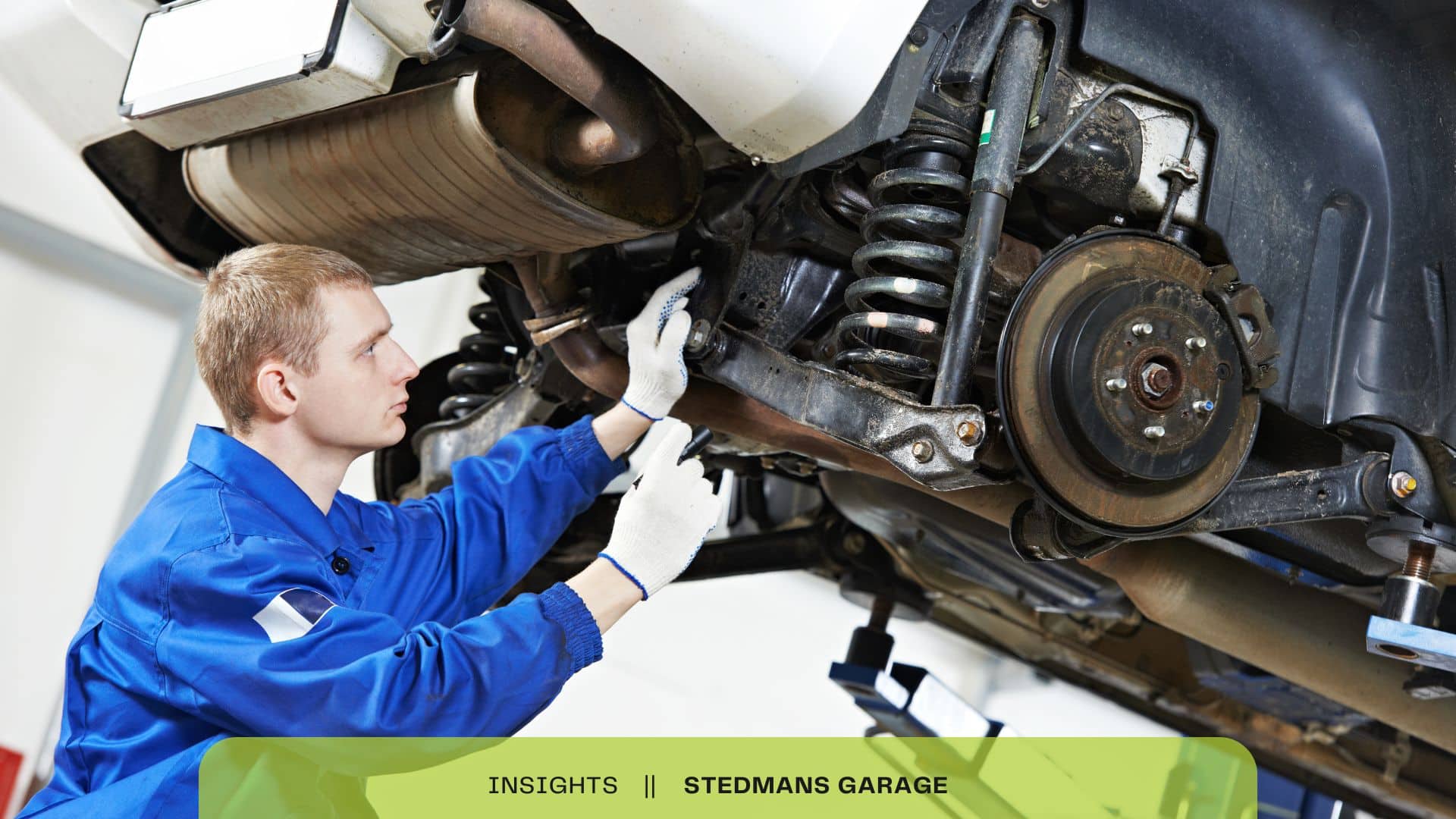
The air suspension system in the Bentley Continental GT is a marvel of modern engineering, designed to provide an optimal balance between comfort and performance. This system typically consists of several key components, including air springs, compressors, control modules, and height sensors, each playing a vital role in the overall functionality of the suspension system.
Components of the Air Suspension System
- Air Springs: These replace traditional metal springs and are made from durable rubber materials. They use compressed air to adjust the height of the vehicle, providing a smoother ride by absorbing shocks from the road.
- Compressor: The compressor is responsible for supplying compressed air to the air springs. It operates as needed to maintain the desired ride height and adjust for load changes, ensuring a consistent driving experience.
- Control Modules: The system’s computer continually monitors the vehicle’s ride height and adjusts the air pressure in the springs accordingly. This ensures that the vehicle remains level, even with varying passenger loads or road conditions.
- Height Sensors: These sensors detect the current height of the vehicle and send this information to the computer. If the height deviates from the set standard, the module activates the compressor to adjust the air pressure in the springs.
How the System Works
The air suspension system works by using air pressure to support the vehicle’s weight. When the vehicle encounters a bump or dip, the air springs compress or expand, absorbing shocks and maintaining stability. This dynamic adjustment is crucial not only for comfort but also for enhancing handling, making the Bentley Continental GT a joy to drive.
Advantages Over Traditional Suspension Systems
One of the primary advantages of an air suspension system is its ability to provide an adaptable ride experience. Unlike traditional coil or leaf springs, which offer a fixed level of support, air suspension can be adjusted based on driving conditions and preferences. This adaptability results in several benefits:
- Improved Ride Comfort: By cushioning impacts from the road, air suspension offers a smoother ride, particularly on uneven surfaces.
- Enhanced Handling: The system can lower the vehicle for improved aerodynamics at high speeds, enhancing stability and handling.
- Customisation: Drivers can adjust the ride height, allowing for a tailored driving experience that suits personal preferences or specific driving conditions.
While the air suspension system certainly enhances the driving experience, it is not without its challenges. Understanding the common failures that can occur is essential for maintaining the longevity and performance of the Bentley Continental GT.
Common Air Suspension Failures in the Bentley Continental GT

Despite the advanced technology used in the Bentley Continental GT’s air suspension system, it can be prone to several common failures. Recognising these issues early can prevent further complications and costly repairs.
- Air Leaks
- Symptoms: A noticeable drop in ride height, uneven stance when parked, and a “sagging” appearance.
- Potential Causes: Air leaks can occur due to wear and tear on the air springs, cracks in the rubber, or poor connections in the air lines. Exposure to harsh environmental conditions can exacerbate these issues.
- Impact on Performance: If left unaddressed, air leaks can lead to compromised ride quality, affecting handling and stability. The compressor may overwork itself to compensate for the lost pressure, leading to premature failure.
- Compressor Malfunctions
- Symptoms: Unusual noises during operation, failure to maintain ride height, or a warning light on the dashboard indicating a suspension issue.
- Potential Causes: Common causes of compressor failure include electrical issues, such as blown fuses or faulty wiring, as well as mechanical failures like a broken piston or motor burnout.
- Impact on Performance: A faulty compressor can hinder the system’s ability to adjust the ride height properly, leading to a rougher ride and potentially dangerous handling characteristics.
- Sensor Failures
- Symptoms: Inconsistent ride height, warning lights on the dashboard, or an inability to adjust the suspension system effectively.
- Potential Causes: Sensors may fail due to exposure to moisture, dirt, or corrosion over time. Wiring issues can also contribute to sensor malfunctions.
- Impact on Performance: When sensors do not accurately report the vehicle’s height, the control module cannot make necessary adjustments, leading to a compromised driving experience and potential damage to other suspension components.
- Control Module Issues
- Symptoms: Erratic adjustments to the air suspension, warning lights, or failure to respond to driver inputs.
- Potential Causes: Control module problems can arise from software glitches, electrical shorts, or damage from environmental factors.
- Impact on Performance: A malfunctioning control module can result in a complete failure of the air suspension system, leaving the vehicle unable to maintain ride height or adjust to road conditions.
- General Wear and Tear
- Symptoms: Decrease in performance, noticeable changes in ride quality, and increased maintenance needs.
- Potential Causes: Factors contributing to wear and tear include the vehicle’s age, mileage, and driving conditions. Heavy usage or driving on rough roads can accelerate the deterioration of the air suspension components.
- Impact on Performance: As components wear out, the overall efficiency of the air suspension system diminishes, leading to comfort and handling issues that can affect the driving experience.
Understanding these common failures is crucial for Bentley Continental GT owners. Timely intervention can significantly reduce the risk of more severe issues developing. Next, we will explore how to diagnose these air suspension problems effectively.
Diagnosing Air Suspension Problems
Diagnosing issues with the air suspension system in the Bentley Continental GT requires careful observation and the use of appropriate diagnostic tools. Owners should be aware of several signs that indicate a malfunctioning air suspension system.
Signs of Malfunction
- Uneven Ride Height: If one corner of the car appears lower than the others, it’s essential to investigate further.
- Unusual Noises: Sounds such as hissing, popping, or grinding can indicate that components within the air suspension system are failing or that there are air leaks present.
- Warning Lights: The dashboard may illuminate indicators related to the suspension system. If these lights appear, consult the vehicle’s manual for specific meanings and seek professional assistance if necessary.
- Loss of Comfort: A noticeable decline in comfort, such as a bumpier ride or a feeling of instability while driving, may suggest that the air suspension system is not functioning correctly.
Diagnostic Tools and Techniques
To accurately diagnose air suspension problems, several tools and techniques can be employed:
- OBD-II Scanner: An On-Board Diagnostics scanner can read error codes from the vehicle’s control modules. These codes help identify specific issues within the air suspension system.
- Visual Inspection: A thorough visual inspection of the air springs, compressor, and air lines can reveal signs of wear, leaks, or damage. Look for cracks or tears in rubber components and ensure all connections are secure.
- Pressure Testing: Using a pressure gauge, technicians can measure the air pressure within the suspension system to determine if it falls within the manufacturer’s specifications.
- Height Measurement: Measuring the ride height at all four corners of the vehicle can help diagnose issues with the air springs or control module. Any significant deviations from the recommended height indicate a problem.
- Listening for Sounds: While the vehicle is operating, listen for unusual noises. Hissing sounds can indicate air leaks, while grinding or popping noises may suggest internal component failures.
Diagnosing air suspension problems accurately is crucial for ensuring the longevity and performance of the Bentley Continental GT. Once a problem is identified, it’s essential to consider the available repair options to address the issue effectively.
Repair Options for Air Suspension Failures
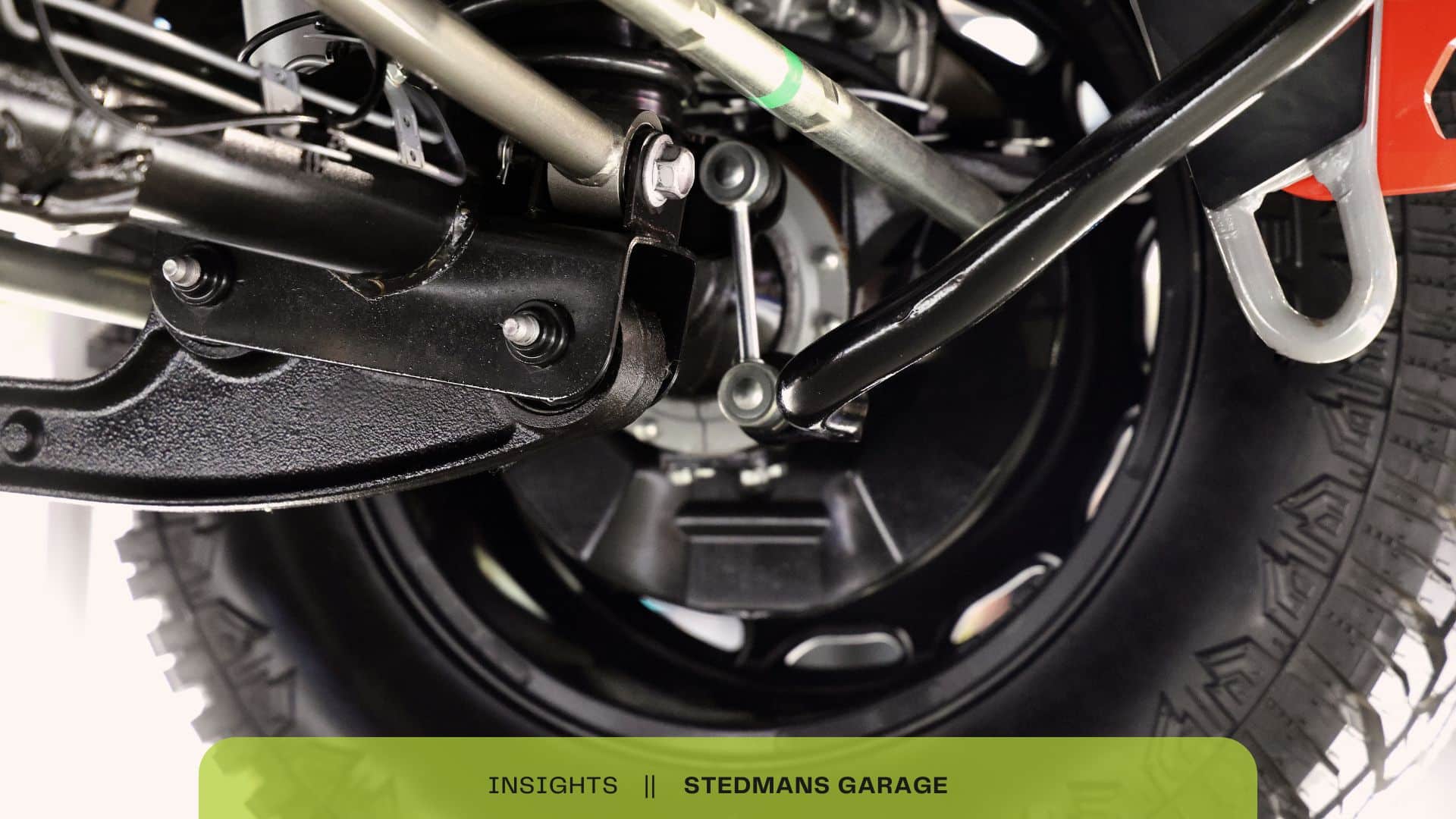
When faced with air suspension failures in the Bentley Continental GT, owners have several repair options to consider. Depending on the severity of the issue and personal preferences, both DIY approaches and professional services are available.
DIY Repair Approaches
For owners who are mechanically inclined, some air suspension issues may be addressed through DIY repairs. However, it is essential to approach these repairs with caution to avoid causing further damage.
- Replacing Air Springs: If the air springs are leaking, they may need to be replaced. This typically involves removing the old springs and installing new ones, ensuring that all connections are secure.
- Repairing Air Leaks: Small leaks in the air lines can sometimes be sealed using appropriate adhesives or sealants. However, it is essential to ensure that the repair is durable and reliable.
- Checking Electrical Connections: If the issue is related to electrical faults, owners can inspect and clean electrical connectors, fuses, and wiring to ensure proper functionality.
Professional Repair Services
For more complex issues or when DIY repairs are not feasible, seeking professional help is recommended. Professional technicians have the expertise and tools necessary to diagnose and repair air suspension system failures accurately.
- Compressor Replacement: If the compressor is malfunctioning, it may need to be replaced. Professionals can ensure that the new compressor is correctly calibrated and integrated with the existing system.
- Sensor Replacement: Faulty sensors can significantly impact the air suspension’s performance. Professionals can replace these components and perform recalibrations to ensure proper functionality.
- Control Module Reprogramming: If the control module is malfunctioning, technicians can often reprogram it or replace it outright, restoring the system to its full operational capacity.
Importance of Genuine Parts
Regardless of whether repairs are performed DIY or by professionals, it is crucial to use genuine parts. Non-original components may be cheaper but can lead to further complications, including poor fitment, reduced performance, and an overall lack of reliability.
Cost Considerations
The cost of repairing air suspension failures in the Bentley Continental GT can vary significantly based on several factors:
- Complexity of the Issue: More complex repairs, such as replacing the compressor or control module, will generally be more expensive than simpler tasks like replacing air springs.
- Labour Costs: Depending on the service provider, labour costs can vary significantly. High-end dealerships may charge more than independent mechanics, but they often provide specialised expertise.
- Parts Costs: Genuine Bentley parts may come at a premium, but they are essential for maintaining the integrity and performance of the vehicle.
Understanding the available repair options and associated costs is crucial for Bentley Continental GT owners to make informed decisions regarding their air suspension systems.
Preventative Maintenance for Air Suspension Systems
While addressing air suspension failures is essential, preventative maintenance is equally crucial for ensuring the longevity and reliability of the system. By adopting best practices, owners can help mitigate potential issues before they arise.
Regular Inspections
Conducting regular inspections of the air suspension system can help identify potential problems early. Owners should check for visible signs of wear, such as cracks in the air springs or loose connections in the air lines.
Timely Servicing
Adhering to the manufacturer’s recommended service intervals is vital for maintaining the air suspension system. Regular servicing can help detect issues before they escalate and ensure that all components are functioning correctly.
Monitoring for Unusual Symptoms
Being attentive to unusual symptoms, such as changes in ride quality or warning lights on the dashboard, can help owners catch problems early. If any irregularities are noted, seeking professional assistance promptly can prevent further complications.
Importance of Quality Parts
Using high-quality, genuine parts for any replacements or repairs is essential for maintaining the integrity of the air suspension system. Cheap, non-original components may save money in the short term but can lead to more significant issues down the line.
Driving Practices
Being mindful of driving habits can also extend the life of the air suspension system. Avoiding rough terrain when possible and being cautious when carrying heavy loads can prevent undue stress on the system.
By implementing these preventative maintenance strategies, Bentley Continental GT owners can help ensure that their air suspension systems remain in optimal condition, providing the luxury and performance expected from such a prestigious vehicle.
Conclusion
In conclusion, understanding the air suspension system of the Bentley Continental GT is essential for owners and enthusiasts alike. From recognising common failures such as air leaks, compressor malfunctions, and sensor issues to exploring effective diagnostic and repair options, being informed can significantly enhance the ownership experience. Moreover, prioritising preventative maintenance can help prolong the life of the air suspension system, ensuring that the Bentley Continental GT continues to deliver the comfort and performance that defines this luxury vehicle. As always, seeking professional assistance when necessary is crucial for maintaining the integrity and reliability of your Bentley. By remaining vigilant and proactive, you can enjoy the unparalleled driving experience that only a Bentley can offer.