Introduction
For many Skoda Octavia 1.6 TDI owners, the vehicle is more than just transport; it’s a reliable companion for daily commutes, family outings, and weekend adventures. However, one challenge that can arise with diesel engines like the 1.6 TDI is DPF clogging. The Diesel Particulate Filter (DPF) is essential for reducing harmful emissions but can encounter problems, particularly for those who primarily make short journeys. In this blog post, we will explore DPF clogging in detail, understand its causes and effects, and importantly, provide practical solutions to mitigate this issue.
By the end of this article, Skoda Octavia owners will gain insights into maintaining their DPF health, identifying symptoms of clogging, and adjusting driving habits to ensure their vehicles remain in peak condition. Whether you’re a current owner or considering purchasing a Skoda Octavia 1.6 TDI, understanding DPF issues is vital for long-term vehicle performance and reliability.
What is DPF Clogging and Why Does it Occur?
Definition and Explanation
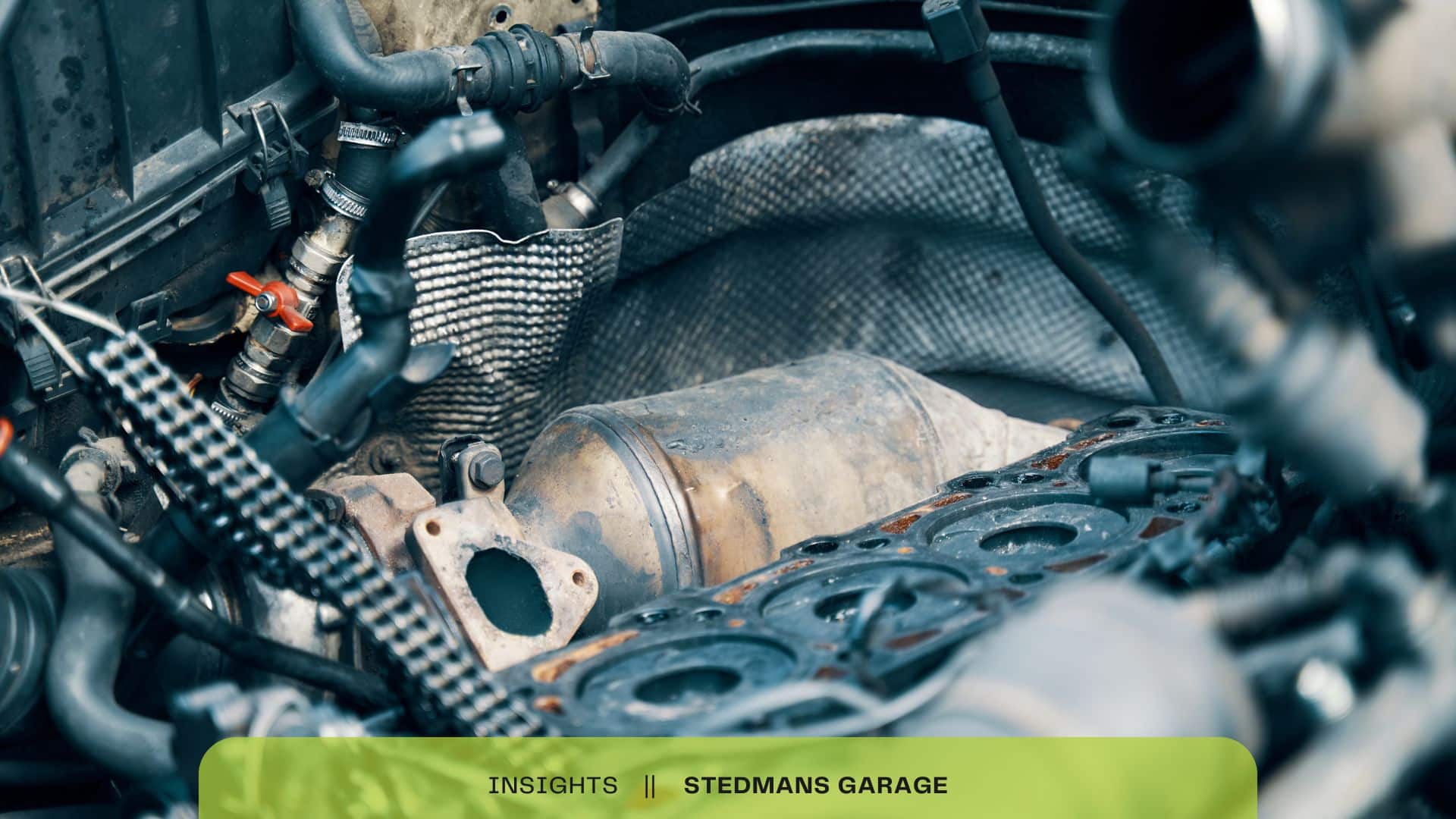
The Diesel Particulate Filter (DPF) is a crucial component of modern diesel engines, including the Skoda Octavia 1.6 TDI. Its primary function is to capture and store exhaust soot, reducing emissions of particulate matter that can harm the environment and public health. By trapping these soot particles, the DPF prevents them from being released into the atmosphere, thus playing a significant role in meeting stringent emissions regulations.
Causes of Clogging
DPF clogging typically occurs when the filter becomes overloaded with soot particles. This can be exacerbated by several factors:
- Frequent Short Journeys: The most common cause of DPF clogging in the Skoda Octavia 1.6 TDI arises from frequent short trips, where the engine does not reach its optimal operating temperature. During these trips, the filter does not regenerate, leading to soot build-up.
- Driving Style: Aggressive driving, including rapid acceleration and deceleration, can increase soot production, clogging the DPF more quickly.
- Engine Issues: Problems such as fuel mismanagement, dirty air filters, or malfunctioning sensors can lead to incomplete combustion, resulting in excess soot generation.
- Use of Low-Quality Fuel: Poor-quality diesel fuel may contain higher levels of impurities, leading to more soot and faster DPF clogging.
UK-Specific Factors
Driving conditions in the UK can further compound DPF issues. For example, frequent stop-start driving in urban areas, prevalent traffic congestion, and shorter average journey distances mean many drivers do not allow their engines to reach the necessary temperatures for effective DPF regeneration. Additionally, the UK’s varying weather conditions can affect engine performance and fuel quality, leading to potential DPF problems.
Symptoms of DPF Clogging in the Skoda Octavia 1.6 TDI

Common Indicators
Recognising the symptoms of DPF clogging is crucial for Skoda Octavia owners. Here are some common indicators:
- Warning Lights: The DPF warning light on the instrument panel is often the first alert that something is wrong. If it illuminates, it is essential to take action promptly.
- Loss of Power: A clogged DPF can lead to reduced engine performance, resulting in a noticeable loss of power during acceleration.
- Increased Fuel Consumption: Drivers may notice a decrease in fuel efficiency as the engine works harder to push exhaust gases through a restricted filter.
- Unusual Noises: A throaty or raspy noise from the exhaust can indicate that the DPF is struggling to expel gases.
Real-World Examples
Consider a scenario where a Skoda Octavia owner regularly drives short distances to work and back. After a few weeks, they begin to notice that the car feels sluggish when merging onto the motorway. The DPF warning light appears, indicating that the filter is nearing its clogging limit. This situation illustrates how everyday driving patterns can lead to serious DPF issues if not addressed promptly.
Another example involves a family taking their Octavia on short trips to the supermarket while heavily loading the vehicle. The combination of short journeys and additional weight can hasten DPF clogging, leading to performance issues and potentially costly repairs if neglected.
The Impact of Short Journeys on DPF Health
Driving Patterns
Short journeys, typically defined as trips under 20 minutes, can severely hinder the DPF’s ability to regenerate. Regeneration is the process by which the DPF burns off accumulated soot, converting it into harmless gases. This process usually requires the engine to reach around 600°C, which is rarely achieved during brief trips.
When the DPF does not have the opportunity to regenerate, soot accumulation continues, leading to a clogged filter that triggers various performance issues.
Statistics and Data
In the UK, a significant number of drivers frequently make short trips. According to the Department for Transport, around 60% of car trips are less than five miles, many of which occur in urban settings. This driving behaviour is particularly detrimental to DPF health, as it prevents efficient filter operation and regeneration.
Moreover, a study by the Society of Motor Manufacturers and Traders (SMMT) highlights that diesel vehicles are often underused regarding their designed capabilities, resulting in increased DPF-related problems. This is concerning for Skoda Octavia 1.6 TDI owners who may not realise how their driving habits affect their vehicle’s emissions system.
Solutions to Prevent DPF Clogging

Regular Maintenance
Regular servicing is essential for maintaining the health of the DPF in your Skoda Octavia 1.6 TDI. This includes:
- Scheduled Oil Changes: Regular engine oil replacement helps prevent sludge build-up, supporting overall engine health.
- Air Filter Replacement: A clean air filter ensures optimal combustion, which reduces soot production.
- Fuel Quality Checks: Using high-quality fuel can help mitigate impurities that contribute to DPF clogging.
Driving Habits
Adjusting your driving habits can significantly improve DPF health:
- Longer Drives: Whenever possible, incorporate longer drives to allow the engine to reach the necessary temperatures for effective DPF regeneration.
- Gradual Acceleration: Smooth acceleration reduces soot levels, thus lessening strain on the DPF.
- Avoiding Short Trips: If feasible, combine errands to minimise the number of short journeys.
DPF Regeneration Techniques
Understanding DPF regeneration is crucial:
- Passive Regeneration: This occurs during normal driving conditions when the engine reaches high temperatures. Skoda Octavia owners should aim for longer motorway drives occasionally to facilitate this process.
- Active Regeneration: If the DPF becomes clogged, the vehicle’s onboard computer may initiate an active regeneration process, injecting extra fuel to raise the exhaust temperature. It’s essential to monitor the DPF light and ensure that the process completes without interruption.
- Manual Regeneration: In some cases, manual regeneration may be necessary, typically involving a professional service equipped to safely perform the process.
Additives and Products
Several products can help maintain DPF health:
- DPF Cleaner Additives: Fuel additives can help reduce soot build-up and improve combustion efficiency. Ensure they are compatible with the Skoda Octavia 1.6 TDI when using such products.
- Regular Use of Quality Fuel: Opt for premium diesel fuels that contain cleaning agents designed to maintain the health of the DPF and engine.
What to Do If Your DPF is Already Clogged
Signs of Clogging
If you suspect your DPF is already clogged, watch for these signs:
- Persistent Warning Lights: If the DPF warning light is consistently illuminated, it’s time to take action.
- Significant Loss of Power: If the vehicle struggles to accelerate or maintain speed, this may indicate a serious DPF issue.
- Unusual Exhaust Smoke: Excessive smoke from the exhaust can be a clear warning sign of a clogged DPF.
Professional Cleaning vs. Replacement
When addressing a clogged DPF, owners must weigh their options:
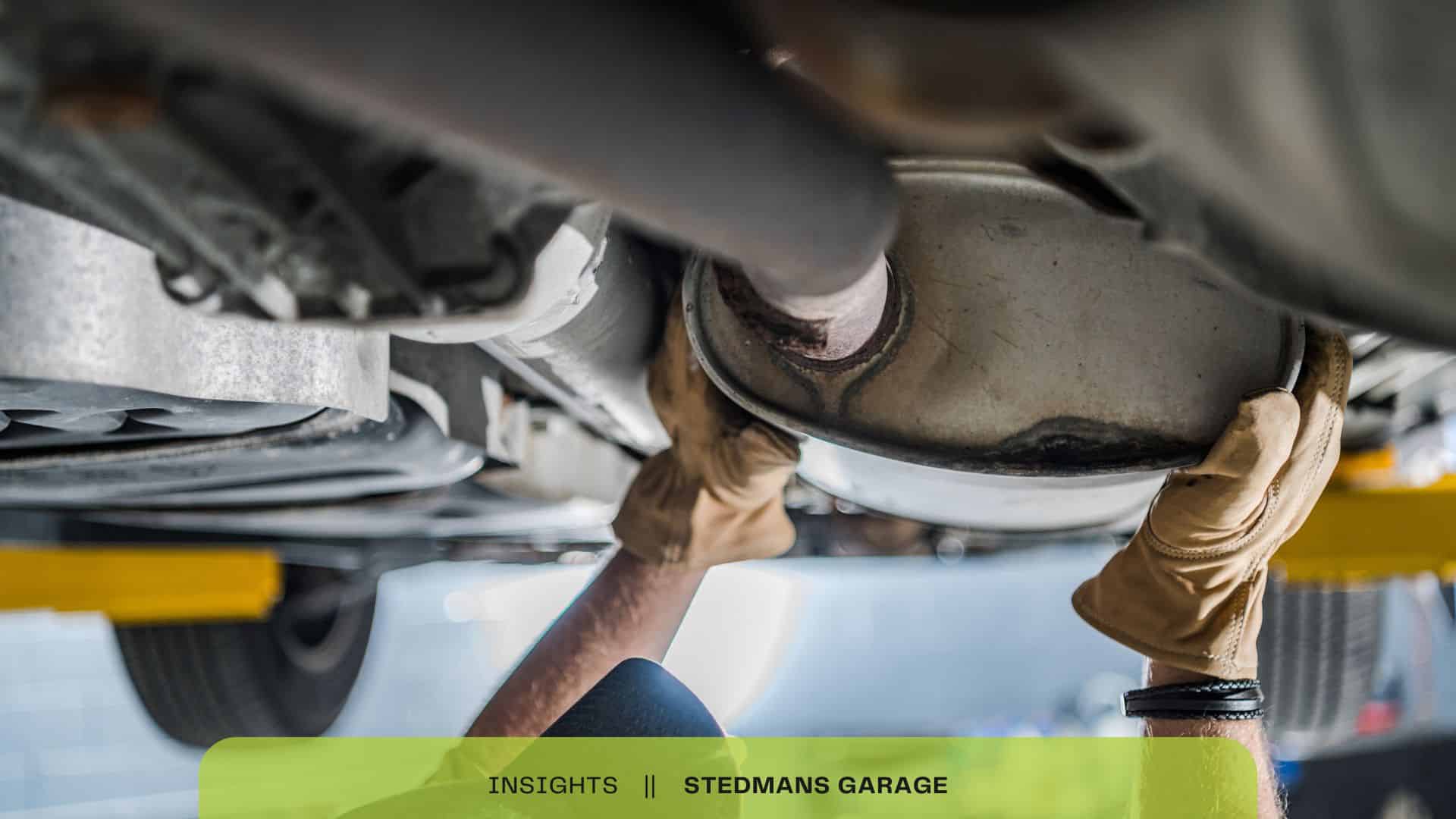
- Professional Cleaning: Many garages offer DPF cleaning services that can restore the filter’s functionality without the need for replacement. Methods may include chemical cleaning or ultrasonic cleaning.
- Replacement Costs: If the DPF is severely clogged or damaged, replacement may be necessary. However, this can be expensive, often costing several hundred pounds. It is crucial to consider whether cleaning or replacement is the most cost-effective option, depending on the severity of the clogging.
Actionable Tips Section
To help Skoda Octavia 1.6 TDI owners prevent DPF clogging, here are some actionable tips:
Plan Longer Drives:
- Aim for Longer Trips: Incorporate longer journeys at least once a month to allow the DPF to regenerate effectively.
- Combine Errands: Instead of making several short trips, combine errands into one longer drive.
Monitor Driving Style:
- Smooth Acceleration: Avoid rapid starts and hard braking; instead, aim for smooth acceleration and deceleration.
- Maintain Steady Speed: If possible, maintain a steady speed on the motorway for prolonged periods to facilitate regeneration.
Fuel Quality Matters:
- Use Quality Diesel: Always opt for premium diesel fuels that include additives designed to improve combustion and reduce soot.
Regular Maintenance:
- Schedule Servicing: Adhere to a regular maintenance schedule that includes oil changes and air filter replacements.
- Check Engine Codes: Regularly check for error codes that could indicate issues related to the DPF or engine performance.
Consider Additives:
- Use DPF Cleaner Additives: Incorporate a DPF cleaner into your fuel occasionally to help maintain filter health.
Understand Your DPF:
- Know When to Seek Help: If you notice any symptoms of clogging, don’t hesitate to consult a professional mechanic who can diagnose and remedy the issue promptly.
Conclusion
In conclusion, understanding DPF clogging in the Skoda Octavia 1.6 TDI is crucial for maintaining vehicle performance and longevity. By recognising the signs of clogging, being aware of how short journeys impact DPF health, and implementing proactive solutions, Skoda Octavia owners can ensure their vehicles run smoothly and efficiently. Regular maintenance, adjustments to driving habits, and proper fuel usage can significantly reduce the risk of DPF issues.
For Skoda Octavia owners and potential buyers, being proactive about DPF maintenance is not just advisable, it’s essential. Start implementing these tips today to enhance the longevity and performance of your Skoda Octavia 1.6 TDI!