Overview of EV and Petrol Vehicle Technology
The Basics of Electric Vehicles
Electric vehicles operate on a fundamentally different system compared to petrol cars. At the heart of an EV lies the electric motor, powered by a rechargeable battery pack. Unlike internal combustion engines (ICE), which rely on fuel combustion to generate power, electric motors convert electrical energy into mechanical energy with remarkable efficiency.
Key Components of Electric Vehicles:
- Electric Motor: Provides propulsion without the need for fuel combustion.
- Battery Pack: Stores energy, typically lithium-ion, which powers the electric motor.
- Regenerative Braking System: Captures energy during braking to recharge the battery.
Understanding Petrol Vehicles
In contrast, petrol cars utilise an internal combustion engine that burns fuel to create energy. This process involves multiple components working in unison, including:
Key Components of Petrol Vehicles:
- Internal Combustion Engine (ICE): The main power source, converting fuel into energy.
- Fuel System: Delivers petrol to the engine, including fuel injectors and filters.
- Exhaust System: Manages emissions produced during combustion, including catalytic converters and mufflers.
Impact on Servicing Requirements
The differences in technology between EVs and petrol vehicles significantly impact their servicing requirements. EVs have fewer moving parts, which typically results in lower maintenance needs. Petrol vehicles, on the other hand, require regular servicing of various components to ensure optimal performance due to their complex design.

Servicing Requirements for Electric Vehicles
Key Maintenance Aspects
EV servicing focuses primarily on the following aspects:
- Battery Health: The battery system is critical for EV operation. Regular checks of battery health, performance, and capacity are essential. Preventive maintenance can help extend the lifespan of the battery, which is one of the most expensive components to replace.
- Software Updates: Modern EVs are equipped with sophisticated software systems that manage everything from battery performance to navigation. Regular software updates are necessary to enhance functionality and performance.
- Electric Drivetrain Maintenance: While EVs have fewer moving parts, the drivetrain still requires occasional inspections, including checking the electric motor and transmission system for wear and tear.
Specialised Equipment and Training
Servicing electric vehicles requires technicians to have specialised training and access to specific tools and diagnostic equipment. This ensures that they can effectively diagnose issues and perform maintenance tasks without risking damage to the vehicle’s intricate systems.
Reduced Moving Parts and Maintenance Frequency
The reduced number of moving parts in EVs translates to fewer components that can wear out, leading to a lower frequency of servicing compared to petrol vehicles. For instance, there are no oil changes or exhaust system checks required, which simplifies the overall maintenance regime for EV owners.
Servicing Requirements for Petrol Vehicles
Essential Maintenance Tasks
Petrol vehicles have a more extensive list of servicing requirements due to the complexity of their internal combustion engines. Key maintenance tasks include:
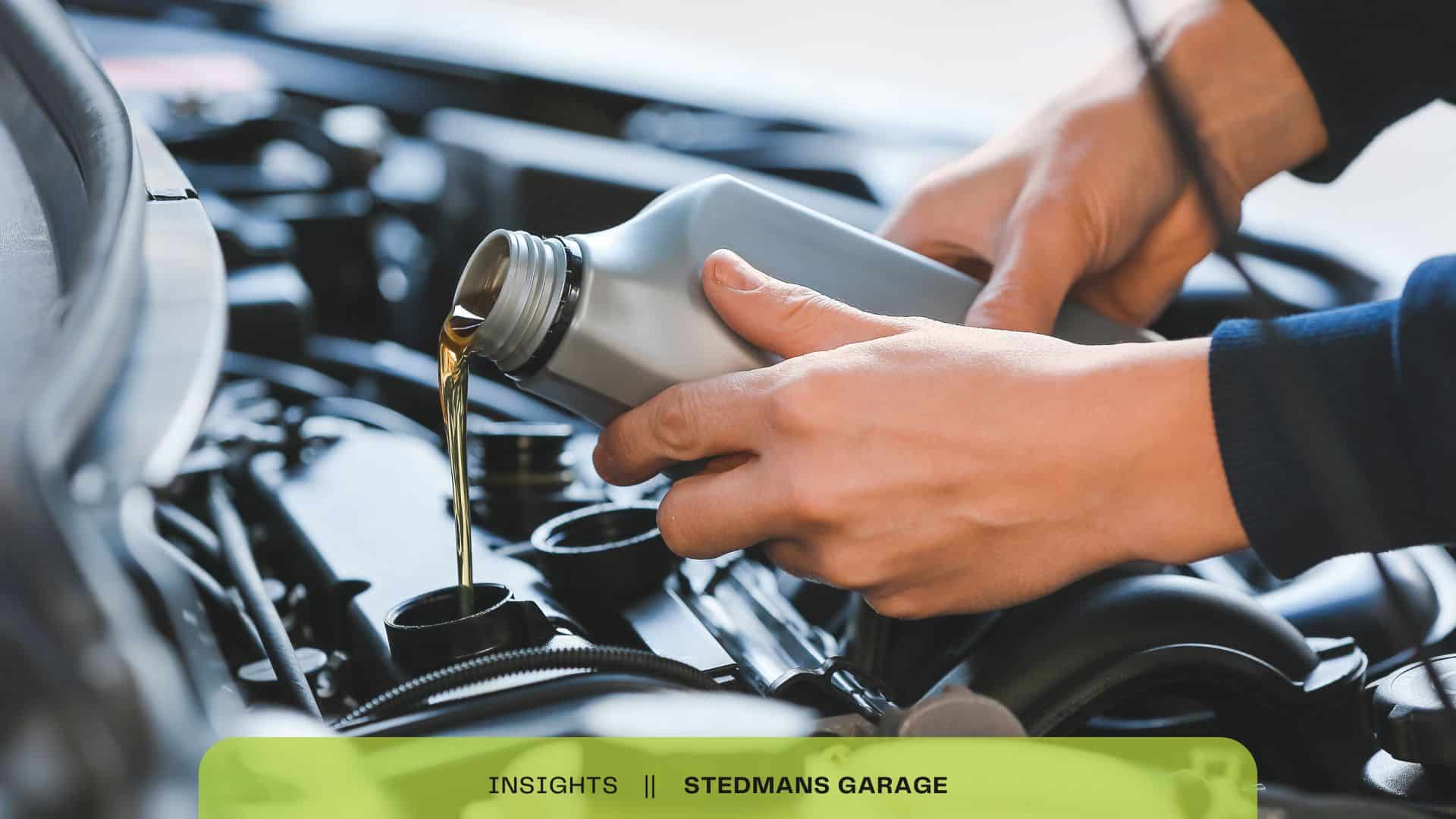
- Oil Changes: Regular oil changes are essential to lubricate engine components and prevent friction damage.
- Fuel Filter Replacements: Over time, fuel filters can become clogged, affecting engine performance. Regular replacements are necessary to maintain a smooth fuel flow.
- Exhaust System Inspections: The exhaust system must be inspected for leaks, corrosion, and blockages to ensure emissions are managed properly.
Engine Component Maintenance
Petrol vehicles consist of numerous intricate components that require regular attention:
- Spark Plugs: These ignite the air-fuel mixture, and worn spark plugs can lead to misfires and reduced performance.
- Fuel Injectors: These need to be cleaned or replaced periodically to ensure optimal fuel delivery.
- Cooling System: The cooling system must be maintained to prevent overheating, which can lead to catastrophic engine failure.
Complexity of Internal Combustion Engines
The intricate design of internal combustion engines necessitates regular servicing of various components. The more complex the engine, the more maintenance it typically requires to ensure longevity and performance. This complexity can lead to higher servicing costs over time as well.
Cost Considerations in Servicing
Initial Costs of Ownership
When considering the initial costs associated with owning EVs versus petrol vehicles, it’s important to note that EVs may have a higher purchase price due to advanced technology and battery systems. However, the lower maintenance costs associated with EVs can offset this initial investment over time.
Long-Term Servicing Costs
- EV Servicing Costs: Lower maintenance costs are often incurred due to fewer moving parts. An EV may only require a yearly check-up or battery health assessment, which typically costs less than the regular servicing of a petrol car.
- Battery Replacement Costs: While EVs require less frequent servicing, battery replacement can be a significant expense, depending on the model.
- Petrol Vehicle Servicing Costs: Higher maintenance costs may arise due to servicing requirements every six months or 10,000 miles, leading to cumulative expenses related to oil changes, part replacements, and other routine services.
Consumer Decision-Making
The financial implications of servicing play a significant role in consumer decision-making. Prospective car buyers must weigh the initial purchase price against long-term servicing costs. Many consumers find that while EVs may be more expensive upfront, the cumulative savings on maintenance can make them a more economical choice in the long run.
Environmental Impact and Maintenance
Servicing and Sustainability
As consumers become increasingly conscious of their environmental impact, the servicing practices associated with EVs and petrol vehicles come under scrutiny.
Electric Vehicle Maintenance:
- Sustainable Practices: EV servicing aligns with sustainability goals, particularly through practices like battery recycling and the use of renewable energy sources for charging. Many EV manufacturers now offer recycling programs for old batteries, helping to mitigate environmental concerns.
- Emissions Reduction: EVs produce zero tailpipe emissions, which contributes positively to air quality and reduces the overall carbon footprint associated with vehicle use.
Petrol Vehicle Servicing:
- Emissions and Waste Management: Servicing petrol vehicles generates waste, including oil, filters, and other components that can contribute to environmental pollution if not managed correctly. The emissions produced during fuel combustion also raise significant environmental concerns.
- Sustainability Challenges: The ongoing reliance on petrol vehicles contributes to greenhouse gas emissions. As the automotive industry shifts towards electrification, the need for sustainable servicing practices becomes paramount.
Conclusion
In summary, while both electric vehicles and petrol cars provide unique benefits and challenges, their servicing requirements are markedly different. Understanding these differences is essential for car owners and those considering a switch to EVs.
EV servicing focuses on battery health, software updates, and drivetrain maintenance, leading to lower overall maintenance costs due to fewer moving parts. In contrast, petrol vehicles necessitate regular oil changes, fuel system maintenance, and inspections of numerous engine components, resulting in higher cumulative servicing costs.
As the automotive industry continues to evolve, the environmental implications of vehicle servicing and the impact of technological advancements will play a significant role in shaping consumer choices. Ultimately, understanding the nuances of EV and petrol car servicing can empower consumers to make informed decisions that align with their values, budget, and driving needs.