Introduction
For Land Rover owners and enthusiasts, understanding the mechanics and nuances of their vehicle is essential for ensuring longevity and reliability. One critical component that often goes overlooked is the timing chain tensioner, which plays a pivotal role in maintaining the engine’s performance. Timing chain tensioner failures can lead to severe engine issues and costly repairs if not addressed promptly. This blog aims to provide comprehensive insights into Land Rover timing chain tensioner failures, including their causes, symptoms, consequences, and repair options. By the end of this guide, drivers will better understand how to maintain their vehicles and avoid timing chain failures, ensuring their Land Rover remains a reliable companion on UK roads.
Understanding Timing Chains and Tensioners in Land Rovers
What Are Timing Chains?
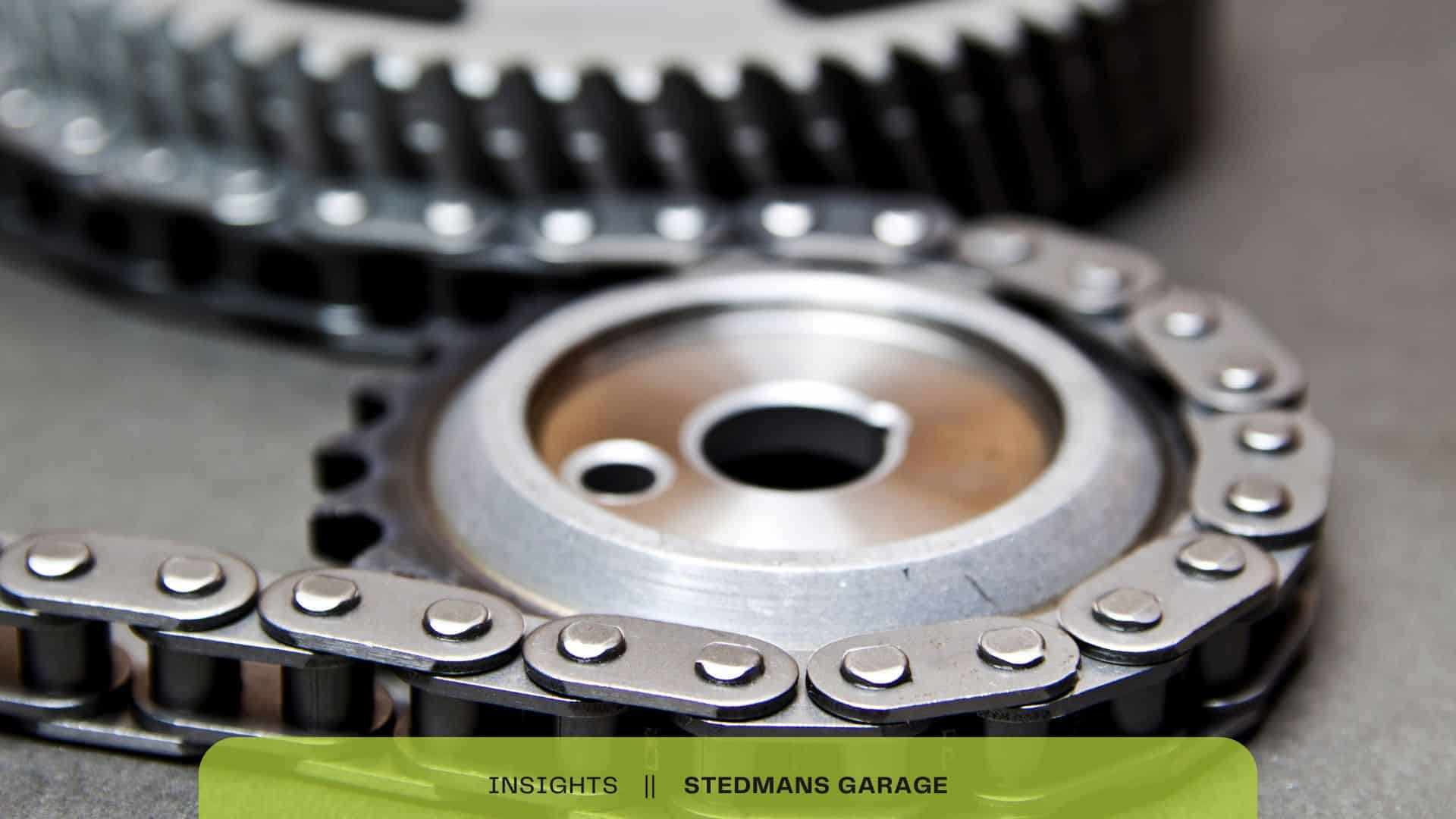
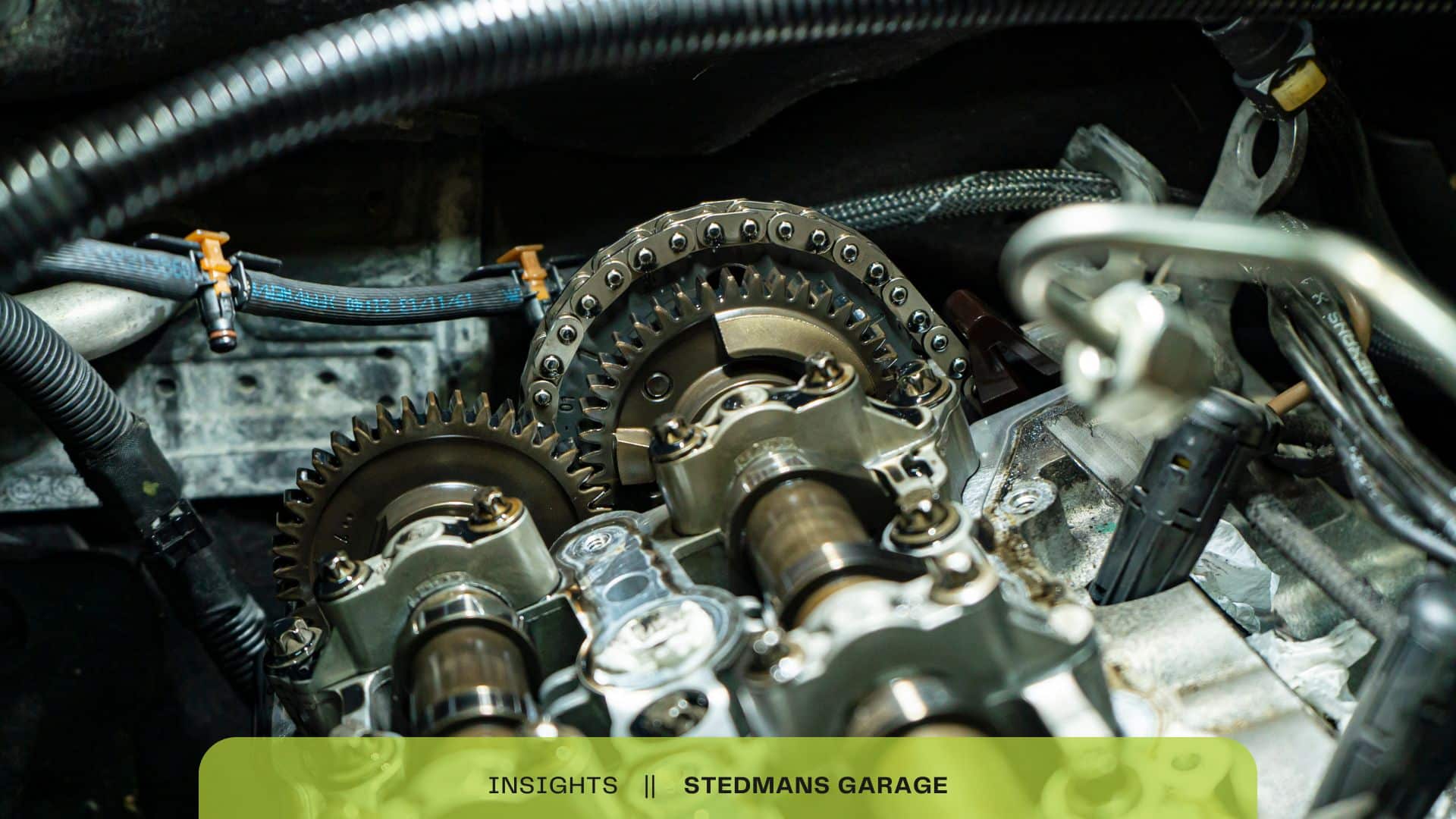
Timing chains are integral components of an engine’s timing system, responsible for synchronising the rotation of the crankshaft and camshaft. This synchronisation ensures that the engine’s valves open and close at the correct intervals during each cycle. Unlike timing belts, timing chains are generally more durable and robust, designed to withstand the rigours of engine operation for longer periods. However, they are not immune to wear and tear, particularly in high-performance vehicles like Land Rovers.
The Role of Timing Chain Tensioners
The timing chain tensioner is a device that maintains the correct tension on the timing chain, preventing it from becoming too loose or too tight. A properly functioning tensioner is crucial for optimal engine performance and reliability. In Land Rover vehicles, the tensioner automatically adjusts to provide the necessary pressure on the chain, compensating for stretch and wear over time. This adjustment is particularly important given the demanding driving conditions often faced by Land Rover owners, such as off-roading and towing.
Importance in Land Rover Models
Different Land Rover models utilise various types of timing chain tensioners, including hydraulic and mechanical designs. Understanding the specific type used in your model is vital for maintenance and repair. For example, the Range Rover and Discovery models typically feature hydraulic tensioners, while older models may utilise mechanical ones. Regular maintenance of these components not only enhances engine performance but also extends the life of the timing chain itself.
Common Causes of Timing Chain Tensioner Failures
Timing chain tensioner failures can arise from various factors, many of which are exacerbated by common driving conditions in the UK. Understanding these causes can help Land Rover owners take preventive measures.
1. Wear and Tear
Like all mechanical parts, timing chain tensioners are subject to wear and tear over time. The constant pressure on the tensioner as it maintains chain tension can lead to degradation. Consequently, this wear can result in tensioner failure, leading to a loose or malfunctioning timing chain.
2. Lack of Maintenance
Regular engine maintenance is crucial for the longevity of any vehicle, especially complex machines like Land Rovers. Failing to change the engine oil or neglecting scheduled maintenance can lead to premature wear of the timing chain and tensioner. Oil serves as a lubricant for these components, and without proper lubrication, they can overheat and fail.
3. Manufacturing Defects
While rare, manufacturing defects can also lead to tensioner failures. Some Land Rover models have been reported to experience issues due to faulty tensioners produced during a specific production run. Staying informed about recalls and manufacturer advisories is essential for drivers to prevent issues before they escalate.
4. Harsh Driving Conditions
UK weather can be unpredictable, and many Land Rover owners frequently drive in challenging conditions, including heavy rain, mud, and snow. These factors can contribute to accelerated wear of the timing chain tensioner. Additionally, off-road driving places extra strain on the engine components, making regular inspections even more critical.
5. Engine Modifications
For automotive enthusiasts who modify their Land Rovers for performance, changes to the engine can inadvertently affect the timing chain tensioner. Higher-performance engines often run at greater RPMs, which can increase the load on the timing chain and tensioner, leading to failures.
Symptoms of Timing Chain Tensioner Issues

Identifying the symptoms of timing chain tensioner issues early can save Land Rover owners from costly repairs and engine failure. Here are some common warning signs to watch for:
1. Unusual Noises
One of the most common symptoms of a failing timing chain tensioner is an unusual rattling or ticking noise coming from the engine. This noise occurs when the chain becomes loose due to inadequate tension, allowing it to slap against other engine components. If you notice any strange sounds, it’s essential to investigate promptly.
2. Engine Performance Issues
A failing tensioner can lead to poor engine performance, including reduced power, misfiring, or stalling. These issues arise because the timing chain may not maintain proper synchronisation between the camshaft and crankshaft, leading to inefficient engine operation. If your Land Rover is not performing as it should, consider checking the timing chain tensioner.
3. Dashboard Warning Lights
Many modern Land Rover models are equipped with diagnostic systems that can alert drivers to engine issues. If the check engine light illuminates, it may indicate timing chain tensioner problems. It’s advisable to have the vehicle scanned for error codes to identify the specific issue.
4. Oil Leaks
In some cases, a failing timing chain tensioner may lead to oil leaks. This can occur if the tensioner becomes damaged or if its seal deteriorates. Oil leaks can not only affect engine performance but also pose a fire hazard, making it crucial to address them immediately.
5. Engine Overheating
If the tensioner fails and causes the timing chain to become loose, it can lead to increased friction and overheating of the engine. If you notice your engine temperature gauge rising above normal levels, it’s vital to turn off the vehicle and investigate the issue.
Consequences of Ignoring Tensioner Failures
Failing to address timing chain tensioner issues can have serious consequences for your Land Rover, including:
1. Engine Failure
The most severe consequence of ignoring tensioner failures is complete engine failure. If the timing chain jumps or breaks due to a faulty tensioner, it can cause catastrophic damage to the engine components, leading to costly repairs or even the need for a complete engine replacement.
2. Costly Repairs
Repairing or replacing a timing chain and tensioner can be expensive, often ranging from £1,000 to £3,000 depending on the model and severity of the damage. Regular checks and timely interventions can save drivers considerable amounts of money in the long run.
3. Increased Insurance Premiums
If you experience significant engine failure due to neglecting tensioner issues, it may impact your insurance premiums. Insurers often view repeat claims as a sign of poor vehicle maintenance, leading to increased rates.
4. Diminished Resale Value
A Land Rover with a history of timing chain tensioner issues may have a diminished resale value. Potential buyers will likely be wary of a vehicle that has experienced major engine problems, making it more challenging to sell.
5. Safety Risks
Driving a vehicle with a failing timing chain tensioner poses safety risks not only to the driver but also to other road users. An unexpected engine failure could result in loss of control, leading to accidents.
Repair and Replacement Options for Timing Chain Tensioners
When faced with timing chain tensioner issues, Land Rover owners have several repair and replacement options to consider:
1. Repairing the Tensioner
In some cases, it may be possible to repair the tensioner rather than replace it. This option can be more cost-effective, particularly if the failure is due to a minor issue such as a faulty seal. However, repairs should only be performed by qualified mechanics familiar with Land Rover vehicles to ensure proper handling.
2. Full Replacement
If the tensioner is beyond repair, a full replacement is necessary. The cost of replacing a timing chain tensioner can vary, typically ranging from £300 to £800 for parts and labour, depending on the Land Rover model and the garage’s location. It’s advisable to obtain quotes from multiple garages to find a competitive price.
3. Dealership Services vs. Independent Garages
Land Rover dealerships offer specialised services and genuine parts, which can be a significant advantage. However, their rates can be higher than those of independent garages. Independent mechanics may provide more competitive pricing, but it’s crucial to choose one with experience in Land Rover models to ensure quality work.
Pros and Cons of Each Option
Dealership Services:
- Pros: Specialised knowledge, genuine parts, warranty on repairs.
- Cons: Higher costs, longer waiting times for appointments.
Independent Garages:
- Pros: Competitive pricing, quicker service, personalised customer care.
- Cons: Variability in expertise, potential use of non-genuine parts.
Actionable Tips for Preventing Timing Chain Tensioner Failures
To avoid the hassle and cost of timing chain tensioner failures, Land Rover owners should take proactive steps. Here are some practical tips to help maintain your vehicle:
1. Regular Maintenance Checks
- Schedule Regular Services: Follow the manufacturer’s service schedule for oil changes and inspections. Consistent maintenance can catch potential issues before they escalate.
- Check Oil Levels: Regularly monitor your engine oil levels and quality. Use high-quality oil recommended by Land Rover to ensure optimal lubrication.
2. Listen for Unusual Noises
- Pay Attention to Sounds: If you hear any rattling or ticking noises from the engine, have it checked immediately. Early diagnosis can prevent more severe damage.
3. Monitor Engine Performance
- Be Alert to Changes: Notice any changes in engine performance, such as reduced power or stalling. If issues arise, consult a mechanic promptly to avoid further complications.
4. Choose a Reliable Mechanic
- Research Local Garages: Look for mechanics who specialise in Land Rovers. Read reviews and ask for recommendations to find someone trustworthy.
5. Stay Informed
- Follow Manufacturer Updates: Keep abreast of any recalls or updates related to your vehicle model. This information can be crucial in addressing potential issues early on.
Conclusion
Understanding the mechanics behind Land Rover timing chain tensioner failures is vital for any owner or enthusiast. By being aware of the causes, symptoms, and repair options, drivers can take proactive steps to maintain their vehicles and prevent costly repairs. Regular maintenance, prompt attention to warning signs, and informed decision-making can significantly enhance vehicle reliability and performance.
Stay informed and keep your Land Rover running smoothly by scheduling regular maintenance checks today! Investing in your vehicle’s health now can save you significant time and money in the future.