Introduction
The P0107 VAG fault code, indicates potential problems within the engine control system. This code specifically refers to a low voltage signal received from the Manifold Absolute Pressure (MAP) sensor, which is vital for monitoring engine performance and efficiency. Understanding this fault code is key to keeping your engine running smoothly and avoiding further complications. In this comprehensive guide, we will explore the specifics of the P0107 fault code, its common causes and symptoms, and provide a detailed troubleshooting framework to help you tackle any issues effectively.
Overview of the P0107 VAG Fault Code
The P0107 VAG fault code is defined within the On-Board Diagnostics II (OBD-II) system. It indicates that the engine control unit (ECU) has detected a low voltage signal from the MAP sensor. This sensor measures the pressure within the intake manifold, which helps the ECU determine the ideal air-to-fuel ratio, fuel injection timing, and overall engine performance.
Function of the MAP Sensor
The MAP sensor provides real-time data to the ECU, which uses this information to adjust fuel delivery and ignition timing. This process ensures optimal combustion, enhances fuel efficiency, and reduces emissions. If the MAP sensor malfunctions, it can result in a series of performance problems, such as poor acceleration, increased emissions, and overall engine inefficiency.
Impact on Engine Operation
When the P0107 fault code is triggered, it often signifies that the MAP sensor is unable to deliver accurate readings due to a low voltage signal. This situation can lead to incorrect air-fuel mixture adjustments, adversely affecting engine performance. Addressing this problem promptly is crucial, as it can prevent further damage to the engine and its components.
Common Causes of P0107
Understanding the causes of the P0107 fault code is essential for diagnosing and resolving the issue. Here are several factors that can trigger this error code:
- MAP Sensor Malfunction
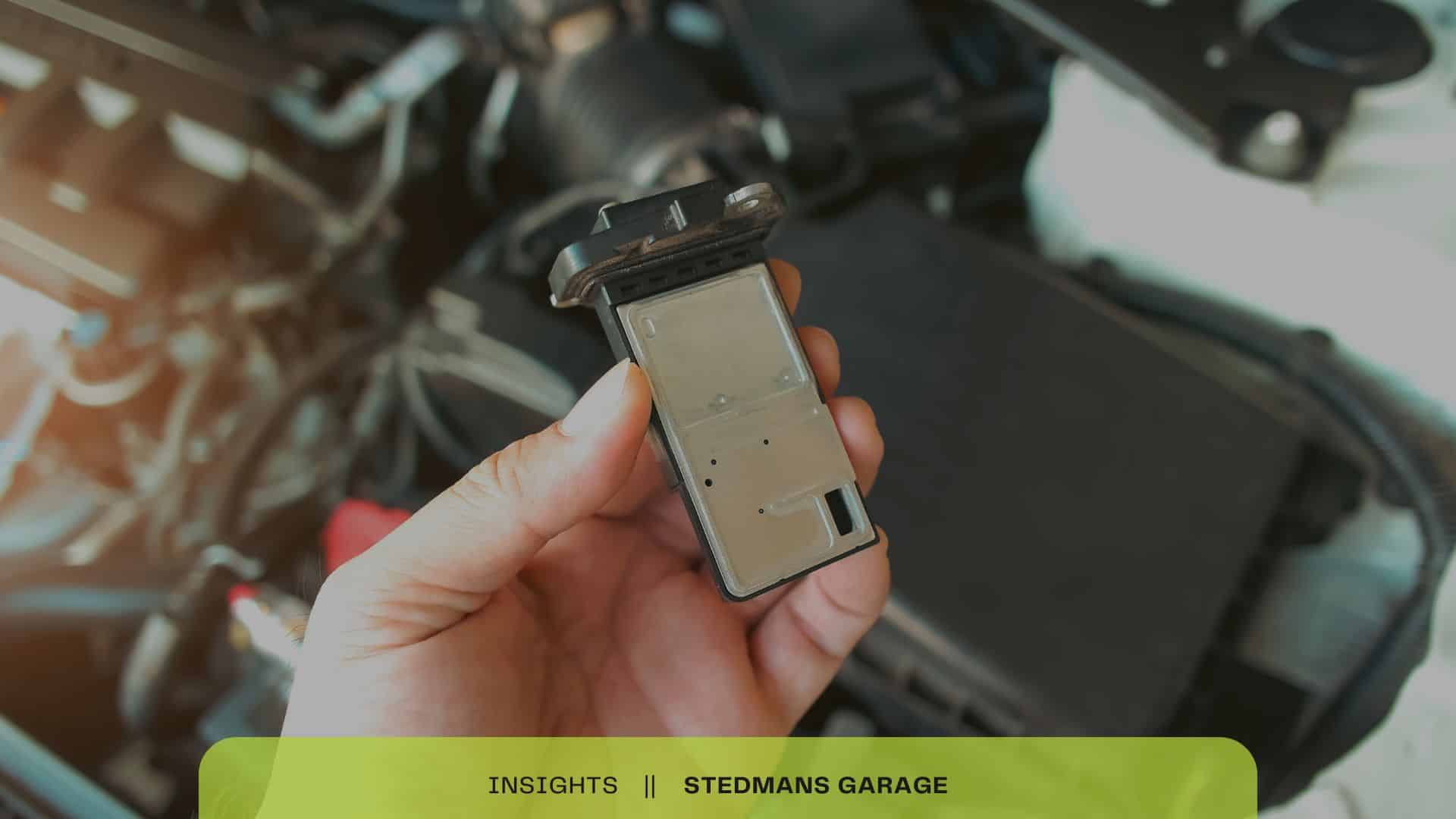
The MAP sensor itself may be faulty due to internal defects or aging components. Contamination from oil, dirt, or moisture can also lead to sensor failure. If the MAP sensor fails, it will send incorrect voltage signals to the ECU, resulting in poor engine performance. - Wiring Issues
Electrical problems such as short circuits, open circuits, or loose connections can disrupt the signal flow between the MAP sensor and the ECU. Inspecting the wiring harness for frayed wires, corrosion, or disconnections is vital when troubleshooting the P0107 code. - Loss of 5V Reference or Signal Short to Ground
P0107 is a hard electrical fault: the MAP signal has been pinned below its minimum threshold. The usual cause is the signal wire shorting to earth, or the loss of the sensor 5V reference feed from the ECU, so the reading collapses toward zero. - Corroded or Damaged Connector
A corroded, water-damaged or pushed-back pin at the MAP sensor connector can add resistance or break the circuit and drop the signal voltage below range. A poor sensor earth has the same effect. - Engine Control Unit (ECU) Issues
Though less common, problems within the ECU can lead to the P0107 fault code. If the ECU struggles to process the signals from the MAP sensor accurately, it may trigger this diagnostic trouble code.
By examining these common causes, vehicle owners can better target their diagnostic efforts when faced with the P0107 fault code.
Symptoms Associated with the P0107 Fault Code
Recognising the symptoms associated with the P0107 fault code is crucial for timely diagnosis and repair. Here are some common symptoms that drivers may experience:
- Check Engine Light
The illumination of the check engine light is one of the most immediate indicators of the P0107 fault code. This warning prompts vehicle owners to seek diagnostic attention to prevent further complications. - Poor Engine Performance
Drivers may notice a decline in overall engine performance, including:- Rough Idling: The engine may feel unstable and vibrate excessively while at a standstill.
- Hesitation During Acceleration: The vehicle may struggle to gain speed or respond sluggishly when the accelerator is pressed.
- Decreased Fuel Efficiency: Poor air-fuel mixture adjustments can lead to increased fuel consumption, resulting in more frequent trips to the petrol station.
- Engine Misfiring: Irregular combustion can cause the engine to misfire, leading to a rough driving experience.
- Increased Emissions
Vehicles experiencing the P0107 fault code may produce higher emissions than normal due to improper fuel mixture adjustments. This situation can lead to potential issues during emissions testing, resulting in failed inspections and fines.
Understanding these symptoms allows vehicle owners to take proactive measures when they encounter the P0107 fault code, ensuring their vehicle remains safe and efficient.
Diagnostic and Troubleshooting Steps
When faced with the P0107 fault code, it’s essential to follow a systematic diagnostic process to identify and resolve the underlying issue. Here’s a comprehensive approach to troubleshooting:
Step 1: Inspect Wiring and Connectors
Start by visually inspecting the wiring harness and connectors associated with the MAP sensor. Look for signs of damage, corrosion, or looseness that could affect the electrical connection. Pay special attention to:
- Frayed wires
- Corroded terminals
- Loose connections
Address any issues found during this inspection, as they could be the root cause of the fault code.
Step 2: Test the MAP Sensor
Conduct a series of tests to determine whether the MAP sensor is functioning correctly:
- Voltage Signal Check
- Preparation: With the ignition on and the engine off, use a multimeter to measure the voltage signal at the MAP sensor connector.
- Expected Voltage: Ideally, the voltage should fall within the manufacturer’s specifications (usually between 0.5 to 4.5 volts, depending on the vehicle).
- Action: If the voltage is outside this range, consider replacing the MAP sensor.
- Vacuum Pump Test
- Setup: Connect a vacuum pump to the MAP sensor.
- Observation: Apply varying vacuum levels and note the voltage output on the multimeter.
- Results: The voltage should change proportionally with the applied vacuum. If it does not, the sensor may be faulty and require replacement.
Step 3: Check for Vacuum Leaks
Identifying vacuum leaks is crucial for accurate diagnosis. Here are two effective methods to detect leaks:
- Smoke Machine Test
- Equipment: Use a smoke machine to introduce smoke into the intake manifold.
- Observation: Watch for smoke escaping from any damaged hoses or gaskets, indicating a leak.
- Aerosol Testing
- Method: Spray a small amount of carburettor cleaner or similar aerosol around the intake manifold.
- Observation: If the engine RPM increases, it indicates a vacuum leak in that area.
Step 4: Replace the MAP Sensor
If testing confirms that the MAP sensor is faulty, replacing it is necessary. Here’s a step-by-step guide:
- Purchase Quality Parts: Select a high-quality replacement MAP sensor that meets OEM specifications.
- Disconnect Battery: Before beginning the replacement, disconnect the vehicle’s battery to prevent electrical issues.
- Remove the Old Sensor: Carefully detach the old MAP sensor, taking care not to damage surrounding components.
- Install New Sensor: Position the new MAP sensor in place and secure it with the appropriate fasteners.
- Reconnect Battery: Reconnect the battery and clear any existing fault codes using an OBD-II scanner.
Following these diagnostic steps will help vehicle owners effectively identify and resolve issues related to the P0107 fault code.
Preventative Measures for MAP Sensor Issues
Preventing issues related to the MAP sensor and the P0107 fault code is crucial for maintaining optimal vehicle performance. Here are some proactive measures vehicle owners can take:
- Regular Maintenance
Schedule routine maintenance checks for your vehicle, focusing on components related to the MAP sensor and engine performance. Regular inspections can identify potential issues before they escalate into fault codes. - Clean the Intake System
Ensure that the intake system, including the MAP sensor, is clean and free of contaminants. Regularly clean or replace air filters and consider using fuel additives that help keep the fuel system clean. - Monitor Engine Performance
Pay attention to any changes in engine performance, such as rough idling or decreased fuel efficiency. Addressing these symptoms early can prevent more severe issues and the activation of fault codes. - Check for Vacuum Leaks
Perform periodic checks of the vacuum system to identify any leaks or damaged components. Addressing these issues promptly can help maintain accurate MAP sensor readings and overall engine health. - Use Quality Fuel
Using high-quality fuel can improve engine performance and reduce the risk of contaminants affecting the MAP sensor and other components.
By adopting these preventative measures, vehicle owners can significantly reduce the likelihood of encountering the P0107 fault code and maintain their vehicles in peak condition.
Conclusion
In conclusion, understanding the P0107 VAG fault code is essential for vehicle owners and automotive enthusiasts alike. This code indicates a low voltage signal from the MAP sensor, which can lead to various performance issues if not addressed promptly. By recognising common causes, identifying associated symptoms, and following a systematic diagnostic process, vehicle owners can effectively troubleshoot and resolve issues related to this fault code.
Timely diagnostics and repairs are crucial in maintaining engine efficiency and performance. Stay vigilant about your vehicle’s health, and don’t hesitate to consult professional technicians if you encounter symptoms related to the P0107 fault code. By doing so, you can ensure your vehicle remains in optimal condition for years to come
If you’re experiencing symptoms related to the P0107 VAG fault code, don’t wait for the issue to escalate. Schedule an appointment with a qualified mechanic today to have your vehicle diagnosed and repaired. Regular maintenance and prompt attention to warning signs can keep your engine running smoothly and efficiently!
Frequently Asked Questions about P0107
What does P0107 mean?
P0107 is logged when the signal voltage from the Manifold Absolute Pressure (MAP) sensor stays below the minimum the engine control unit expects, typically under about 0.5V. The ECU treats this as a hard circuit-low fault rather than a drift. It almost always points at the MAP sensor itself, a broken or earthed signal wire, or a corroded connector, rather than at anything physical happening inside the intake.
What are the symptoms of P0107?
The engine management light is the giveaway, usually with a rough or hunting idle, hesitation when you accelerate and worse fuel economy. Many VAG engines drop straight into limp mode when P0107 is active because the ECU cannot fuel safely without a credible MAP reading. On turbocharged TSI and TDI engines you will also feel a clear loss of boost and the car may refuse to rev cleanly past about 3,000 rpm.
Is it safe to drive with a P0107 code?
It is usually safe to drive a short distance to a garage at moderate speed, but not advisable for long trips. Without a reliable MAP signal the fuelling and, on turbo engines, boost control are guessing. This can foul plugs on petrol cars, soot up the DPF on TDIs, and leave you in limp mode at the wrong moment. If the car is already in limp mode, get it recovered rather than pressing on at motorway speed. Book diagnostics at /car-diagnostics-in-worthing/.
What causes P0107?
The most common cause is an internally failed MAP sensor whose output has collapsed to 0V. Next is a broken signal wire between the sensor and the ECU, often where the loom passes near the manifold or bulkhead. Corroded or pushed-back pins inside the MAP connector come third, followed by an open 5V reference from the ECU. Vacuum leaks and blocked filters do not cause P0107; the fault is electrical.
Can I clear P0107 myself?
Yes, any OBD-II scanner plugged into the diagnostic port will clear the stored code. The light usually returns within seconds, though, because P0107 is normally a hard fault rather than an intermittent one. Clearing also erases the freeze-frame data a technician would use to see the conditions when the signal dropped, so leave it alone until the sensor or wiring has been checked.
Will P0107 make my car fail the MOT?
The MOT does not read the stored code, but the engine management light staying on is an automatic MOT failure under DVSA rules. With the car in limp mode you would also struggle to pass the metered emissions check on petrol or the smoke test on a TDI, since fuelling is no longer being controlled normally. Repair the fault, clear the code, then present the car for MOT.
Which VAG models are most affected by P0107?
P0107 turns up most often on 1.4, 1.8 and 2.0 TSI/TFSI EA888 and EA113 petrol engines in Golf Mk5/Mk6/Mk7, A3 8P/8V, A4 B7/B8 and Passat B6/B7, and on 1.6/2.0 TDI common-rail engines in similar bodies. The combined MAP/IAT sensor screwed into the intake manifold or charge pipe is the typical failure point. Heat-soak and oil contamination both shorten its life. Our /makes/volkswagen-specialist/ team can swap this in-house.
How is P0107 different from P0108?
Both are MAP sensor circuit faults but they are mirror images. P0107 means the signal is stuck below the minimum the ECU will accept, usually a broken wire, an internally failed sensor, or a short to earth. P0108 means the signal is stuck above the maximum, usually an internal sensor failure pegging high, or a short to the 5V reference or battery voltage. A scan tool with live data confirms which way the signal has gone.