Introduction
The power steering pump is a vital component of the Mini Countryman, enhancing driver comfort and vehicle handling. However, failures in this system can lead to heavy steering, affecting driving experience and posing safety risks. Understanding power steering pump failures is crucial for Mini Countryman owners to ensure safety and performance.
Type of Power Steering System
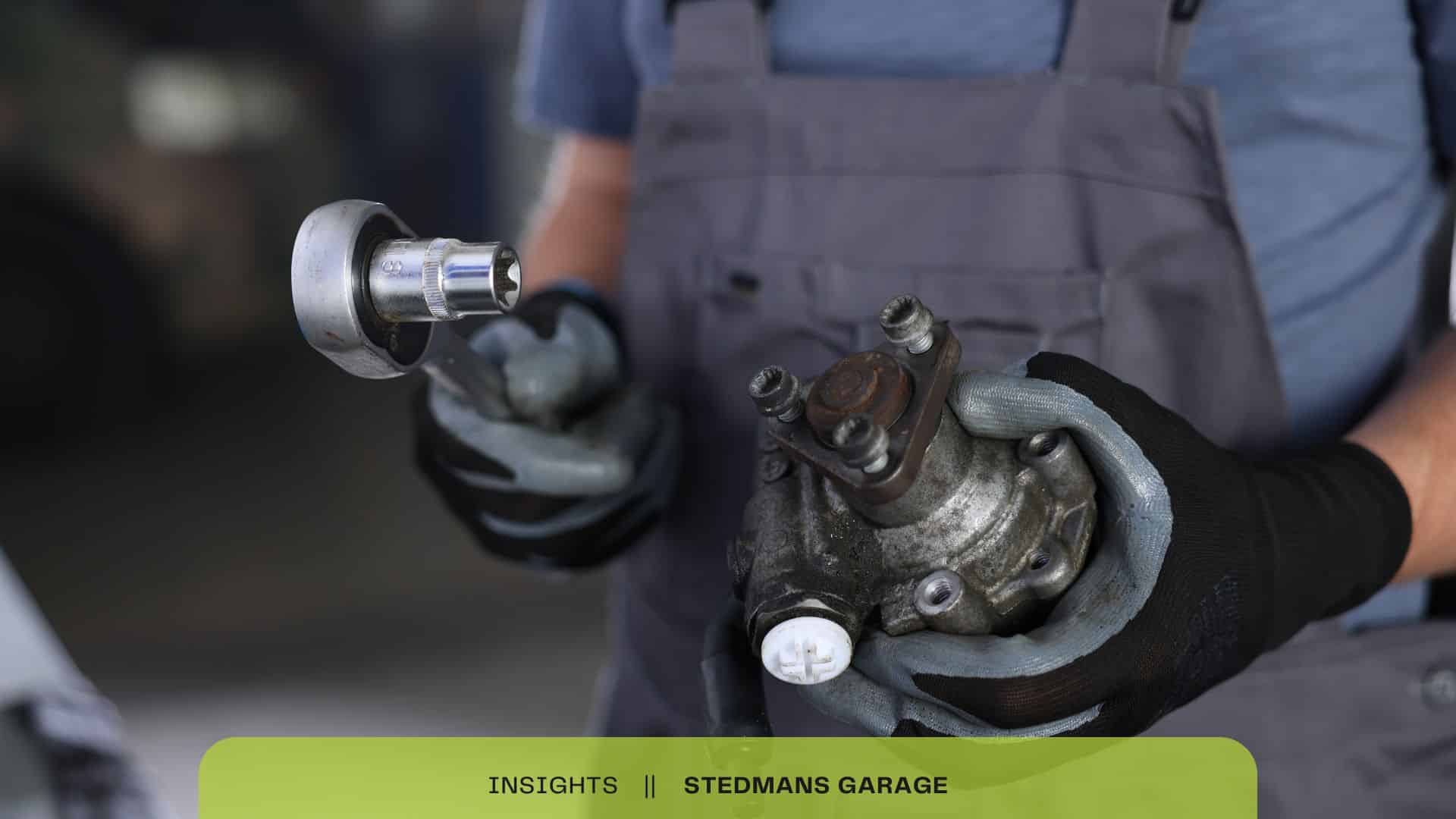
The Mini Countryman employs electric power steering (EPS) in newer models, which optimises energy efficiency and enhances steering responsiveness. Older models may utilise a hydraulic power steering system. Understanding the type of system in your vehicle is crucial for proper diagnosis and maintenance.
Understanding Power Steering Pump Functionality
The Role of the Power Steering Pump
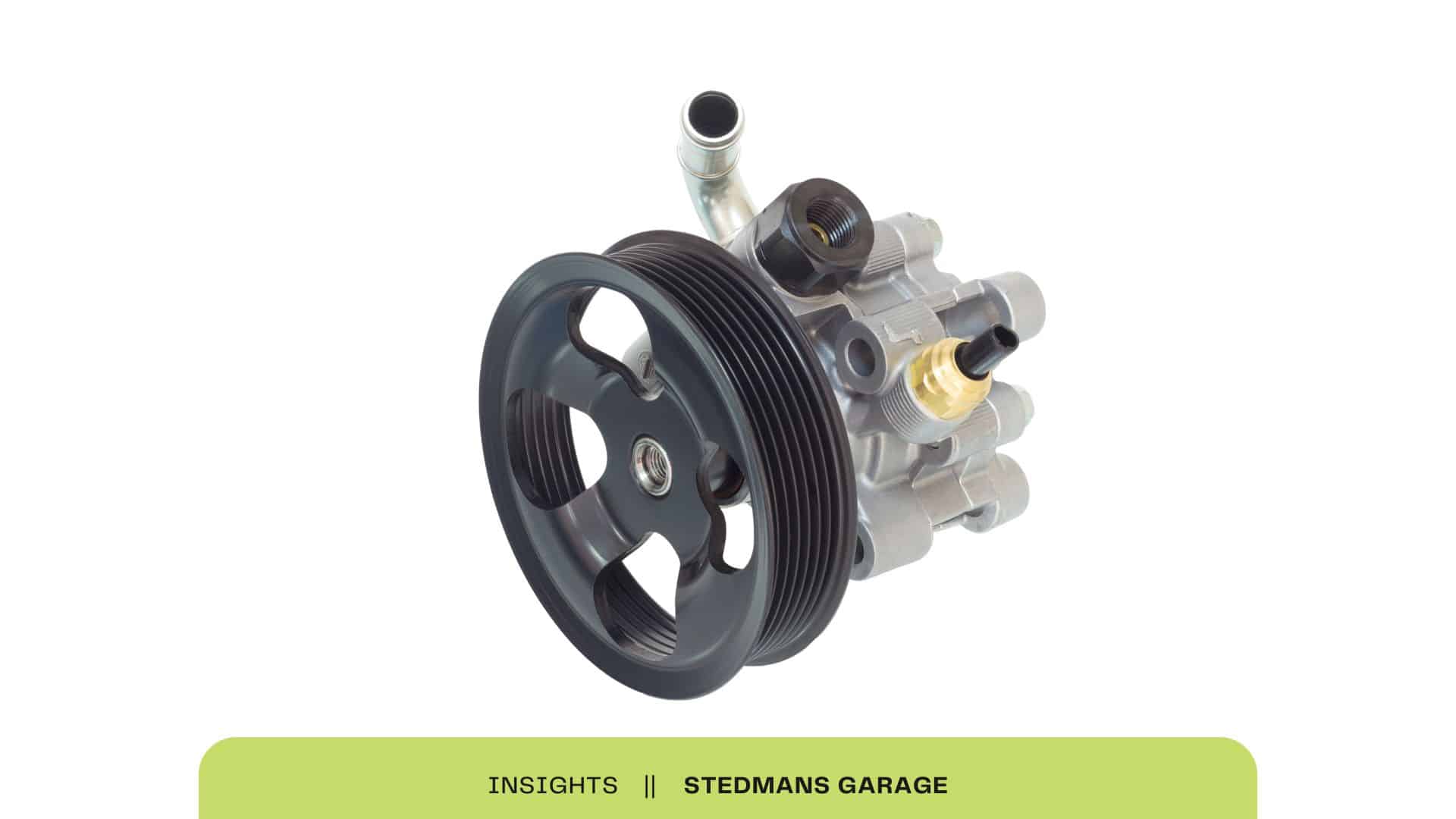
The primary function of the power steering pump in the Mini Countryman is to generate hydraulic pressure, assisting the driver in steering the vehicle effectively. This hydraulic force enables a lighter, more responsive steering feel, especially in urban areas where sharp turns are common.
How Hydraulic Force Assists in Steering
In the Mini Countryman’s hydraulic steering system, fluid is pressurised by the power steering pump before being directed into the steering rack. When the driver turns the steering wheel, this fluid pressure helps move the rack, making direction changes easier. Unlike traditional manual steering systems that require substantial physical effort, the power steering system provides a more comfortable experience, particularly during low-speed manoeuvres.
Power Steering Fluid Type
For optimal performance, it’s essential to use the correct type of power steering fluid for the Mini Countryman. Many sources recommend Pentosin CHF 11S, while others suggest that an automatic transmission fluid (ATF) such as ATF+4 or Mercon V can be used provisionally. Always refer to the owner’s manual for the correct fluid specification to ensure smooth operation.
Normal Operating Conditions
Under normal conditions, the power steering pump operates efficiently, ensuring that hydraulic fluid circulates without leaks or contamination. This circuit offers immediate feedback and control during driving, meaning that any malfunction or inefficiency can quickly escalate into significant problems, including heavy steering or complete steering failure.
Common Signs of Power Steering Pump Failure
Stiff Steering Wheel
One of the first indicators of power steering pump issues is a stiff steering wheel. When the pump fails, it may not supply adequate hydraulic pressure, making it difficult for the driver to turn the wheel, especially at low speeds or while parking.
Strange Noises from the Engine Bay
Unusual noises such as whining or groaning from the engine bay often suggest issues with the power steering pump. These sounds may indicate that the pump struggles to circulate fluid effectively or that steering fluids are contaminated.
Low Steering Fluid Levels
It’s essential to regularly check steering fluid levels to maintain the health of the power steering system. Low fluid levels can increase wear on the power steering pump and may indicate leaks in the system. If the fluid reservoir is low, diagnosing the cause immediately is crucial to prevent further damage.
Electrical Issues
Electric connections can also cause power steering problems in the Mini Countryman. Issues such as a defective cable or plug connection can disrupt the power steering system and lead to inconsistent steering performance.
Warning Lights on the Dashboard
In modern Mini Countryman models, dashboard warning lights may illuminate when there are concerns with the power steering system. Always heed these warnings, as they alert drivers to potential failures that could compromise safety.
Heat Build-Up in the Pump
If the power steering pump overheats, it may lose efficiency and performance. Overheating can cause extensive damage to both the pump and the steering system. Drivers should look for signs of excessive heat or burning smells to indicate potential failure.
Factors Leading to Power Steering Pump Issues
Contaminated Steering Fluids
Contaminated fluids are a leading cause of power steering pump failure. Dirt and debris can enter the fluid system over time, hindering flow and causing wear on internal components. Regular fluid checks can help catch issues early, preventing costly repairs.
Imbalanced Fluid Levels
Maintaining proper steering fluid levels is crucial for the power steering pump’s functioning. Both low and excessively high fluid levels can strain the pump. Low levels lead to insufficient lubrication, while high levels can create excessive pressure, damaging seals and hoses.
Rough Driving Conditions
Frequent driving in rough conditions, such as pothole-riddled streets or uneven terrains, can subject the power steering pump to stress, accelerating wear and potential failure. If you often navigate challenging conditions, schedule more regular maintenance to check the system’s health.
Broken Drive Belts
The power steering pump relies on drive belts or serpentine belts connected to the engine to function. If these belts become worn or break, the pump will receive no power, resulting in heavy steering. Inspecting the condition of these belts periodically can help avert unexpected failures.
Age and Wear
Like all vehicle components, the power steering pump can wear over time. Regular use takes a toll on the system, necessitating consistent inspections, especially as the vehicle ages. Factors like climate, driving style, and overall use contribute to pump degradation.
Understanding Power Steering System Components
Key Components of the Power Steering System
To understand the power steering pump’s role, it is essential to appreciate all components of the system:
- Steering Rack: Converts the rotational movement of the steering wheel into lateral movement of the wheels, working with the power steering pump.
- Pipes and Hoses: Transport hydraulic fluid between the pump and the steering rack, ensuring pressure is maintained throughout the system.
- Power Steering Fluid Reservoir: Contains the hydraulic fluid necessary for pump operations. It must remain filled for proper function.
- Electronic Control System: Some modern Mini Countryman models feature electronic steering assist, complementing the hydraulic system to provide enhanced performance.
Effects of Component Failures
Failures in any components can lead to power steering issues. A leaking hose may cause reduced fluid levels, while a malfunctioning steering rack can hinder performance even if the pump is functioning correctly. Diagnosing the overall health of the power steering system is vital for preventing heavy steering experiences and ensuring vehicle safety.
Consequences of Ignoring Power Steering Pump Failures
Safety Risks
Ignoring power steering pump issues poses severe safety risks. Heavy steering can lead to reduced control, especially in critical situations like navigating traffic or making swift manoeuvres. Drivers may not respond effectively, increasing accident risks.
Increased Repair Costs
Neglecting minor signs of wear can result in severe and costly repairs later. Failing to address low fluid levels may cause the power steering pump to overheat, leading to an early need for replacement. Regular maintenance can save significant costs and extend the steering system’s life.
Reduced Vehicle Resale Value
A vehicle with unresolved steering issues is likely to have a lower market value. Potential buyers will be wary of apparent maintenance neglect, leading to financial losses when selling or trading in the Mini Countryman.
The Importance of Professional Diagnosis and Maintenance
Why Seek a Professional Diagnosis?
When facing power steering pump issues, consulting a professional technician is essential. Experienced mechanics can identify underlying faults that may not be evident to the average owner, ensuring a comprehensive check is conducted and pinpointing any potential problems before they escalate.
What to Expect During a Diagnostic Visit
During a diagnostic assessment, mechanics will typically perform several tests to evaluate the power steering system’s health. They may check for fluid leaks, assess steering wheel responsiveness, and inspect related components for wear. This thorough approach ensures all aspects of the system operate correctly.
The Role of Regular Maintenance
Regularly maintaining the power steering system can significantly extend the life of its components. Scheduled check-ups allow technicians to assess fluid quality, inspect hoses, and replace worn belts before they cause extensive damage. Being proactive with maintenance helps prevent intermittent issues from becoming chronic problems.
Other Potential Issues
It’s also essential to consider that steering problems may arise from other potential issues such as engine performance concerns, glitches in the electrical system, transmission issues, or problems with suspension and steering components. A comprehensive assessment can help identify these interconnected issues.
Conclusion
In summary, the power steering pump is essential for the Mini Countryman’s optimal functioning. Recognising the signs of potential failures, understanding the contributing factors, and appreciating the complexity of the steering system is imperative for owners. A proactive approach, through regular maintenance, prompt attention to symptoms, and seeking professional assistance, ensures a safe and comfortable driving experience. Stay vigilant about your Mini Countryman’s performance, particularly regarding the power steering system, and consult a professional when issues arise.