Introduction
This blog post explores critical diesel engine issues faced by owners of the Land Rover Freelander 2, specifically focusing on Freelander 2 Diesel Engine Issues, Turbo Problems, and EGR Valve Failures. Understanding these concerns is vital for maintaining your vehicle’s performance and longevity.
UK Land Rover owners will gain insights into the Freelander 2’s diesel engine specifications, identify common problems, including turbo and EGR valve failures, and explore actionable solutions.
Overview of the Freelander 2 Diesel Engine
The Land Rover Freelander 2 features a robust 2.2-litre TD4 diesel engine, delivering approximately 150 bhp. This engine balances durability and performance, being prized by both enthusiasts and everyday consumers.
Common Issues Associated with the Freelander 2 Diesel Engine
Despite its commendable attributes, the Freelander 2’s diesel engine can experience various issues. Problems such as turbocharger malfunctions and EGR valve failures can adversely affect performance and incur significant repair costs. Timely identification and resolution of these issues are essential.
Understanding Turbo Problems in the Freelander 2
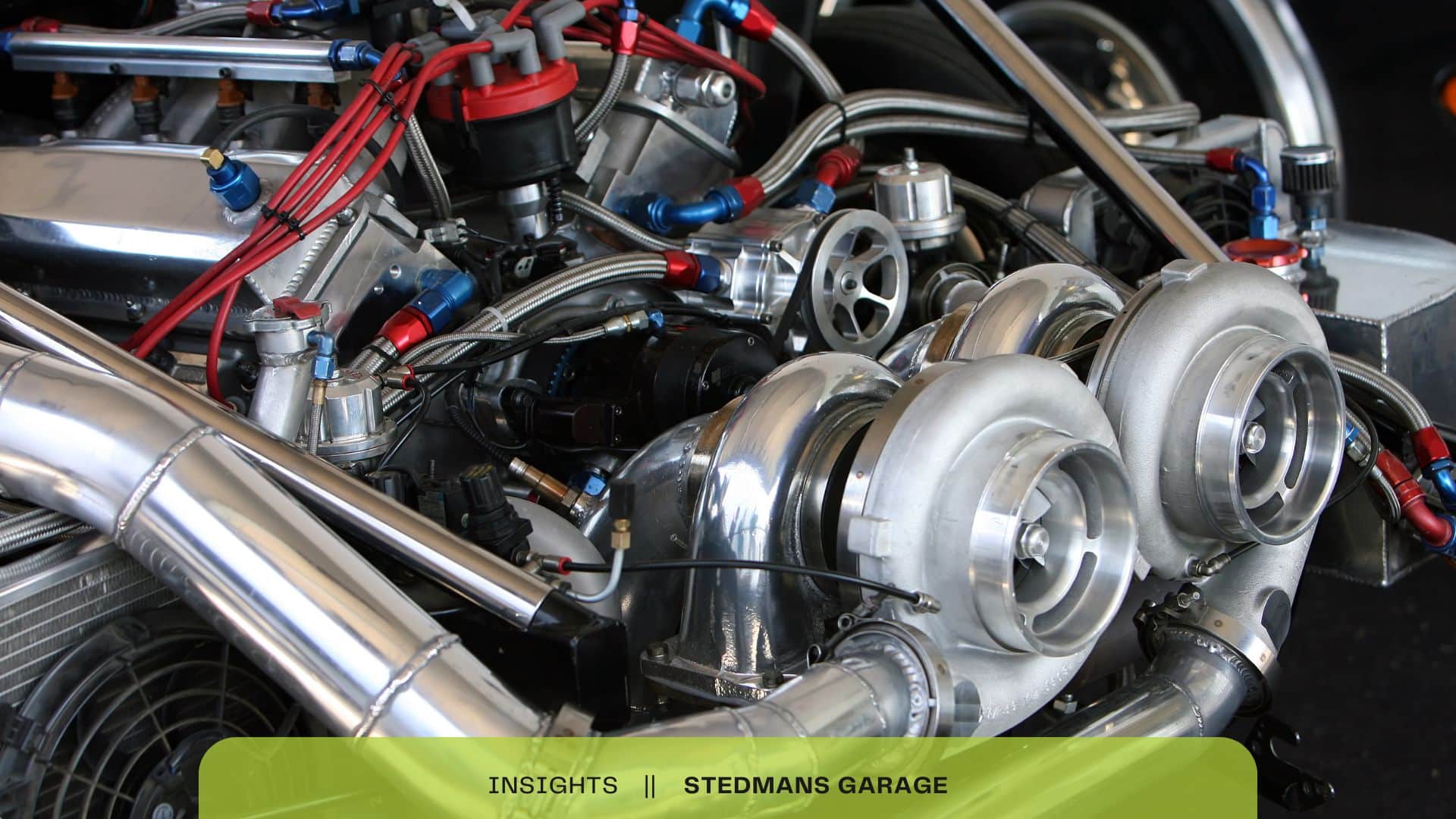
The turbocharger enhances both power and efficiency within the Freelander 2 diesel engine. However, failures in this essential component can significantly diminish vehicle performance.
Common Symptoms of Turbo Failure
Recognising signs of turbo problems early can facilitate timely resolutions. Symptoms include:
- Loss of Power: A noticeable decline in acceleration, particularly under load, may indicate turbocharger failure.
- Unusual Noises: Whistling or whining sounds from the engine compartment can signal turbo issues.
- Excessive Exhaust Smoke: Black or blue smoke from the exhaust could point to turbo malfunction.
- Dashboard Warning Lights: Attention should be paid to warning lights indicating engine issues or low oil pressure.
Causes of Turbo Failures
Understanding the causes behind turbo problems can aid in prevention. Common culprits include:
- Oil Contamination: Poor oil quality can hinder lubrication, leading to turbo failures.
- Boost Pressure Leaks: Damage to intercooler pipes or hoses can cause drops in boost pressure.
- Debris Intrusion: Foreign objects entering the engine can damage the turbo.
- Overheating: Continuous driving without sufficient cooling can lead to thermal stress on turbo components.
These factors can be exacerbated by UK climatic conditions and driving habits.
Solutions and Replacement Options
Upon diagnosing turbo issues, several viable solutions exist:
- Turbo Repair: Depending on the damage, repair may be feasible and more cost-effective than complete replacement.
- Replacement Turbocharger: If repairs are impractical, replacement costs can range from £800 to £2,000, depending on part quality and labour charges.
- Preventative Maintenance: Regular oil and filter changes can significantly reduce the risk of turbo failure.
- Conducting a Boost Test: This can verify turbo functionality and prevent future problems.
EGR Valve Failures and Their Impact
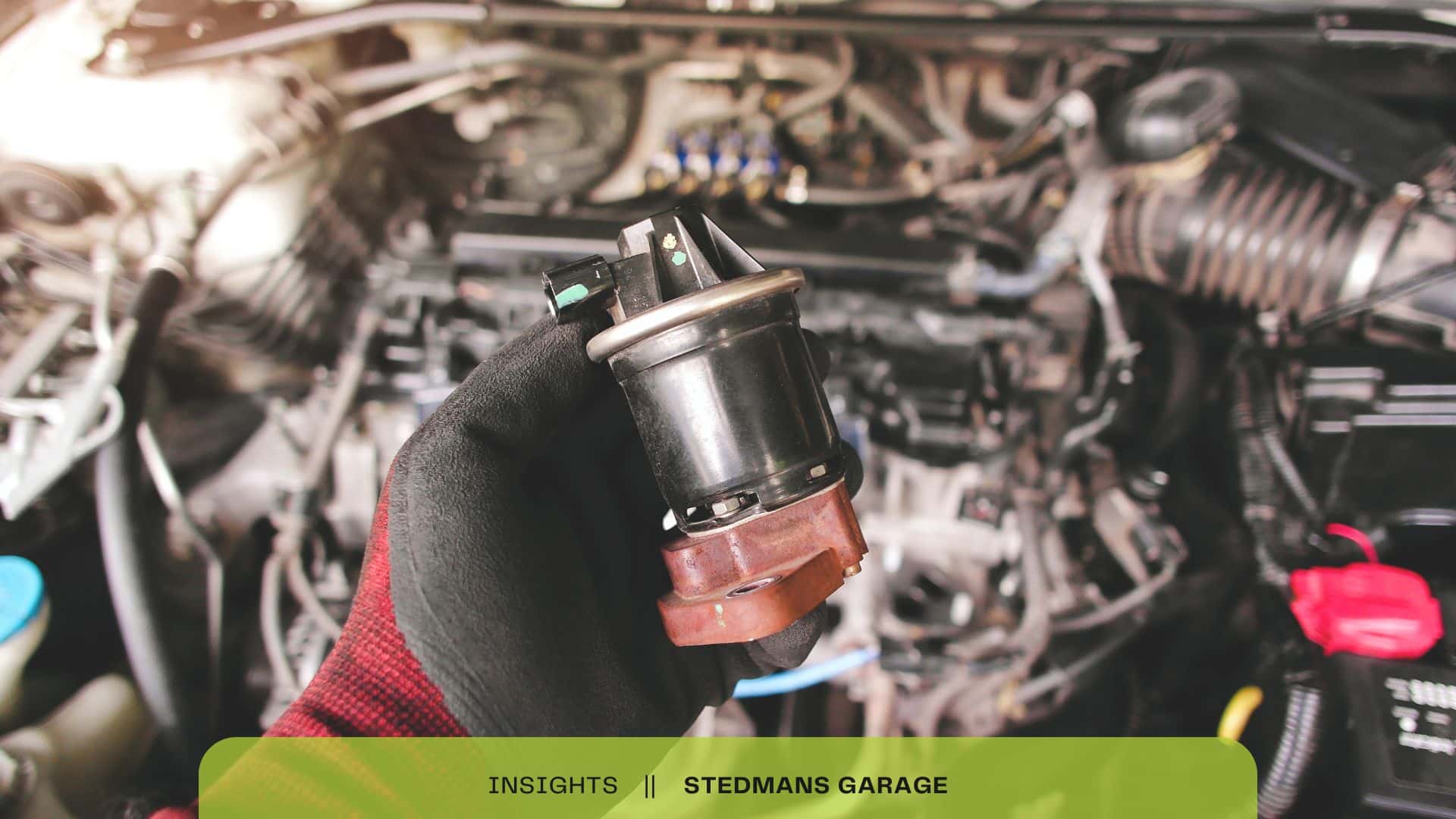
The Exhaust Gas Recirculation (EGR) valve plays a pivotal role in emissions control and engine efficiency in the Freelander 2. Unfortunately, issues with this component frequently arise.
What is an EGR Valve?
The EGR valve recirculates a portion of exhaust gases back into the engine’s intake, promoting better combustion and lowering emissions.
Symptoms of EGR Valve Issues
When the EGR valve malfunctions, it may exhibit various symptoms, including:
- Engine Warning Lights: A check engine light may illuminate due to EGR valve issues.
- Performance Issues: Reduced power, stalling, and poor idling may occur.
- Increased Emissions: A noticeable decline in fuel efficiency or failure to meet emissions standards may result.
Repair and Maintenance Tips
To mitigate EGR valve failures, consider these actionable strategies:
- Regular Cleaning: Cleaning the EGR valve frequently can prevent carbon buildup.
- Replacement: If the valve is non-functional, replacement costs generally range from £200 to £400.
- Monitoring Symptoms: Prompt attention to symptoms can prevent extensive engine damage.
Other Common Diesel Engine Issues
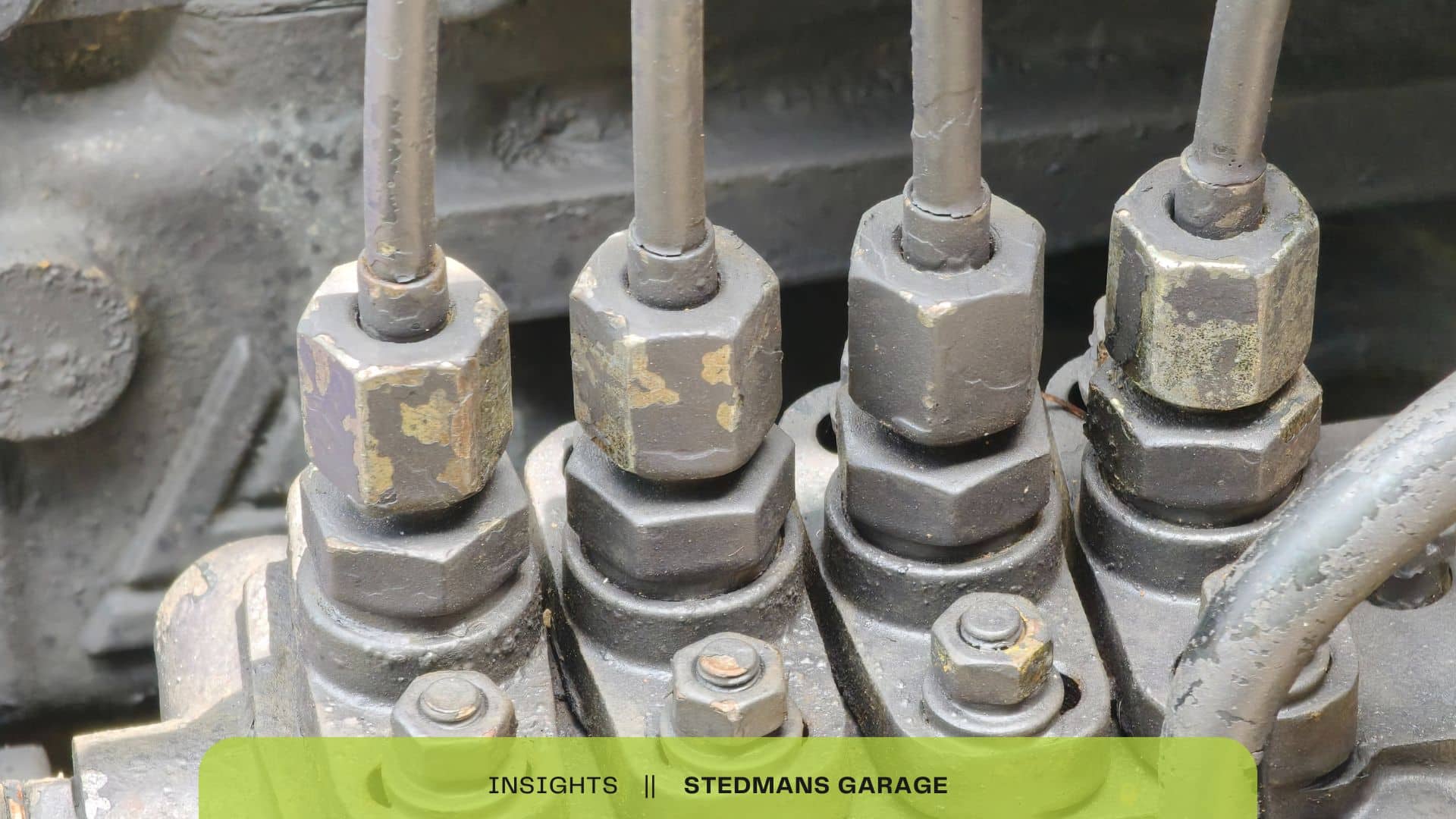
In addition to turbo and EGR valve problems, several other issues can affect the Freelander 2 diesel engine.
Fuel Injector Problems
Fuel injectors are crucial for optimal engine performance. Problems may arise due to clogs or poor fuel quality.
Symptoms:
- Poor Fuel Economy: A sudden drop in fuel efficiency can indicate injector problems.
- Rough Idling: Irregular idle speed may stem from malfunctioning injectors.
Prevention:
- Using high-quality fuel regularly and cleaning injectors periodically can significantly improve performance.
Timing Belt Concerns
The timing belt is integral for synchronising the engine’s movements.
Importance:
A broken timing belt can lead to catastrophic engine failure.
Maintenance Tips:
- Scheduled Replacement: Timing belts should be replaced every 60,000 to 100,000 miles, following the manufacturer’s recommendations.
- Symptoms of Wear: Listen for unusual noises that may indicate impending failure.
Regular Maintenance Tips to Avoid Engine Issues
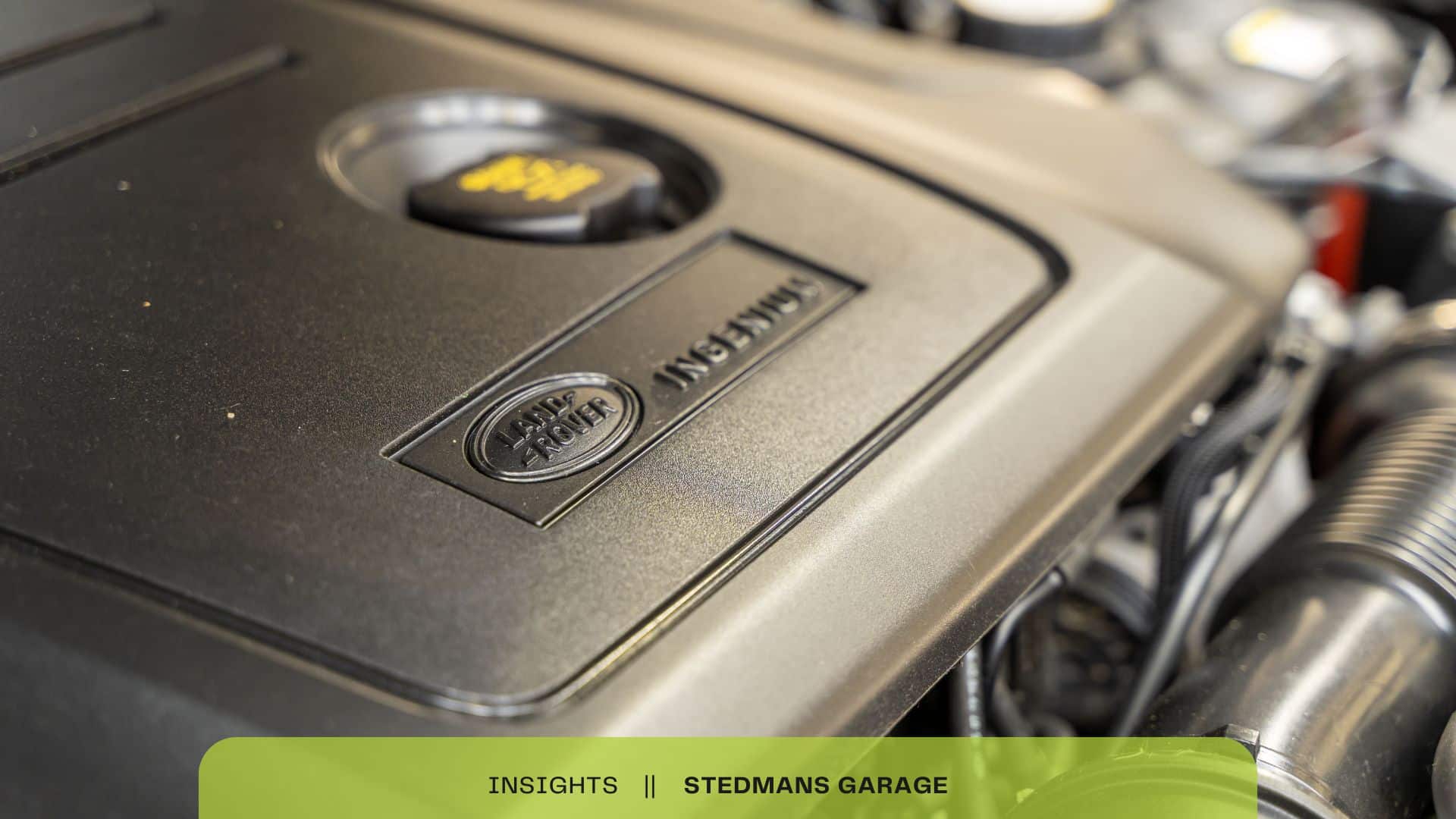
- Routine Oil Changes: Change your oil every 5,000 to 7,500 miles to prevent sludge accumulation.
- Check Filters Regularly: Inspect and replace air, oil, and fuel filters to maintain engine efficiency.
- Fuel System Maintenance: Use high-quality fuel and consider fuel system cleaners periodically.
Following these maintenance practices can help mitigate engine issues effectively.
Actionable Tips Section
For those experiencing diesel engine issues with their Freelander 2, follow this structured process to troubleshoot:
Identify the Symptoms:
- Document any unusual sounds or warning lights.
- Check fluid levels for inconsistencies.
Perform Diagnostics:
- Use an OBD-II scanner to retrieve any error codes.
- Refer to the service manual for specific troubleshooting steps.
Routine Maintenance:
- Establish a regular maintenance schedule to inspect engine components.
- Clean the EGR valve and fuel injectors frequently.
Consult Professionals:
- Engage certified Land Rover technicians for diagnostics or repairs.
- Consider joining online forums for shared experiences and community advice.
Preventative Upgrades:
- Explore aftermarket components based on recommendations for enhanced reliability.
- Drive Regularly: Avoid short drives; varying RPM can prevent deposit buildup.
Adhering to these guidelines will facilitate effective management of common diesel engine problems.
Conclusion
In conclusion, understanding Freelander 2 Diesel Engine Issues, particularly regarding Turbo Problems and”EGR Valve Failures, is essential for UK Land Rover owners. Being proactive about maintenance can enhance performance and extend your vehicle’s lifespan.
Should any of the discussed symptoms arise, seek professional assistance promptly. Prioritising your Freelander 2’s health will ensure continued satisfaction throughout your ownership experience.