Introduction
For Jaguar owners in the UK, experiencing oil consumption issues can be a source of frustration and concern. An engine that burns oil not only affects performance but can also lead to more serious mechanical problems if left unaddressed. This comprehensive guide sheds light on why your Jaguar might face oil burning issues and offers practical solutions to rectify the problem. We’ll explore common causes, diagnostic steps, and effective remedies to ensure your vehicle performs at its best.
In this blog, we will cover:
- An understanding of oil consumption in Jaguars.
- The common causes of oil burning.
- How to diagnose your Jaguar’s oil issues.
- Solutions and maintenance strategies.
- Actionable tips for effectively managing oil consumption.
Understanding Oil Consumption in Jaguars

What It Means to Burn Oil
When we talk about a vehicle “burning oil,” we’re referring to the uncontrolled consumption of engine oil during the combustion process. This can significantly impact engine performance and, if unchecked, may cause severe damage.
Oil consumption is typically measured in litres per 1,000 miles. While some oil consumption is normal for many engines, especially high-mileage models, excessive burning clearly indicates that something is wrong.
Concerns of Oil Consumption Issues
The primary concern for Jaguar owners is that burning oil can signal hidden engine problems. If left unresolved, these issues could lead to costly repairs, decreased engine longevity, or even a complete engine overhaul. Regularly monitoring oil levels and being vigilant for signs of unusual consumption are crucial for maintaining your vehicle’s performance.
Common Causes of Oil Burning in Jaguars
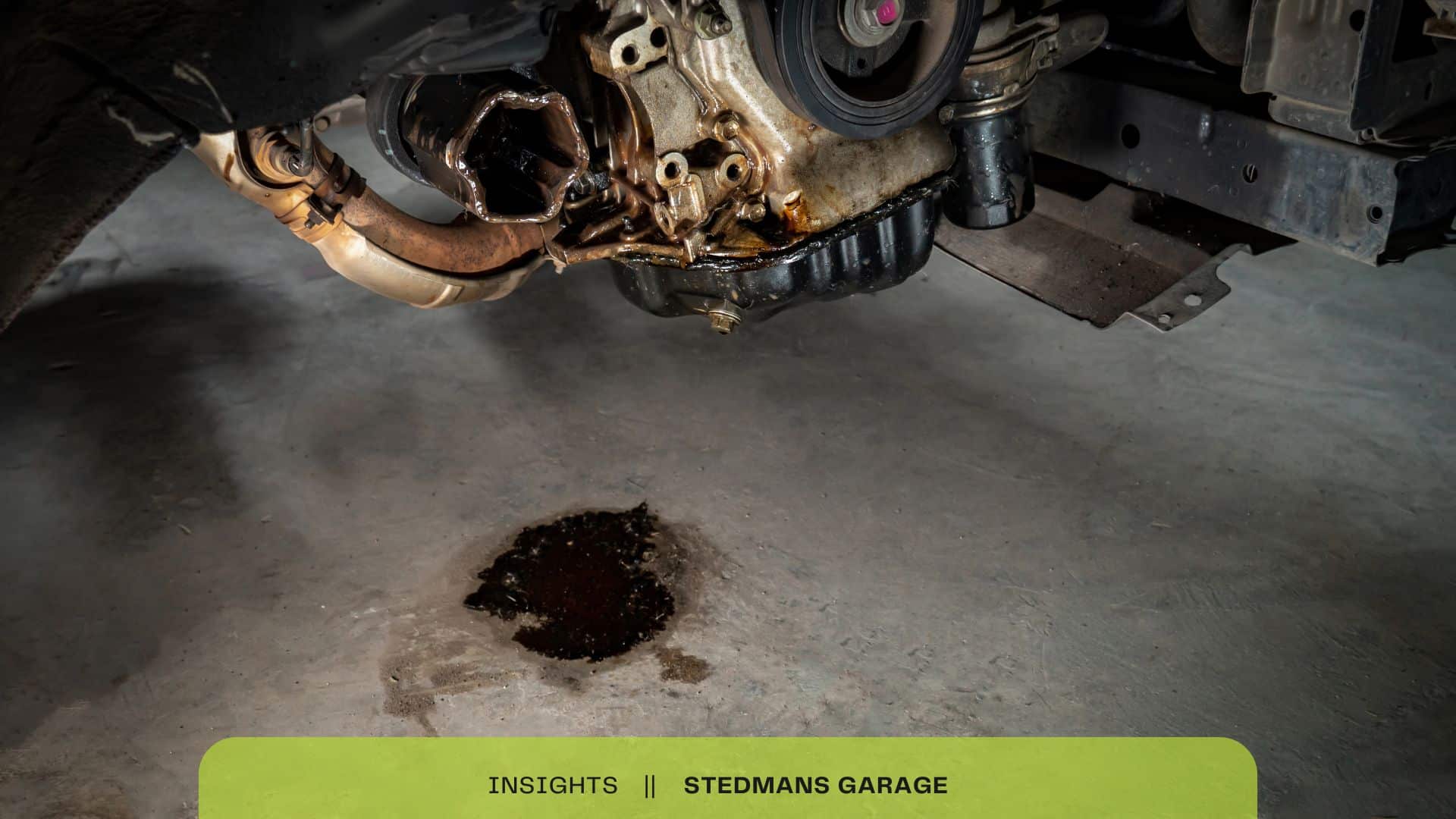
Several factors might cause your Jaguar to experience oil consumption issues. Below are some of the most common culprits.
Engine Oil Leaks
Possible Sources: Gaskets and Seals
One prevalent cause of oil burning in Jaguar models stems from oil leaks. Common sources include worn gaskets, seals, and even bolt holes.
For example, the valve cover gasket is known for failing over time, especially in vehicles that have been on the road for several years. This breakdown can lead to oil leaking onto the exhaust manifold, resulting in smoke and the odour of burning oil as the engine heats up.
Symptoms to Watch For:
- Puddles of oil under the vehicle.
- A burning smell when the engine is running.
- An oil warning light on the dashboard.
Worn Piston Rings
How They Contribute to Oil Burning
Worn piston rings allow engine oil to seep into the combustion chamber, leading to oil burning. When piston rings wear out due to long-term use or improper maintenance, the engine loses its ability to maintain a proper seal, allowing oil to mix with the air-fuel mixture.
Signs of Wear:
- Blue smoke emitted from the exhaust during acceleration.
- Increased oil consumption even after an oil change.
- Loss of engine power and reduced performance.
Valve Seals and Guides Failure
Impact on Oil Burning
Just as problematic as worn piston rings are faulty valve seals and valve guides. These can also allow oil to enter the combustion chamber, typically due to wear and tear over time, leading to increased oil consumption and the characteristic blue smoke from the exhaust.
Practical Example:
If you notice that your Jaguar produces clouds of blue smoke at startup but lessens as the engine warms, it may indicate deteriorating valve seals allowing oil into the combustion chamber.
Turbocharger Issues
Effect on Oil Consumption
For Jaguars equipped with turbochargers, oil burning may also relate to turbo system issues. A malfunctioning turbo can result in an imbalance in oil pressure, leading to increased oil consumption.
Indicators of Turbo Problems:
- Whining or unusual noises from the turbocharger.
- Excessive smoke from the exhaust.
- Reduced acceleration or sluggish performance.
Diagnosing Your Jaguar’s Oil Consumption Issue

To effectively address oil consumption issues, a systematic approach to diagnosis is required. Here are the steps that Jaguar owners can follow:
Check Oil Levels Regularly:
Perform regular checks of the oil level using the dipstick. This straightforward step can alert you to any noticeable drops in levels.
Visual Inspection:
Look for signs of leaks around the engine components and under the vehicle. Take note of greasy areas, as they may suggest an oil leak.
Examine for Smoke:
Observe the colour of smoke coming from your exhaust. Blue smoke typically indicates burning oil, suggesting an internal engine issue.
Monitor Performance:
Track any changes in engine performance, such as rough idling, loss of power, or increased fuel consumption, which may correlate with oil burning.
Consult Diagnostic Tools:
Utilise OBD-II scanners to check for error codes that may signal underlying engine issues. An experienced mechanic can help interpret these codes.
Solutions to Common Oil Consumption Problems
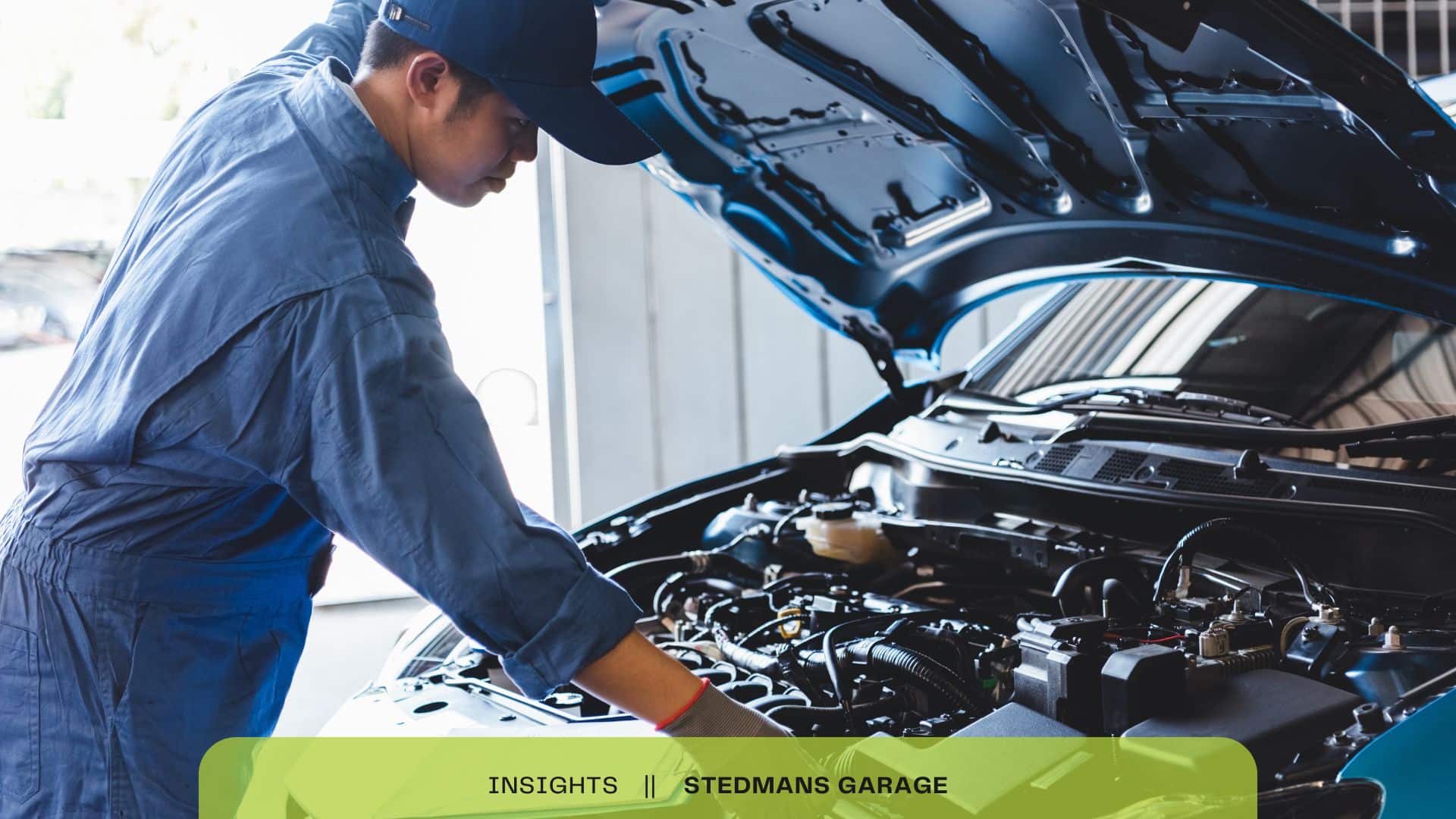
Once you’ve diagnosed the problem, it’s time to implement solutions. Here are the most effective strategies:
Regular Maintenance
Importance of Routine Checks
Maintaining proper oil levels and regularly changing the oil as per Jaguar’s recommended schedule are critical to preventing oil consumption. Using high-quality oil that meets your model’s specifications will also make a significant difference.
Actionable Steps:
- Check oil levels bi-weekly or monthly, depending on driving conditions.
- Follow the manufacturer’s recommendations for oil changes.
Recommended Oils for Jaguars
Understanding Oil Viscosity
Selecting the right oil viscosity is essential for optimal engine performance. Kenneth Castle, a technical specialist for Jaguar, emphasises the importance of using oil that meets both your car’s specifications and the climate conditions in which you drive. Typically, an oil rating of 5W-30 or 0W-30 is recommended for most Jaguar models but may vary.
Importance of Quality:
Higher-quality synthetic oils often provide better lubrication and resistance to breakdown, reducing oil consumption.
Repairs and Replacements
Common Repairs and Costs
Depending on the underlying problem, various repairs may be necessary:
- Gasket Replacement: Typically ranges from £150 to £300, depending on the source of the leak.
- Worn Piston Rings: A more complex and costly repair can cost between £1,000 to £2,500.
- Valve Seals Replacement: Generally costs approximately £400 to £1,200.
When to Seek Professional Help
If the oil consumption issue persists despite your best efforts or if you’re uncomfortable performing any diagnostics or repairs, it’s advisable to consult a qualified Jaguar technician.
Actionable Tips for Jaguar Owners
- Check Oil Levels Regularly: Set a reminder to check your oil levels every 1,000 miles or at least once a month.
- Use Recommended Oil Types: Implement the correct oil viscosity and quality tailored for your Jaguar model.
- Monitor Engine Performance: Keep tabs on engine performance, noting any unusual sounds or smoke emissions.
- Visit a Mechanic: If you detect significant oil burning, schedule an appointment with a mechanic for further evaluation.
- Keep Detailed Records: Maintain records of oil changes, maintenance routines, and any work performed on the vehicle.
Conclusion
Oil consumption issues, exemplified by a Jaguar burning oil, are significant concerns for vehicle longevity and performance. Understanding the underlying causes, ranging from leaks to worn components, enables Jaguar owners to effectively diagnose and address these issues. Regular monitoring and adherence to recommended maintenance practices can significantly reduce challenges, ensuring optimal vehicle operation.
If you suspect your Jaguar is burning oil, don’t hesitate to consult a professional. Timely intervention can save you both money and potential long-term damage to your engine.