Introduction
Volkswagen’s TSI engines are rapidly renowned for their blend of performance and efficiency, making them a favourite among automobile enthusiasts and everyday drivers alike. However, maximising these benefits lies in diligent and informed maintenance practices. Regular maintenance of your TSI engine extends its lifespan and enhances performance, fuel efficiency, and ultimately your driving experience. In this blog post, we will explore critical maintenance tips tailored for Volkswagen TSI Engines, along with actionable insights to ensure your engine operates at its best.
We’ll begin by delving into the innovative technology behind TSI engines before outlining the fundamental practices every TSI owner should adopt. Moreover, we will identify common issues faced by TSI engine owners and provide long-term care strategies specifically suited to the unique driving conditions in the UK. By the end of this article, you will be equipped with the knowledge necessary to protect and maintain your TSI engine effectively.
Understanding Volkswagen TSI Technology

Definition and Benefits of TSI Engines
Volkswagen’s TSI stands for Turbocharged Stratified Injection. This technology radically improves fuel efficiency and power output compared to conventional engines. Essentially, TSI engines combine turbocharging with direct fuel injection, allowing for optimal combustion and significant gains in performance.
The benefits of TSI technology are numerous:
- Enhanced Fuel Efficiency: TSI engines generally use less fuel compared to naturally aspirated counterparts, especially in urban driving scenarios where stop-start conditions are common. This is particularly advantageous in the UK.
- Increased Power and Torque: Thanks to turbocharging, TSI engines provide higher torque at lower RPMs, giving you that immediate responsiveness often desired during both city and motorway driving.
- Lower Emissions: TSI technology achieves higher efficiency, leading to reduced CO2 emissions, making it an environmentally friendly choice in today’s eco-conscious market.
- Versatility Across Models: Whether in a VW Polo or a Golf GTi, TSI engines offer a variety of power outputs without sacrificing the driving experience, catering to different driver preferences and needs.
In conclusion, understanding TSI technology is key to appreciating why regular maintenance is essential for maximising all these benefits.
Key Maintenance Practices for TSI Engines
Regular Oil Changes: Importance and Frequency
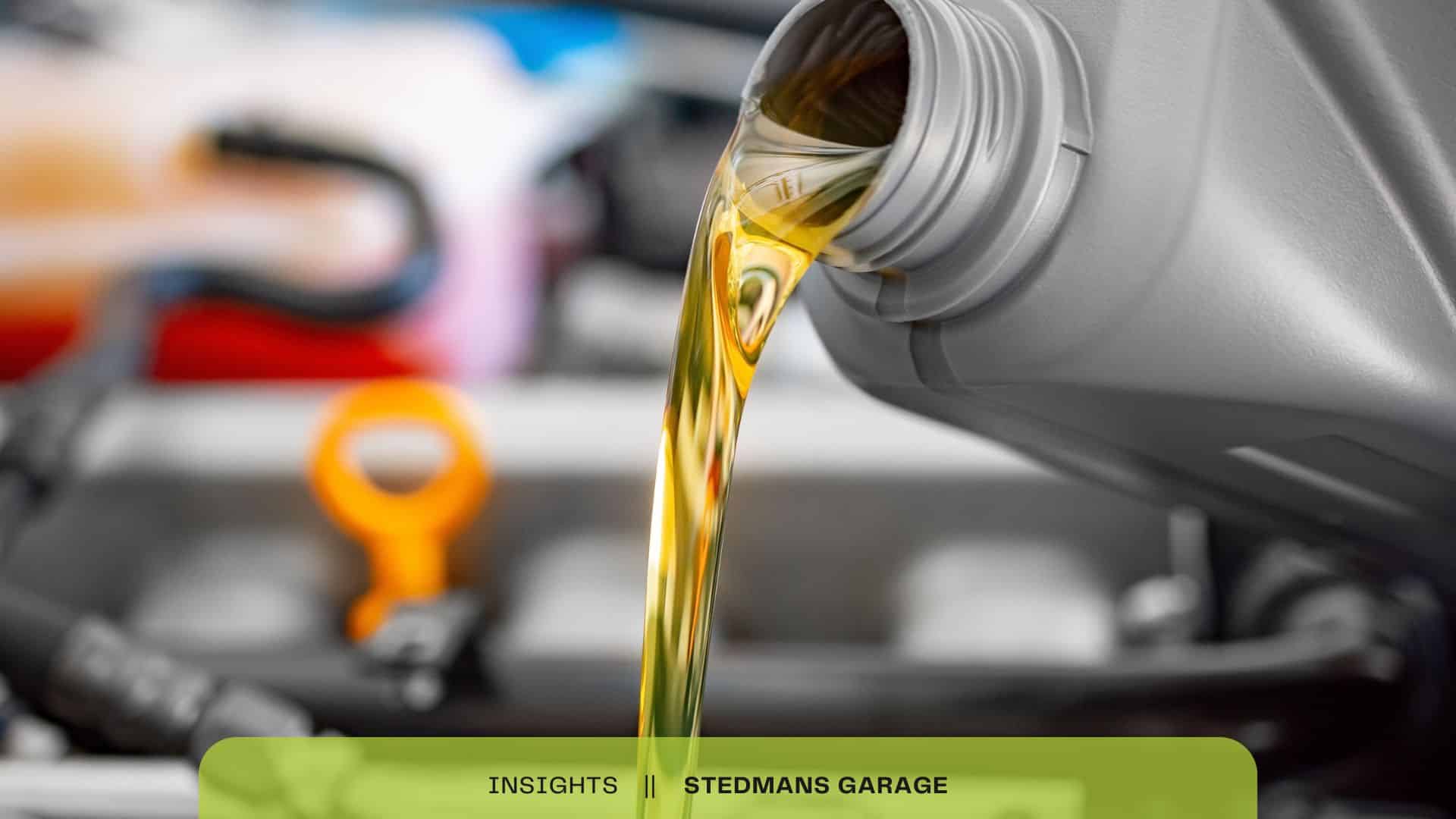
Oil is the lifeblood of your engine, especially critical for TSI engines operating under high pressure and temperature. The right engine oil reduces friction, cleans internal components, and enhances overall vehicle performance.
Importance of the Correct Engine Oil
Volkswagen recommends using oils that meet their specific standards, typically grading either VW 502 00 or VW 504 00. These oils possess additives specially designed for the unique needs of TSI engines.
Recommended Change Intervals
In the UK, driving conditions vary significantly due to wet weather and fluctuating temperatures, contributing to engine wear:
- For standard driving conditions: Change the oil every 10,000 miles or annually, whichever comes first.
- For heavier drivers (frequent short trips, stop-start traffic): Consider changing your oil every 6,000 to 8,000 miles, as these situations can lead to more frequent degradation.
Regular oil changes not only contribute to engine longevity but also prevent costly repairs down the line. Proper oil maintenance can extend engine life by over 30%.
Keeping the Air Filter Clean and Replaced
The air filter plays a vital role in maintaining TSI engine performance. A clean air filter ensures that only filtered air enters the combustion chamber, which is vital for a good fuel mix and effective combustion.
Effects on Engine Performance
A clogged or dirty air filter restricts airflow, degrading engine performance and reducing fuel efficiency. Generally, an air filter replacement is needed every 12,000 to 15,000 miles, but this can vary based on environmental conditions:
- Urban Drivers: If you frequently drive in areas with high dust and pollution, inspect the air filter every 6,000 miles.
- Country Roads: For those mostly driving in less polluted environments, you may replace the filter less frequently.
Monitoring Air Quality in UK Driving Conditions
Given the UK’s diverse weather conditions, both rain and high humidity can impact air quality. Regularly checking your air filter and ensuring it is clean can lead to improved performance and efficiency of your TSI engine.
Understanding the Role of the Fuel System
The fuel system directly affects the performance and longevity of TSI engines. Ensuring this system is well-maintained is crucial for optimal engine health.
Effects of Poor Fuel Quality
Many UK drivers prefer premium fuels, which can be beneficial for TSI engines. Low-quality or contaminated fuel can result in poor combustion, leading to engine knocking and reduced performance. As a rule of thumb:
- Use High-Quality Fuel: Opt for reputable fuel brands that meet necessary standards. Some brands include additives that clean fuel injectors over time, helping to prevent carbon build-up.
- Periodic Cleaning: Consider adding a fuel system cleaner to your tank every few months. This will help keep the injectors clean and maintain proper fuel flow, essential for TSI engine performance.
Common Issues Faced by TSI Engine Owners
Identifying Common Warning Signs
Like any engine, TSI engines are susceptible to certain issues. Being aware of the warning signs can help you tackle problems before they escalate.
- Abnormal Noises: Listen for any unusual sounds, such as knocking or pinging, which could indicate internal wear.
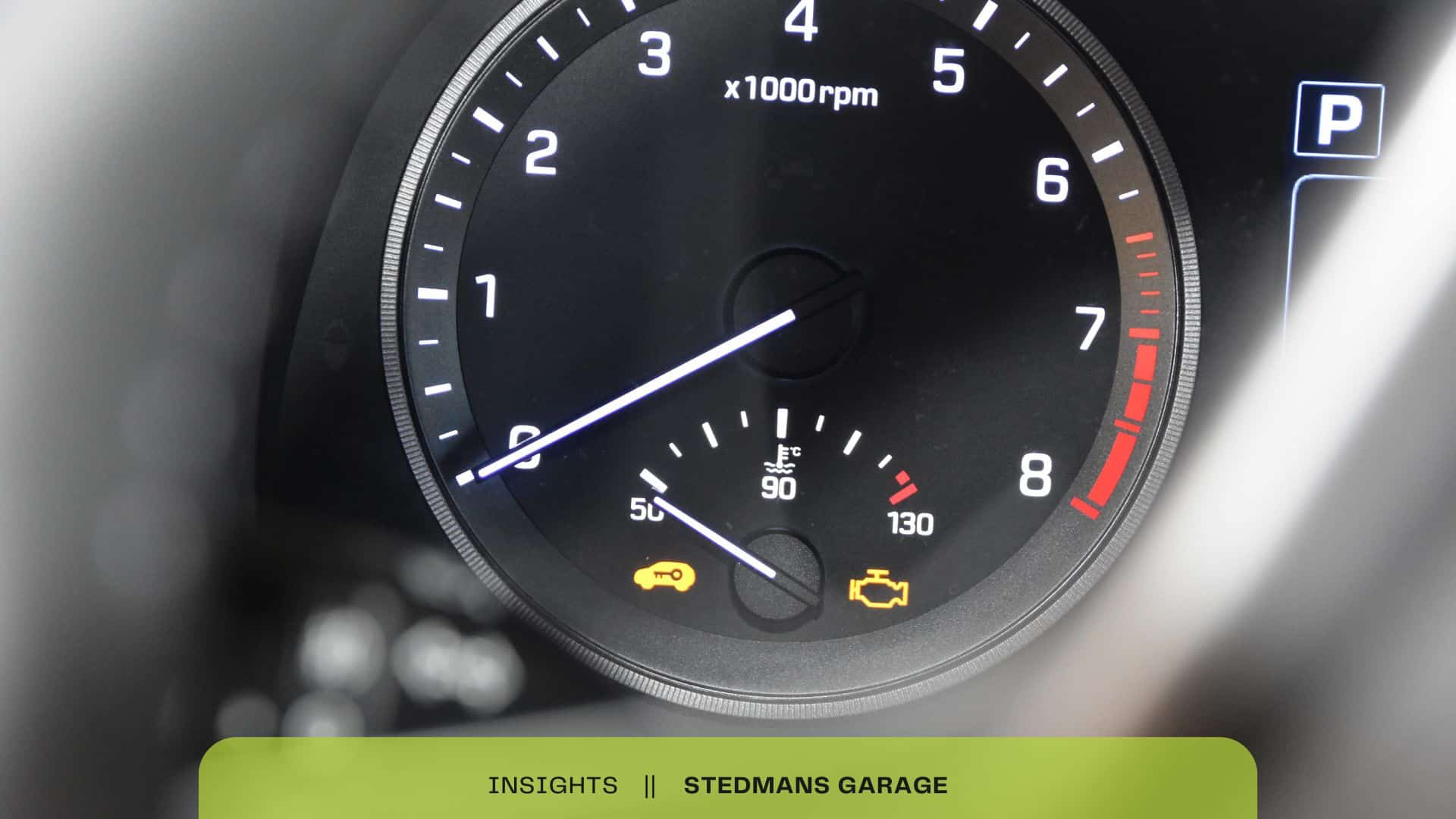
- Warning Lights: Pay attention to the check engine light; many modern vehicles, including VW models, will illuminate this light if they detect an issue.
- Excessive Oil Consumption: If you find yourself adding oil more often than expected, this could indicate internal leaks or worn components.
Comparison with Common Engine Issues in Non-TSI Engines
TSI engines may occasionally face unique issues like turbo lag or excessive carbon deposits due to their complex design. In contrast, traditional engines may present more straightforward problems, such as fuel blockage or basic wear and tear, which are generally easier to diagnose and repair.
Long-Term Care for Your TSI Engine

Best Practices for Long-Term Longevity
Caring for a TSI engine extends beyond regular oil changes and air filter replacements. Implementing various preventive measures can yield significant long-term benefits.
Seasonal Checks
- Winter Care: Before harsh weather, ensure your antifreeze levels are correct to prevent freezing. Consider using winter oils designed for colder temperatures.
- Summer Checks: High temperatures can cause engine overheating. Ensure your coolant levels are adequate before embarking on long journeys in the sun.
Battery Health
Inspect and clean battery terminals, particularly before winter, as cold weather can significantly affect battery performance.
Climatise to UK Conditions
Given the UK climate, TSI engine owners should pay particular attention to driving during wet conditions. Invest in high-quality wiper blades and consider a full inspection before the rainy season to ensure brake and tyre performance remain optimal.
Actionable Tips for TSI Engine Owners
To ensure you’re getting the best performance and longevity from your Volkswagen TSI engine, follow these straightforward tips:
- Schedule Regular Maintenance: Keep a diary of your vehicle’s maintenance schedule, including oil changes and air filter replacements. Set a reminder three weeks before due dates to ensure you do not overlook them.
- Invest in Quality Fuel: Consistently choose high-quality fuel to avoid carbon build-up in your engine. Use premium fuel when possible, especially if performance is a priority for your vehicle.
- Check Fluid Levels Monthly: Make it a habit to check oil, coolant, and other fluid levels at the start of each month. Keeping these at optimal levels can prevent issues before they arise.
- Know Your Troubleshooting Basics: Familiarise yourself with basic troubleshooting techniques, such as checking the air filter or oil quality, to address minor issues before seeking professional help.
- Join a TSI Engine Owners Group: Consider joining online forums or local clubs focused on Volkswagen TSI engines. Sharing experiences and tips with fellow owners can greatly enhance your understanding and maintenance practices.
Conclusion
In summary, maintaining Volkswagen TSI engines is critical for ensuring their longevity and performance. By adopting regular oil changes, keeping a clean air filter, ensuring a well-functioning fuel system, and being aware of common issues, TSI engine owners can significantly enhance their vehicle’s lifespan and efficiency.
By implementing these Volkswagen maintenance tips, understanding TSI engine care, and being proactive with your vehicle’s upkeep, you can enjoy the full benefits of your TSI engine for years to come. Start taking action today, check your oil, examine your air filter, and ensure your Volkswagen is in peak condition!