Introduction
Air suspension systems are vital for maximising the performance and comfort of Land Rover vehicles. They provide a smoother ride by adjusting to the vehicle’s weight, terrain conditions, and driving style. Despite their sophisticated engineering, these systems can encounter various common issues, which can significantly degrade performance if not addressed.
This expert guide aims to equip Land Rover owners, automotive enthusiasts, and professionals in the UK with the knowledge necessary to diagnose and fix common air suspension issues. Throughout this post, we will explore the various components of the Land Rover air suspension systems, the symptoms of common problems, and diagnostic procedures along with solutions. By the end of this article, readers will gain actionable insights for maintaining and managing their Land Rover’s air suspension effectively.
Understanding Land Rover Air Suspension Systems
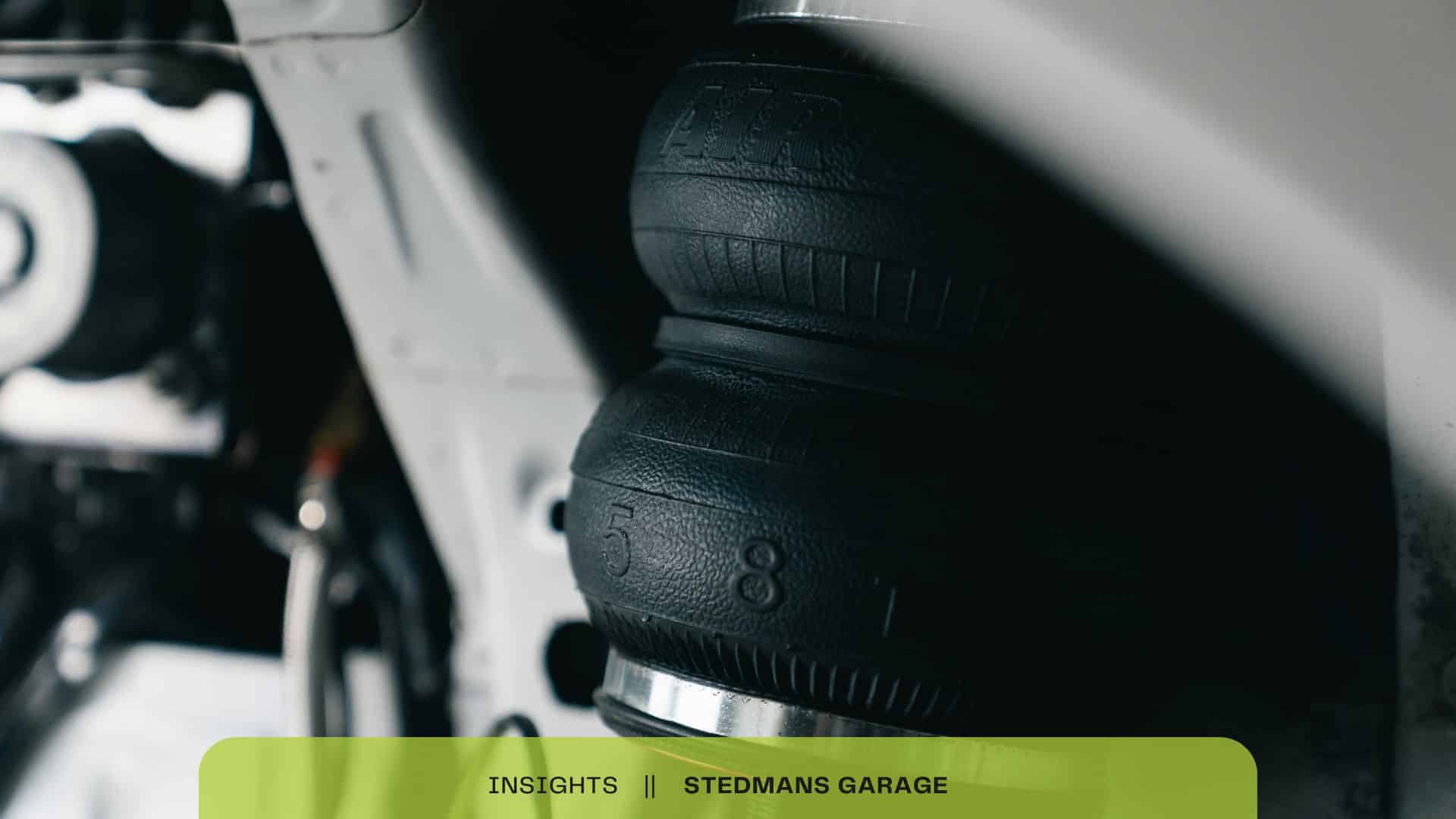
Air suspension systems use air-filled balloons or bags instead of traditional steel springs to support the vehicle’s weight and absorb road shocks. They play a key role in enhancing ride comfort, handling, and stability.
The Role of Air Suspension in Vehicle Performance
One of the key benefits of air suspension is its ability to adjust the vehicle’s ride height. This adjustment helps maintain optimal handling characteristics and comfort, regardless of load conditions. For example, when carrying a heavy load, the system inflates the air bags to raise the vehicle higher off the ground, enhancing suspension travel and utilising higher ground clearance for improved off-road capability.
Different Types of Air Suspensions in Various Land Rover Models
Land Rover employs different air suspension systems across its model range, including:
- Land Rover Defender: Equipped with an advanced air suspension system that adjusts to various driving modes, making it suitable for rugged terrain.
- Range Rover: Features a premium air suspension system designed for luxury and comfort, offering adjustable height settings for off-road versatility.
- Discovery: Utilises a balanced air suspension system intended to provide both performance and comfort for family use.
Understanding the specific air suspension type in your Land Rover model is crucial, as it guides the diagnosis and repairs specific to your system’s design.
Common Issues with Land Rover Air Suspension
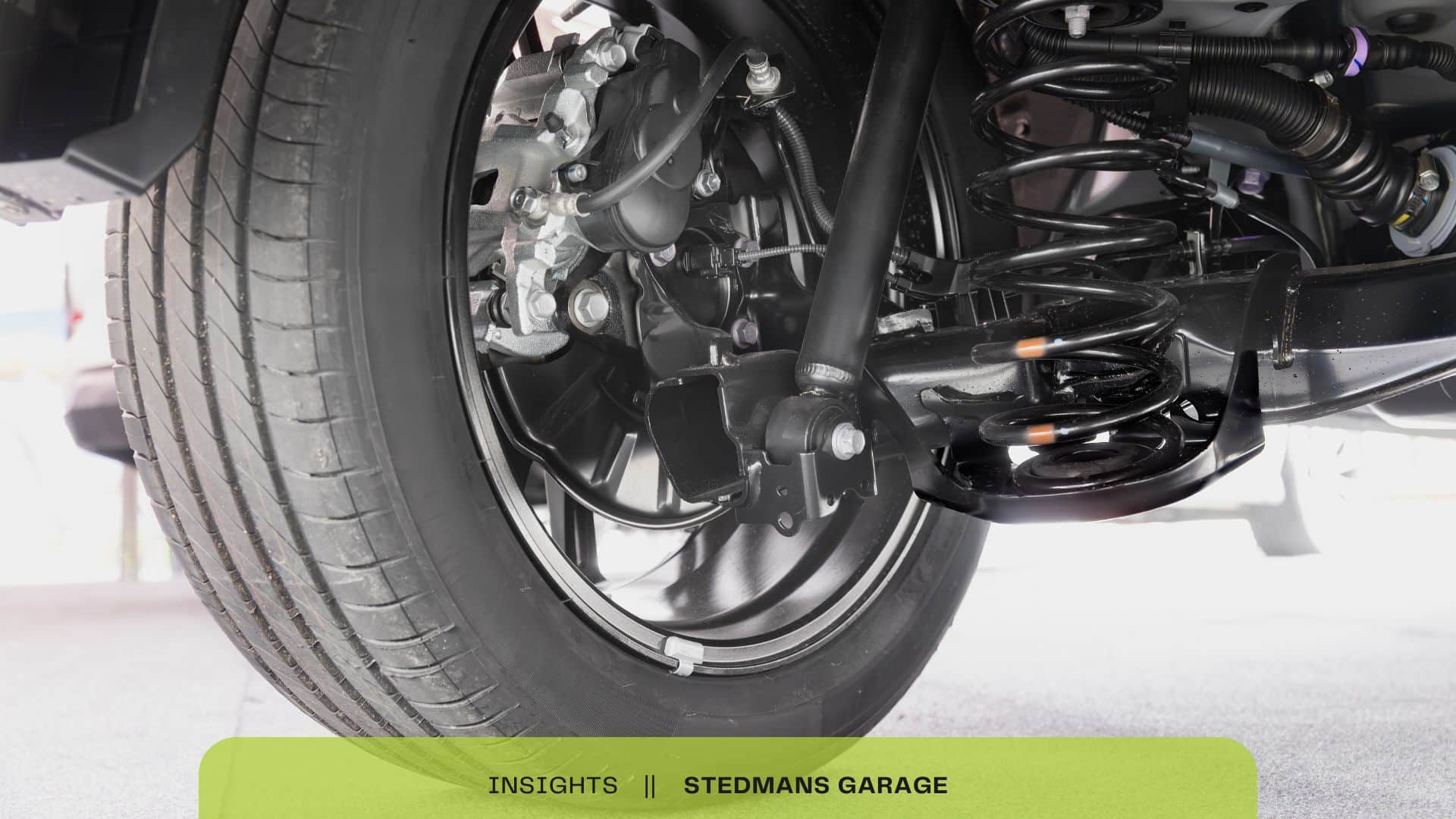
Operating an air suspension system can present challenges for Land Rover owners. Below, we examine the most common issues.
Air Leaks: Identifying the Culprit
Air leaks are one of the most prevalent issues in air suspension systems. They can occur at the air bags, connections, or the integrity of other parts, such as the compressor or height sensors.
Symptoms of Air Leaks:
- The vehicle’s rear end is lower than usual.
- Warning lights illuminate on the dashboard.
- An audible hissing sound when in use or parked.
Diagnosis:
To identify air leaks, start by visually inspecting the air bags and hoses for any obvious signs of damage. A soapy water solution can be sprayed over these areas to reveal leaks through bubbling. Moreover, some diagnostic tools can help read error codes specific to suspension issues, pinpointing the exact cause.
Compressor Failure: Symptoms and Causes
The air compressor is a critical part of the air suspension system, responsible for filling the air bags with compressed air. If the compressor fails, the air suspension system will not function effectively.
Indicators of Compressor Issues:
- Unusual noises when the compressor is running.
- The vehicle takes a long time to raise or does not raise at all.
- Warning lights indicating a compressor malfunction.
Causes of Failure:
Compressor failure can be attributed to multiple reasons, including overheating, electrical issues, or regular wear and tear. Regular maintenance can mitigate many of these problems.
Height Sensor Problems: Adjustments and Solutions
Height sensors measure the vehicle’s distance from the ground and communicate with the air suspension system. Faulty sensors can send incorrect information, leading to improper functioning of the system.
Common Sensor Issues:
- The vehicle sits too high or too low.
- Warning indicators related to suspension faults.
Troubleshooting Steps:
- Inspection: Begin by ensuring the sensors are securely attached and free from debris.
- Calibration: Some problems may require recalibrating the height sensor, which usually requires diagnostic tools compatible with Land Rover vehicles.
Diagnosing Air Suspension Issues: Step-by-Step Guide

Diagnosing air suspension issues efficiently requires a meticulous approach. Here’s a guided checklist on how to carry out this process.
Step 1: Initial Observation
Start by observing any unusual behaviours, such as uneven ride height or warning lights on the dashboard. Ensure your vehicle is parked on a level surface for an accurate assessment.
Step 2: Use of Diagnostic Tools
Utilising an OBD-II scanner designed for Land Rover vehicles can help retrieve fault codes that offer insights into any malfunctions.
Step 3: Visual Inspection
Conduct a thorough visual inspection of the air bags, compressor, height sensors, and associated wiring. Look for signs of wear, cracks, or loose connections.
Step 4: Test Air Leaks
Using a soapy water solution is an effective method for checking problematic areas for air leaks. Pay special attention to connections, which often are weak points.
Step 5: Analyse Compressor Functionality
Listen for compressor operation during the air suspension’s normal function. If it is delayed or making unusual noises, further tests will be necessary.
Step 6: Document Findings
Keep detailed records of the findings for reference during repair. This can also assist any mechanics who may help resolve the issues.
Fixing Common Air Suspension Problems
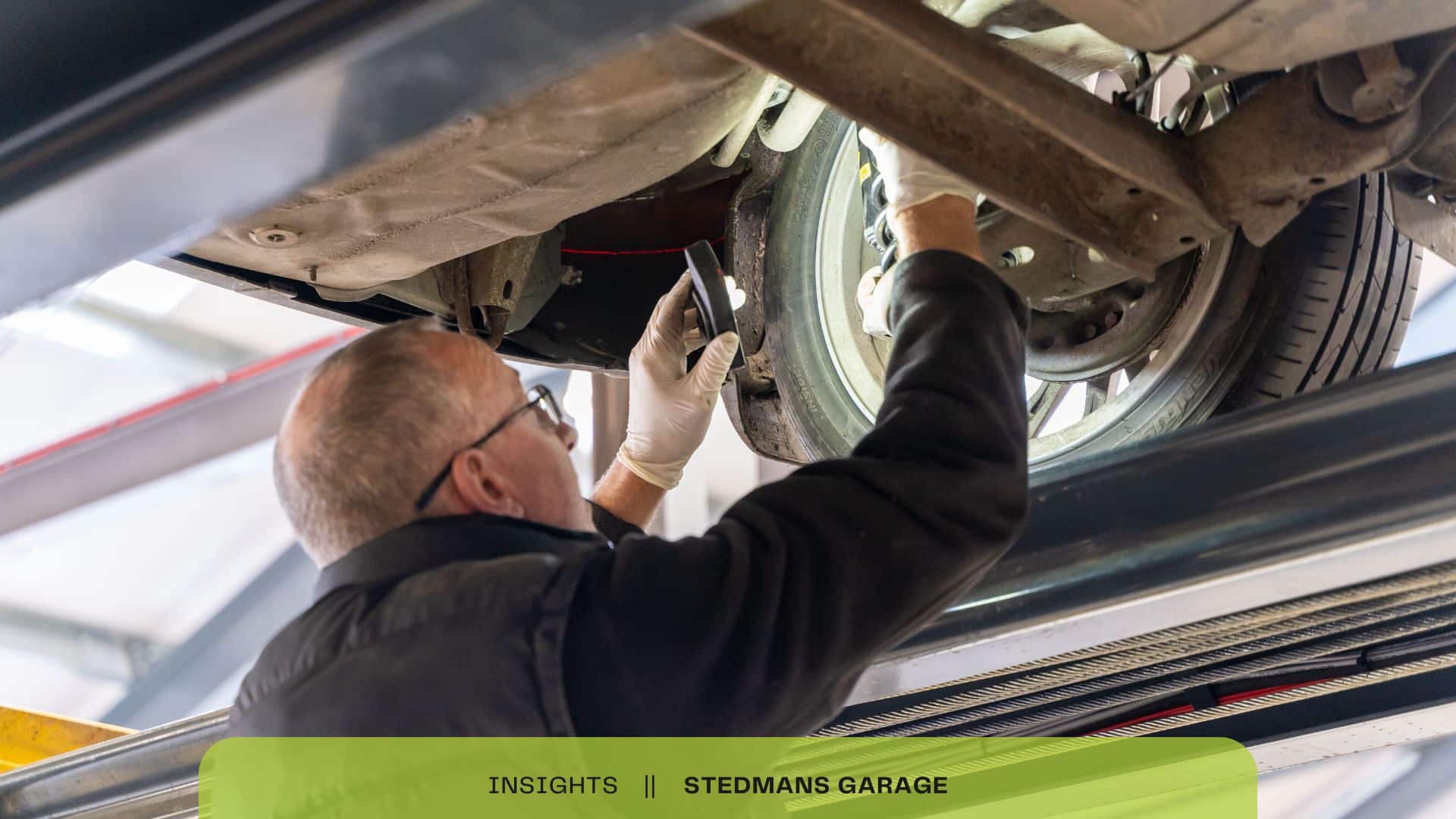
Once you have diagnosed the issue with your Land Rover’s air suspension system, it’s time to explore potential solutions.
DIY Repairs vs Professional Help
DIY Repairs:
Conducting your own repairs can save costs and provide insight into your vehicle’s workings. This is particularly effective for minor issues such as:
- Replacing air lines.
- Installing a new height sensor.
Advantages:
- Cost-effective.
- Hands-on learning about your vehicle.
Disadvantages:
- Risk of improper installations that could lead to further issues.
- Lack of professional diagnostic tools for accurate repairs.
When to Seek Professional Assistance:
Certain problems, particularly those involving the compressor or complex electronic systems, may be better handled by professionals equipped with specialised tools.
Signs Professional Help is Needed:
- Persistent warning lights that do not resolve post-inspection.
- Lack of improvement following DIY repairs.
Essential Tools and Parts Needed for Repairs
When dealing with Land Rover air suspension repairs, having the right tools and parts is paramount. Commonly needed include:
Basic Tools:
- Wrenches and screwdrivers.
- Diagnostic scan tool (OBD-II).
- Torque wrench.
Parts:
- Replacement air bags or struts.
- New compressor.
- Height sensors.
Where to Source Parts:
For acquiring parts, consider specialised Land Rover suppliers or reputable online automotive retailers. Many local auto parts shops may also provide compatible components.
Actionable Tips for Land Rover Owners
Preventative maintenance can ensure the longevity of your air suspension system. Here are some actionable insights:
- Regular Inspections: Check your air suspension system every six months for signs of wear or leaks.
- Avoid Overloading: Ensure your Land Rover is not excessively loaded beyond its specified capacity.
- Maintenance Records: Keep detailed records of your repairs and servicing for future diagnostics.
- Environmental Awareness: Be mindful of road conditions and environments, as extreme conditions can affect suspension performance.
- Brake Checks: Ensure that the braking system is regularly maintained, as this impacts overall performance.
Conclusion
In this expert guide, we have explored the intricacies of diagnosing and fixing common issues in Land Rover air suspension systems. From understanding components to troubleshooting and repairs, well-informed owners can effectively manage their vehicles, preserving comfort and performance.
By applying these insights and remaining proactive in maintenance efforts, Land Rover owners will ensure a smoother ride and prolong the life of their air suspension systems. Don’t hesitate to invest time and effort into regular diagnostics and repairs to keep your Land Rover in excellent condition!