Introduction
As a Skoda Octavia owner in the UK, you should be aware of the essential role that components like the Anti-lock Braking System (ABS) play in ensuring a safe driving experience. The ABS sensor is a key player in this system, and understanding Skoda Octavia ABS sensor faults is crucial for maintaining optimal vehicle performance. In this comprehensive guide, we will delve into common issues related to ABS sensors, symptoms to look out for, and solutions for diagnosing and fixing these problems. By the end of this blog, you will be well-equipped to identify and resolve ABS sensor issues, ensuring that your beloved vehicle remains safe and reliable on the road.
What is the ABS Sensor and Its Role in Skoda Octavia?
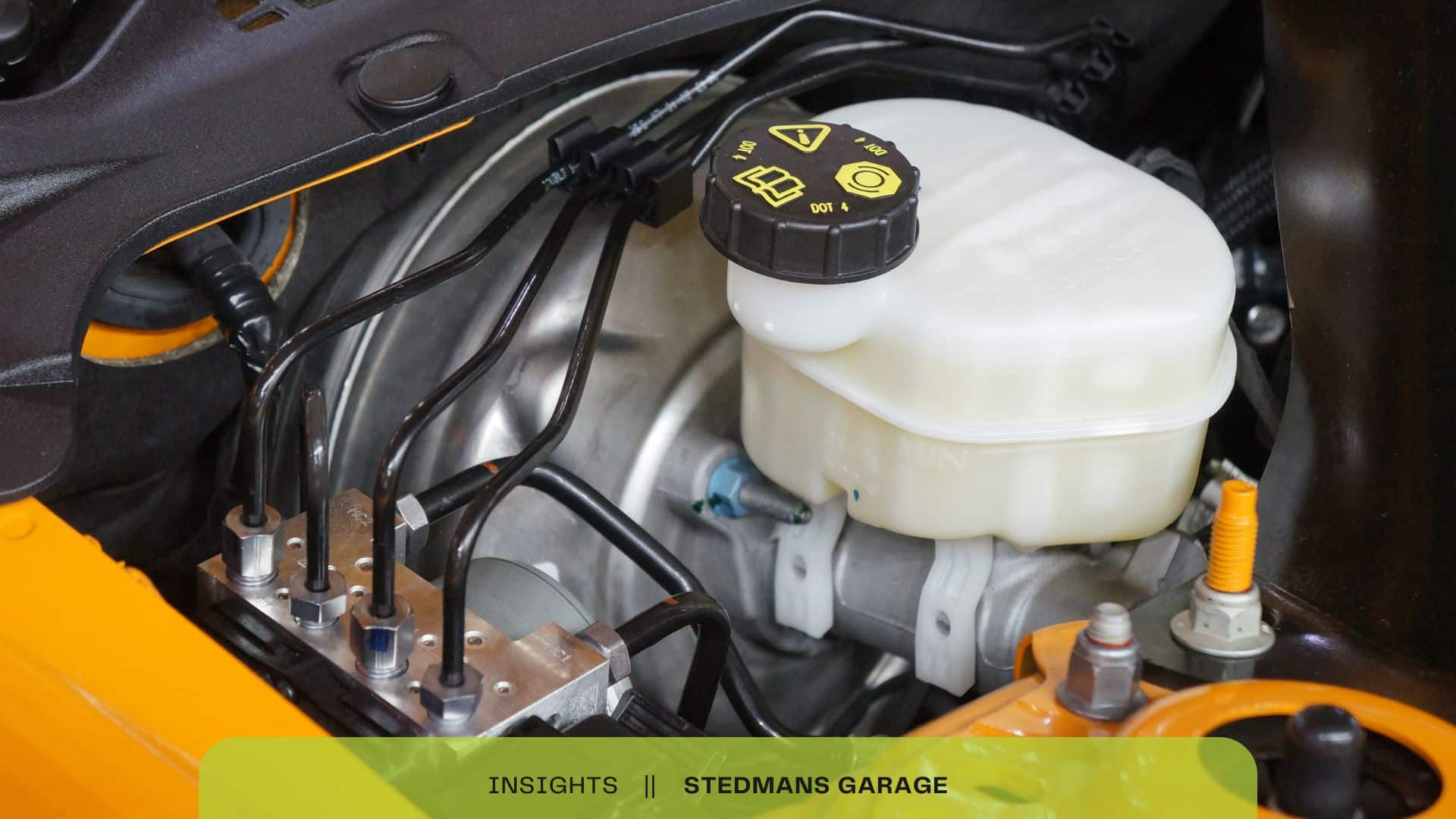
Defining the ABS Sensor
The ABS sensor, also known as a wheel speed sensor, is a critical component of your Skoda Octavia’s braking system. Its primary function is to monitor the speed of each wheel and transmit this information to the ABS control module. This data allows the ABS to manage brake pressure during emergency stops, which prevents the wheels from locking and maintains your steering control.
Importance in Vehicle Safety and Stability
The ABS sensor’s function significantly influences the vehicle’s safety and handling. When you apply the brakes suddenly, the ABS uses input from the sensors to regulate braking pressure for enhanced control. This technology is particularly vital on slippery surfaces, such as wet or icy roads, where the risk of skidding is heightened. By preventing wheel lock-up, the ABS system allows you to steer safely around obstacles, even during heavy braking. Understanding the ABS sensor and its role highlights why monitoring for Skoda Octavia ABS sensor faults is imperative for your driving safety.
Common Symptoms of ABS Sensor Faults in Skoda Octavia
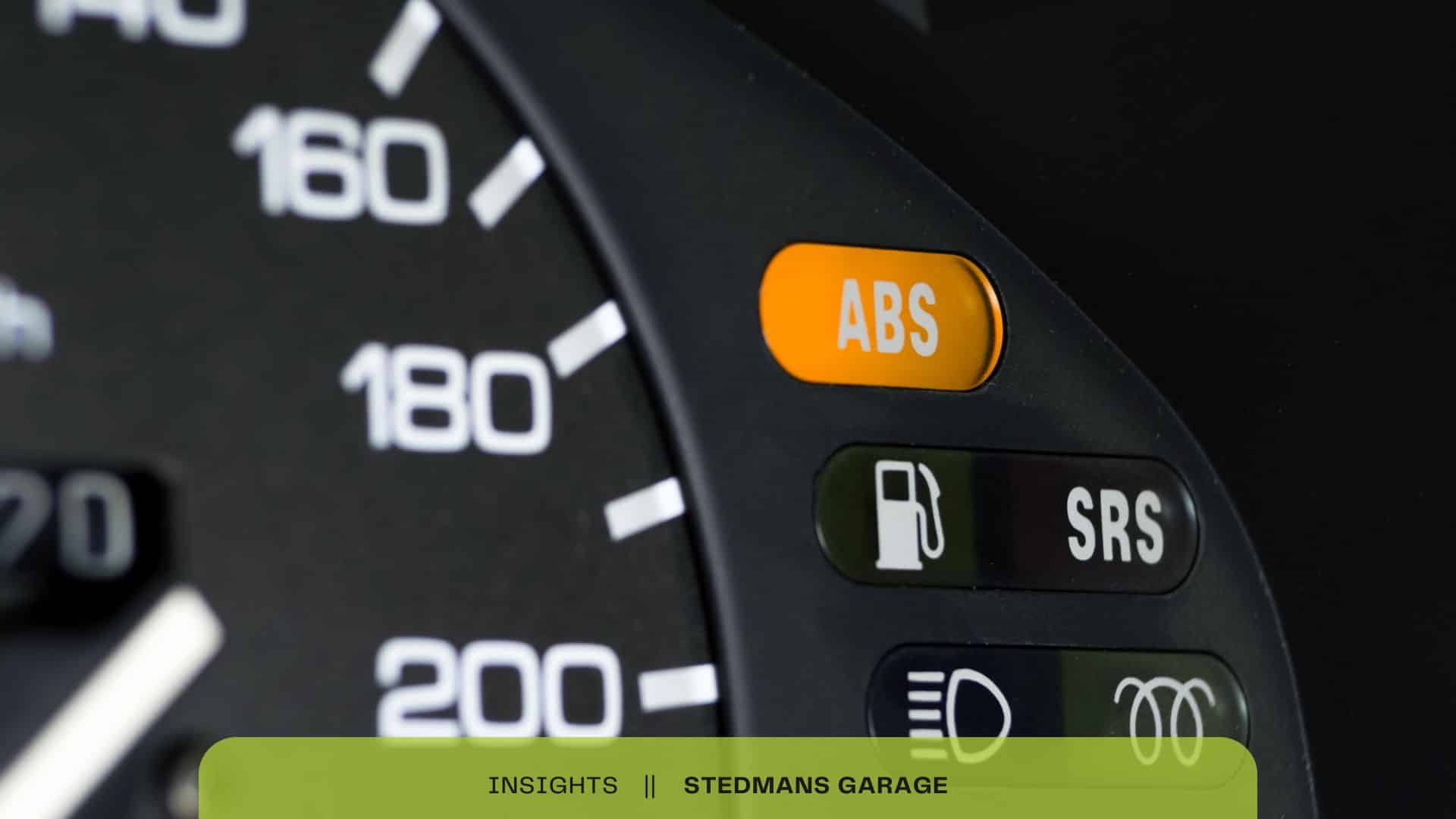
Recognising the signs of ABS sensor issues early can save you from costly repairs later. Here are common symptoms indicating ABS sensor faults specific to the Skoda Octavia.
Warning Lights and Dashboard Indicators
One of the first signs of ABS sensor problems is the illumination of warning lights on your dashboard. The ABS warning light or the brake warning light may blink or stay steadily lit. When this occurs, it is essential to not ignore these indicators, as they signal that the ABS system is not functioning correctly.
Key points to remember:
- If the ABS warning light is on, it indicates the system is disengaged, making your vehicle less safe.
- Refer to your owner’s manual to identify the specific indicators for your model.
Reduced Braking Efficiency and Performance Issues
Another prominent symptom of ABS sensor faults in the Skoda Octavia is reduced braking efficiency. You may experience longer stopping distances or a ‘soft’ brake pedal, indicating that the braking system isn’t responding as it should. This can be particularly concerning in emergency situations, where every millisecond matters.
Key considerations:
- If you notice that braking feels less responsive, it is vital to have your ABS inspected immediately for safety reasons.
- Regular performance checks can help identify underlying issues before they escalate.
Unusual Sounds When Braking
If your vehicle begins to make odd noises while braking, such as grinding or clicking, it may suggest a problem with the ABS system. These sounds often indicate that the ABS is trying to intervene but is unable to do so due to a faulty sensor.
Important notes:
- Listen for specific sounds, as they can aid in diagnosing whether the problem lies within the ABS system or elsewhere in the braking mechanism.
- If you encounter unusual sounds, consulting a professional mechanic to conduct a thorough inspection is advisable.
Diagnosing ABS Sensor Problems in Your Skoda Octavia
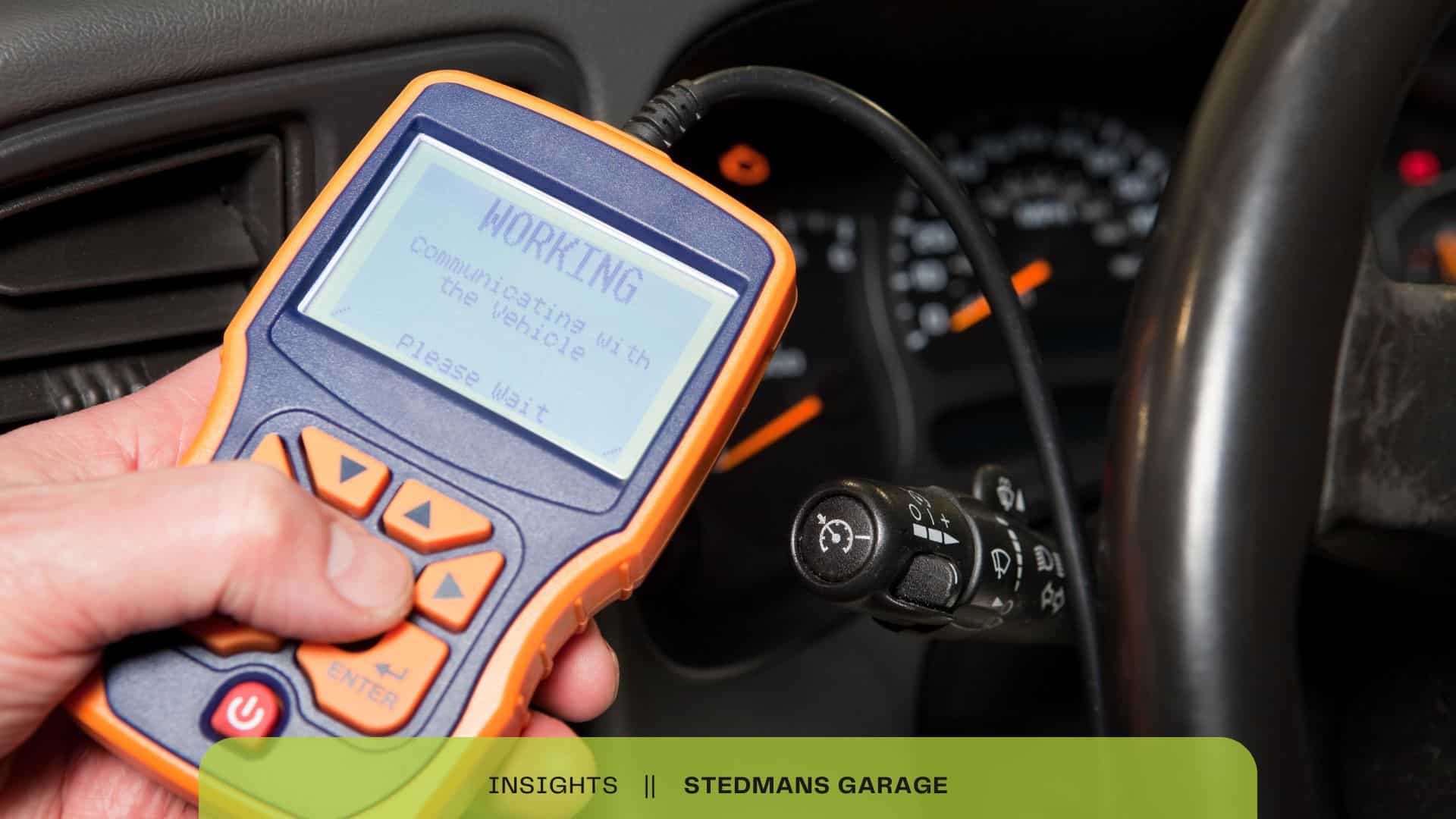
The process of diagnosing ABS sensor issues involves using the right tools and knowledge. Below are effective methods to pinpoint the faults in your Skoda Octavia’s ABS system.
Using OBD-II Scanners for Diagnosis
One straightforward way to diagnose ABS sensor problems is by using an OBD-II scanner. This tool connects to the vehicle’s onboard diagnostic system, allowing you to read trouble codes related to the ABS.
Step-by-step guide to using an OBD-II scanner:
- Locate the OBD-II port, usually beneath the dashboard.
- Connect the scanner and turn on the ignition.
- Follow the scanner’s prompts to read stored fault codes, particularly those related to ABS sensors (often indicated by codes beginning with ‘C’).
- Interpret the codes to identify problem areas within the ABS system.
Importance of Professional Inspection
Sometimes, diagnosing ABS sensor issues may go beyond the capabilities of an OBD-II scanner. For complex problems, it is vital to seek professional assistance. Mechanics utilise advanced diagnostic methods and equipment that can uncover underlying issues not triggering warning codes.
Professional inspection advantages:
- Mechanics can conduct a comprehensive visual check of wiring and connections.
- They often have specialised tools to perform further testing, ensuring accurate diagnosis and effective repairs.
Common Causes of ABS Sensor Faults

Understanding the root causes of ABS sensor faults is essential for preventing future issues. Here are some common causes observed in Skoda Octavia models:
Electrical Malfunctions
Electrical issues are among the most frequent causes of ABS sensor faults. Wiring problems, such as fraying or corrosion, can disrupt the sensor’s signal transmission to the ABS control module. Poor electrical connections may also cause intermittent faults, making them harder to diagnose.
Preventive measures:
- Conduct regular inspections of the wiring harness associated with the ABS.
- Keep connectors clean and free from moisture to avoid corrosion.
Physical Damage from Road Debris
The ABS sensors are typically positioned on the wheels, making them susceptible to damage from road debris. Stones, mud, or potholes can disrupt sensor functionality and lead to faults.
Real-world example:
If your Skoda Octavia has been driven over rough terrain or through floodwater, inspect for debris accumulation around the wheels, as this could affect sensor performance.
Wear and Tear Over Time
Like any mechanical component, ABS sensors can wear out over time, particularly after years of operation and exposure to varying conditions. This can lead to reduced accuracy or complete failure of the sensor.
Long-term strategies:
- Regularly service your vehicle and replace ABS sensors based on the manufacturer’s recommendations or at the first sign of trouble.
Repairing and Replacing ABS Sensors in Skoda Octavia

Once faulty ABS sensors have been diagnosed, it is essential to take action, whether opting for a DIY approach or professional repair.
DIY vs Professional Repair
When it comes to repairing or replacing ABS sensors, owners face the decision of whether to tackle the job themselves or consult a mechanic.
Pros and cons to consider:
DIY Repairs:
Pros: Cost savings and the opportunity to learn about your vehicle.
Cons: Risk of incorrectly diagnosing the problem, potential safety hazards.
Professional Repairs:
Pros: Access to expert knowledge, tools, and precise diagnostics.
Cons: Higher costs compared to DIY solutions.
Steps to Replace an ABS Sensor
If you choose the DIY route, follow these steps to replace an ABS sensor:
- Lift the Vehicle: Use a jack to raise the front or rear of the Skoda Octavia as needed.
- Remove the Wheel: Take off the wheel associated with the faulty sensor to gain access.
- Locate the ABS Sensor: Identify the location of the sensor, typically mounted on the wheel hub.
- Disconnect the Wiring: Carefully disconnect the electrical connector from the ABS sensor.
- Remove the Old Sensor: Unscrew the sensor from its mounting point and remove it.
- Install the New Sensor: Place the new ABS sensor in position, tightening it securely, and reattach the electrical connector.
- Reassemble the Wheel and Lower Vehicle: Replace the wheel and lower the vehicle to the ground.
- Test the System: Start the vehicle and check if the ABS warning lights have turned off, indicating successful installation.
Actionable Tips Section
Now that you have the knowledge to diagnose and repair ABS sensor faults in your Skoda Octavia, follow these actionable tips for regular maintenance of your system:
Regular Monitoring
- Check for ABS warning lights before each drive to catch potential issues early.
Seasonal Checks
- Inspect the wiring and sensors at the change of seasons, as varying temperatures can affect performance.
Keep It Clean
- Regularly wash your vehicle, particularly around the wheels, to prevent dirt accumulation affecting sensor accuracy.
Learn Diagnostic Codes
- Familiarise yourself with typical ABS-related trouble codes that may appear, helping you identify issues quickly.
Seek Professional Help Timely
- When in doubt, consult a professional mechanic to assess severe issues, ensuring a safe driving experience.
Conclusion
Understanding Skoda Octavia ABS sensor faults is vital for ensuring safe driving and maintaining your vehicle’s performance. Recognising common symptoms, diagnosing issues effectively, and executing repairs, whether yourself or with professional help, are essential skills for every Skoda Octavia owner. By being proactive and knowledgeable about your ABS sensors, you can avoid potential dangers and maintain your vehicle’s safety features.
If you have noticed any symptoms of ABS faults in your Skoda Octavia, act now, monitor your vehicle’s performance closely and consult a professional if needed. Remember, a well-maintained ABS system is crucial for your driving safety.