Introduction
Understanding the nuanced distinctions between the BMW M Sport models and their Standard Models is essential for UK car enthusiasts, potential buyers, and automotive professionals. Performance-oriented drivers will particularly benefit from comprehending these mechanical differences as they directly impact the driving experience and overall vehicle performance. This analysis dives deep into the vital aspects that separate BMW’s M Sport variants from standard offerings, reflecting on engineering philosophies, driving dynamics, and how enhancements can elevate your driving experience.
In the following sections, we will cover BMW’s M Sport philosophy, delve into key mechanical components that define M Sport performance, discuss additional features that enhance user experience, and weigh the advantages and disadvantages of choosing M Sport models. This comprehensive guide aims to empower you with the knowledge needed to make informed decisions when considering your next BMW purchase.
Overview of BMW’s M Sport Philosophy
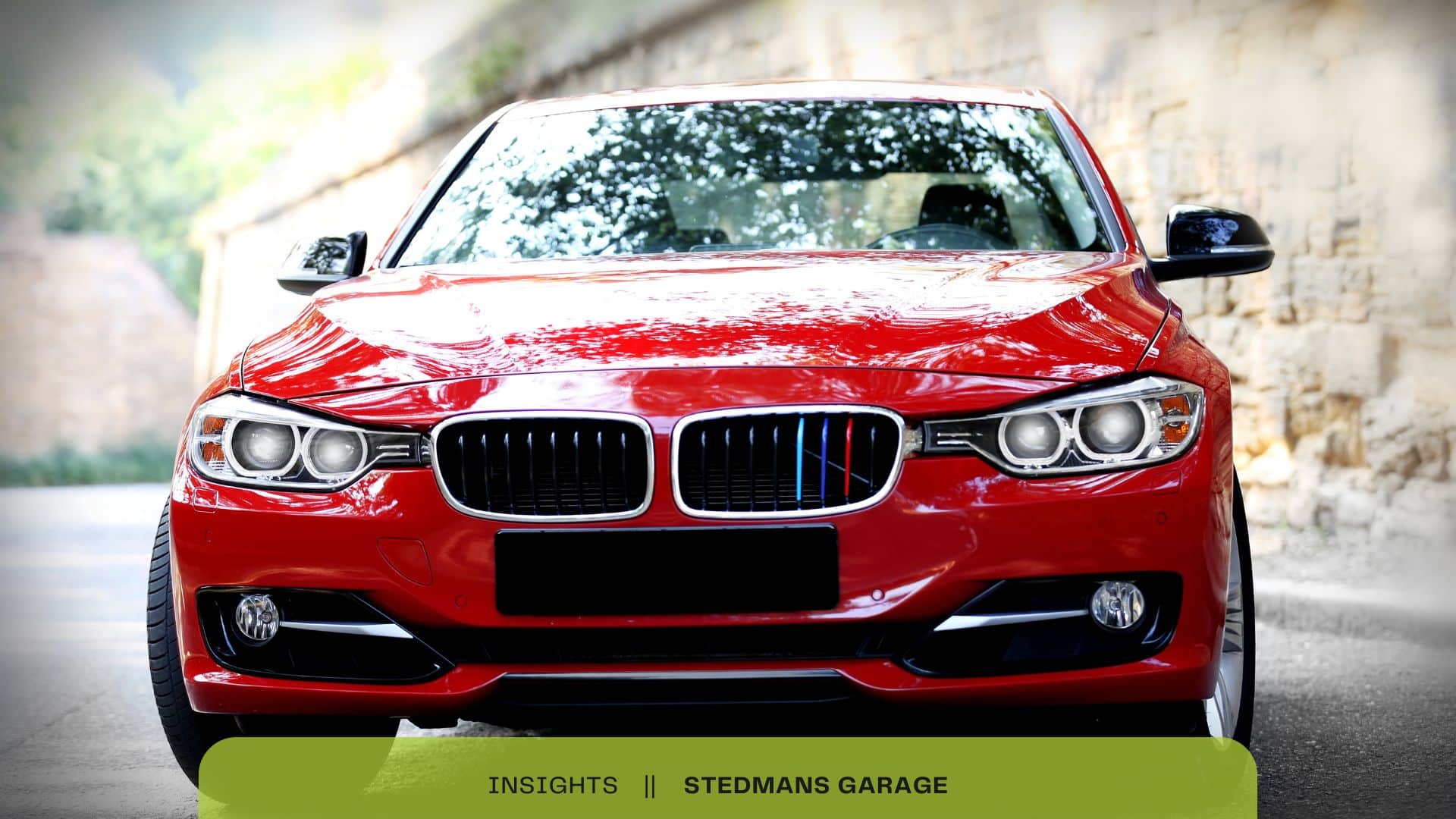
The Essence of M Sport
BMW’s M Sport line acts as a link between everyday driving and performance-focused vehicles, designed to provide enthusiasts with a more dynamic driving experience. Initiated in the late 1970s, the M division was established to enhance the brand’s reputation in motorsport. Thus, the M Sport models signify a focus on enhanced performance, handling, and aesthetics without fully committing to the high-octane M range such as the BMW M3 or M5.
Distinguishing Factors
M Sport models are crafted not just for speed but embody a fundamental philosophy that emphasises superior engineering, performance enhancements, and refined driving dynamics targeted towards enthusiastic drivers. Unlike standard models, M Sport variants feature distinctive styling cues, sportier driving characteristics, and performance-enhancing technologies suitable for both everyday usage and spirited drives.
To summarise, the M Sport philosophy cherishes performance and driving pleasure, setting these models apart in the highly competitive automotive market.
Key Mechanical Components That Differentiate M Sport from Standard Models
Engine Specifications and Performance Enhancements
One of the most critical differences between BMW M Sport models and their Standard Models lies within the engine specifications.
Engine Power and Torque
M Sport models often sport more powerful engines compared to standard variants. For instance, the BMW 320i’s conventional engine produces around 154 bhp, while the M Sport version can deliver a staggering 186 bhp. This difference manifests not only in raw speed but also in torque delivery, thereby enhancing acceleration.
Model Examples
An example of this can be seen when comparing the BMW 540i to the M540i. While both share similar engine architecture, M Sport variants typically include advanced tuning, enabling outputs of up to 335 bhp from the latter.
Suspension Systems and Handling Characteristics
The suspension system is another area where M Sport outperforms standard models by a wide margin.
Damping and Ride Height
M Sport models usually boast an adaptive suspension setup that allows for enhanced responsiveness during spirited driving. The suspension components are often stiffer, allowing for better cornering capabilities and reduced body roll. Additionally, the ride height can also be lower, which contributes to improved aerodynamics and handling performance.
Real-World Impacts
For example, a driver navigating the snaking roads of the UK’s countryside will benefit from the precise handling offered by M Sport’s enhanced suspension. In contrast, the standard model might lag in cornering stability, which can affect driver confidence.
Transmission Options and Drive Experience
When it comes to transmission, M Sport models offer several noteworthy enhancements.
Automatic vs Manual
Many M Sport variants come exclusively with BMW’s advanced Steptronic automatic transmission, which offers rapid shifts compared to the standard models that may still feature traditional manual gearboxes. This provides a superior, smooth driving experience.
Performance Benefits
The instantaneous gear changes in M Sport models can significantly elevate performance levels. For example, in performance-driven models like the M4, the 8-speed Steptronic transmission allows seamless transitions, making it easier to maintain high speeds and optimal power output during aggressive driving scenarios.
Brake Systems: Enhanced Stopping Power
Another key distinction between the two model classes is their braking systems.
Specifications and Materials
M Sport models often feature larger, performance-oriented brake discs and calipers, which can provide improved thermal management and stopping power. This can be particularly advantageous during high-speed driving or while descending steep inclines, common in many regions of the UK.
Practical Scenarios
During a track day event, for example, M Sport brakes are indispensable. The standard model may experience overheating, which leads to brake fade, whereas M Sport variants would demonstrate consistent performance under stressful conditions.
Additional Features Found in M Sport Models
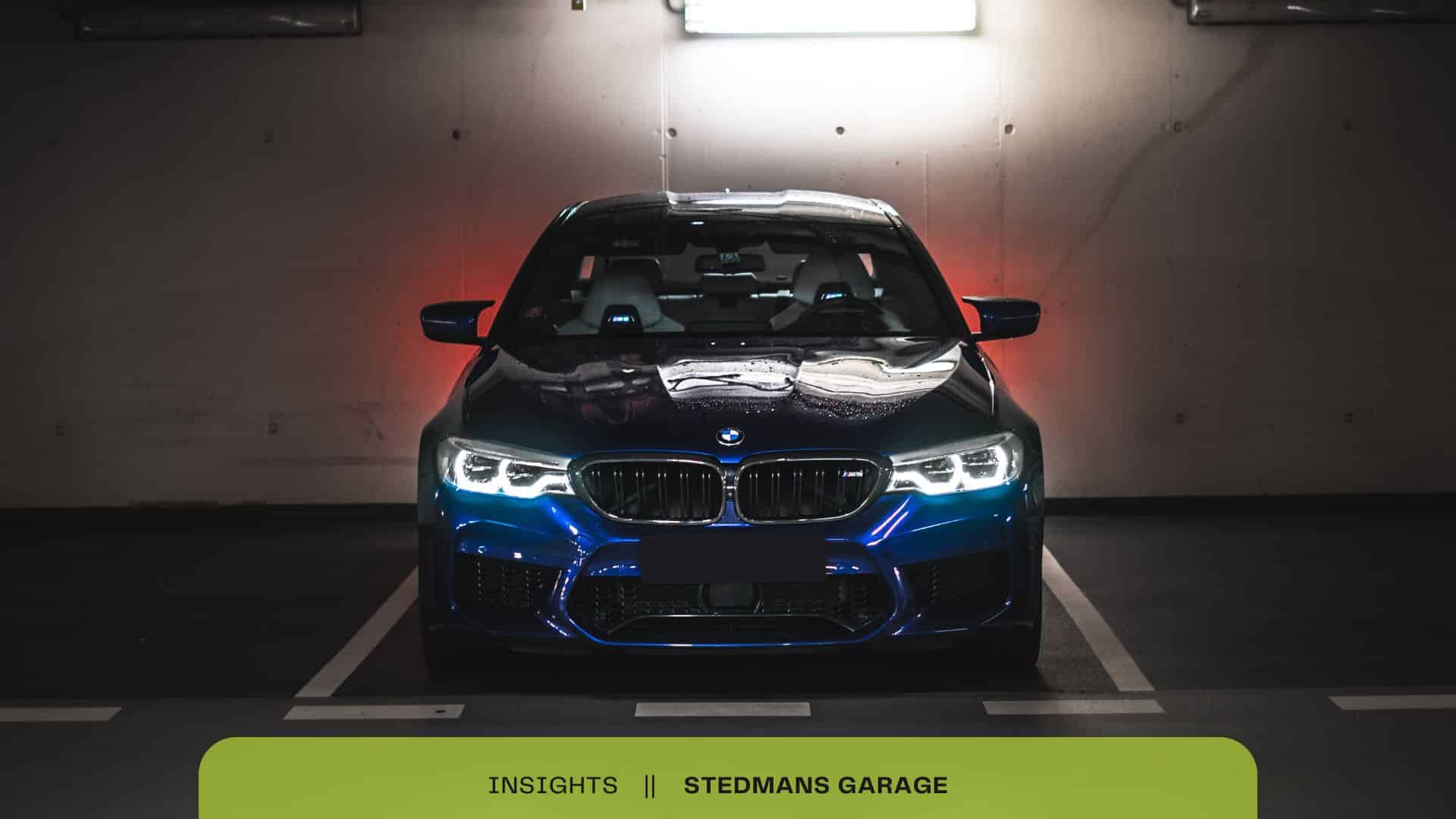
Beyond mechanical components, M Sport models are replete with features that enhance the overall user experience.
Exterior Styling
M Sport variants are typically adorned with sportier styling cues, including aggressive body kits, distinctive M badging, and unique wheel designs that set them apart visually and aerodynamically.
Interior Upgrades
Inside, M Sport vehicles often offer sport seats, exclusive interior trim options, and enhanced connectivity features that further justify their premium positioning within the BMW family.
Technology Enhancements
Advanced technology tailored towards performance, such as M Drive settings, enables drivers to customise and optimise their vehicle’s performance characteristics.
Advantages and Disadvantages of Choosing M Sport Models
Advantages
- Enhanced Performance: The power and torque increases translate directly to superior acceleration and speed capabilities.
- Superior Handling: The improved suspension and braking systems contribute to better road grip and cornering stability.
- Sporty Aesthetics: The aggressive styling and interior features appeal to enthusiasts who value performance and style equally.
- Advanced Technology: M Sport models often come with enhanced infotainment systems and performance monitoring tools.
- Driving Dynamics: Features such as M Drive settings allow for a more tailored driving experience.
Disadvantages
- Increased Cost: M Sport variants typically have a higher entry price compared to standard models.
- Ride Comfort: The stiffer suspension may compromise everyday ride comfort, making these models less suited for daily commutes.
- Higher Running Costs: Insurance, maintenance, and fuel consumption may be elevated for M Sport models because of their performance components.
Actionable Tips for Potential Buyers
Choosing between a BMW M Sport model and its standard variant can be daunting. Here are some actionable tips to guide your decision:
- Consider Your Driving Style: Analyse how you intend to use your vehicle. If you prefer daily driving with occasional spirited driving, a Standard Model might suffice.
- Test Drive Both Variants: Experience the differences firsthand. A test drive will highlight performance disparities that you may not notice from specifications alone.
- Evaluate Long-Term Costs: Calculate insurance premiums, fuel consumption, and maintenance costs associated with M Sport models, as these can be significantly higher.
- Assess Comfort Needs: Consider your preferences for ride comfort. M Sport’s stiffer suspensions may lead to a harsher ride; understanding this can help your final decision.
- Inspect Unique Features: Pay attention to the premium features offered in M Sport variants, from technology to aesthetics, which may add value to your driving experience.
Conclusion
Understanding the key mechanical differences between BMW M Sport models and Standard Models is crucial for any potential buyer or automotive enthusiast navigating the BMW lineup. By examining performance enhancements in engine specifications, suspension systems, drive experiences, and braking capabilities, you can appreciate how these elements contribute to the overall driving dynamics.
In assessing your driving preferences and requirements, you can make an informed choice between M Sport and Standard Models. Explore your local BMW dealership to discover the M Sport advantage firsthand, and don’t hesitate to experience a test drive, it’s the best way to feel the remarkable differences for yourself!