Introduction
As electric vehicles (EVs) gain traction across the UK, it’s essential for owners to stay informed about emerging maintenance challenges. One increasingly highlighted issue is brake disc corrosion, particularly in low-mileage electric vehicles. This blog post aims to educate UK EV owners about the implications of brake disc corrosion, how it arises in low-mileage electric vehicles, and strategies for prevention and maintenance. By understanding the causes and effects of brake disc corrosion, you can take proactive measures to ensure your vehicle remains safe and efficient.
This article will provide an in-depth look at how braking systems operate in electric vehicles, factors contributing to corrosion, how to identify symptoms, and effective maintenance strategies. Additionally, we will present real-world case studies and offer actionable tips for ensuring the longevity and effectiveness of your braking system.
Understanding Brake Disc Corrosion
What is Brake Disc Corrosion?
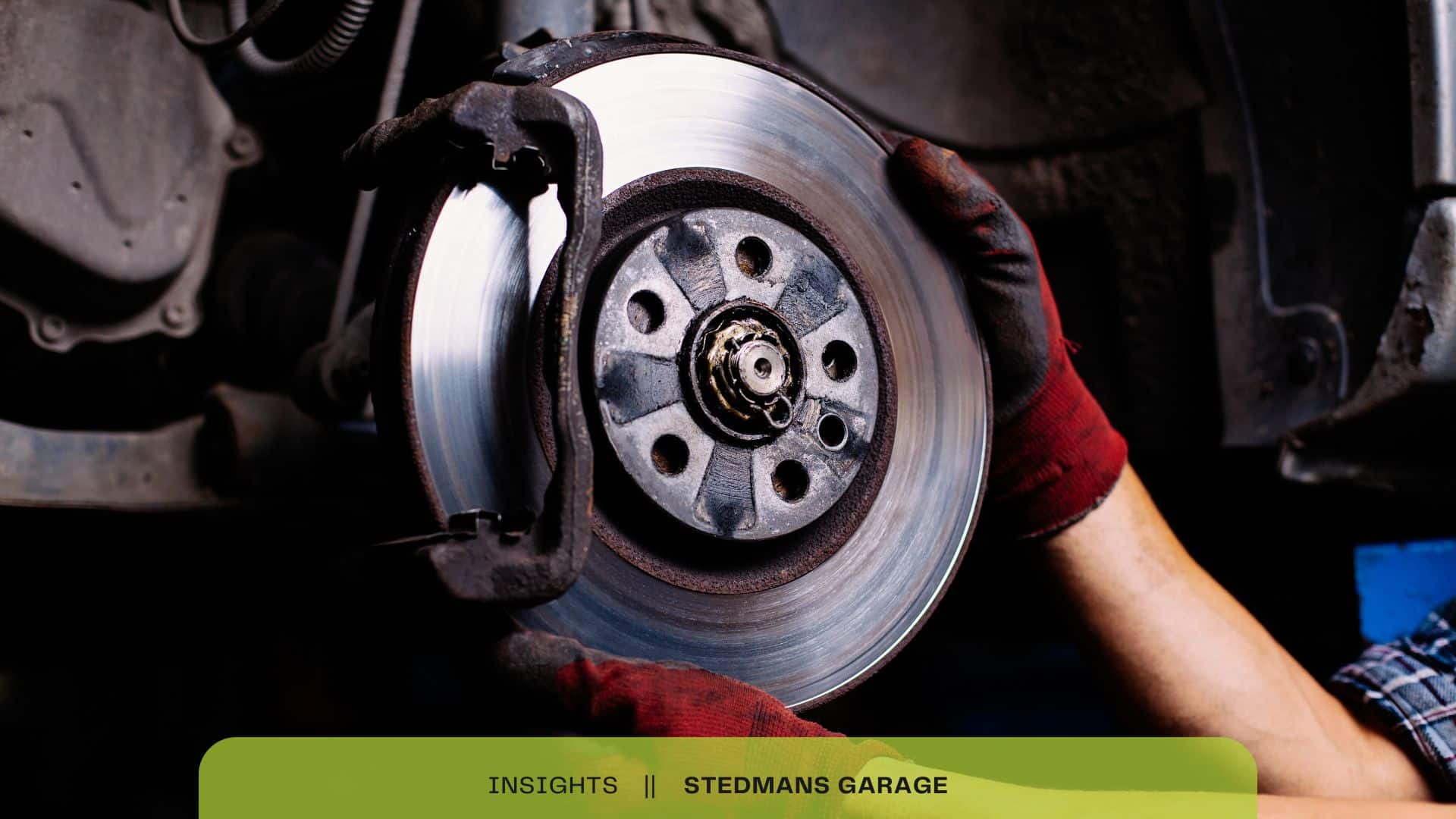
Brake disc corrosion refers to the deterioration of brake discs, which can lead to reduced braking performance and, in severe cases, complete brake failure. Corrosion occurs when metal surfaces are exposed to moisture, contaminants, and even the chemicals found in road salt or drainage. For electric vehicles, whose braking systems operate differently than those of traditional internal combustion engine vehicles, understanding the specifics of brake disc corrosion is essential.
Implications for Vehicle Safety
Corrosion can result in pitting, weakening the structural integrity of the disc. This can cause several problems, such as reduced braking effectiveness, increased stopping distances, and unusual noises during braking. Neglecting brake disc maintenance compromises not just vehicle safety but also the safety of others on the road.
The Role of Low Mileage in Brake Corrosion
In low-mileage electric vehicles, the braking components are not used as frequently as they are in conventional vehicles. This lack of regular use can lead to moisture accumulation and the onset of corrosion. Essentially, the brake system needs to be actively engaged to maintain its health. Statistics show that EV owners often rely on regenerative braking technology, which reduces wear on traditional brake components but can lead to a false sense of security regarding the overall condition of the braking system.
How Brake Systems Work in Electric Vehicles
Regenerative Braking Technology
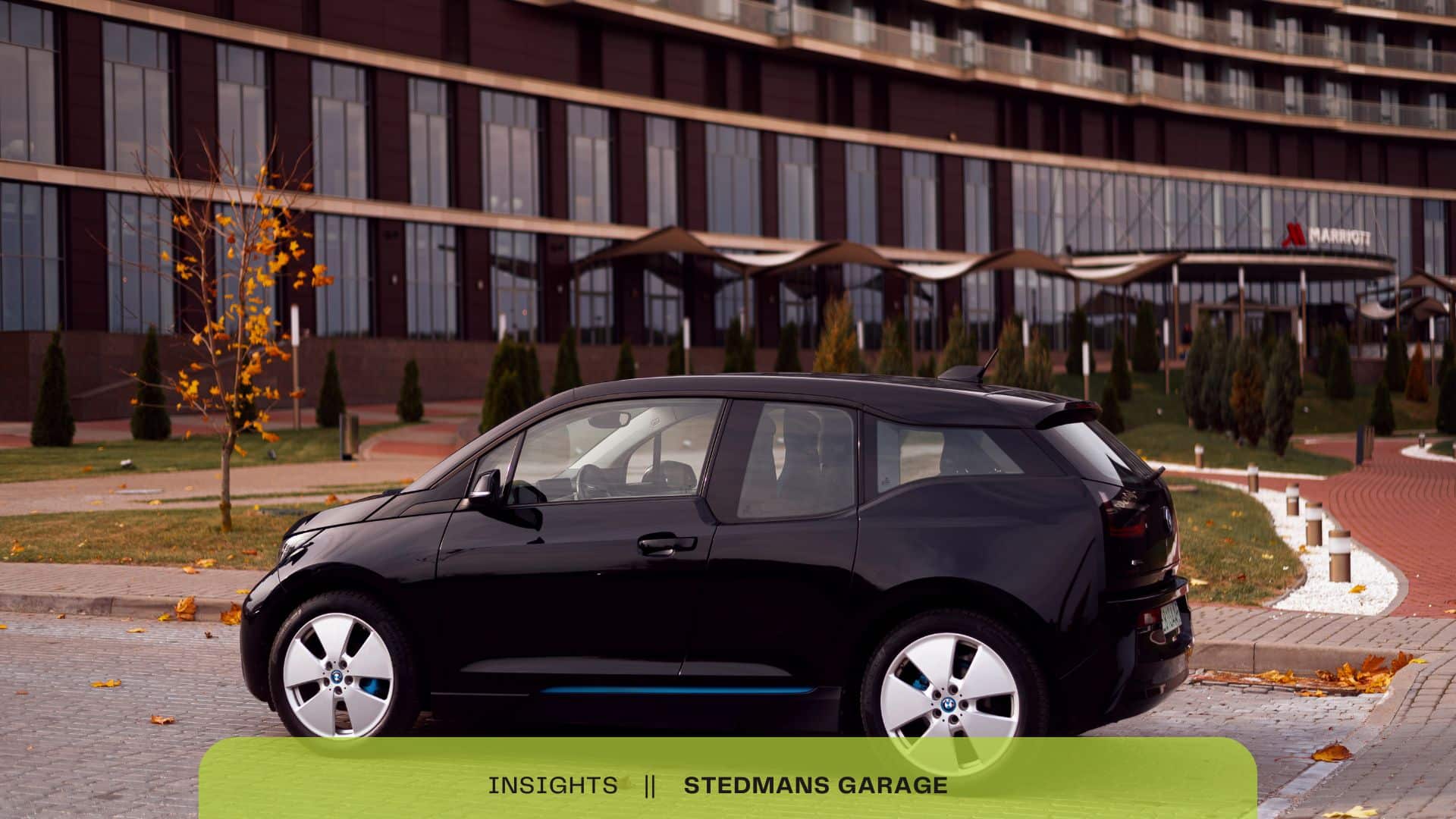
Electric vehicles often employ regenerative braking systems that capture some of the energy used for acceleration and redirect it back to the battery during braking. Unlike traditional systems, which rely heavily on friction between the brake pads and discs to slow down the vehicle, regenerative braking primarily uses electric motor systems.
Brake Wear and Maintenance Differences
While regenerative braking reduces wear on brake components, it does not eliminate it. Low-mileage EVs can still suffer from surface corrosion, particularly in regions with wet conditions. The interplay between mechanical wear and corrosion creates unique maintenance challenges, distinguishing these vehicles from petrol or diesel counterparts.
Factors Contributing to Corrosion in Low-Mileage EVs
Climate and Environmental Considerations
The UK’s climate presents specific challenges for electric vehicles, particularly concerning brake disc corrosion. High humidity levels can accelerate the corrosion process, along with other environmental factors, such as exposure to road salt during winter months.
Storage Conditions and Usage Patterns
EVs often spend extended periods parked, especially during inclement weather. Infrequent use can lead to rust formation, particularly if the vehicle is not stored in ideal conditions. Parking outdoors in a damp environment exacerbates these issues, speeding up the corrosion process.
Identifying Symptoms of Brake Disc Corrosion
Signs and Symptoms
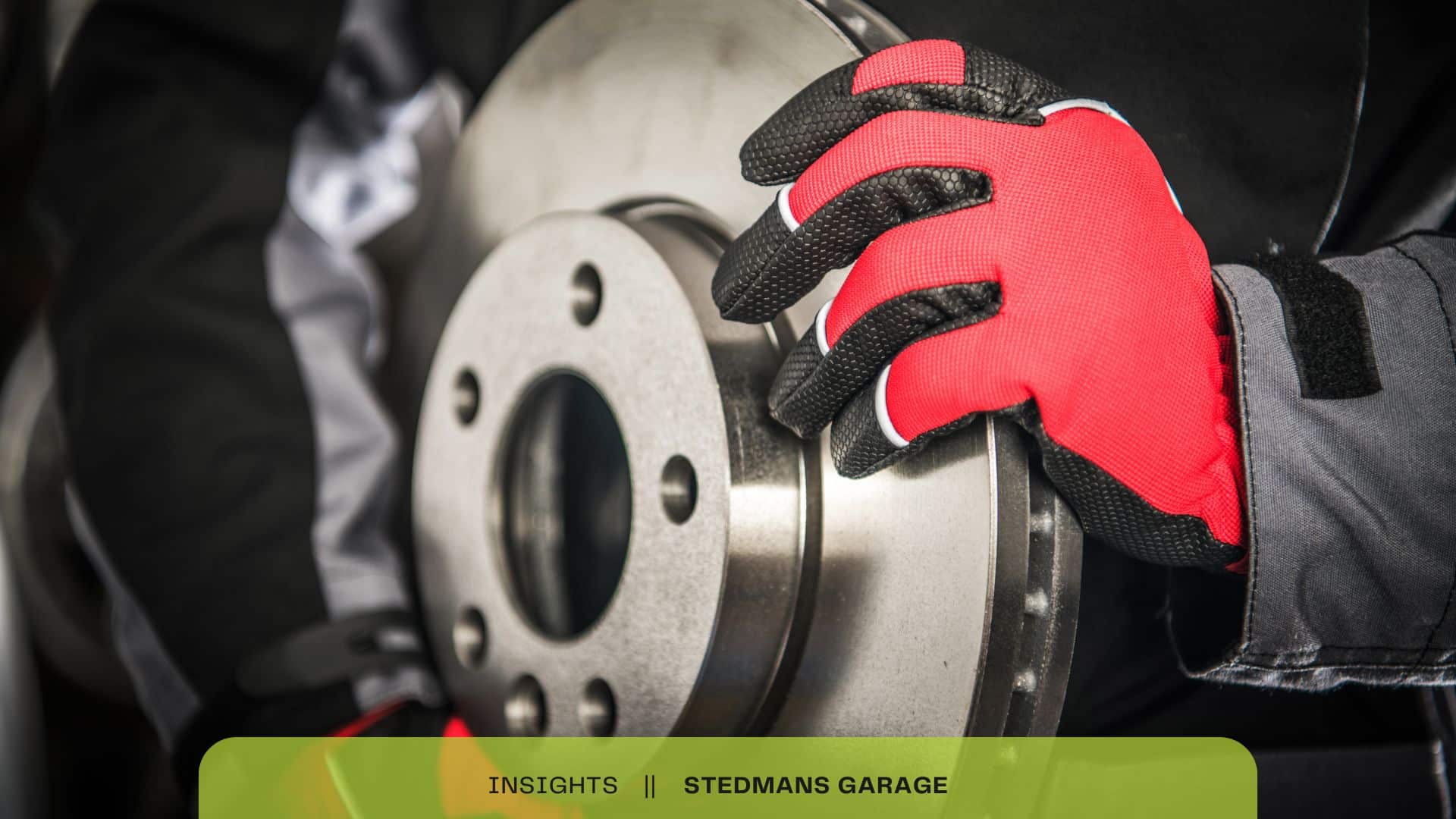
Owners should be vigilant for several signs that may indicate corrosion on brake discs. Common indicators include:
- Unusual Noises: Squealing or grinding noises can suggest that brake pads are making insufficient contact with the discs.
- Vibration: If you feel vibrations when applying the brakes, it may signal uneven disc surfaces due to corrosion.
- Reduced Braking Performance: A noticeable decline in braking efficacy, such as longer stopping distances, may indicate corrosion.
Risks of Ignoring Corrosion
Ignoring the signs of brake disc corrosion can lead to catastrophic failure while driving. Corroded discs are prone to cracking, resulting in an inability to stop the vehicle effectively. Understanding these implications is crucial for preemptive maintenance.
Effective Prevention and Maintenance Strategies
Actionable Insights for EV Owners
- Regular Inspections: Schedule routine checks of your braking system every six months or after every 3,000-5,000 miles. Assess the brake discs for signs of corrosion.
- Driving Habits: Engage the brakes periodically, even if relying largely on regenerative braking. This action helps keep brake components clean and free from moisture accumulation.
- Proper Storage: Store your vehicle in a garage or covered area whenever possible. If outdoor storage is unavoidable, consider using a breathable car cover that allows moisture to escape.
- Cleaning the Brakes: Occasionally, wash the brake components with clean water to remove accumulated salt or grime, especially during winter months.
- Brake Pad Replacement: Be proactive in replacing brake pads when they begin to wear out, ensuring efficient contact with the discs.
- Use Corrosion-resistant Components: Consider investing in brake discs made from materials resistant to corrosion, such as carbon composite or stainless steel.
Case Studies and Real-World Examples
Case Study 1: The Battery-Centric Approach
In a case from South Wales, an EV owner relied solely on regenerative braking, neglecting physical brake engagement. After three years of low mileage, performance issues arose. Professional advice revealed that corrosion had substantially weakened the brake discs, leading to costly repairs.
Case Study 2: The Everyday Commuter
Another case involved an EV commuter driver in London. By consistently engaging the brakes during city driving, despite low mileage, they noted far less corrosion. Routine inspections revealed minimal wear, helping them avoid potentially costly repairs.
Both cases highlight the critical importance of proper brake maintenance, irrespective of mileage.
Actionable Tips for Maintaining Brake Systems in Low-Mileage EVs
- Establish a Maintenance Plan: Define a calendar that includes routine brake inspections every six months.
- Engage in Regular Driving: Make it a point to take your low-mileage EV on longer drives to encourage brake usage.
- Record Conditions: Keep a log of driving conditions (wet, dry, winter salts) affecting your vehicle and adjust maintenance practices accordingly.
- Know Your Vehicle: Familiarise yourself with your EV’s specifications so you know when to check and potentially replace brake components based on manufacturer guidelines.
- Educate Yourself: Take advantage of resources and forums dedicated to EV maintenance. Engaging with a community can provide insights into best practices and innovative solutions tailored to the UK climate.
Conclusion
The rise of brake disc corrosion in low-mileage electric vehicles presents an alarming issue for UK owners. Understanding maintenance challenges, from storing vehicles in damp conditions to engaging brake systems, is crucial for ensuring vehicle safety and longevity. Proactive measures, careful observation of symptoms, and a commitment to regular maintenance will combat corrosion.