Introduction
With the rising popularity of electric vehicles (EVs) in the UK, consumers are increasingly seeking ways to enhance their driving experience and alleviate concerns like range anxiety. EV range extenders play a crucial role in this context, making electric vehicles more versatile and accessible for everyday drivers. In this blog post, we will explore the intricacies of EV range extenders, discussing their technology, benefits, limitations, and future trends.
As UK consumers contemplate the switch to electric vehicles, understanding range extenders’ functionality can significantly influence their decision. This blog aims to not only explain what EV range extenders are but also to explore how they contribute to the longevity and usability of electric vehicles.
What is an EV Range Extender?
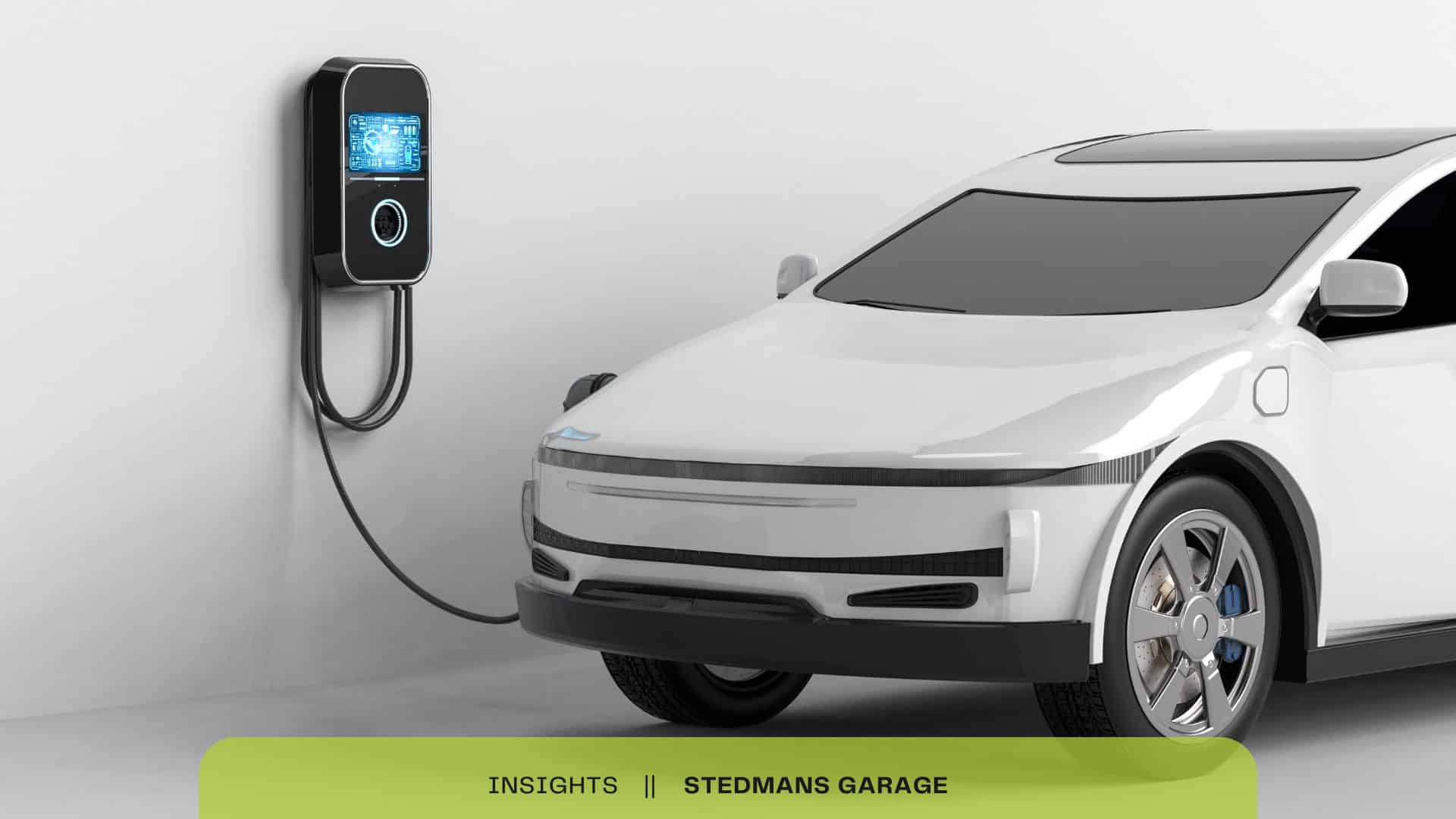
An EV range extender is a secondary power source integrated into an electric vehicle to supplement its primary battery, improving overall range and alleviating range anxiety. Unlike conventional electric vehicle systems that rely solely on battery power, range extenders provide additional energy, often employing alternative power sources to assist in propulsion or charge the battery.
Functionality and Importance
In practical terms, EV range extenders offer drivers more flexibility. If an electric vehicle’s battery runs low, the range extender can activate, ensuring that the driver can reach their destination and not be stranded. This technology is especially beneficial in the UK, where long-distance travel is common, and public charging infrastructure may not always be readily available.
Diagram
A typical range extender system may consist of an electric motor, a petrol or diesel engine as the range extender, and a battery management system that coordinates power flow.
How Do EV Range Extenders Work?
The technology behind EV range extenders is diverse but fundamentally involves supplementing the battery system to enhance electric vehicle performance. Here’s how they operate:
- Primary Power Source: In most electric vehicles, the primary energy source is the battery, which directly powers the electric motor for smooth and quiet driving.
- Activation of the Range Extender: When the battery’s charge drops below a predetermined threshold, the range extender, typically a smaller internal combustion engine (ICE) or an alternative fuel source, activates automatically.
- Power Generation vs. Propulsion: In many range extender designs, the ICE generates electricity for the battery rather than providing direct propulsion, maintaining a continuous charge as you drive.
- Dynamic Management: Modern electric vehicles feature smart battery management systems that determine when to shift between battery and range extender power, optimally managing energy consumption.
Interaction Between EVs and Range Extenders
Understanding how an electric vehicle interacts with its range extender is essential. This system not only extends the distance covered on a single charge but also promotes efficient energy consumption. With both systems working in harmony, drivers can enjoy electric vehicle eco-friendliness while benefiting from increased range capability.
Types of EV Range Extenders
EV range extenders can generally be categorised into two main types, each with its advantages and challenges.
Internal Combustion Engine Extenders
Traditional ICE range extenders serve as supplementary power sources for EVs. This system includes:
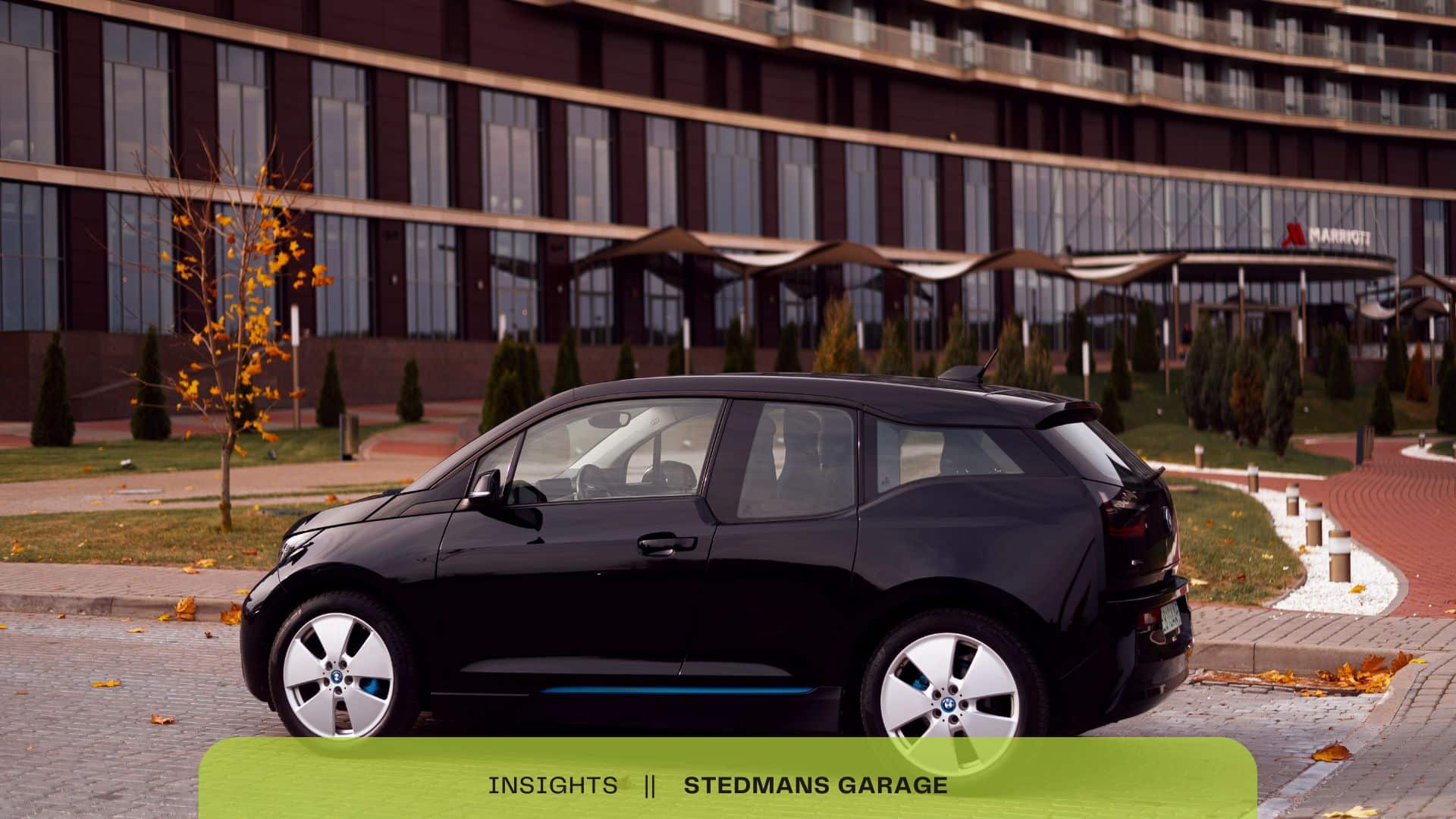
- Example: The BMW i3, which uses a small petrol engine as a range extender, offers drivers additional range when the electric battery is getting low.
- Functionality: The ICE can operate independently from the vehicle’s powertrain, generating electricity to charge the battery while the EV drives on battery power.
Pros and Cons Specific to UK Regulations
Advantages:
- Increased Driving Range: A petrol or diesel engine can provide a substantial boost in range, especially for long-distance travel.
- Speed of Refuelling: Refuelling a petrol or diesel tank takes considerably less time than recharging a battery.
Disadvantages:
- Environmental Impact: Emissions from ICEs, while minimal compared to conventional vehicles, still contribute to carbon footprints, clashing with sustainability goals.
- Cost and Complexity: Integrating an ICE into an EV increases complexity, maintenance needs, and upfront costs.
Alternative Fuel Range Extenders
Alternative fuel options, like hydrogen fuel cells and biofuels, represent the next evolutionary step in EV range extenders.
- Hydrogen Fuel Cells: These systems convert hydrogen gas into electricity to power electric motors, emitting only water as a byproduct.
Innovation Shaping the Future
With advancements in electric vehicle technology and hybrid systems, these alternative fuel range extenders show promise. Factories in the UK are actively exploring hydrogen solutions as they strive to foster a more sustainable automotive ecosystem.
Pros and Cons of Alternative Fuel Extenders
Advantages:
- Reduced Emissions: Hydrogen fuel cells produce zero emissions during operation.
- Rapid Refuelling: Filling a hydrogen tank takes roughly the same time as traditional refuelling, dramatically reducing downtime.
Disadvantages:
- Infrastructure Challenges: Hydrogen refuelling stations are not widespread in the UK, limiting accessibility.
- Production Costs: Hydrogen production, particularly via green methods, can be costly, affecting overall affordability.
Benefits of Using EV Range Extenders

Incorporating EV range extenders offers numerous advantages for UK consumers.
1. Enhanced Driving Range and Reduced Range Anxiety
One significant benefit of EV range extenders is their ability to greatly enhance driving range, making long-distance travel more viable without constantly searching for charging stations. This is particularly pertinent for UK drivers, many of whom experience apprehension about battery range, especially on longer journeys. By providing multiple power options, range extenders facilitate extensive travel without frequent stops for recharges.
2. Cost-Effectiveness for Long-Distance Travel
Using an EV with a range extender can lead to potential cost savings on long trips. Instead of making frequent stops at costly charging stations, drivers can travel greater distances on a single tank of fuel, minimising expenses associated with electricity rates.
- Example: For a road trip from London to Edinburgh, a vehicle equipped with a range extender allows for flexibility without worry over finding the next charging point.
3. Greater Flexibility and Driving Enjoyment
EV range extenders also offer a sense of flexibility to consumers who may want to embark on adventures without the fear of battery depletion, enhancing the overall driving experience.
Limitations and Challenges
While the advantages of EV range extenders are noteworthy, they are not without challenges.
1. Weight and Space
Introducing a range extender often adds weight and requires additional space within the vehicle. This can impact overall performance and handling.
2. Cost Implications
The addition of an ICE or alternative fuel system can raise the upfront cost of the vehicle, potentially deterring budget-conscious consumers.
3. Environmental Concerns
Even though EVs and range extenders are generally more eco-friendly, relying on an ICE as a secondary power source contradicts the goal of reducing carbon footprints.
4. Regulatory Challenges in the UK
As the automotive industry progresses, the UK is implementing stringent regulations around vehicle emissions. Range extenders using traditional fuels will face increased scrutiny, influencing consumer choices.
The Future of EV Range Extenders
The future of EV range extenders is ripe for innovation. Key trends are likely to shape consumer perceptions and technology utilisation.
1. Electrification & Regulatory Changes
With the UK government’s commitment to phasing out petrol and diesel vehicles, we can expect more stringent regulations around emissions from range extenders. This shift will encourage manufacturers to invest in cleaner technologies, such as hydrogen fuel cells or advanced battery systems.
2. Consumer Preferences
As awareness about environmental issues grows, so does the demand for cleaner, sustainable driving technologies. This trend will influence automakers’ decisions to produce range extenders reliant on traditional fuels or invest in innovative, eco-friendly alternatives.
3. Increased Investment in Charging Infrastructure
While range extenders help with distance, expanding charging infrastructure across the UK is pivotal for consumer acceptance of electric vehicles. Government and private sector efforts to enhance charging station availability can cultivate greater confidence in battery-only vehicles, reducing the need for range extenders.
Actionable Tips: Choosing an EV with Range Extenders
When considering electric vehicles with range extenders, follow these practical steps:
- Research Available Models: Investigate different EV models equipped with range extenders. Look for manufacturer details on driving range, performance, and battery specifications.
- Assess Your Driving Habits: Determine your regular driving needs, such as daily commutes versus longer journeys. A range extender is particularly useful for those who travel long distances frequently.
- Consider Overall Cost: Examine the total cost of ownership, including purchase price, operational costs, and expected resale value.
- Evaluate Charging Infrastructure: Assess the availability of charging stations along your usual routes. Consider access to both standard and fast chargers.
- Maintain Optimal Efficiency: Regular maintenance is crucial for both the primary battery and the range extender. Follow these tips:
- Schedule routine check-ups to ensure all systems function optimally.
- Keep the vehicle clean to enhance performance.
- Regularly monitor the state of charge and capacity of the primary battery.
- Stay Informed: Engage with online communities revolving around EV technology, participate in forums, and attend exhibitions to stay updated on new advancements in electric vehicles and range-extending systems.
Conclusion
Understanding EV range extenders is crucial for anyone considering a transition to electric vehicles in the UK. These systems enhance driving range, mitigate range anxiety, and provide viable solutions for long-distance journeys. As the automotive landscape continues to evolve toward greener alternatives, EV range extenders will play an essential role in bridging the gap between conventional vehicles and fully electric solutions.
As you weigh your next vehicle purchase, consider exploring electric vehicles with range extenders. They offer the flexibility and reassurance needed for a seamless driving experience. Embrace the change and connect with the growing community dedicated to sustainable transport solutions in the UK.