Introduction
As an Audi A3 owner in the UK, ensuring that your vehicle remains in optimal condition is crucial for performance, safety, and longevity. In this blog post, we will explore essential maintenance tips every owner, whether new or seasoned, should know to keep their car running smoothly. Regular car maintenance is vital for preventing larger, costly issues and maintaining the pleasure of driving an Audi.
By adhering to essential maintenance practices, you can enhance your vehicle’s performance and ensure a safe driving experience, particularly given the unique UK driving conditions influenced by varying weather, road types, and urban environments. In the following sections, we will delve into the importance of regular maintenance, the essential checks every Audi A3 owner should perform, and actionable strategies for proper vehicle care.
Importance of Regular Maintenance for Your Audi A3
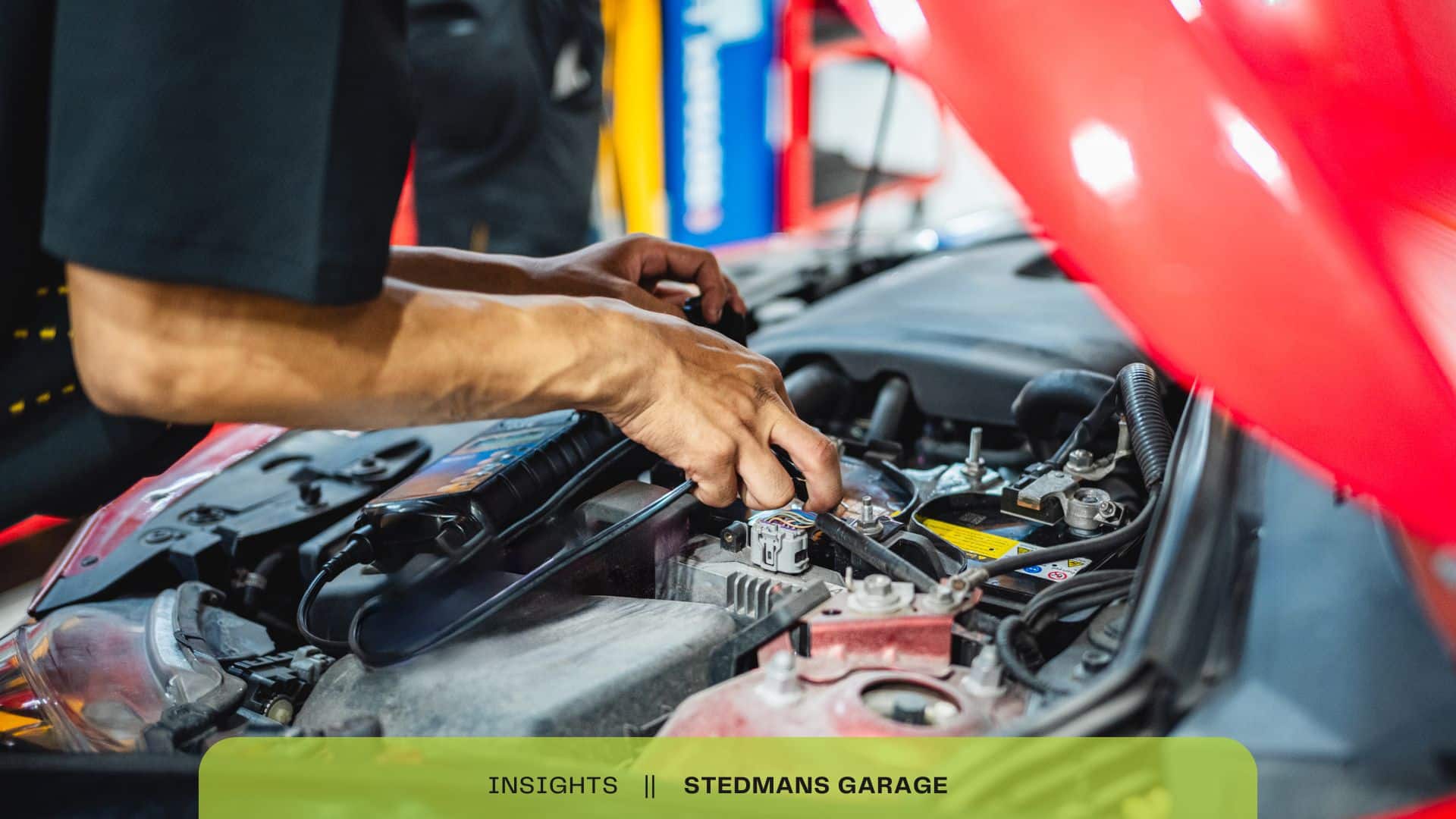
Understanding the Necessity of Maintenance
Regular maintenance for your Audi A3 is vital for several reasons. It ensures your vehicle operates at peak efficiency, providing safety and reliability on the roads. Neglecting maintenance can lead to diminished performance, problems such as engine issues, reduced fuel efficiency, and compromised handling. Moreover, significant repairs from neglect can raise ownership costs and create potential safety hazards.
Given the UK’s driving conditions, various environmental factors necessitate a robust maintenance schedule. With its unpredictable weather, ranging from heavy rain to icy winters, UK drivers must be vigilant about how these conditions affect vehicle systems. For example, frequent rain can exacerbate brake wear and reduce tyre grip, making regular checks essential for safe vehicle operation.
Specific UK Considerations
UK regions experience a variety of seasonal conditions that can affect vehicle performance. Winter in Northern England is notorious for severe weather, emphasising the need for close attention to tyre conditions and battery health as temperatures drop. Additionally, factors such as urban congestion and road quality highlight the importance of regular maintenance. Frequent stop-and-go traffic can accelerate wear on brakes and tyres, connecting driving patterns with maintenance needs.
Regularly servicing your Audi A3 can help you avoid unexpected breakdowns and expensive repairs, ensuring not just your safety, but also peace of mind on the road.
Essential Maintenance Checks for Your Audi A3

Engine Oil Changes: Keeping the Heart Healthy
The Importance of Oil Changes
Engine oil plays a crucial role in lubricating your vehicle’s components, reducing friction, and preventing overheating. Over time, engine oil degrades and becomes contaminated, which can lead to engine wear and diminished performance. Regular oil changes are essential for maintaining a smooth-operating engine and extending its lifespan.
Recommended Oil Change Intervals
The recommended oil change interval for the Audi A3 varies based on engine type and driving conditions. Generally, it is advisable to change the oil every 10,000 to 15,000 miles or at least once a year for drivers who travel less frequently. Always consult your owner’s manual for specific recommendations tailored to your vehicle’s model.
Types of Oil: Pros and Cons
Synthetic Oil:
- Advantages: Better performance at high temperatures, enhanced lubrication, and longer intervals between changes.
- Disadvantages: Typically more expensive than conventional oil.
Conventional Oil:
- Advantages: Less expensive and readily available.
- Disadvantages: Requires more frequent changes and can break down faster under stress.
Using synthetic oil may be more beneficial in the long run, especially for those living in regions with extreme temperature variations.
Brake Inspections: Ensuring Safety on the Road
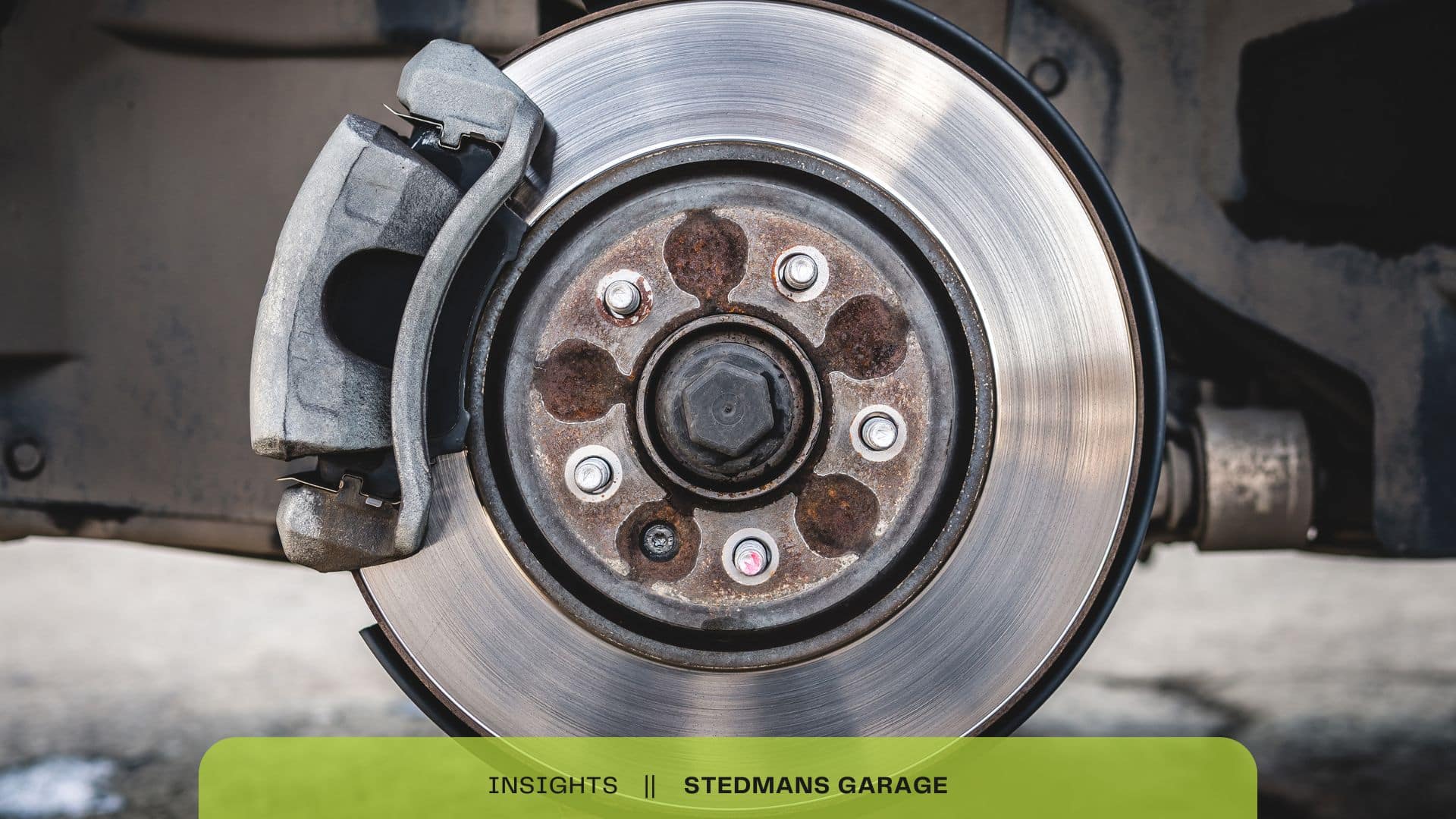
Importance of Brake Checks
Brakes are fundamental for your safety on the road and should be inspected regularly. This inspection includes checking the brake pads, rotors, and fluid levels. Worn-out brake components can lead to disastrous consequences.
What to Look For
As an Audi A3 owner, monitor the following:
- Brake Pads: Look for thickness. If they are less than 3mm, it’s time for a replacement.
- Brake Fluid: Ensure the fluid is clear and at recommended levels. High water content can reduce braking efficiency.
- Unusual Sounds: Pay attention to any squeaking or grinding noises when braking, indicating wear and necessitating immediate inspection.
UK Regulations and Recommendations
In the UK, all vehicles must have functioning brakes. It’s recommended to have your brakes inspected at least annually, particularly if driving in high-traffic urban areas or on hilly terrain.
Tyre Care: The Foundation of Performance

Importance of Tyre Maintenance
Your tyres are the only contact between your vehicle and the road; maintaining them is paramount for performance and safety. Proper tyre care affects fuel efficiency, handling, and overall driving experience.
Key Maintenance Tasks
- Pressure Checks: Regular checks (at least once a month) are essential. Use a quality gauge to ensure they match the manufacturer’s specifications.
- Tread Depth: The minimum legal tread depth in the UK is 1.6 millimetres, but for safety, a minimum of 3 millimetres is recommended. Use a tread depth gauge or the “20 pence test” (if the outer band of the coin is visible when inserted into the tread, it’s time for new tyres).
- Visual Inspections: Look for signs of wear or bulges, which could indicate underlying issues affecting safety.
Weather Impact on Tyres
Given the variable UK weather, especially rainfall and occasional snow, tyre condition may fluctuate. For instance:
- Wet Conditions: Well-maintained tyres with good tread depth will reduce the risk of hydroplaning.
- Colder Weather: Winter tyres may be necessary; they offer better grip in snow and icy conditions.
Battery Maintenance: Staying Powered

Importance of Regular Battery Checks
The battery is essential for starting your vehicle and powering electrical components. A failing battery can leave you stranded and jeopardise your car’s performance.
Tips for Extending Battery Life
- Routine Checks: Inspect battery terminals for corrosion and ensure connections are tight. Clean any build-up with a mixture of baking soda and water.
- Temperature Considerations: The UK’s varying temperatures can affect battery performance. In colder months, consider investing in a battery warmer or checking charge levels regularly.
- Short Drives: Frequent short journeys can drain the battery. Incorporate longer drives into your routine to keep it charged.
Regular voltage testing can help prevent sudden failures, particularly during colder months.
Scheduled Servicing: Following Audi’s Recommendations
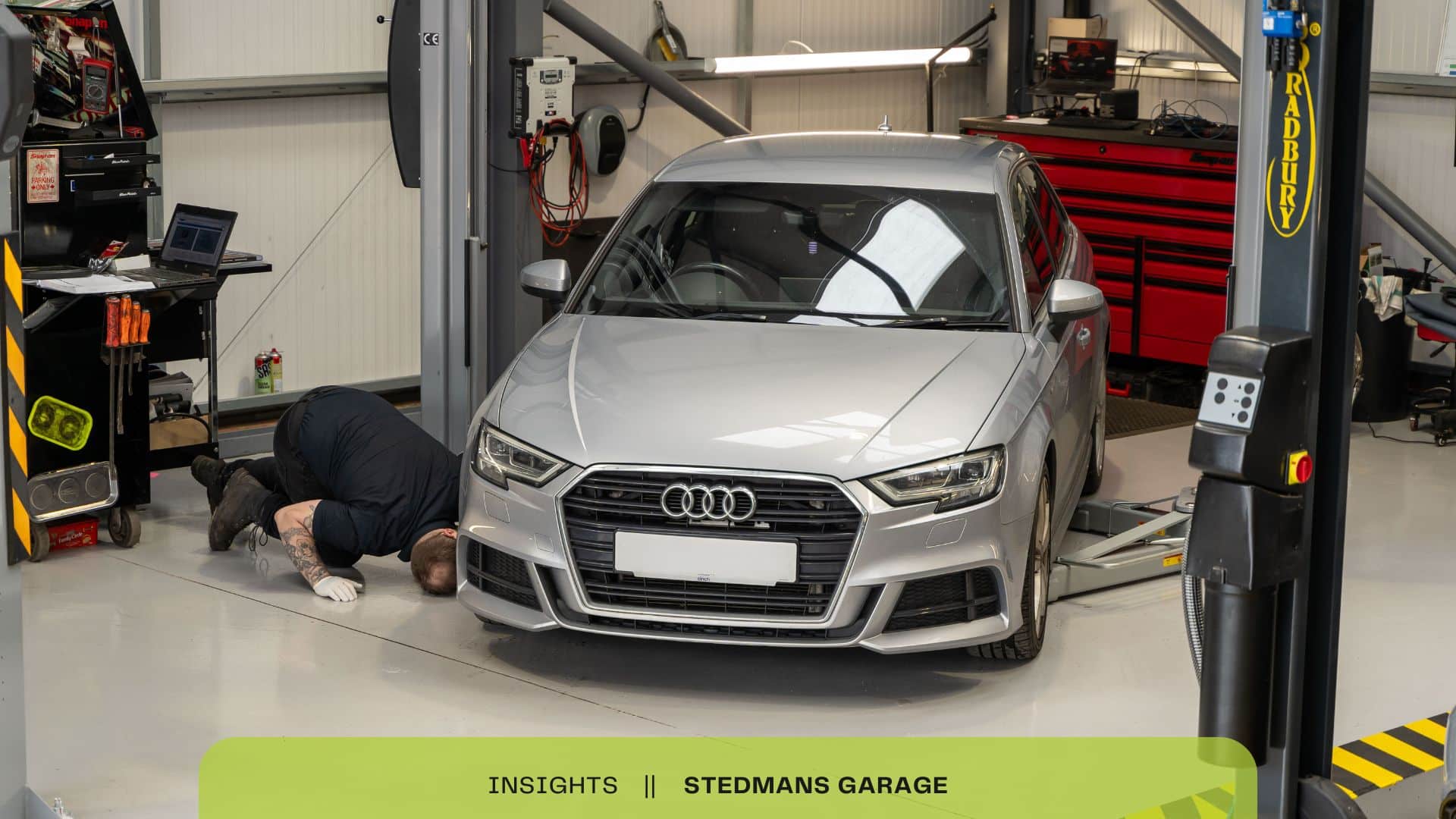
Understanding Scheduled Servicing
Every Audi model comes with a recommended service schedule detailed in the owner’s manual, outlining when to complete specific maintenance tasks. Adhering to this schedule helps identify potential issues before they escalate.
Certified Audi Service Centres vs. Independent Mechanics
Utilising certified Audi service centres has several advantages:
- Technical Expertise: Certified specialists are trained in Audi technology and possess the latest diagnostic tools.
- Warranty Protection: Regular servicing at an authorised centre helps ensure warranty claims are maintained.
While independent mechanics may offer cheaper alternatives, verify they have the necessary knowledge and tools for your Audi A3. Always research before committing to a garage for maintenance.
Actionable Tips Section
For Audi A3 owners in the UK, here are some actionable maintenance tips to ensure your vehicle stays in top shape:
- Checking Oil Levels: Pull out the dipstick and wipe it clean. Reinsert it, then check the oil level. Add oil if it’s below the minimum mark. This should be done monthly, particularly before long trips.
- Monitoring Tyre Pressure: Invest in a digital tyre pressure gauge. Check pressure while tyres are cold (ideally before driving) and inflate or deflate as necessary.
- Brake Inspections: Listen for unusual noises when braking. If brakes feel spongy or unresponsive, have them checked immediately.
- Battery Health: Perform a visual check each month; look for signs of corrosion. Clean any corroded areas with a mixture of baking soda and water.
- Scheduling Professional Servicing: Mark maintenance tasks on your calendar, referring to the owner’s manual for specifics. Plan annual servicing in advance, particularly leading into winter months.
- Check Spark Plugs: Spark plugs should be checked according to the service manual, typically every 20,000 miles. Replace if they show signs of wear or accumulated carbon deposits.
By adopting these simple but effective strategies, you’ll ensure that your Audi A3 remains reliable and enjoyable to drive for many miles to come.
Conclusion
In conclusion, maintaining your Audi A3 is not just a recommendation; it is essential for ensuring its performance, safety, and longevity. Regular checks, from oil changes to brake inspections, can prevent costly repairs down the line and enhance your driving experience. The unique driving conditions in the UK further underscore the necessity of adhering to a structured maintenance schedule.
Start implementing these maintenance tips today to keep your Audi A3 running smoothly. A well-maintained vehicle isn’t just good for your car; it is essential for your peace of mind while driving. Stay proactive, and enjoy the performance and safety that comes from caring for your Audi A3.