Introduction
Owning a Volkswagen is more than just having a reliable mode of transport; it’s about embracing performance and safety. A proper Volkswagen maintenance schedule is critical for ensuring your vehicle lasts and operates at its best. For UK drivers, understanding when and how to maintain your Volkswagen is essential due to the unique climate and road conditions we face.
In this comprehensive guide, we will explore everything you need to know about the Volkswagen maintenance schedule. We’ll look at the specific service intervals for popular models like the Golf and Polo, discuss common maintenance tasks, and weigh the pros and cons of DIY servicing versus professional help. By the end of this blog, you’ll be equipped to keep your VW running smoothly for years to come.
Understanding the Importance of a Volkswagen Maintenance Schedule

What is a Maintenance Schedule?
A maintenance schedule is your roadmap for the service tasks your vehicle needs over time. Following this organised plan plays a significant role in enhancing your car’s performance and safeguarding its safety. Regular maintenance can prevent minor concerns from escalating into major repairs.
Why Is It Crucial for Vehicle Performance and Longevity?
- Improved Performance: Sticking to a regular Volkswagen maintenance schedule helps keep your vehicle running optimally. Tasks like oil changes and brake inspections enhance efficiency, fuel consumption, and overall driving satisfaction.
- Safety: Routine checks reduce the chances of unexpected failures, ensuring safety for both driver and passengers. For instance, neglecting brake inspections may lead to hazardous situations on the road.
- Resale Value: A well-documented maintenance history considerably increases your vehicle’s resale value. Buyers prefer used cars with a proven maintenance record.
- Warranty Compliance: Following the VW maintenance schedule is essential for maintaining your warranty. Missing scheduled services could void your warranty, leaving you liable for costly repairs.
UK-Specific Factors Influencing Maintenance Needs
Climate Considerations
The UK’s maritime climate, characterised by rain, humidity, and occasional frost, affects vehicle performance. Regularly checking brake systems and anti-freeze levels becomes crucial in this environment.
Road Conditions
Road quality in the UK varies, with poorly maintained roads contributing to wear and tear on your vehicle. Frequent driving on pothole-ridden streets may require more regular checks on wheel alignment and suspension.
Overview of the Volkswagen Service Schedule

Basic Service Intervals for Common Models
Volkswagen models like the Golf, Polo, and Passat have recommended service intervals that vary slightly:
- Volkswagen Golf: Requires servicing approximately every 10,000 miles or annually, whichever comes first. This includes an oil change, brake fluid check, and general inspection.
- Volkswagen Polo: Similar to the Golf, the Polo has a service interval of 10,000 miles. However, due to its frequent use for short trips, regular checks on spark plugs and filters are necessary.
- Volkswagen Passat: Generally has a service interval of 12,000 miles, often used for longer distances. This model may require additional checks on turbocharged engines, especially in diesel variants.
Key Maintenance Tasks by Mileage
Maintaining your Volkswagen involves specific tasks at various mileage milestones. Here’s a look at what to expect:
- 10,000 Miles:
- Oil and Filter Change: Replace engine oil and the oil filter with genuine VW parts to maintain protection against engine wear.
- Brake Inspection: Inspect all brake components for wear and tear.
- 20,000 Miles:
- Air Filter Replacement: A clean air filter optimises fuel efficiency and engine performance.
- Tyre Rotation: Ensures even tyre wear, extending their lifespan.
- 30,000 Miles:
- Brake Fluid Change: Essential for maintaining optimal braking performance.
- Spark Plug Inspection: Crucial for petrol engines to ensure efficient engine firing.
Differences Between Petrol and Diesel Engines
Petrol and diesel engines have different maintenance requirements, often due to their operational differences.
- Petrol Engines: Are more sensitive to oil quality. Regular oil changes and thorough inspections of ignition components are vital.
- Diesel Engines: Require checks on fuel filters and a more complex MOT check due to stricter emissions regulations.
Common Maintenance Tasks for Volkswagen Vehicles
Essential Tasks
Regular maintenance not only prolongs your vehicle’s lifespan but also ensures safe driving. Key tasks include:
- Oil Changes: Regularly replace engine oil at recommended intervals to avoid wear. Always use VW-approved oil for optimal performance.
- Tyre Rotation and Alignment: Keep your vehicle balanced. Rotate tyres every 5,000–10,000 miles for even wear, and check alignment if steering issues arise.
- Brake Inspections: Regularly check brake pads and rotors for wear. Replace them when necessary.
- Fluid Level Checks: Daily checks on oil, coolant, brake fluid, and wiper fluid ensure smooth vehicle operation.
Importance of Using Genuine VW Parts
Using genuine Volkswagen parts helps maintain quality and performance. While aftermarket parts may be cheaper, they can compromise your vehicle’s safety and integrity. Genuine parts are specifically designed for VW vehicles, ensuring proper fit and functionality. Moreover, using non-genuine parts can complicate warranty claims, leading to higher costs in the long run.
DIY Maintenance vs Professional Servicing
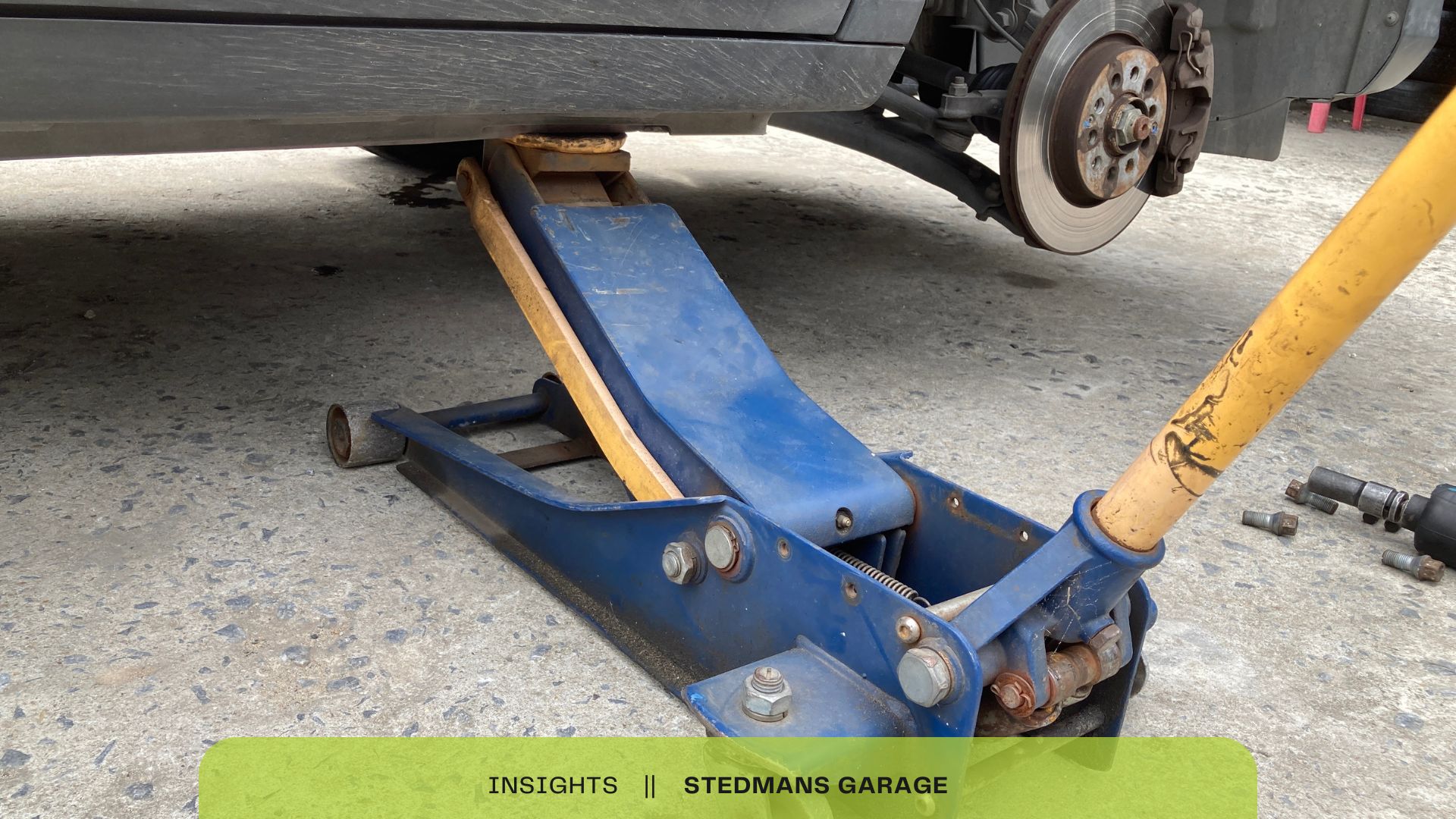
Advantages of DIY Maintenance
- Cost-Effective: Basic tasks like oil changes and wiper blade replacements save on labour costs while only requiring a modest investment in tools.
- Control Over Quality: You have the freedom to choose parts and perform tasks according to your standards.
Disadvantages of DIY Maintenance
- Lack of Expertise: Some maintenance tasks can be complex; inexperienced handling may damage your vehicle.
- Time-Consuming: DIY efforts can lead to longer downtimes compared to professional services, which typically finish tasks faster.
Advantages of Professional Servicing
- Expert Knowledge: Technicians are trained to identify issues that an untrained eye might miss.
- Warranty Protection: Regular professional servicing helps maintain compliance with warranty conditions.
Disadvantages of Professional Servicing
- Cost: Professional services can be pricier, especially if you go to a dealership for genuine parts.
- Trust Issues: Not all service centres deliver the same quality, so it’s critical to choose reputable mechanics.
Cost of Maintaining Your Volkswagen

Approximate Servicing Costs
The cost for maintaining a Volkswagen varies by model, service type, and regional labour rates. Here’s a general overview:
- Volkswagen Golf: Average service costs around £150–£250 for a full service, depending on parts and local labour rates.
- Volkswagen Polo: Maintenance costs range from £120–£200 for service intervals, excluding major repairs.
- Volkswagen Passat: Being a larger vehicle, service costs can range from £200–£300 based on specific services required.
Factors Influencing Maintenance Costs
- Labour Rates: Costs vary by region and service centre, affecting your overall expenses.
- Parts Availability: Genuine VW parts may be more costly but ensure longevity, while aftermarket options can save money upfront but may lead to long-term repairs.
- Complexity of Tasks: Extensive repairs or replacements will increase costs significantly, so always request a quote for non-routine maintenance.
Warranty Considerations and Maintenance
How Following the Maintenance Schedule Impacts Warranty Coverage
Maintaining your warranty while owning a Volkswagen means adhering to the recommended maintenance schedule. Skipping an oil change or neglecting brake checks might void your coverage, exposing you to significant repair costs.
Implications of Using Non-Genuine Parts
While saving money by using aftermarket parts might be tempting, it could jeopardise your warranty compliance. VW’s warranty policy generally requires genuine parts to ensure proper vehicle performance. Non-genuine parts might result in performance issues or pose safety risks, leaving you liable for costs.
Actionable Tips for Creating Your Personal Maintenance Schedule
Establishing a personal maintenance schedule for your Volkswagen lets you take control of your vehicle’s upkeep. Here’s how to set one up:
- Check Manufacturer Recommendations: Review your owner’s manual for specific VW maintenance guidelines tailored to your model.
- Set Up a Maintenance Calendar: Mark key service intervals on a calendar or digital planner to ensure you never miss an appointment.
- Document Completed Services: Keep receipts and records of completed services to track your car’s maintenance history, which will be valuable when selling.
- Use a Reminder App: Free maintenance apps can notify you of upcoming services or vehicle checks.
- Regularly Inspect Your Vehicle: Develop a habit of weekly checks on oil, fluid levels, and tyre pressures to catch minor issues before they escalate.
Conclusion
A well-planned Volkswagen maintenance schedule is essential for UK drivers who aim to maximise their vehicle’s performance, safety, and resale value. Understanding specific service intervals, maintenance tasks, and associated costs empowers you to take ownership of your car’s longevity.
By following these guidelines and implementing a personalised maintenance schedule, you’ll not only keep your vehicle in prime condition but also enjoy years of reliable driving. Start planning your Volkswagen maintenance today for a smoother, more dependable driving experience!