In the realm of vehicle ownership, few aspects are as crucial yet understated as brake maintenance. Ensuring that your vehicle’s brakes are functioning optimally is not just a question of convenience, it significantly impacts performance and, above all, safety. Neglecting care for this vital system can lead to severe consequences, extending far beyond financial implications. This blog post explores the long-term benefits of regular brake maintenance, emphasising its importance in promoting vehicle longevity, enhancing safety, and ultimately saving you money.
Understanding Brake Systems
Components of a Brake System
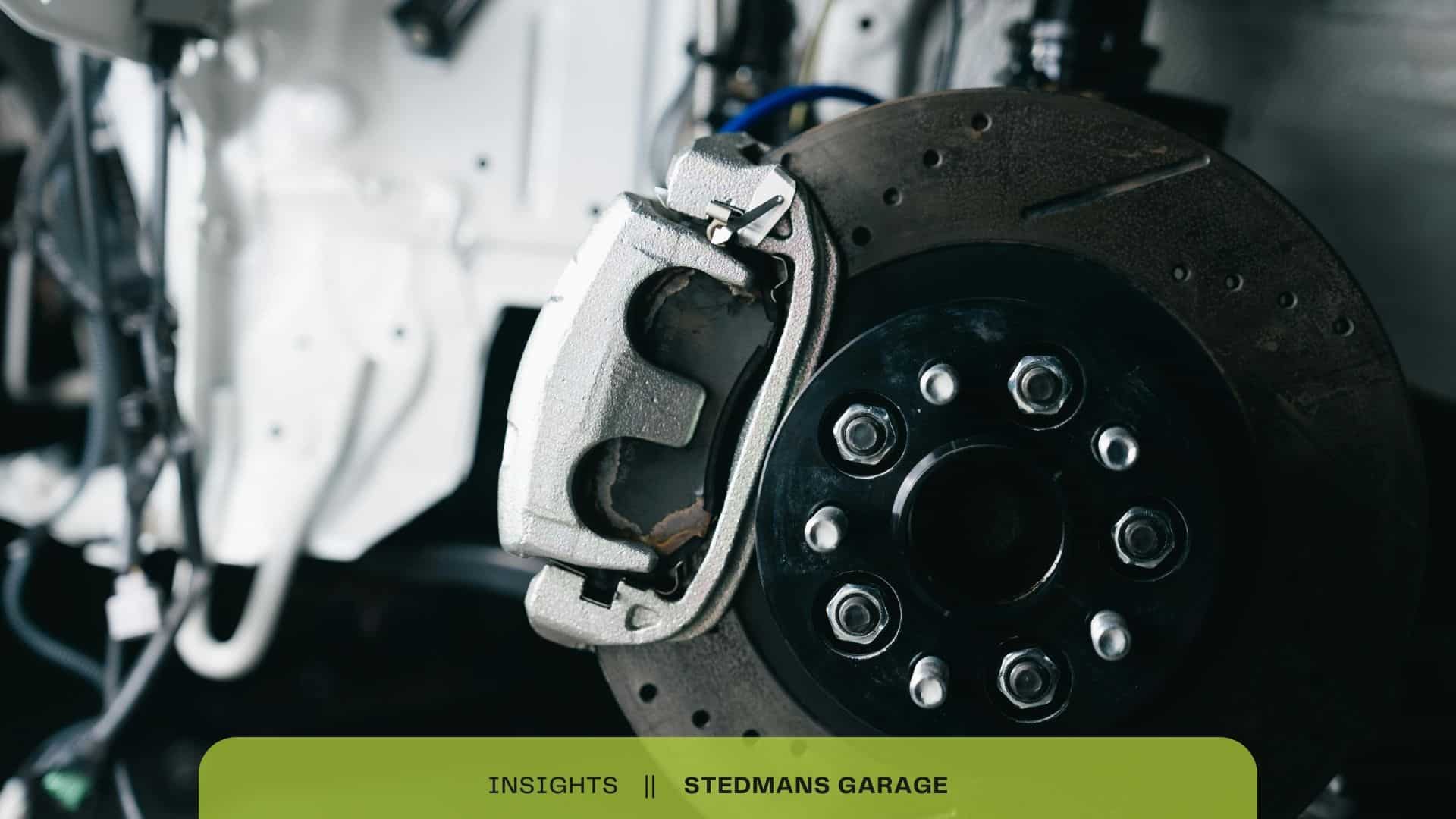
At the heart of every vehicle is its brake system, a complex assembly of components designed to bring your car to a halt when necessary. Key components include:
- Brake Pads: These are the materials that press against the brake discs to slow down or stop the vehicle. Over time, brake pads wear down and need replacing to maintain effective braking.
- Brake Discs (or Rotors): These metal discs are attached to the wheels. When the brake pads are engaged, they grip these discs, creating the friction that slows the vehicle. Discs can warp or become grooved, affecting braking efficiency.
- Brake Fluid: This hydraulic fluid transfers the force from your foot on the pedal to the brake pads. Maintaining an optimal level and quality of brake fluid is essential for effective braking.
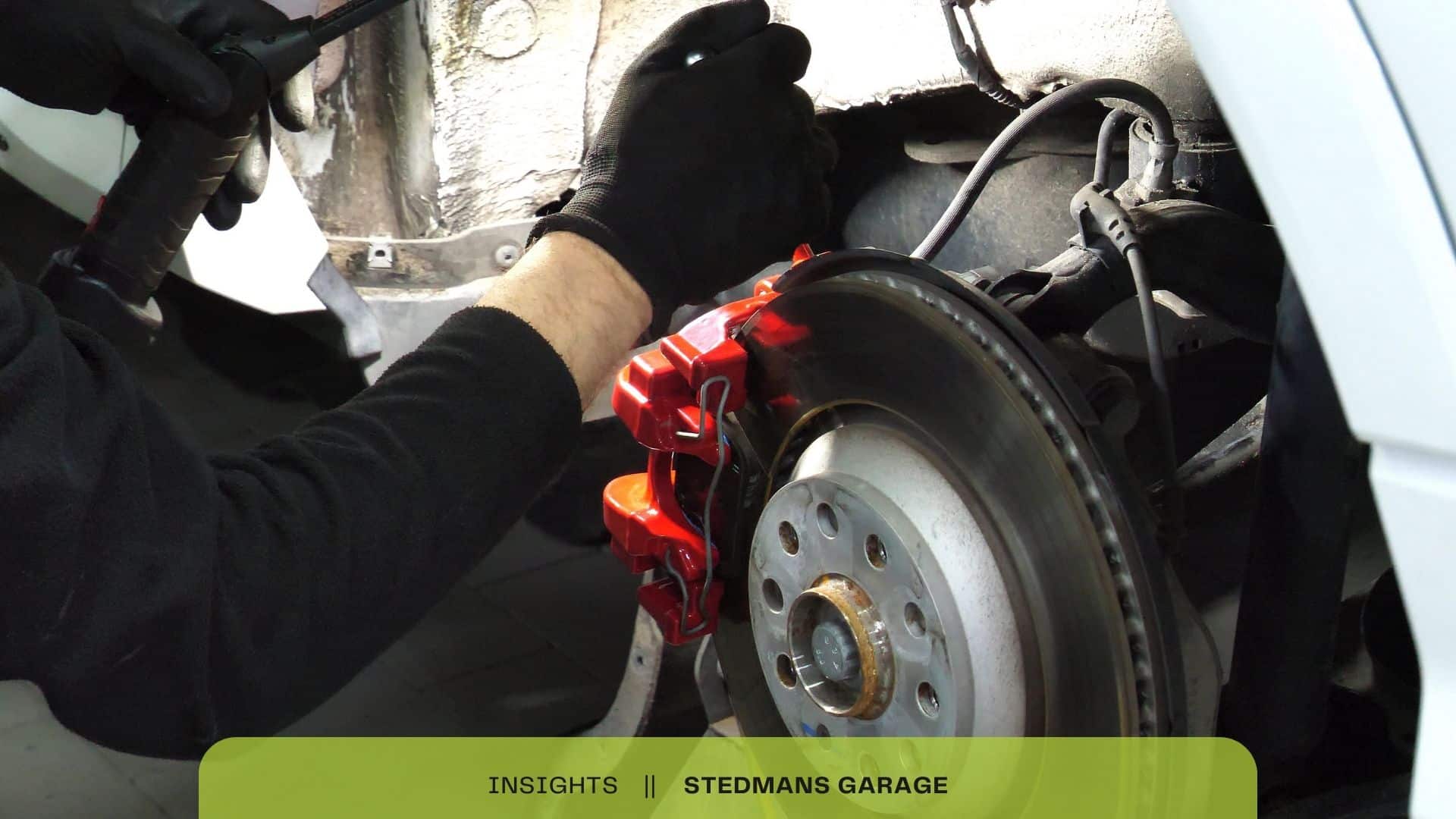
- Calipers: These components house the brake pads and are responsible for pushing them against the brake discs when the brakes are applied.
Understanding these components is vital for vehicle owners, as each plays a crucial role in ensuring effective braking. Together, they form a system that needs consistent attention to function correctly and safely.
Types of Brake Systems
There are primarily two types of brake systems found in vehicles: disc brakes and drum brakes.
- Disc Brakes: More prevalent in modern vehicles, these systems offer superior performance, particularly under heavy braking. The heat generated during braking dissipates quickly through the disc, reducing the risk of brake fade.
- Drum Brakes: While less common in newer models, drum brakes are often found in older cars and the rear wheels of some vehicles. They stop the vehicle using friction but can overheat more quickly than disc brakes, affecting their function.
Recognising which brake system your vehicle uses can help you understand the specific maintenance requirements needed for safe performance.
The Importance of Regular Brake Inspections
Why Regular Inspections Matter
Regular brake inspections are essential to ensure that every component of the brake system is working correctly. Over time, brake pads wear down, and their performance declines, compromising the entire braking system. Routine checks help highlight issues early, preventing what could become significant problems later.
During a typical brake inspection, mechanics will examine:
- The thickness of the brake pads
- The condition of the brake discs
- Fluid levels and quality
- The integrity of the hydraulic system
Preventing Costly Repairs
Identifying brake issues early through inspections can save vehicle owners considerable money in the long run. For instance, failing to replace worn brake pads can lead to damage to the brake discs, requiring more expensive replacements. Moreover, addressing potential issues before they escalate contributes to better overall vehicle efficiency and impacts savings at the pump.
Routine inspections significantly reduce the likelihood of sudden brake failure, a scenario that can lead to accidents, injuries, or even fatalities, severely jeopardising vehicle safety.
The Impact of Brake Maintenance on Vehicle Longevity
Enhancing Overall Vehicle Health
Consistent brake maintenance plays a critical role in the overall health of a vehicle. Not only does it increase the lifespan of the brake components themselves, but it also affects other areas. A well-maintained brake system reduces stress on various vehicle parts, including:
- Tyres: Properly functioning brakes ensure even wear on tyres.
- Suspension: Regular maintenance prevents undue stress on the suspension, maintaining its integrity over time.
- Fuel Efficiency: A vehicle that stops efficiently requires less energy to do so, enhancing fuel economy.
The Consequences of Neglect
Conversely, neglecting brake maintenance can strain other vehicle components. For instance, if your brake pads wear down completely, the metal backing can damage the rotors, increasing replacement costs. Furthermore, a poorly maintained brake system can lead to excessive wear on the suspension, transmission, and engine.
Financial Benefits of Regular Brake Maintenance
Proactive Cost Management
Investing in regular brake maintenance can yield significant financial benefits over time. Many vehicle owners may see maintenance as an added expense; however, it is essential to view it as an investment in vehicle health.
For example, the cost of replacing brake pads and fluid is relatively minor compared to the expenses associated with a complete brake system replacement due to neglect. Additionally, owners who keep thorough service records may enhance their vehicle’s resale value; buyers are more likely to choose a vehicle with a well-documented maintenance history.
Insurance Costs
Moreover, a well-maintained vehicle reduces the likelihood of accidents, impacting insurance premiums significantly. Vehicles with a history of accidents may attract higher insurance rates, making regular maintenance a financially sound decision for the long term.
Enhancing Safety Through Brake Maintenance
The Relationship Between Brake Care and Safety
Nothing is more critical than the safety of vehicle owners and their passengers. Regular brake maintenance plays a vital role in keeping everyone safe on the road. Poorly maintained brakes can lead to malfunctions, resulting in unexpected stops or inadequate stopping distances, creating hazardous situations.
Consequences of Brake Failure
The consequences of brake failure can be severe. Instances of brake failure can lead to accidents that may result in injuries or loss of life. Additionally, the legal implications of failing to maintain a vehicle can also be serious. A failure to keep a vehicle in a safe working order can result in penalties, increased insurance costs, and potential liability in case of an accident.
Legal Obligations and Vehicle Safety
In many jurisdictions, vehicle owners are responsible for ensuring their vehicles are roadworthy. Regular safety checks ( including brake inspections ) enhance personal safety and protect against legal repercussions. Proper brake maintenance ensures compliance with safety standards.
Conclusion
In summary, the long-term benefits of regular brake maintenance cannot be overstated. The relationship between brake care and vehicle safety is clear, as is its impact on vehicle longevity and financial considerations. Consistent maintenance of your brake system is essential not just for ensuring optimal vehicle performance but also for enhancing overall safety on the road.
By prioritising brake maintenance, you not only protect yourself and others but also contribute to the longevity and efficiency of your vehicle. It’s an investment worth making, one that pays dividends in performance, safety, and peace of mind. Start prioritising brake maintenance today; it is a crucial step toward becoming a responsible vehicle owner.