The revolution in the automotive industry brings a variety of innovations, efficiency, and cutting-edge technology. However, even the most advanced electric vehicles, such as those produced by Tesla, can encounter challenges. For Tesla owners, potential buyers, and automotive enthusiasts across the UK, understanding these common issues is essential for a smooth ownership experience. This comprehensive guide will examine the top ten common problems you may face with your Tesla and provide actionable insights on how to tackle them effectively.
By the end of this blog post, you will gain valuable insights into the most prevalent issues affecting Tesla vehicles, their implications, and ways to manage them better. Understanding Tesla battery issues, software glitches, and other concerns can help transform your ownership experience into a more enjoyable and efficient journey.
Overview of Common Tesla Issues

Common Tesla problems can largely be categorised into technical issues, those concerning hardware and software, and non-technical factors, such as customer service experiences and maintenance needs. Recognising and understanding these underlying problems is crucial for prospective buyers and existing owners alike.
Importance of Awareness: Understanding common Tesla issues enables potential buyers to make informed decisions, while current owners can take proactive steps to minimise complications efficiently.
Technical vs Non-Technical: Technical problems often affect performance, while non-technical issues can harm customer satisfaction and the overall ownership experience.
In the following sections, we will explore ten common Tesla problems that UK owners may encounter, providing you with strategies to overcome them.
Top 10 Common Tesla Issues
1. Battery Degradation
Definition and Impact:
Battery degradation refers to the gradual loss of battery capacity and efficiency over time. This issue not only affects driving range but may also impact overall vehicle performance.
Advantages:
- Long Lifespan: Tesla batteries are designed to last significantly, often upwards of eight years with proper use.
- Technology Advancements: Improvements in battery technology are rolled out continually through software updates.
Disadvantages:
- Reduced Range: Owners may notice a decline in range, especially in older models.
- High Replacement Costs: Should battery replacement be necessary, it can be quite expensive.
Statistics:
Recent studies indicate that Tesla’s battery degradation in the UK averages about 5% after the first 50,000 miles. Understanding this statistic is vital for owners planning long-distance trips.
2. Software Glitches

Common Issues:
Tesla’s reliance on software allows for over-the-air updates but has also resulted in various glitches that can hinder functionality.
Examples:
- Inconsistent navigation performance, leading to missed turns.
- Problems with the mobile app hindering remote access, such as pre-conditioning or locating the vehicle.
Comparison:
Compared to traditional automakers, Tesla’s software updates are more frequent and dynamic, although competitors are gradually catching up, making these glitches a concern for many users.
3. Charging Problems
Common Issues:
Charging difficulties may arise both at home and in public areas, including slow charging rates or failure to connect to charging stations.
Home Charging Setup:
- Regular Checks: Ensure your home charging unit is installed correctly and maintained, as poor installation can lead to slow charging.
Public Charging Challenges:
- Actionable Tips: Use apps that monitor the availability and status of charging stations to avoid potential disappointments.
By consistently using the right tools, such as a charging network app, Tesla owners can drastically reduce these inconveniences.
4. Hardware Failures
Common Problems:
Hardware-specific issues, including malfunctioning door handles and problematic sensors, can be prevalent among Tesla vehicles.
Real-World Examples:
Many UK drivers have reported issues with automatic door handles freezing in cold weather, leading to accessibility concerns during winter.
Actionable Insights:
Routine maintenance checks can help prevent these issues. Regular inspection of hardware components is advisable.
5. Tire Wear and Maintenance
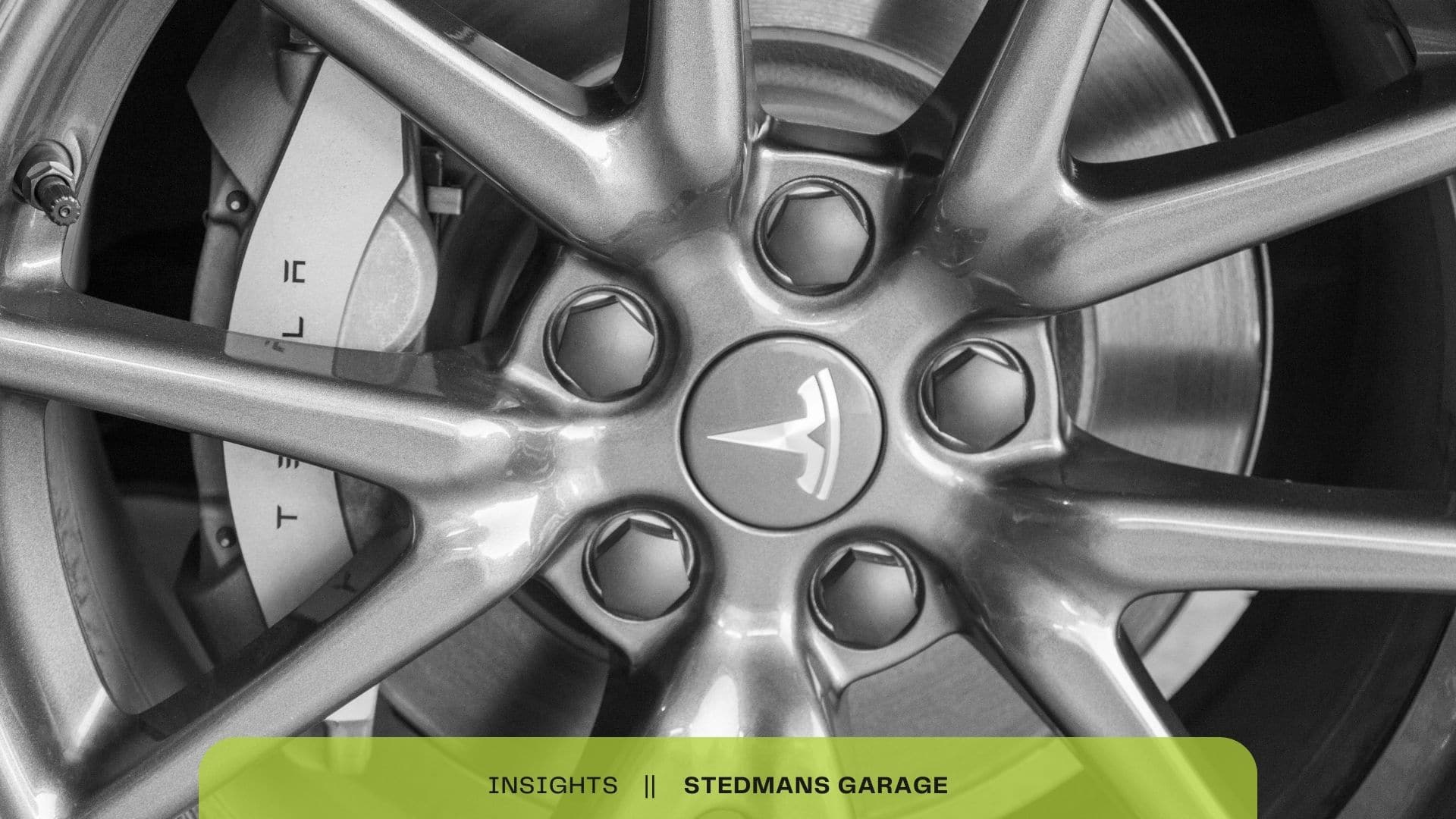
Unique Wear Patterns:
Tesla vehicles, particularly those with dual motors, may experience unique tire wear patterns due to their torque and weight distribution, leading to uneven wear that requires more frequent replacements.
Maintenance Tips:
- Rotate tires every 5,000 to 7,000 miles to even out wear.
- Consistently monitor tire pressure, as electric vehicles may experience more rapid loss.
Insights:
Investing in premium tires specifically designed for electric vehicles can also prolong their lifespan.
6. Autopilot Limitations
Common Driver Concerns:
While Tesla’s Autopilot feature is revolutionary, it has limitations that can frustrate drivers, especially in urban settings with complex driving conditions.
Scenarios:
- Sudden road changes, traffic, and weather conditions can confuse the system.
Tips:
Familiarise yourself with Autopilot’s capabilities and limitations; using the feature in simpler driving conditions can enhance safety.
7. Over-the-Air Updates and Their Challenges
Benefits:
Tesla frequently rolls out over-the-air software updates that can enhance vehicle performance and introduce new features seamlessly.
Potential Pitfalls:
However, these updates may occasionally introduce new issues, leading to bugs or reduced functionality.
Action Points:
- Always ensure your vehicle is updated to the latest version, but if problems arise, reverting to the previous software version might help.
8. Interior Quality Concerns
Feedback:
While Tesla’s minimalist design appeals to many, there are frequent complaints regarding material quality, especially concerning seats and dashboard finishes.
Comparison:
Many competitors in the UK electric vehicle market offer interiors considered more luxurious.
Actionable Tips:
Consider investing in additional customisation options for improving interior build quality and comfort.
9. Warranty and Service Challenges
Warranty Issues:
Understanding Tesla’s warranty coverage can be complex. Many owners find themselves confused about what is covered and for how long.
Service Challenges:
Scheduling a service visit can be tedious due to high demand; thus, planning ahead is essential.
Advice:
Familiarise yourself with warranty coverage and be proactive about claiming service when needed.
10. Customer Service Experiences

Insights:
While some Tesla owners report satisfactory experiences, others encounter challenges, ranging from long wait times for support to frustrations with repair services.
Common Complaints:
Inconsistencies in customer service can lead to disappointment, especially in emergencies.
Recommendations:
Owners should be persistent and articulate about their concerns, using multiple platforms for communication if initial attempts do not yield results.
Actionable Tips for UK Tesla Owners
Understanding common Tesla issues helps ensure effective ownership experiences. Here is a handy guide with actionable tips:
- Monitor Battery Health:
- Regularly check battery performance in the vehicle settings.
- Schedule a service visit if degradation appears excessive.
- Stay Updated:
- Enable automatic software updates to ensure you receive the latest features and bug fixes.
- Frequently check release notes for any known issues.
- Installation Check for Home Chargers:
- Hire certified electricians for home charger installation to sidestep complications.
- Verify charging speed regularly.
- Routine Maintenance of Hardware:
- Inspect hardware components monthly.
- Regularly clean door handles and sensors to ensure proper operation.
- Tire Maintenance:
- Rotate tires regularly and maintain optimal pressure.
- Invest in high-quality tires designed for electric vehicles.
- Understand Autopilot Limitations:
- Use Autopilot primarily on highways.
- Keep your hands on the steering wheel and be prepared to take control when necessary.
- Leverage Over-the-Air Updates:
- Ensure you have a good Wi-Fi connection during updates.
- Monitor for issues a few days post-update and check online forums for similar experiences.
- Interior Quality Care:
- Use protective substances for interior maintenance.
- Purchase quality aftermarket pieces to enhance the interior if desired.
- Review Warranty and Repair Coverage:
- Keep an updated record of warranty documentation and services performed.
- Ensure you know the process for filing a service request.
- Communicate Effectively with Customer Service:
- Document interactions with customer service for clarity.
- Engage with official Tesla forums or communities for advice when facing service challenges.
Conclusion
Navigating the journey of Tesla ownership can have its bumps. However, being aware of common Tesla issues equips you with the knowledge necessary to proactively tackle concerns such as battery degradation, software glitches, and charging problems.
For current and prospective owners in the UK, being informed and prepared makes all the difference. By understanding and addressing these common issues, you can enhance your driving experience and maximise the benefits of your electric vehicle ownership.
Share your experiences with common Tesla issues in the comments below, and let’s connect on optimising the Tesla ownership journey! Ready to conquer those common challenges? It all begins with knowledge!