
Introduction
Understanding the mechanical problems associated with the Land Rover Defender is vital for owners, prospective buyers, and automotive enthusiasts alike. Known for its rugged design and remarkable off-road capabilities, the Defender, like any vehicle, can encounter its share of issues. Familiarity with these common problems can help you take preventative measures, ensuring your vehicle remains in peak condition. This blog will delve into the top ten common Land Rover Defender problems, offering insights and actionable advice specifically tailored for UK owners.
We’ll examine the Defender’s mechanical design and explore prevalent issues such as engine troubles, transmission concerns, suspension problems, electrical system failures, and brake system issues. Additionally, we’ll highlight the importance of regular maintenance, what to do when problems arise, and strategies to keep your Defender in excellent shape. By carefully navigating these topics, you’ll be well-equipped to make informed decisions about your beloved Land Rover.
Overview of the Land Rover Defender’s Mechanical Design

The Land Rover Defender boasts an impressive mechanical design, characterised by durability and functionality. Engineered for both off-road adventures and on-road compatibility, it features a robust chassis, high ground clearance, and practical components that ensure resilience across various terrains.
Mechanical Components and Features
Key components of the Defender’s design include:
- Chassis and Suspension: A sturdy steel ladder chassis supports heavy loads and withstands extensive off-road driving. The suspension, which features either coil springs or air springs, depending on the model, provides comfort and handling both on and off-road.
- Drive System: Most models come with a four-wheel-drive system equipped with a locking centre differential, enhancing traction on slippery surfaces.
- Powertrains: Variants are powered by either petrol or diesel engines, providing various displacement options and horsepower to cater to different driving needs.
Historical Context
Since its inception in 1948 as the Series I, Land Rovers have been synonymous with adventure and reliability. Each model has evolved while maintaining the brand’s core design philosophy, making them a favourite among enthusiasts and collectors. A well-maintained Defender not only offers reliability but also retains its value remarkably well, solidifying it as a worthy investment.
Common Mechanical Problems in Land Rover Defenders

Engine Issues
- Oil Leaks: One of the most prevalent issues faced by Land Rover Defender owners is oil leaks, primarily due to worn gaskets and seals. These leaks can lead to significant engine damage if not addressed quickly. For instance, many owners report that the 2015 Defender consistently faces leaking issues from the rear main seal, as noted in UK forums.
- Coolant Problems: Another common engine-related issue is coolant leaks. Failing coolant hoses can lead to overheating, which can severely damage the engine. A 2016 model was reported to experience persistent coolant leaks that necessitated extensive repairs.
- Engine Management Faults: Problems with the engine control unit (ECU) can cause reduced performance and increased exhaust emissions. Owners frequently report a stubborn “Check Engine” light, prompting costly diagnostic tests that may not yield immediate resolutions.
Transmission Troubles
- Manual vs. Automatic Gearbox Concerns: Both manual and automatic gearboxes have their unique challenges. Manual gearboxes often face clutch wear issues, particularly if the owner regularly uses the vehicle in challenging off-road situations. UK drivers’ anecdotes reveal that regular inspections and timely replacements can mitigate clutch-related failures.
Conversely, automatic gearbox owners frequently report transmission fluid leaks, especially around the seals. Failure to address minor leaks can lead to total transmission replacements, as documented in various case studies.
Suspension Problems
- Component Failures: Suspension-related issues often manifest as excessive noise or reduced ride comfort. Common failures include worn springs and dampers, which can negatively affect handling, particularly on uneven UK roads. Owners have noted performance differences depending on whether their vehicle is primarily used on-road or off-road.
- Terrain Impact: In the UK, where roads can be uneven and filled with potholes, the stress on suspension components can be significant. One owner reported recurring spring failures despite regular maintenance, primarily due to excessive off-road use without adequate adjustments.
Electrical System Failures
Electrical failures can be frustrating and may lead to unpredictable vehicle performance. Common issues include:
- Wiring Problems: Faulty wiring can cause diverse symptoms, from failed headlights to issues with instrument clusters. Resolving wiring faults often leads to improved vehicle reliability.
- Battery Failures: In colder climates typical to the UK, batteries can drain more quickly. Regular battery testing and replacement can help prevent unexpected breakdowns.
Brake System Failures
Common brake-related issues are of particular concern due to their direct impact on safety. Issues may include:
- Advanced Wear: Brake pads and discs can wear down prematurely, especially if the Defender is frequently loaded or used for towing. Reports from UK owners indicate that consistent inspections can help alleviate this risk.
- Hydraulic Problems: Brake fluid leaks can reduce braking capability. Owners are advised to check their fluid levels regularly and respond promptly to warning lights.
Exhaust System Concerns
Although not as frequently reported, exhaust problems can lead to serious repercussions if left unaddressed. Common issues include:
- Failing Catalytic Converters: These components can negatively impact engine efficiency and lead to increased emissions. Compliance with UK regulations requires owners to maintain exhaust systems to avoid fines.
- Muffler Issues: A worn-out muffler can result in excessive noise. Posts on Land Rover forums indicate that muffler replacements tend to enhance both performance and vehicle aesthetics.
Advantages of Regular Maintenance for Land Rover Defenders
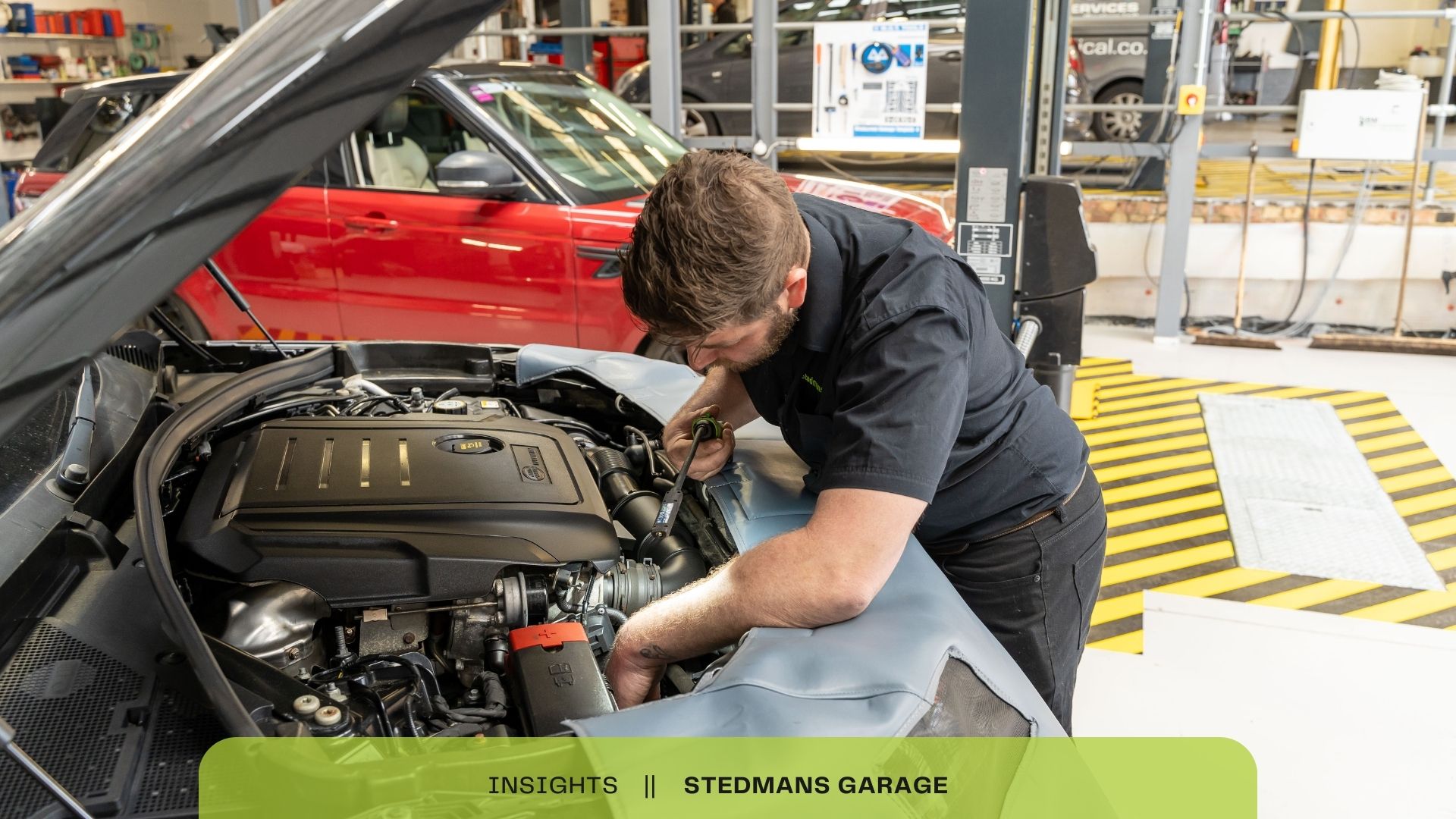
Understanding and adhering to a maintenance schedule can significantly reduce the likelihood of encountering common Land Rover Defender problems. The benefits of regular maintenance include:
- Prevention of Major Repairs: Regular checks can identify issues before they necessitate extensive, costly repairs.
- Improved Reliability: A well-maintained Defender is less likely to experience breakdowns, providing peace of mind for the owner.
- Better Resale Value: Keeping a comprehensive maintenance record increases the vehicle’s resale value, making it an attractive offer for prospective buyers.
Setting Up a Maintenance Routine
Owners should consider implementing a straightforward maintenance routine:
- Regular Inspections: Schedule inspections both during and after the driving season.
- Fluids Management: Routinely check and replace oils, brake fluids, and coolant.
- Parts Replacement: Keep track of wear-and-tear parts and plan replacements in advance.
What to Do if You Encounter These Problems

When a Land Rover Defender owner encounters issues, having a troubleshooting strategy is vital:
Troubleshooting Steps
- Identify Symptoms: Observe and document any symptoms the vehicle exhibits.
- Consult Resources: Use reputable forums, manuals, or professional advice to distinguish between simple fixes and those requiring expert intervention.
- Prioritise Safety: If you suspect a severe issue, particularly with the brakes or steering, avoid driving the vehicle until it has been assessed.
When to Seek Professional Help
Seeking professional assistance early can often save you money down the line. If a problem persists after following basic troubleshooting steps, consider consulting:
- Local Repair Shops: Look for specialists focusing on Land Rovers.
- Official Dealerships: Although often more expensive, they provide brand-specific expertise.
Cost Implications
Repair costs can vary widely depending on the nature of the problem and labour rates. Minor issues, such as oil changes, can be relatively inexpensive, while engine or transmission repairs can run into thousands of pounds. Be prepared to budget accordingly and research available options.
Actionable Tips for UK Land Rover Owners
To maintain your Defender proactively, consider the following strategies:
- Check Engine Oil Levels Regularly: Low oil can cause severe engine damage. Use high-quality oil specific to your Defender model.
- Inspect Brake Pads and Discs: Replace them promptly at the first signs of wear to ensure safety.
- Keep the Battery Clean: Regularly check terminals for corrosion and clean them when necessary.
- Monitor Coolant Levels: Periodically inspect coolant levels and top up with the appropriate mix to prevent overheating.
- Test Suspension in Different Conditions: Pay attention to how the vehicle handles on- and off-road to identify necessary repairs.
Conclusion
In conclusion, staying informed about common Land Rover Defender problems is essential for owners wishing to maintain their vehicle’s reliability and performance. Regular maintenance, knowledge of potential mechanical issues, and proactive troubleshooting will ensure that your Defender remains a trustworthy companion for years to come.
As a proud Land Rover Defender owner, take charge today, routinely check your vehicle for any signs of the problems discussed above, and do not hesitate to seek professional assistance when needed. This proactive approach will not only protect your vehicle but also enhance its longevity, reliability, and resale value.