As a UK Ford owner, being aware of the common engine problems that can affect your vehicle is essential for ensuring its longevity and performance. Ford vehicles are known for their reliability, but they can occasionally encounter engine issues that, if left unaddressed, may lead to costly repairs or severe damage. This comprehensive guide explores the top ten common Ford engine problems, their causes, solutions, and practical maintenance tips to help you keep your Ford running smoothly. Understanding these issues will not only improve your vehicle’s performance but also enhance your driving experience.
Understanding Common Ford Engine Problems
Engine problems refer to any malfunction affecting functionality and performance. As a Ford owner, recognising these issues is crucial because they can significantly impact fuel efficiency, driving comfort, and safety. When facing engine issues, drivers might notice symptoms such as unusual noises, lost power, or warning lights on the dashboard. Identifying these problems early can save on repair costs and prevent irreversible damage to your vehicle.
Engine problems can stem from various sources, including faulty components, wear and tear due to mileage, and improper maintenance. Consequently, vigilant oversight and a proactive approach to vehicle upkeep are essential to avoid serious Ford repairs. In this section, we will explore the most common engine problems that Ford drivers in the UK may encounter.
Top 10 Common Ford Engine Problems
1. Oil Leaks: Causes and Solutions
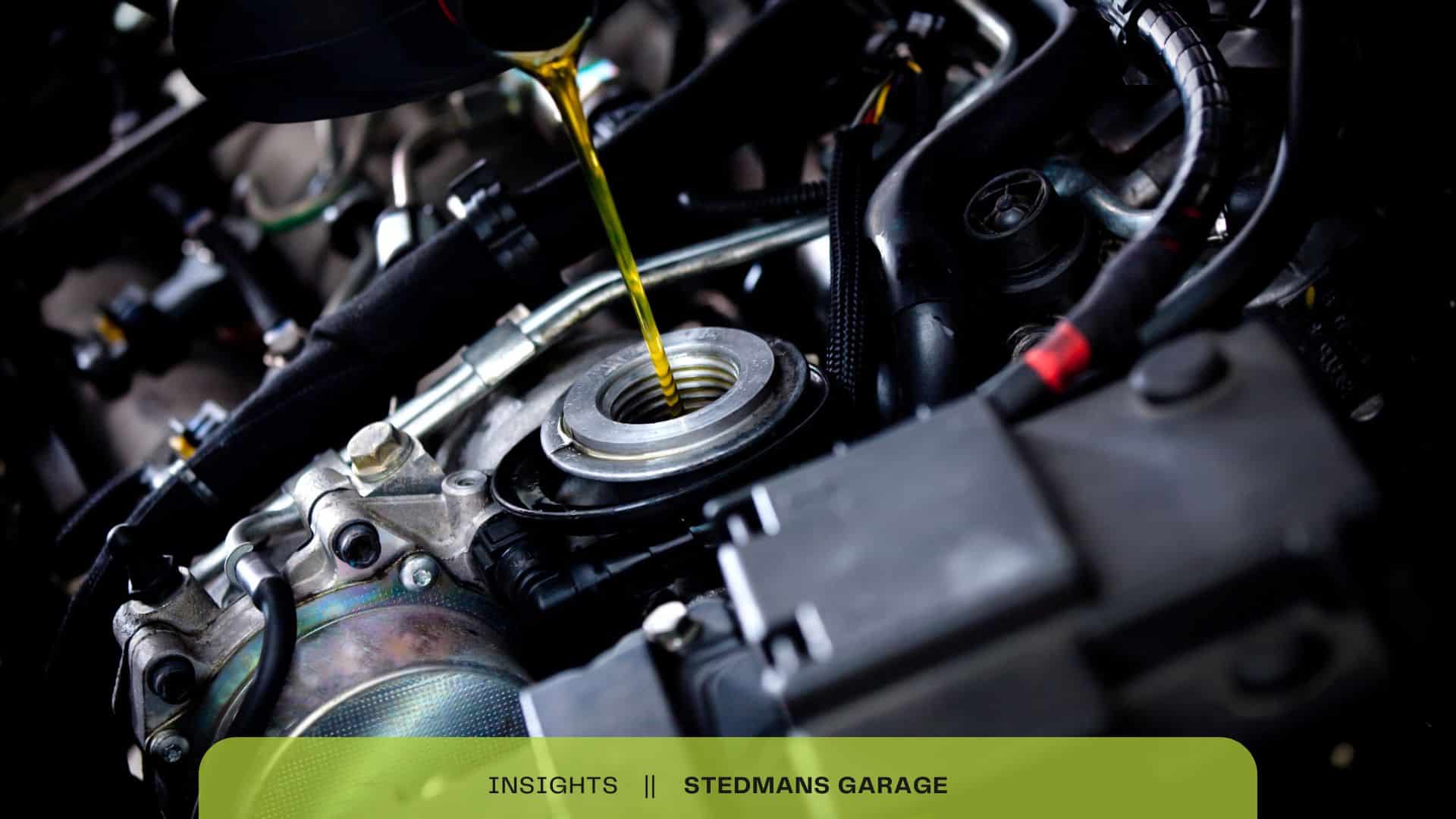
Causes of Oil Leaks:
Oil leaks in Ford engines can occur due to worn-out gaskets, seals, or various engine components. A common cause is a failed valve cover gasket, allowing oil to seep out. Other potential culprits include loose oil drain plugs and deteriorating oil pan seals.
Symptoms:
Signs of an oil leak include oil spots on the ground beneath your parked vehicle, a burning oil smell, or low oil levels detected via the dipstick.
Solutions:
To resolve oil leaks, you first need to identify the source through regular visual inspections of the engine bay. If you detect a leak, replacing the faulty gasket or seal is usually sufficient. For significant leaks, consult a professional mechanic for a thorough examination.
2. Overheating: Symptoms and Remedies
Understanding Overheating:
Overheating occurs when the engine exceeds its normal operating temperature, which can lead to severe damage if not addressed. Common causes include low coolant levels, a malfunctioning thermostat, or a failing water pump.
Symptoms:
You may notice the temperature gauge rising into the red zone, steam from under the bonnet, or a hot smell.
Remedies:
To prevent overheating, routinely check coolant levels and hose conditions. If overheating occurs, allow the engine to cool before checking coolant levels. Refill if low, but consult a mechanic about constant coolant loss.
3. Misfiring Engines: Causes and Fixes
What Causes Engine Misfires?
Engine misfires can result from issues with the ignition system, such as faulty spark plugs or ignition coils. Other causes include fuel delivery issues like clogged fuel injectors or a failing fuel pump.
Symptoms:
Engine misfires may present as stuttering during acceleration, rough idling, or a reduction in power.
Fixes:
Diagnosing a misfire typically involves checking the spark plugs and ignition coils for wear. If these components function well but the issue persists, evaluate fuel injectors or employ a fuel system cleaner.
4. Timing Belt Issues: Importance of Maintenance
The Role of the Timing Belt:
The timing belt is critical for synchronising the camshaft and crankshaft in an engine. Neglecting its maintenance can lead to severe engine damage, particularly if it snaps.
Symptoms:
Signs of timing belt issues include rattling noises from the engine, difficulty starting, or misaligned timing marks.
Maintenance Importance:
Regular inspections are critical. It is advisable to replace the timing belt every 60,000 to 100,000 miles, depending on your specific Ford model. Keeping this component in check is essential to prevent catastrophic engine failure.
5. Faulty Fuel Injectors: Signs and Solutions
Understanding Fuel Injector Issues:
Fuel injectors deliver fuel into the engine. They can become clogged or fail due to carbon deposits, contaminants, or electrical problems.
Symptoms:
Signs of faulty fuel injectors include reduced fuel efficiency, engine misfires, and decreased performance.
Solutions:
Cleaning or replacing fuel injectors often resolves these issues. Using fuel additives designed to clean injectors can also prevent clogs.
6. Engine Stalling: Common Causes
What Causes Stalling?
Engine stalling may arise from fuel delivery issues, electrical problems, or even a failing battery. Identifying the root cause is essential to rectify the problem.
Symptoms:
If your engine stalls unexpectedly while driving or struggles to start, it indicates a potential issue.
Advice for UK Drivers:
Regularly check components of the fuel system, ensure your battery is functioning, and listen for unusual noises that might indicate failing systems.
7. Check Engine Light: Diagnosis and Action Steps

Understanding the Check Engine Light (CEL):
The CEL can illuminate for various reasons, ranging from minor issues to severe engine malfunctions. Sophisticated onboard diagnostics systems can indicate the problem source.
What to Do:
When the CEL lights up, first check the service manual for your vehicle model. Using an OBD-II scanner can provide specific diagnostic codes to help pinpoint the issue.
8. Exhaust Problems: Identifying Issues Early
Understanding Exhaust Problems:
Exhaust issues may include leaks or blockages, affecting engine performance and emissions.
Symptoms:
Signs include loud exhaust noise, decreased engine power, and the appearance of the check engine light.
Early Identification:
Perform regular checks on your exhaust system for cracks or rust. Addressing these problems promptly can improve performance and minimise environmental impact.
9. Turbocharger Failures: Understanding the Risks
Common Turbo Problems:
Turbocharged Ford vehicles are at risk for various issues, including oil starvation leading to turbo failure or excessive boost pressure.
Symptoms:
You may experience a loss of power, unusual noises from the turbo area, or a constant check engine light.
Addressing Turbo Issues:
Regular oil changes and ensuring turbo components are well-maintained will mitigate risks. For persistent issues, consult a professional for a complete assessment.
10. Coolant Leaks: Prevention and Repair
Identifying Coolant Leaks:
Coolant leaks may stem from worn hoses, malfunctioning water pumps, or radiator issues.
Symptoms:
Look for puddles under your car, overheating engines, or low coolant levels in the reservoir.
Prevention & Solutions:
Inspect your coolant system routinely for wear and tear. Replace damaged hoses immediately to avoid leaks. Seek professional assistance for consistent coolant loss.
Preventing Ford Engine Problems: Maintenance Tips

To maintain your Ford’s performance and prevent engine problems, adhere to these essential maintenance tips:
- Regular Oil Changes: Change the engine oil according to the manufacturer’s schedule for optimal lubrication.
- Check Coolant Levels: Regularly inspect and maintain proper coolant levels for efficient engine operation.
- Inspect Belts and Hoses: Routine checks on belts and hoses can prevent unexpected breakdowns.
- Use Quality Fuel: Using high-quality fuel can help prevent injection and combustion issues.
Actionable Tips Section
To actively promote vehicle longevity, here’s a step-by-step guide tailored for UK drivers:
- Schedule Regular Servicing: Create a maintenance schedule with your local garage or dealer, based on recommended intervals for your specific model.
- Listen for Unusual Noises: Be attuned to any abnormal sounds from your engine. Early detection can save you money on repairs.
- Stay Informed on Recalls: Regularly check for recalls related to your Ford model to ensure compliance with necessary repairs and upgrades.
- Join Online Forums: Participating in forums and communities can provide tips and insights from fellow Ford owners experiencing similar issues.
Benefits of Being Proactive
Being proactive with your vehicle maintenance means fewer unexpected breakdowns, lower repair costs, and ultimately, a safer driving experience.
Conclusion
Understanding and addressing Ford engine problems is crucial for every UK driver. From oil leaks and overheating to faulty fuel injectors and exhaust issues, the importance of recognising these common faults cannot be overstated. By maintaining your Ford and adopting a proactive approach, you can prevent many of these issues from escalating. Don’t wait for problems to arise; stay proactive to ensure your Ford runs smoothly, book a service today!