Introduction
As a Mini Cooper owner or potential buyer in the UK, understanding common problems with these iconic vehicles is crucial for both new and seasoned drivers. The Mini Cooper, known for its timeless design and spirited driving experience, can sometimes exhibit issues typical to its unique engineering. This blog aims to highlight these issues, providing you with actionable insights to enhance your vehicle’s longevity and performance.
We will explore various aspects of Mini Cooper ownership, from common engine troubles to electrical failures, along with maintenance strategies that can help mitigate these issues. By the end of this guide, you will be equipped with knowledge to tackle common Mini Cooper problems head-on.
Overview of Mini Cooper and Its Popularity

Mini Coopers have held a special place in the hearts of UK drivers since their launch in the 1960s. Known for their compact size, exceptional handling, and distinct styling, these vehicles excel in city driving and navigating narrow streets. Their cultural status has transformed them into symbols of British motoring, frequently featured in films and media, further cementing their popularity.
However, like any vehicle, the Mini Cooper does have its challenges. Understanding common issues that may arise during ownership is essential for maintaining performance and resale value. A proactive approach to potential Mini Cooper problems can save you from hefty repair costs and ensure that your driving experience remains enjoyable.
Common Mini Cooper Problems
Engine Issues
Engine problems are among the most frequently reported issues with Mini Coopers. Common symptoms include:
- Oil Leaks: Over time, seals and gaskets can wear out, causing oil to leak.
- Rough Idling: Fluctuations in RPM or general unevenness while the car is stationary may occur.
- Loss of Power: Unexpected reductions in performance when accelerating can signal deeper issues.
Early Detection and Cost Implications
Early detection of engine issues is crucial. Addressing these problems promptly can prevent extensive damage that requires costly repairs. For example, ignoring an oil leak can lead to significant engine degradation, potentially costing upwards of £1,500 in repairs.
Regular oil changes and maintaining coolant levels are essential maintenance tips that owners should not overlook. Always refer to your owner’s manual for the specific fluids recommended for your Mini Cooper to ensure optimal performance.
Electrical Failures
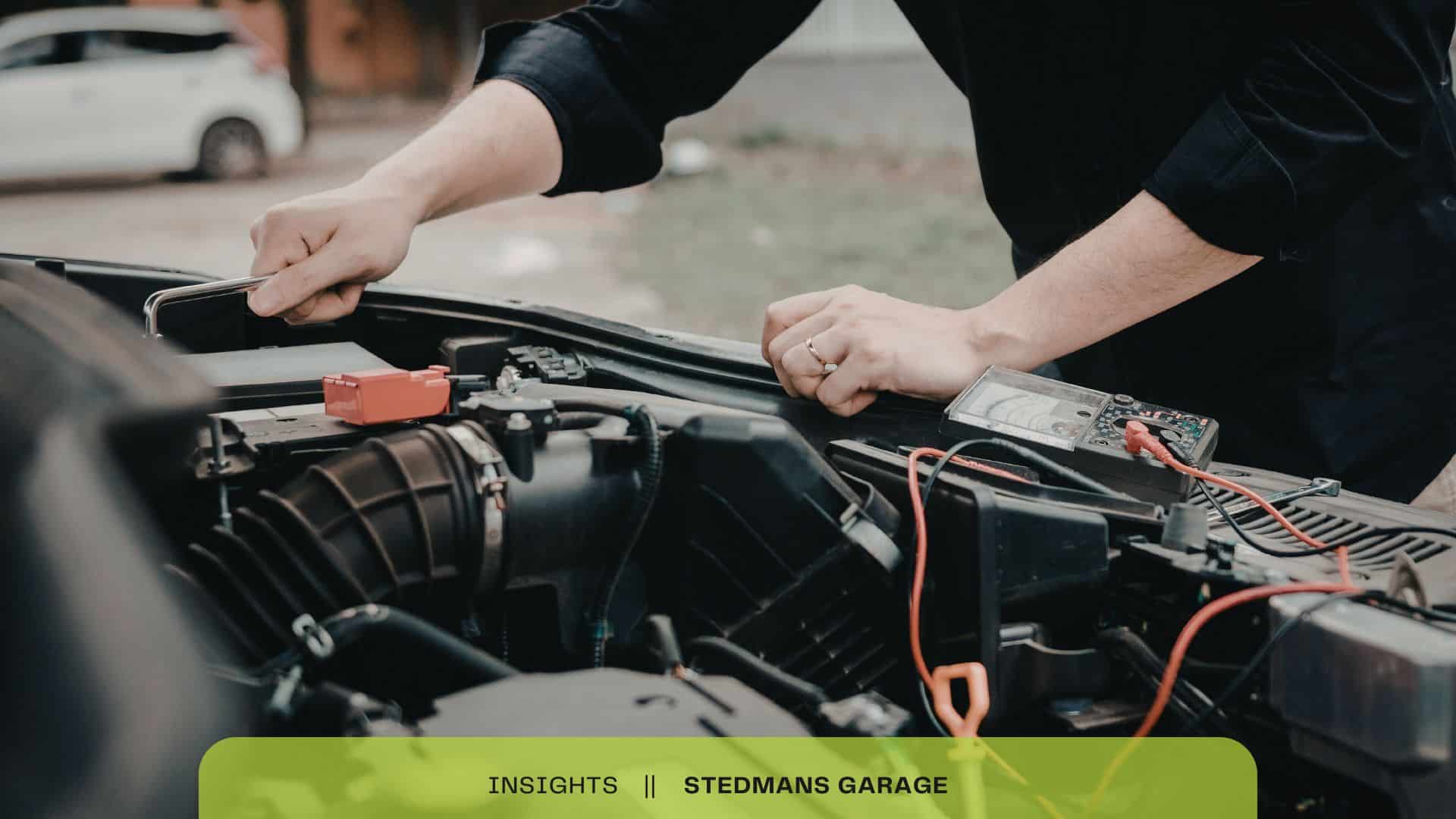
Another prevalent category of Mini Cooper problems includes electrical failures. Issues often arise from:
- Battery Failure: A common concern, especially in older models where battery life may significantly degrade.
- Faulty Dashboard Lights: If warning lights illuminate after starting the vehicle, this may signal an electrical issue.
- Central Locking Malfunctions: Difficulties locking or unlocking your Mini may arise from faulty wiring or a malfunctioning control module.
Resolving Electrical Issues
The symptoms associated with electrical failures may vary but often signal underlying problems that could escalate if left unattended. For instance, faulty central locking could also relate to the battery or key fob. Many issues are manageable at home; however, if the problem persists, seeking professional assistance is recommended.
It’s also essential to consider that many electrical repairs can be handled under warranty, making it vital to keep service records intact.
Suspension Concerns
Suspension issues are another category of common Mini Cooper problems. Symptoms might include:
- Excessive Bounce: If your vehicle feels like it’s bouncing excessively over bumps, the shock absorbers may be worn.
- Steering Instability: Difficulty maintaining a straight line while driving could indicate suspension misalignments.
Driving Performance Insights
When suspension systems fail, the driving experience can be negatively impacted. Many drivers report marked improvements in handling and comfort after addressing suspension wear.
Suspension repairs may cost between £400 and £800, depending on the extent of the damage and whether parts require replacement or adjustment. Regular inspections of suspension components during routine maintenance can help catch these issues early and further mitigate repair costs.
Transmission Problems
Transmission problems may manifest in various ways, often appearing as:
- Slipping Gears: If the vehicle unexpectedly pops out of gear, this could indicate serious transmission wear.
- Delayed Shifting: Hesitation when shifting gears often signifies issues with transmission fluid levels or the transmission itself.
Repair Options and Cost
Repair costs for transmission issues can be steep, frequently exceeding £1,200 if a full transmission replacement is necessary. As a proactive measure, it’s crucial to check transmission fluid levels regularly and change it according to your owner’s manual recommendations.
Cooling System Failures
The cooling system is critical for keeping your Mini Cooper operating effectively. Common issues may include:
- Leaking Radiator Hoses: Over time, hoses can wear out, leading to coolant loss.
- Thermostat Failure: A malfunctioning thermostat can prevent the engine from reaching optimal operating temperatures.
Maintenance Insights
Cooling system failures can lead to substantial engine damage if not managed effectively. It’s advisable to consider the following strategies:
- Schedule periodic checks of the cooling system.
- Replace worn hoses and thermostats, and always use high-quality coolant as specified by your manufacturer.
Maintenance Tips to Prevent Common Issues
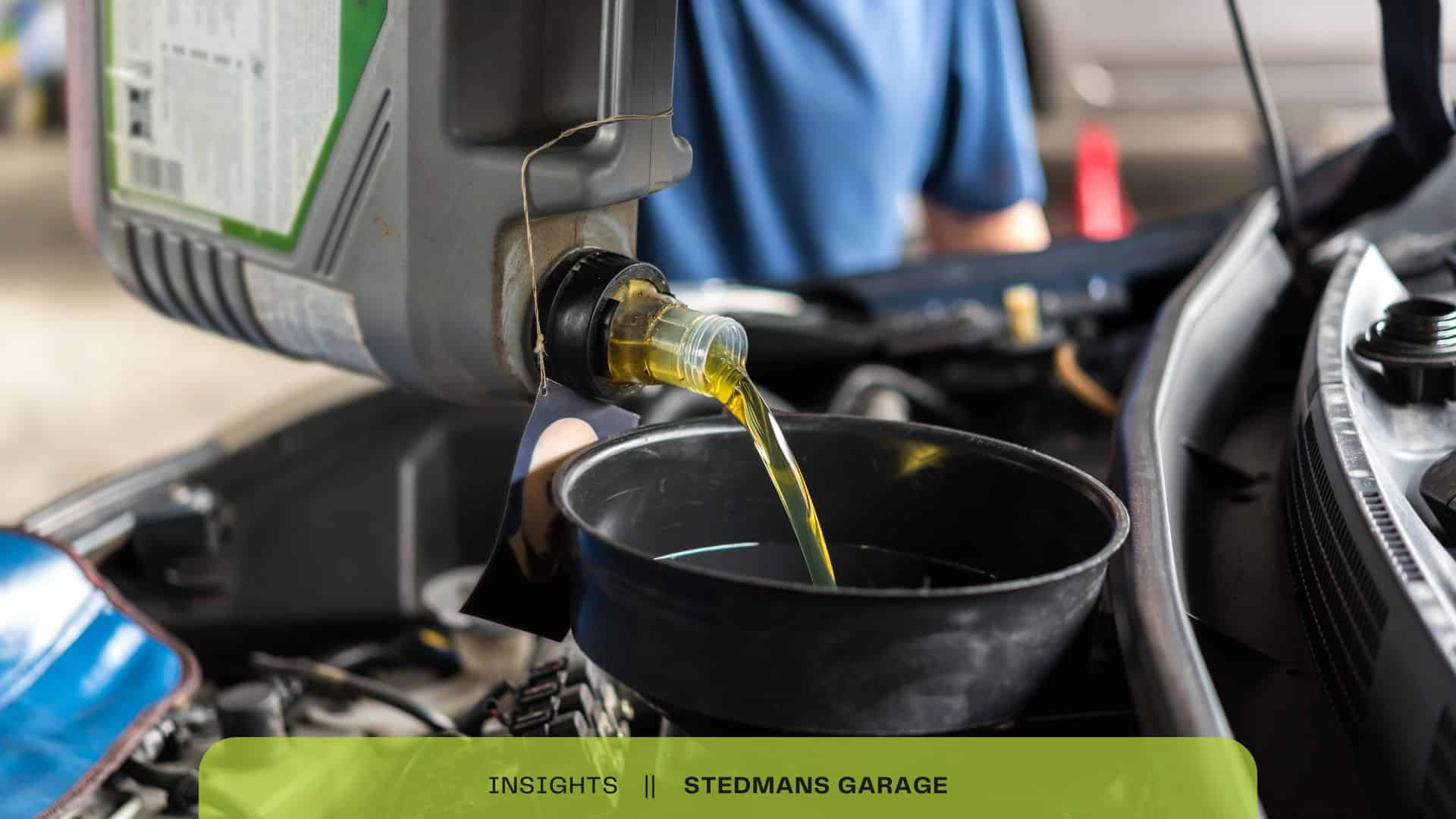
Integrating regular maintenance practices into your routine can prevent many of the common problems discussed above. Here are actionable tips specifically for Mini Cooper owners in the UK:
- Regular Oil Changes: Follow manufacturer recommendations for oil changes to maintain engine health.
- Brake Inspections: Given the driving conditions in urban areas, checking brakes bi-annually will ensure your safety.
- Tire Rotations: Adjust tire pressure monthly, and rotate tires every 6,000 miles to promote even wear.
- Battery Checks: Inspect your battery regularly, particularly before winter, as cold weather can significantly affect battery performance.
- Fluid Inspections: Regularly check coolant, brake fluid, and transmission fluid levels to avoid unexpected failures.
Understanding Repairs and Costs
When facing Mini Cooper problems, understanding potential repair costs and timeframes is vital for effective budgeting:
- Certified Mini Garages: Typically charge higher rates but often offer expertise specific to Mini Coopers, beneficial for complex issues.
- Independent Mechanics: Generally less expensive but vary in expertise regarding Mini vehicles; thorough research is recommended.
Frequently Asked Questions about Mini Cooper Problems
- What’s the most common Mini Cooper problem?
Engine issues are frequently reported, particularly oil leaks and rough idling. - How can I prevent electrical issues?
Schedule regular battery checks and ensure wiring connections are secure; replace crimped wires. - Why does my Mini Cooper bounce excessively?
This may indicate worn suspension components, necessitating an inspection by a certified mechanic.
Actionable Tips Section
Step-by-Step Maintenance Checklist for Your Mini Cooper:
Every Month:
- Check tire pressure.
- Inspect battery health.
- Monitor fluid levels (engine oil, coolant, brake fluid).
Every 6 Months:
- Rotate tires.
- Inspect brakes.
- Change oil and oil filter.
Annually:
- Comprehensive inspection by a certified Mini Cooper specialist.
- Full cooling system check.
- Replace any worn suspension components.
Troubleshooting Tips:
- If your Mini Cooper exhibits rough idling, first check the air filter; a clogged filter can impair engine performance.
- For electrical failures, inspect fuses first to determine if they’re blown, potentially helping you avoid costly electrical repairs down the line.
Conclusion
Awareness of Mini Cooper problems, understanding their implications, and employing maintenance strategies can contribute to a more enjoyable ownership experience. By taking proactive measures, you can identify potential issues early, reduce repair costs, and keep your Mini Cooper running smoothly for years. Remember, consistent upkeep is both an investment and a way to cherish the unique charm that comes with owning a Mini.
Ensure your Mini Cooper is well-maintained; schedule your next garage visit today!