Introduction
Understanding the common issues with Skoda’s DSG (Direct-Shift Gearbox) is crucial for any owner wishing to maintain optimal vehicle performance. This blog discusses prevalent Skoda DSG gearbox issues, their causes, and effective maintenance tips to ensure the longevity of your Skoda.
DSG gearboxes are a hallmark of modern Skoda vehicles, offering appealing efficiency and performance that draws in a wide variety of drivers. They provide a seamless experience that combines the best aspects of automatic and manual transmissions. However, like any sophisticated mechanical system, they can encounter problems, leading to a variety of symptoms that Skoda owners should recognise.
In this comprehensive guide, we will explore the workings of a DSG gearbox, identify common issues associated with it, provide troubleshooting methods, and offer maintenance tips to help you keep your DSG gearbox in prime condition. This information will empower Skoda owners and engage automotive enthusiasts eager to deepen their understanding of this crucial vehicle component.
Understanding the DSG Gearbox: How It Works
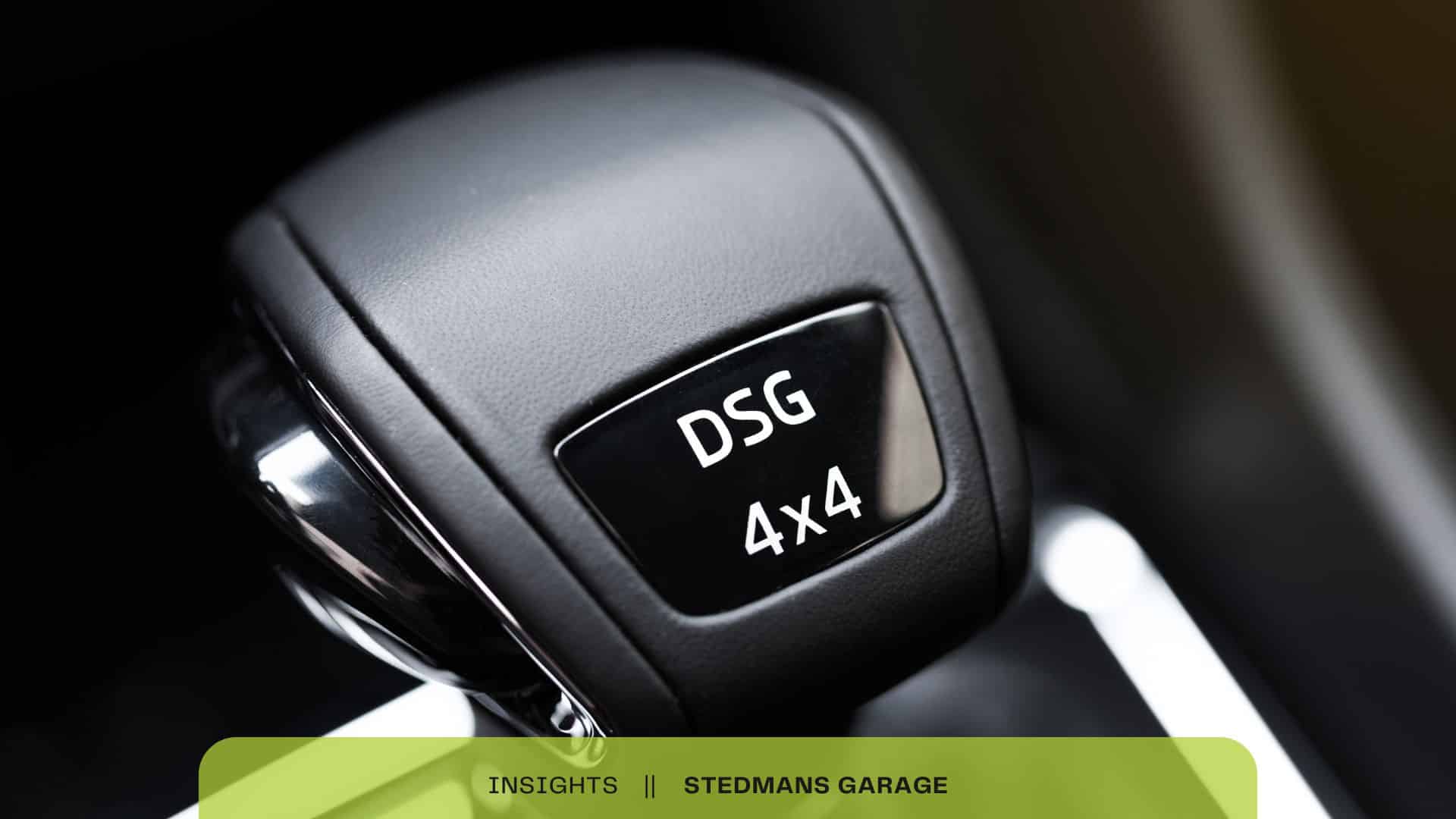
DSG, or Direct-Shift Gearbox, blends the operational capabilities of both automatic and manual gearboxes. Unlike conventional automatic transmissions that utilise fluid couplings and torque converters, a DSG uses two clutches for quick gear shifts, resulting in enhanced acceleration and performance.
The Mechanism Behind DSG Gearboxes
A typical DSG gearbox operates with two separate clutches: one controls odd-numbered gears while the other manages even-numbered gears. This means when one gear is engaged, the next is pre-selected, allowing for incredibly fast shifts, often within milliseconds. This is why DSG gearboxes are particularly popular in performance-oriented vehicles, including various Skoda models.
Advantages of DSG Gearboxes
- Seamless Gear Changes: Shifts occur without interrupting power delivery, enhancing the driving experience.
- Fuel Efficiency: DSG gearboxes can offer better fuel economy compared to traditional automatics due to reduced shifting times.
- Driver Control: They can be driven in fully automatic mode or switched to manual mode for a more engaging driving experience.
Terminology Related to DSG Gearboxes
Understanding some key terms helps Skoda owners navigate discussions about DSG issues effectively:
- Dual-Clutch Technology: This refers to the use of two clutches operating independently.
- Shift Quality: This relates to the smoothness of the gearbox’s gear changes.
- Flashing Oil Light: Indicates low transmission fluid; this could lead to gearbox-related problems.
Awareness of these elements will help Skoda owners appreciate the intricacies of their vehicles while being better prepared for potential DSG gearbox issues.
Common DSG Gearbox Problems in Skoda Models

While DSG gearboxes are designed for durability and efficiency, they may still experience problems. Below, we outline some common issues that Skoda owners might encounter.
Notable Symptoms of DSG Issues
Owners should pay close attention to specific symptoms that may indicate DSG problems:
- Jolting during Shifts: Feeling a noticeable jerk or bump when changing gears may signal clutch issues.
- Delayed Engagement: If the gearbox takes longer than usual to respond when shifting, it can indicate internal problems.
- Unusual Noises: Any grinding, whining, or clattering sounds during gearbox operation suggest mechanical issues that require immediate attention.
- Warning Lights: A flashing “DSG” light on the dashboard often indicates various transmission-related problems.
- Overheating: If your engine warning light illuminates due to overheating, it may relate to issues with the DSG’s cooling system.
Identifying these symptoms early can prevent more severe issues from developing, saving Skoda owners from costly repairs.
Causes of DSG Problems
Understanding potential causes of DSG issues is essential for effective troubleshooting. Here are some likely culprits:
- Software Glitches: A common issue in modern vehicles, software errors can lead to operational conflicts within the DSG.
- Mechanical Wear: Over time, components such as clutches and gears can wear down, leading to performance degradation.
- Transmission Fluid Issues: Low transmission fluid levels or degraded fluid can impair the gearbox’s performance, potentially causing malfunctions.
- External Factors: Driving habits, such as frequent stop-and-go traffic, can contribute to gearbox strain and wear.
- Electrical Failures: Faulty sensors or wiring connections within the DSG system can lead to erratic behaviour.
By being aware of these factors, Skoda owners can anticipate issues and act promptly when they arise.
Troubleshooting: Diagnosing DSG Gearbox Issues
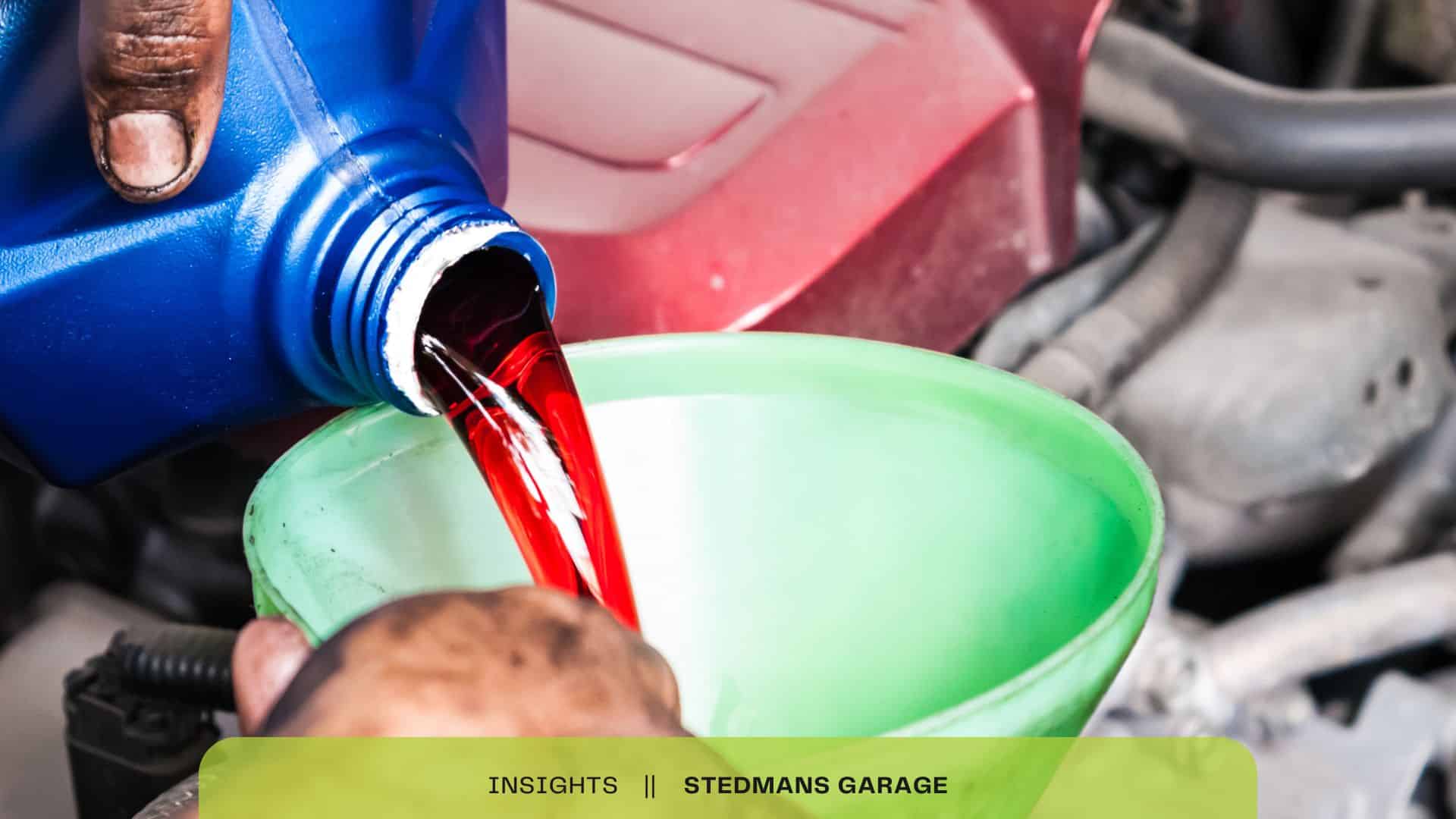
Diagnosing DSG issues can seem daunting, but a methodical approach can help owners determine the root cause of the problems.
Step-by-Step Diagnosis
- Check for Warning Lights: Start by scanning the vehicle’s dashboard for warning indicators. If a “DSG fault” warning appears, consult the owner’s manual for guidance.
- Assess Fluid Levels: Use a dipstick (if available) to check transmission fluid levels; low fluid can lead to gearbox malfunctions.
- Listen for Noise: Drive the vehicle and note how it sounds during shifts; abnormal sounds could indicate mechanical problems that require expert evaluation.
- Monitor Shift Quality: Take note of any unusual jolting or delays during engagement. Documenting these occurrences will aid mechanics in diagnosing the issues.
- Scan for Fault Codes: Utilise an OBD-II scanner to read any stored fault codes in the vehicle’s computer system; these can offer insights into specific issues requiring attention.
Real-World Examples from UK Skoda Owners
Many Skoda owners have reported DSG issues; insights from various forums provide practical examples.
- Case Study 1: A Skoda Octavia owner reported consistent jolting during acceleration. Upon further investigation, it was identified as a low transmission fluid issue exacerbated by frequent short trips.
- Case Study 2: An owner of a Skoda Superb experienced unusual noises while shifting, which were diagnosed as a failing clutch pack, considerably more severe and costly than a software issue.
These examples illustrate how systematic troubleshooting can lead to timely solutions, preventing further deterioration.
Maintenance Tips for DSG Gearboxes
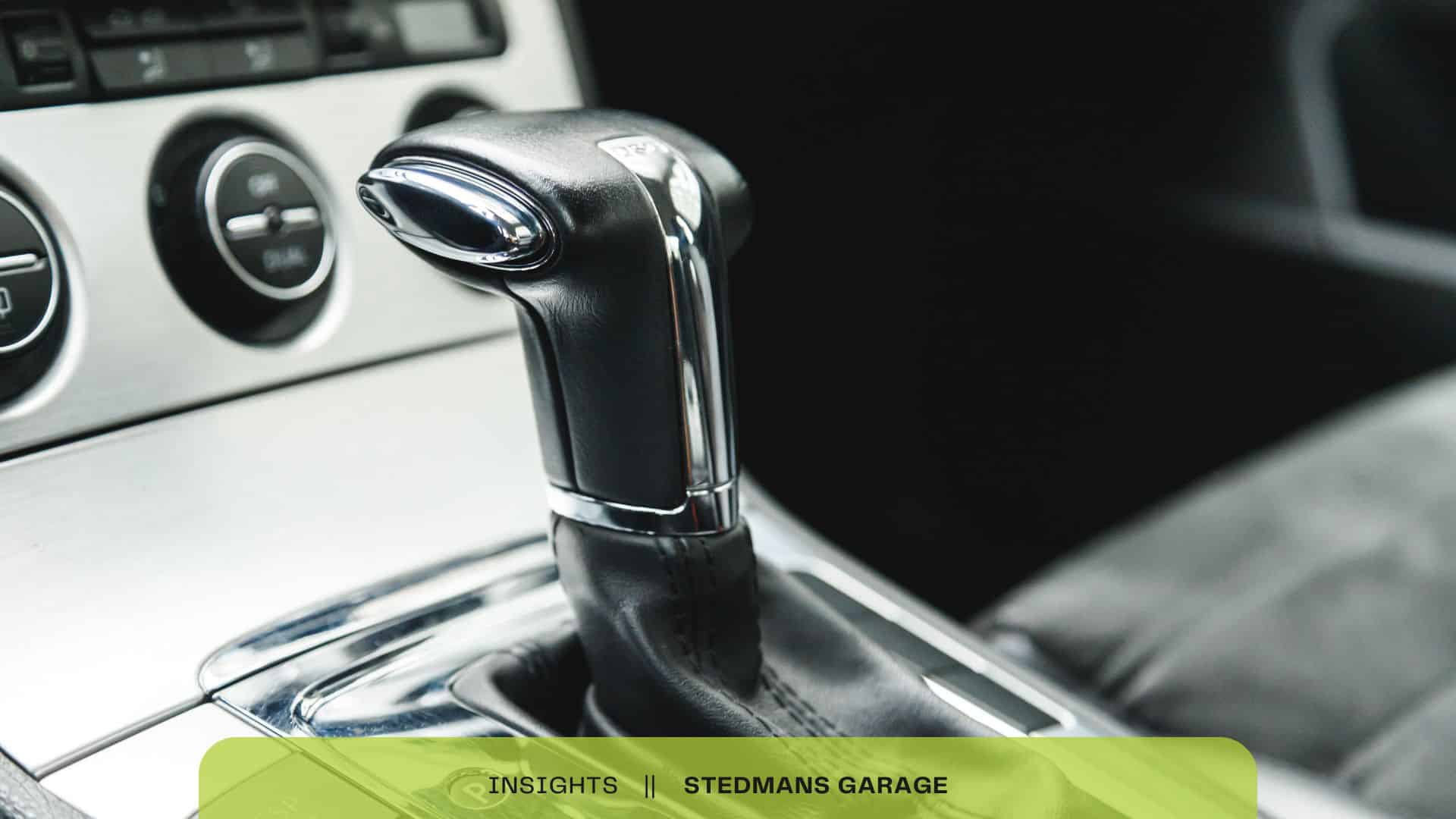
Proper maintenance is crucial to ensuring the longevity and reliability of your Skoda’s DSG gearbox. Here are actionable tips to keep your gearbox in top condition.
Regular Servicing
- Fluid Changes: DSG fluid should be changed according to the vehicle’s service manual, typically every 40,000 to 60,000 miles. This prevents contamination and fluid degradation.
- Software Updates: Always check with your Skoda dealership for software updates that might improve transmission performance or resolve existing issues.
- Visual Inspections: Regularly inspect for leaks around the gearbox and check fluid levels as part of your general maintenance routine.
DIY Versus Professional Maintenance
While some maintenance tasks can be conducted at home, others are best left to professionals:
- DIY Maintenance: Checking fluid levels and conditions can often be done at home; refer to the owner’s manual for guidance on locating the dipstick.
- Professional Checks: Any software updates, significant repairs, or complex diagnoses should be handled by trained technicians to avoid voiding warranties through unqualified repairs.
Adapting Maintenance to UK Conditions
Considering the variable UK weather conditions, drivers should take additional precautions:
- Winter Preparedness: Ensure your DSG gearbox is optimal before winter by checking fluid integrity; cold weather can exacerbate existing issues.
- Rainy Conditions: Be cautious in wet conditions that can lead to slippage due to drivability problems.
Actionable Tips Section
To adeptly manage your Skoda DSG gearbox, here are step-by-step actionable tips:
Checking Transmission Fluid Levels:
- Park your vehicle on a level surface.
- Start the engine and let it warm up.
- Shift through all gears, briefly holding each gear before returning to park.
- Locate the dipstick, pull it out, wipe it clean, and reinsert it.
- Check fluid levels and condition (it should be a bright, translucent red).
Using Diagnostic Tools:
- Invest in an OBD-II scanner to regularly check for fault codes.
- Use the device to reset minor warning lights post-servicing, but consult a mechanic for persistent issues.
Routine Maintenance Schedule:
- Set reminders to change fluids and perform inspections based on mileage.
- Keep a log of past services to monitor any recurring issues over time.
Monitoring Driving Habits:
- Aim for smooth acceleration and deceleration to minimise strain on the gearbox.
- Avoid hard braking and rapid acceleration, especially in stop-and-go traffic.
Incorporating Updates:
- Regularly visit your local Skoda dealer for software updates that could enhance gearbox functionality.
Conclusion
In summary, being a Skoda owner entails a commitment to understanding and maintaining your vehicle, particularly the intricacies of its DSG gearbox. By being aware of common issues, their causes, and effective maintenance tips, you can significantly enhance your driving experience. Routine checks and timely interventions will keep your gearbox performing at its best, preventing more severe complications in the future.
Ensuring your Skoda’s DSG gearbox is in top condition will enhance your driving pleasure. Start your maintenance schedule today!