Introduction
For BMW owners in the UK, understanding oil consumption is essential for maintaining the performance and longevity of their vehicles. While all engines consume some degree of oil, excessive oil consumption can signify underlying issues that may compromise engine integrity. This blog aims to clarify the topic of oil consumption in BMW models, offering insights into the causes, identifying symptoms, providing solutions, and recommending preventative measures. By the end of this article, you will be well-equipped to manage any oil consumption issues your BMW may encounter, ensuring that your driving experience remains smooth and enjoyable.
In this comprehensive guide, we will cover the following key sections:
- Definition and context of BMW oil consumption.
- Common causes of oil consumption problems in BMWs, including engine design and external factors.
- Identifying the symptoms of excessive oil consumption.
- Solutions that can rectify or mitigate oil consumption issues.
- Proactive steps to prevent these problems from arising in the first place.
By exploring these areas, we aim to provide actionable insights and practical advice for BMW enthusiasts keen to understand and address oil consumption.
What Is BMW Oil Consumption?
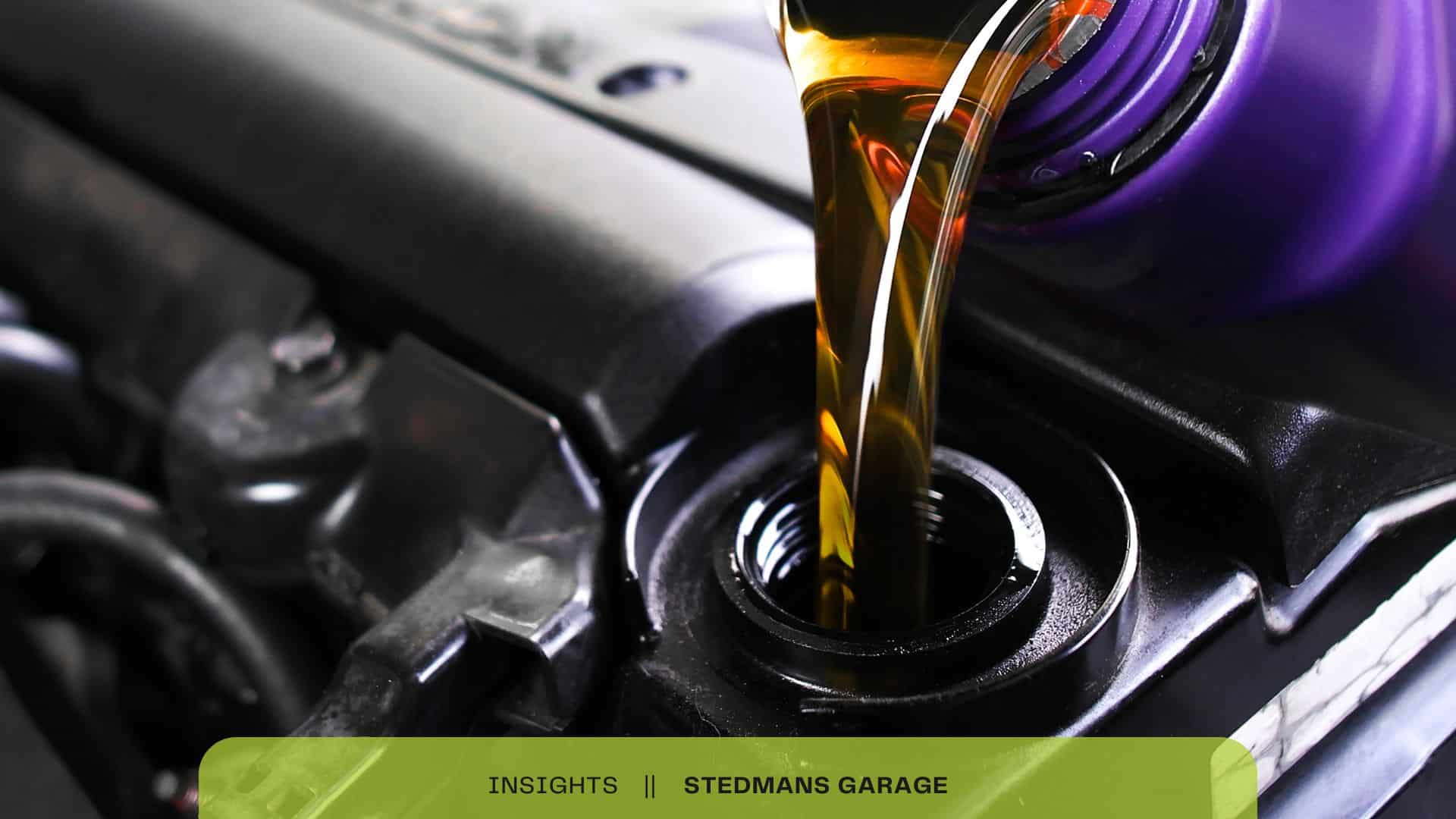
In the automotive world, oil consumption refers to the amount of engine oil used during operation. For BMW vehicles, oil consumption can vary significantly based on the model, engine type, age, and driving conditions. Understanding the difference between normal and excessive oil consumption is critical for any BMW owner.
Normal vs. Excessive Oil Consumption
Every engine will consume some oil, typically measured in quarts per 1,000 miles. According to BMW, acceptable oil consumption can be up to 1 litre per 1,000 miles under normal driving conditions. This was considered a standard expectation for most modern engines. However, if your BMW begins consuming oil at rates beyond this benchmark, it could indicate potential oil consumption problems.
Signs of excessive oil consumption include:
- Frequent need to top up oil between services.
- Oil leaks visible under the car.
- Blue smoke emanating from the exhaust during acceleration.
Understanding these distinctions helps in identifying potential issues before they escalate into costly repairs.
Common Causes of Oil Consumption Issues in BMWs

Engine Design and Age: A Brief Overview
The design of an engine plays a significant role in how it consumes oil. Older BMW models, particularly those equipped with the N52 engine, are known for higher oil consumption levels compared to newer models such as the N20 engine.
Comparative Analysis: N52 vs. N20 Engines
- N52 Engine: This inline-six engine has a documented history of oil consumption issues, especially in models like the BMW 3 Series (E90). Common symptoms include a rise in oil consumption after a certain mileage, often associated with wear in piston rings or valve guides.
- N20 Engine: This four-cylinder turbocharged engine typically demonstrates better efficiency and less oil consumption. However, issues can still arise, often due to manufacturing defects that impact oil sealing.
Understanding these engine types and their characteristics can provide insights into potential issues based on your BMW’s age and model.
Manufacturing Defects and Seals
Another common cause of BMW oil consumption problems arises from defects in manufacturing, particularly affecting oil seals and gaskets. Over time, these components can degrade, leading to oil leaks or increased consumption due to improper sealing.
Identifying Issues with Seals:
To identify potential problems:
- Visual Inspection: Look for any oil stains where you park your BMW.
- Check Oil Levels Regularly: If you notice a significant drop in oil level without any visible leaks, the seals may need replacement.
Driving Habits and Environmental Factors
Driving habits and conditions significantly influence oil consumption. Frequent short trips may lead to higher oil usage compared to longer journeys due to condensation build-up and inadequate engine heat.
UK-Specific Context: Urban vs. Rural Driving
Urban driving in cities like London, with stop-and-go traffic, typically results in increased oil consumption due to engine strain. Conversely, driving on motorways through open rural areas helps the engine reach optimal temperatures, leading to reduced oil use. Weather conditions in the UK, such as cold winter temperatures, can also exacerbate oil consumption, as thicker oil takes longer to flow.
Summary of Common Causes
- Engine Type: Older models often display higher oil consumption rates.
- Seal Quality: Manufacturing defects in seals can lead to leaks.
- Driving Conditions: Urban driving increases oil consumption compared to long-distance driving.
Identifying Symptoms of Excessive Oil Consumption
Recognising the symptoms of excessive oil consumption is crucial for early intervention. Here are key indicators that your BMW may be experiencing higher than normal oil consumption:
- Oil Warning Light: If this light illuminates regularly, it indicates oil is depleting faster than expected.
- Engine Performance Issues: A noticeable decline in performance may be linked to insufficient oil lubrication.
- Visible Exhaust Smoke: Blue smoke from the exhaust during acceleration is a classic sign of oil being burned in the combustion chamber.
- Frequent Oil Top-Ups: If you find yourself continually adding oil between services, it’s time to explore the root causes behind this consumption.
By being vigilant to these warning signs, BMW owners can take prompt action to prevent further issues.
Solutions for BMW Oil Consumption Problems
Regular Maintenance and Check-Ups
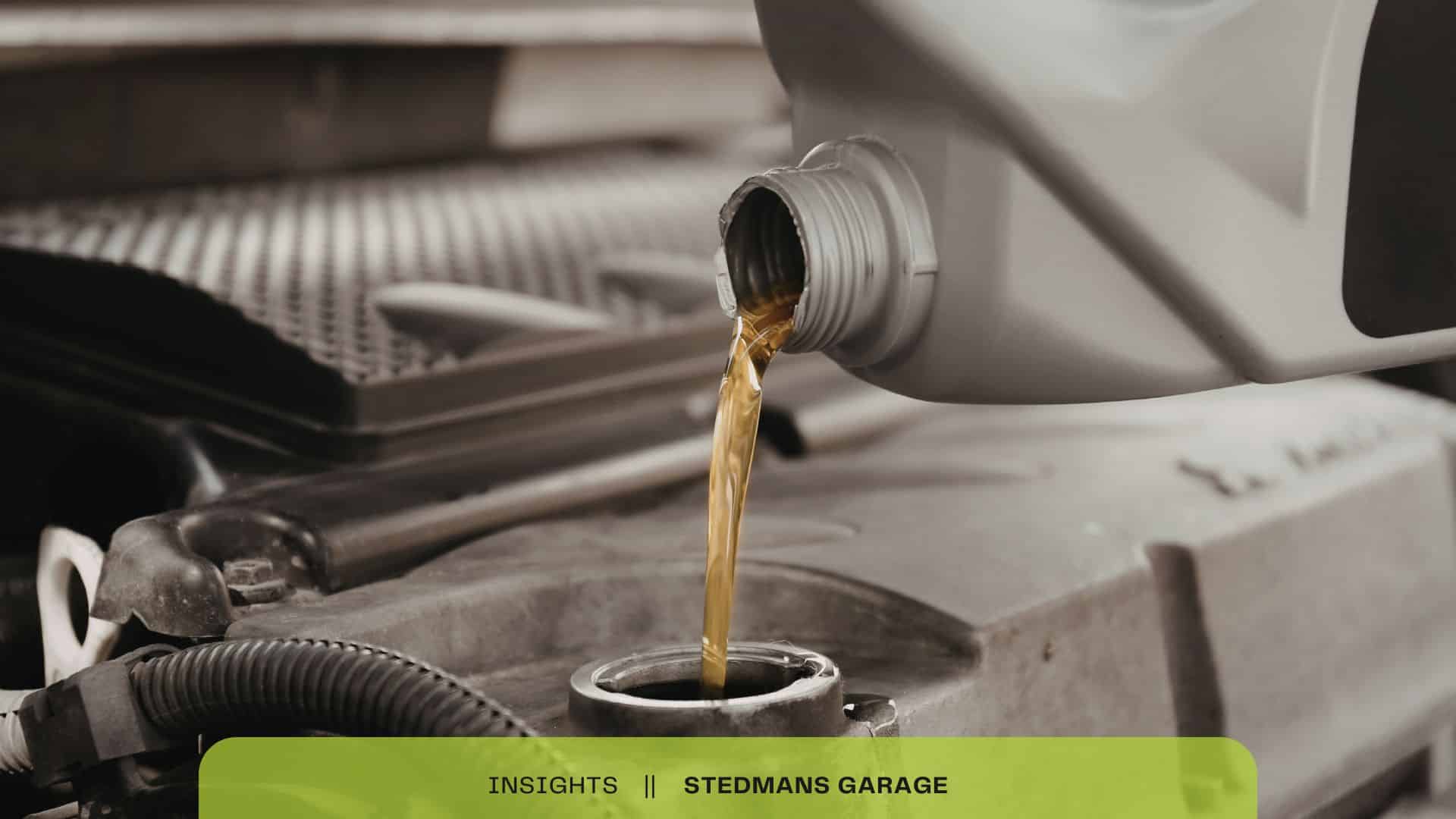
Routine maintenance is pivotal for preventing BMW oil consumption problems. Regular oil changes replenish your oil supply and allow mechanics to inspect for wear and potential leaks.
Actionable Tips for Monitoring Oil Levels
- Check Oil Levels Monthly: Always check your oil levels at least once a month, particularly if your car has reached a mileage point where oil consumption is expected to increase.
- Opt for Quality Oil: Use high-quality engine oil recommended by BMW to mitigate consumption issues.
- Maintain Service Records: Keep detailed records of all maintenance and oil changes to track patterns in oil consumption.
Upgrading Engine Components
Sometimes, addressing BMW oil consumption may require upgrading engine components. For instance:
- Replacing Piston Rings: If your BMW is older and showing concerning consumption levels, replacing worn piston rings can significantly reduce oil use.
- Seal Replacement: Promptly replacing defective oil seals can eliminate leaks and improve overall performance.
By being proactive about these upgrades, you can help maintain optimal performance and extend the life of your BMW.
Professional Investigation
If preventive measures fail, it may be time to seek professional help.
What to Look for in UK Services
- Specialist BMW Garages: Seek out garages that specialise in BMW servicing, like Stedmans Garage, as they have the expertise and tools needed to diagnose complex issues.
- Diagnostic Testing: A thorough inspection can uncover hidden issues such as oil leaks or internal engine wear.
Receiving professional guidance can save you from further expenses in the long run and ensure your BMW runs at peak efficiency.
Actionable Tips Section
To help BMW owners manage oil consumption issues proactively, here is a detailed, step-by-step guide:
Regular Checks
- Monthly Oil Level Check: Purchase a set of dipsticks for easy checking.
- Note Changes: Keep a log of your oil levels and any noticeable changes.
Scheduled Maintenance
- Plan for Twice-Yearly Servicing: Ensure all engine components are inspected semi-annually to catch wear before it escalates.
- Use BMW Recommended Oil: Always choose oils that meet BMW’s specifications for your model.
Driving Habits
- Longer Trips: Whenever possible, combine errands into longer trips to prevent frequent short driving cycles.
- Avoid High RPMs: Minimise aggressive driving, especially in low gear.
Weather Considerations
- Seasonal Fluid Checks: Evaluate oil viscosity according to the season; for winter, consider using oils recommended for colder temperatures.
Consult Professionals
- Take Advantage of Diagnostic Tools: Use services that provide diagnostic tools to evaluate your engine’s health.
- Follow Mobile Mechanic Services: Consider mobile mechanics for convenient assessments from your home.
By following these actionable tips, BMW owners can keep a vigilant watch over their oil consumption and maintain optimal performance.
Conclusion
Understanding BMW oil consumption is crucial for ensuring the health and longevity of your vehicle. From identifying common causes and recognising symptoms to implementing effective solutions and preventive measures, this guide equips you with the knowledge to tackle oil consumption issues.
By prioritising regular maintenance, staying informed about your model’s specifications, and acting quickly in the face of symptoms, you can ensure your BMW remains in premium condition. Monitoring your BMW’s oil consumption is not just about preventing engine damage; it is about preserving the joy of driving your vehicle as it was intended.
Start monitoring your BMW’s oil consumption today to ensure optimal engine performance and longevity. Regular maintenance is the key!