As a SEAT owner, you may often find yourself questioning how to best maintain your car’s performance and longevity. The SEAT servicing schedule is crucial, not just for ensuring your vehicle runs smoothly, but also for preserving its resale value and meeting UK car maintenance regulations. This guide clarifies the importance of regular servicing, details the SEAT servicing schedule, and discusses how to maintain optimal vehicle performance. Whether you’re a first-time buyer, a SEAT enthusiast, or a seasoned owner, understanding your car maintenance needs is essential.
The Importance of Following a SEAT Servicing Schedule
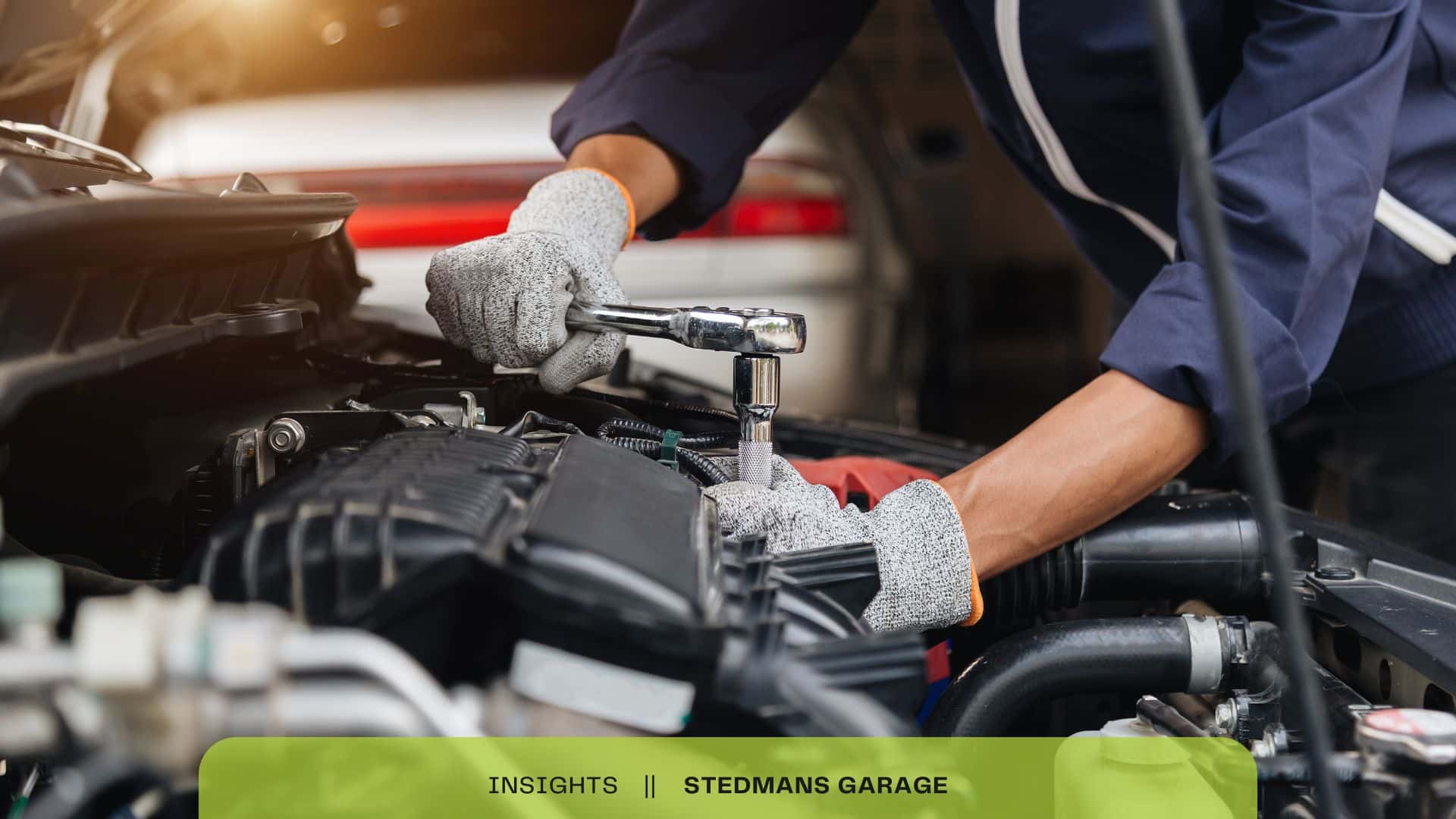
Regularly servicing your SEAT not only prolongs its lifespan but also ensures safety and reliability. But what exactly is a servicing schedule?
What is a Servicing Schedule?
A servicing schedule is a detailed plan set by manufacturers, such as SEAT, which outlines when specific maintenance tasks should be performed. These tasks range from simple oil changes to more complex checks on brake systems or engine functionality.
Importance of Following the Schedule
- Longevity of the Vehicle: Regular servicing helps catch potential issues early before they become costly repairs. For instance, consistently checking and replacing oil prevents engine wear and tear.
- Resale Value: A well-maintained vehicle typically holds a higher resale value. Buyers are often willing to pay a premium for a car with a full servicing history, indicating proper care.
- Safety: Routine checks ensure essential components, such as brakes and tyres, are functional, preventing accidents and ensuring road safety.
- Compliance with Warranty Conditions: New SEAT vehicles come with a warranty that usually requires regular servicing at specific intervals. Failure to adhere to this schedule may void the warranty.
In summary, the SEAT servicing schedule is not merely a suggestion; it’s a blueprint for maintaining your car’s health.
Breakdown of the SEAT Servicing Schedule
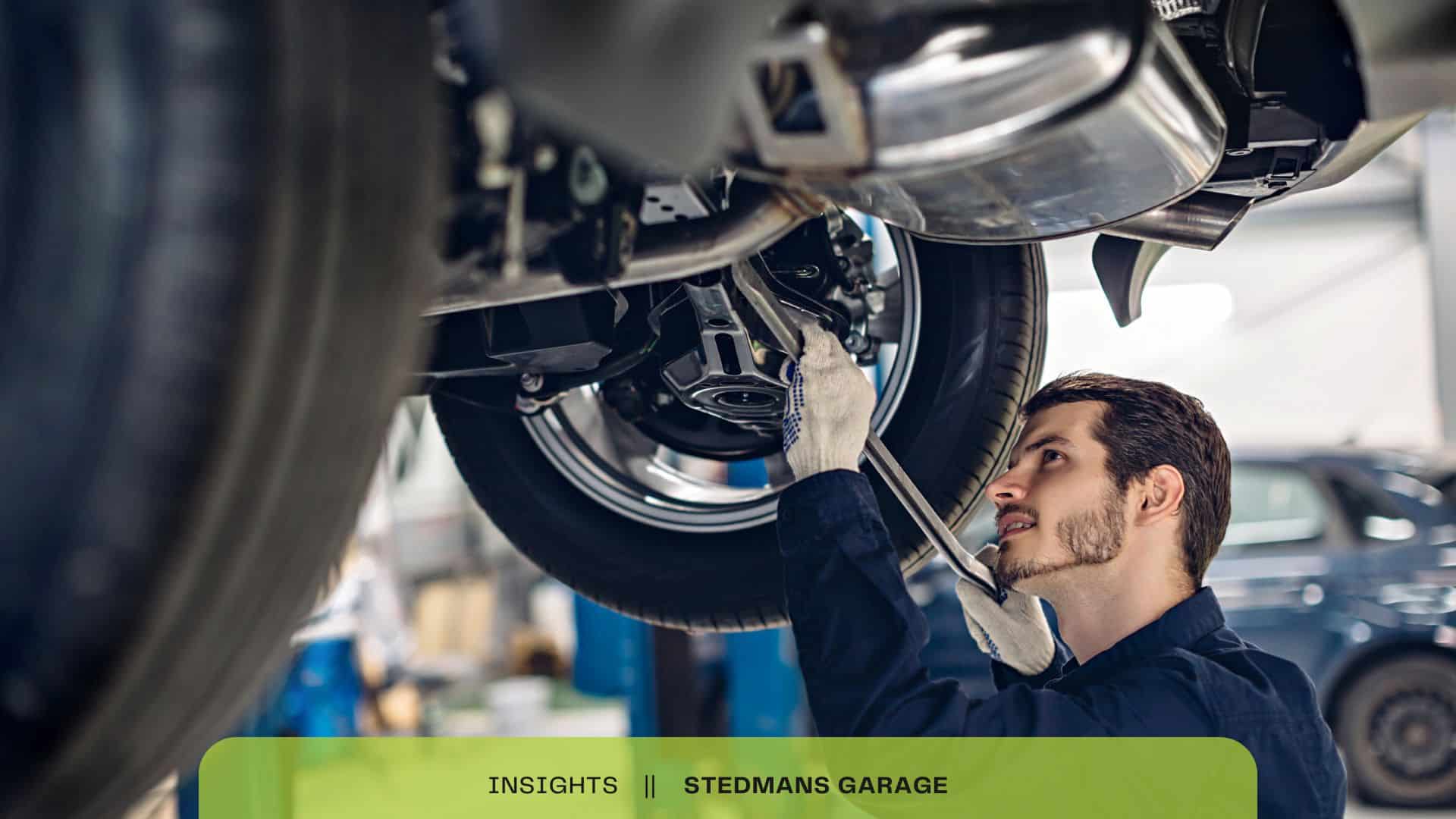
Understanding the various aspects of the servicing schedule can help you stay ahead in maintaining your SEAT. Let’s break down the key components of the schedule.
Regular Service Intervals: What to Expect
Typically, SEAT recommends service intervals every 10,000 miles or annually, whichever comes first. This can vary based on the model, engine type, and driving conditions. For example, if you frequently drive in urban areas or encounter heavy traffic, you may need to service your vehicle more often.
Factors Influencing Service Intervals
- Driving Habits: Short trips can strain the engine; urban drivers should adhere closely to the recommended schedule.
- Environmental Conditions: Extreme weather can affect vehicle health. For instance, excessive heat may shorten engine component lifespans, thus making regular checks essential.
Essential Checks and Maintenance Tasks
During a routine service, various essential checks will be performed to keep your SEAT in top condition. Here are the key components typically examined:
- Oil and Oil Filter: Regular oil changes are one of the most critical aspects of car maintenance. Fresh oil lubricates the engine’s parts, reducing wear.
- Brakes and Brake Fluid: Brake functionality is vital for safety. Technicians check brake pads, fluid levels, and the condition of the rotors.
- Tyres: Both tyre pressure and tread depth are assessed to ensure proper grip and handling.
- Battery: A thorough inspection of battery condition and life can save you from unexpected breakdowns.
- Lights and Signals: Ensuring that all lights (headlights, brake lights, indicators) function correctly is essential for safety and legality.
Major Service vs. Minor Service: Key Differences
SEAT service schedules typically differentiate between minor and major services. Understanding these differences can save both time and money.
Minor Service
- Frequency: Annually or every 10,000 miles.
- Included Tasks: Oil and oil filter change, brake inspection, fluid levels check, basic diagnostics.
- Cost: Generally lower, around £150 to £300, depending on the garage.
Major Service
- Frequency: Every two years or every 20,000 miles.
- Included Tasks: All minor service tasks plus in-depth inspections (e.g., changing spark plugs and air filters, checking suspension components).
- Cost: Usually higher, ranging from £300 to £600, as it includes more extensive checks.
Both services are essential, but the major service is particularly vital for older vehicles or those exceeding regular mileage limits.
Cost Considerations of SEAT Servicing

Understanding the financial implications of regular servicing can help you better plan.
Average Service Costs Across the UK
Costs for servicing your SEAT can vary significantly based on location, garage type, and even your specific model. On average:
- Dealership Servicing: Premium charges due to certified technicians and original parts, costing anywhere from £200 to £600 for major services.
- Independent Garages: Generally more competitive pricing, but might not use OEM parts. Expect costs to range from £150 to £350 for minor services.
Comparison of Dealership vs. Independent Garage Servicing
- Quality of Service: Dealerships often have expertise specific to SEAT vehicles, which may lead to more precise diagnostics.
- Warranty Compliance: Servicing through the dealership ensures full compliance with warranty requirements.
- Parts Used: Dealerships use original SEAT parts, while independent garages might opt for aftermarket components, impacting performance.
In conclusion, weigh the pros and cons based on your budget and the services offered.
SEAT-Specific Maintenance Tips for Owners
While following the servicing schedule is key, additional proactive measures can help you maintain your vehicle.
Practical Maintenance Tips Tailored to SEAT Models
- Regularly Check Fluid Levels: Engine oil, coolant, brake fluid, and washer fluid should be checked routinely, not just during servicing.
- Tyre Maintenance: Monitor tyre pressure at least monthly and before long journeys. Rotate your tyres regularly to ensure even wear.
- Keep it Clean: Regularly washing and waxing enhance aesthetic appeal and protect against rust and corrosion.
- Use Quality Fuels: Opt for premium fuels where possible, as they improve engine performance and efficiency.
- Check and Replace Wiper Blades: Visibility is crucial; ensure wiper blades are in good condition, replacing them at least once a year.
Actionable Tips for Booking a Service
Booking a service doesn’t have to be daunting. Here’s a simple step-by-step guide:
- Check Your Manual: Review your vehicle’s manual for the recommended servicing schedule and tasks.
- Research Local Garages: Look for reputable garages or SEAT dealerships. Read reviews and check certifications.
- Prepare Your Vehicle: Remove personal belongings and report any minor issues to the technician.
- Ask Key Questions: When speaking to your mechanic, inquire about:
- What tasks does the service cover?
- What parts will be used?
- Is there a warranty on the service/work done?
- Keep Records: Document all completed services, costs, and maintenance performed. This is invaluable for future servicing and resale.
Conclusion
Maintaining your SEAT through a regular servicing schedule not only ensures peak performance but also helps you avoid costly repairs down the line. The importance of adhering to this schedule cannot be overstated, it safeguards your vehicle’s longevity and resale value.
With the insights provided in this guide, you are now better equipped to navigate your SEAT car maintenance needs. Always monitor your service intervals, budget for both minor and major services, and take proactive measures for optimal health.
Check your SEAT servicing schedule today to maintain your vehicle’s performance and safety!