When it comes to maintaining your Volkswagen (VW), knowing whether your vehicle is equipped with a timing belt or a timing chain is crucial. This decision impacts not only your car’s performance but also its longevity and maintenance costs. In the UK, where driving conditions vary from rainy city streets to demanding motorway commutes, having this knowledge empowers Volkswagen owners and automotive enthusiasts alike to make informed choices.
Understanding Timing Belts and Timing Chains
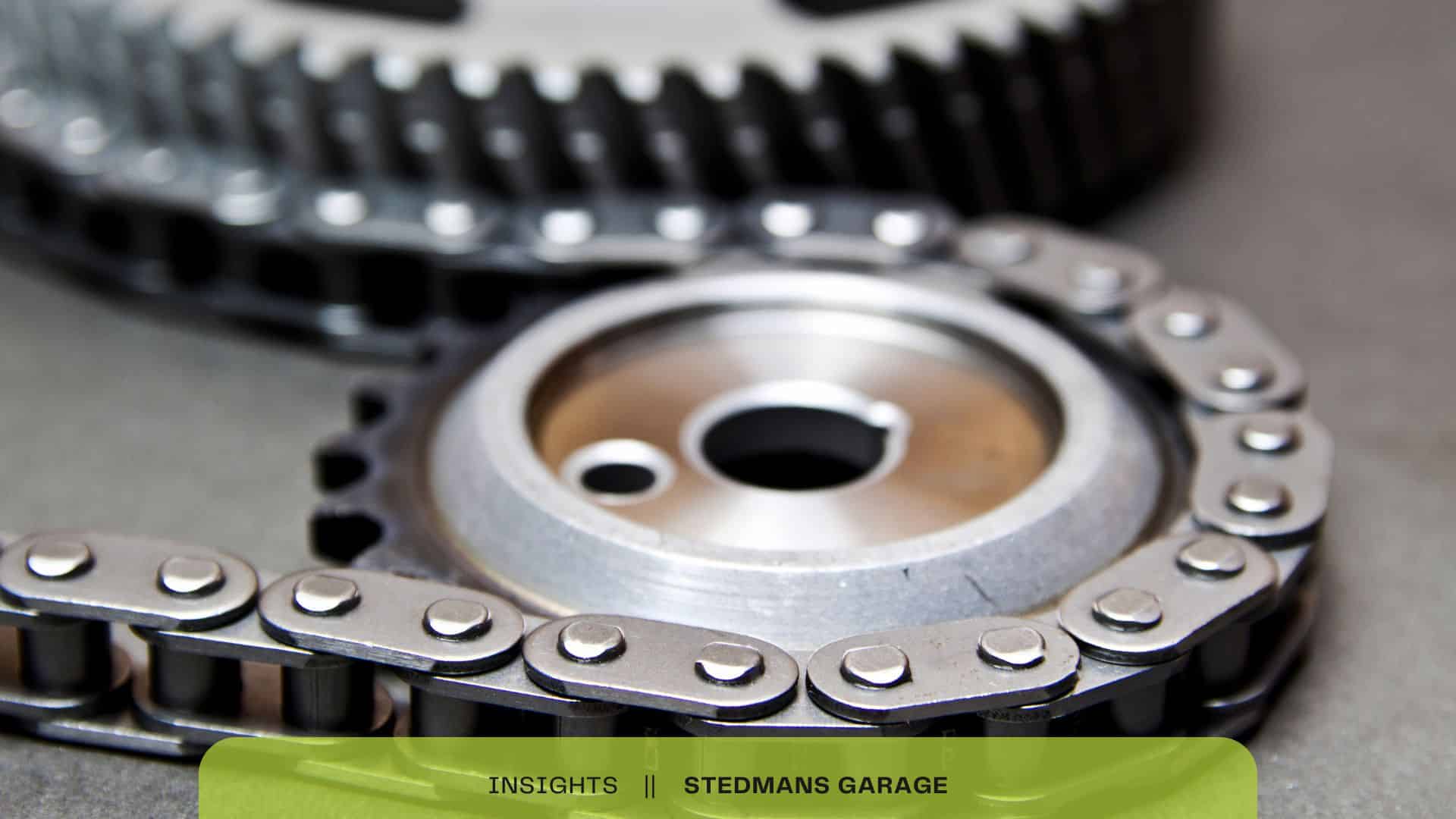
What Are Timing Belts and Timing Chains?
A timing belt and a timing chain serve the same basic function in any vehicle’s engine: they synchronise the rotation of the crankshaft and camshaft(s) to ensure that the engine’s valves open and close at the right times during each cylinder’s intake and exhaust strokes. However, the mechanisms differ in material, design, and operation.
Timing Belts: Generally made from reinforced rubber, timing belts are flexible and lightweight. They are designed to operate quietly and efficiently and must be replaced periodically as part of regular maintenance.
Timing Chains: Constructed from metal, timing chains are more robust and long-lasting. They work similarly to bicycle chains and are lubricated by engine oil, which helps reduce wear over time.
Key Differences Relevant to VW Engines
In the context of Volkswagen engines, the type of timing mechanism can dictate not only the frequency of maintenance but also the vehicle’s performance. Certain models, particularly those in the VW Audi Group (VAG), employ either system depending on the engine configuration and design criteria.
Material & Lifespan: Timing belts generally last between 60,000 and 100,000 miles, while timing chains can often last the life of the engine, requiring replacement only after significant wear.
Cost and Maintenance: Timing belts are usually less expensive to replace than timing chains, whose durability translates to lower overall maintenance costs, albeit with potentially higher initial costs.
Advantages of Timing Belts for Volkswagen Vehicles
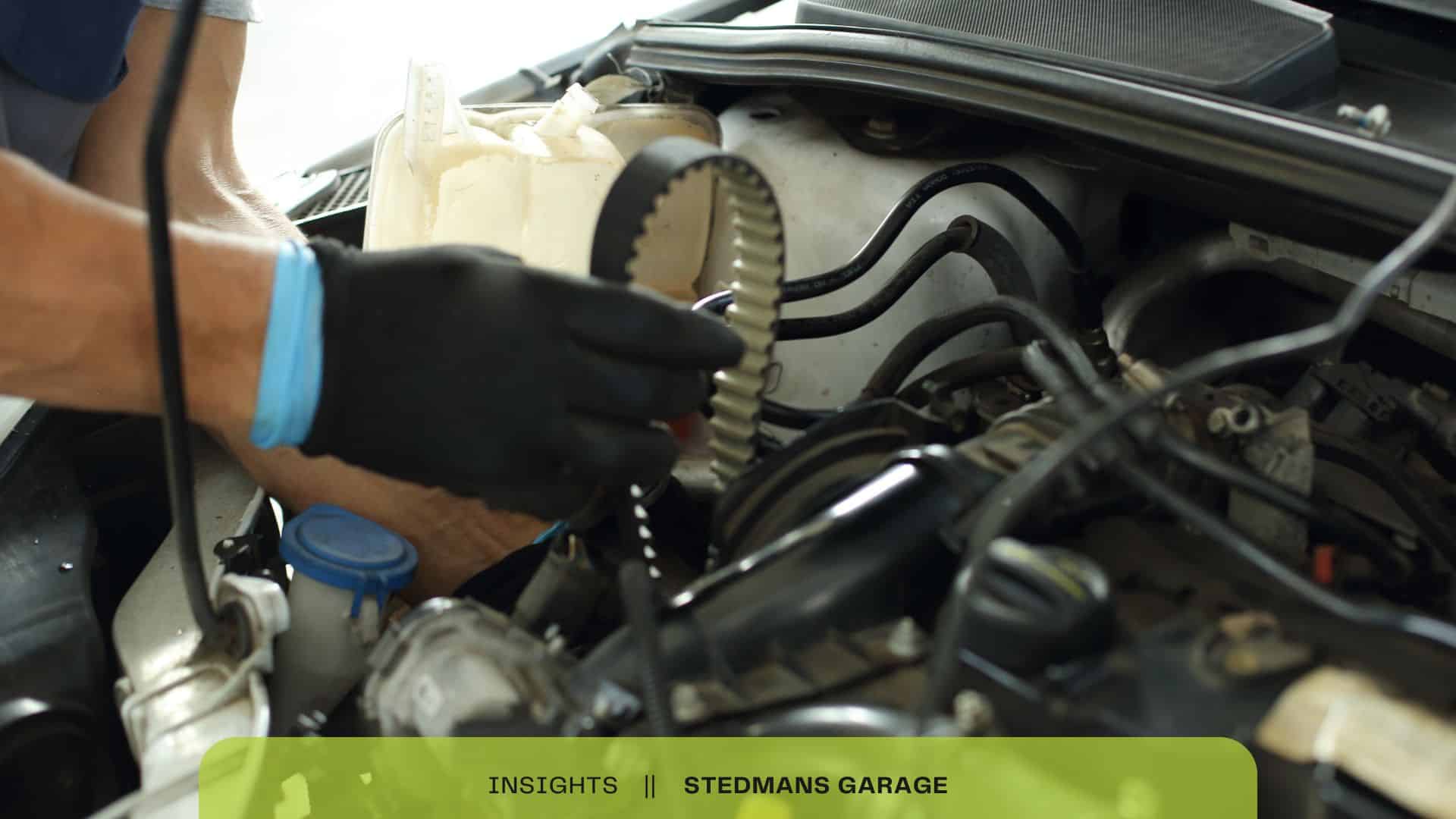
Timing belts have their own set of advantages, making them appealing for certain Volkswagen models.
Quieter Operation and Lightweight Design
One of the most notable benefits of a VW timing belt is its operation. Being made of rubber, timing belts run more quietly than metal counterparts, making them ideal for drivers who value a quiet driving experience.
Real-World Example: The VW Golf, which employs a timing belt in some models, is renowned for its smooth and quiet ride. Many owners appreciate the refined engine sound during long-distance journeys.
Cost-Effectiveness in Replacement
From a financial perspective, timing belts often have lower replacement costs than timing chains. While the belts themselves are relatively inexpensive, the primary expense comes from the labour required for replacement, as accessing the belt can involve significant disassembly of engine components.
Typical Costs: A timing belt replacement can range from £300 to £600, depending on the model and garage. This cost is generally reflected in the vehicle’s service history.
Replacement Intervals: VW typically recommends replacing timing belts every 60,000 to 80,000 miles, providing a clear timeline for maintenance and resulting in predictable costs.
Advantages of Timing Chains for Volkswagen Vehicles
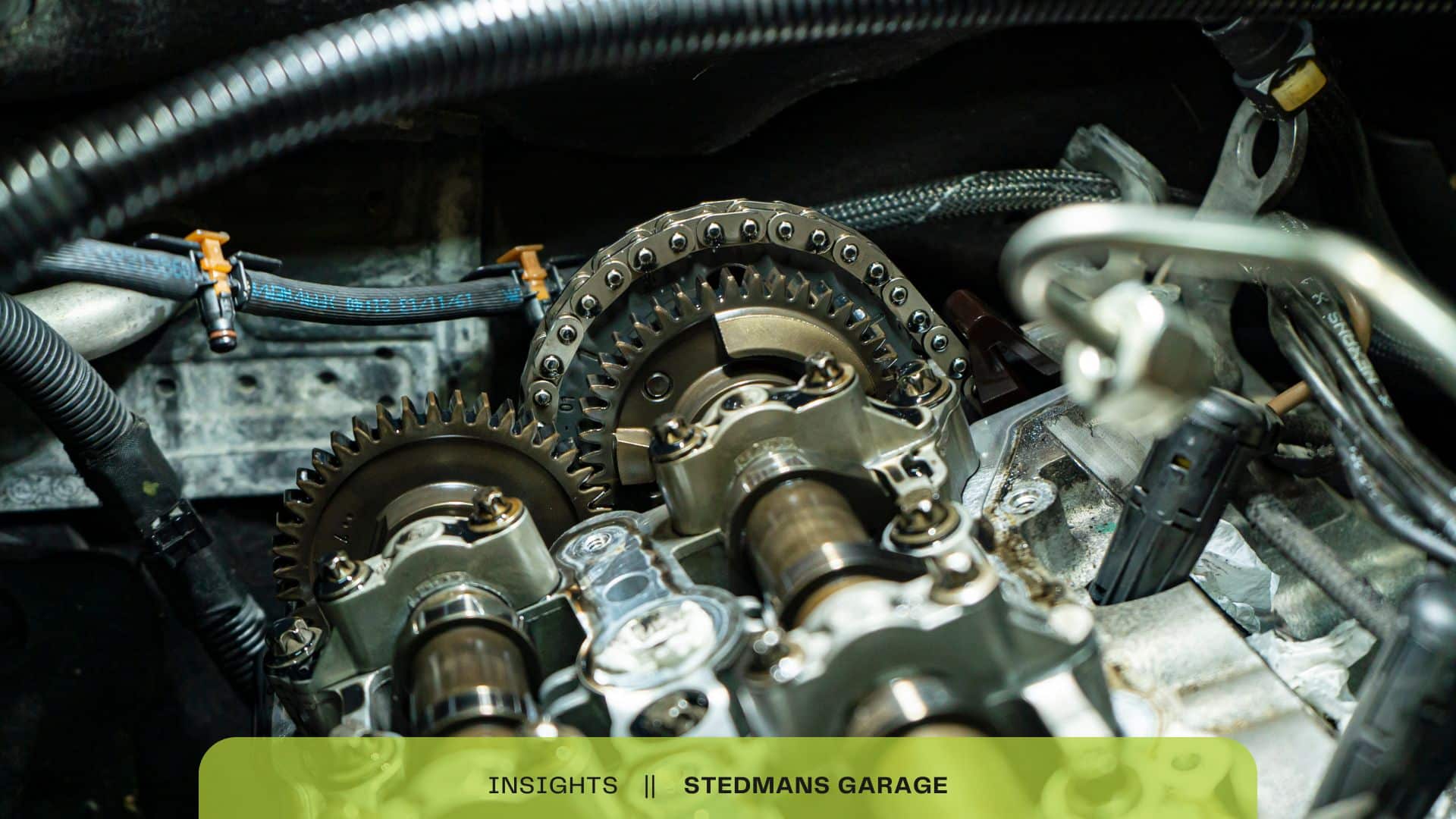
While timing belts have their advantages, many VW owners favour timing chains due to several compelling benefits.
Durability and Longevity
Timing chains generally offer greater longevity than belts. Most timing chains can easily last 100,000 miles or more and, in several cases, can endure for the entire lifespan of the engine itself.
Practical Example: The VW Passat, equipped with a timing chain, often sees its chain last until the very end of its engine life, leading to fewer visits to the garage for this concern.
Lower Maintenance Requirements
Unlike timing belts, timing chains typically require less frequent maintenance. They are often designed for durability and are tensioned automatically, which means they can go without replacement for an extended period.
Saving on Costs: This lower replacement frequency makes timing chains more cost-effective over time, despite their initial higher costs. Owners of vehicles with timing chains report fewer maintenance issues, particularly in performance-driven models like the VW Scirocco.
Comparing Timing Belts and Chains: Key Considerations for VW Owners
When deciding between a VW timing belt and chain, several considerations are vital for UK drivers. Each factor can significantly influence overall vehicle performance and maintenance costs.
Maintenance Costs
Timing Belts: Typically require replacement every 60,000 to 80,000 miles, resulting in moderate costs every few years.
Timing Chains: Though more expensive at the start, the infrequent need for replacement can balance out over time.
Replacement Intervals
This aspect greatly impacts the owner’s schedule, with timing belts demanding routine check-ups, as opposed to timing chains, which can typically be regarded as “set it and forget it” components.
Performance in Various Driving Conditions
City Driving: Frequent stops and starts may wear a timing belt more quickly, affecting its efficiency and necessitating more regular checks.
Motorway Driving: Longer journeys can put less stress on both mechanisms; however, metal chains usually thrive in sustained RPM environments, minimising wear and tear.
Real-World Examples from UK Drivers
Many UK drivers report different experiences based on their engine types and driving habits:
- A driver of a VW Polo with a timing belt experienced consistent replacements every three years, showcasing the financial predictability but added hassle.
- In contrast, a VW Tiguan owner, enjoying the durability of a timing chain, recalls only minor servicing throughout their seven-year ownership.
Actionable Tips for VW Owners: Choosing Between Timing Belts and Chains
Making an informed choice regarding timing mechanisms requires considering the following tips:
- Check Your User Manual: Start by consulting your Volkswagen’s manual to determine if your model features a timing belt or chain. This step will guide your maintenance needs.
- Assess Your Driving Style: Determine whether your driving involves short trips or long-distance commutes. City driving often leads to increased wear on belts, while highway driving can be more forgiving.
- Regular Inspection: Establish a routine to inspect your timing mechanism every six months, noting any unusual noises or performance drops. Both timing belts and chains exhibit signs of wear, such as rattling noises or dips in engine performance.
- Plan for Replacement: If your VW has a timing belt, keep track of recommended replacement intervals and budget for this expense to avoid costly repairs from belt failure.
- Consult with Professionals: Regularly visit a Volkswagen specialist who understands the nuances of VW engines. They can provide tailored insights and advice for your specific model and driving conditions.
Common Signs of Wear
- For Timing Belts: Look for visible cracks or fraying on the belt’s surface.
- For Timing Chains: Pay attention to unusual noises, such as rattling, particularly during cold starts, which may indicate a tensioner issue.
Conclusion
Choosing between a VW timing belt and timing chain is more than a simple decision; it has implications for your vehicle’s performance, maintenance costs, and overall longevity. Understanding these differences and how they pertain to your specific Volkswagen model equips you with the knowledge to safeguard your investment.
By assessing the information provided, you now have a comprehensive understanding of each timing system’s offerings. Ensuring your VW runs smoothly for years to come depends on identifying the right timing mechanism for your engine and adapting your maintenance schedule accordingly.
Don’t leave your vehicle’s longevity to chance! Check your VW’s specifications and maintenance schedule today. Engaging in regular check-ups can pay dividends in performance and reliability, particularly given the unpredictability of British weather. Make your choice wisely for an exhilarating driving experience.