Introduction
For Audi owners across the UK, understanding your car’s suspension system is crucial not only for the comfort of your ride but also for the overall safety and performance of your vehicle. Audi suspension issues are common and can lead to a range of complications if not addressed promptly. In this blog post, we will delve into the various suspension problems that Audi vehicles frequently face, the underlying causes, effective solutions, and preventative maintenance tips are provided. Whether you’re dealing with a bumpy ride, strange noises, or just want to understand routine checks, this comprehensive guide will serve as a valuable resource for both automotive enthusiasts and everyday drivers.
The suspension system is essential for the reliability and handling of your Audi. Understanding its components can empower you to identify potential issues early, ultimately saving you time and money on suspension repairs. We will explore common issues, such as worn shock absorbers and air suspension failures, their symptoms, and when to seek professional help. With the right knowledge and tools, you can maintain your vehicle effectively and enjoy a smoother drive on British roads.
Understanding Audi Suspension Systems

Components and Function of Audi Suspension Systems
Audi suspension systems are designed to provide a smooth and stable ride, facilitating optimal handling and control. Let’s break down the main components:
- Shock Absorbers and Struts: These components regulate the vehicle’s movement over bumps. They absorb shock and prevent excessive bouncing.
- Springs: Springs bear the vehicle’s weight and help maintain the proper ride height. They absorb and store energy during bumps.
- Control Arms: These allow the wheels to move up and down while keeping them aligned with the body of the car.
- Stabiliser Bar: This helps reduce body roll during turns, providing better stability.
- Bushings: These rubberised components help minimise vibrations and absorb noise.
Audi’s suspension systems differ from other makes due to their use of advanced technologies and design philosophies, particularly in models such as the Audi A4 and Q7. These vehicles feature sophisticated setups, such as adaptive air suspension, which adjusts the ride height based on driving conditions, a notable benefit for drivers navigating the often unpredictable UK weather.
Why Suspension Systems Are Essential
The suspension system is paramount for maintaining tire contact with the road. A properly functioning suspension enhances ride comfort and traction while preventing premature tire wear. If any component of the suspension system begins to fail, it can lead not only to a decrease in vehicle performance but also to an increased risk of accidents.
Common Audi Suspension Issues
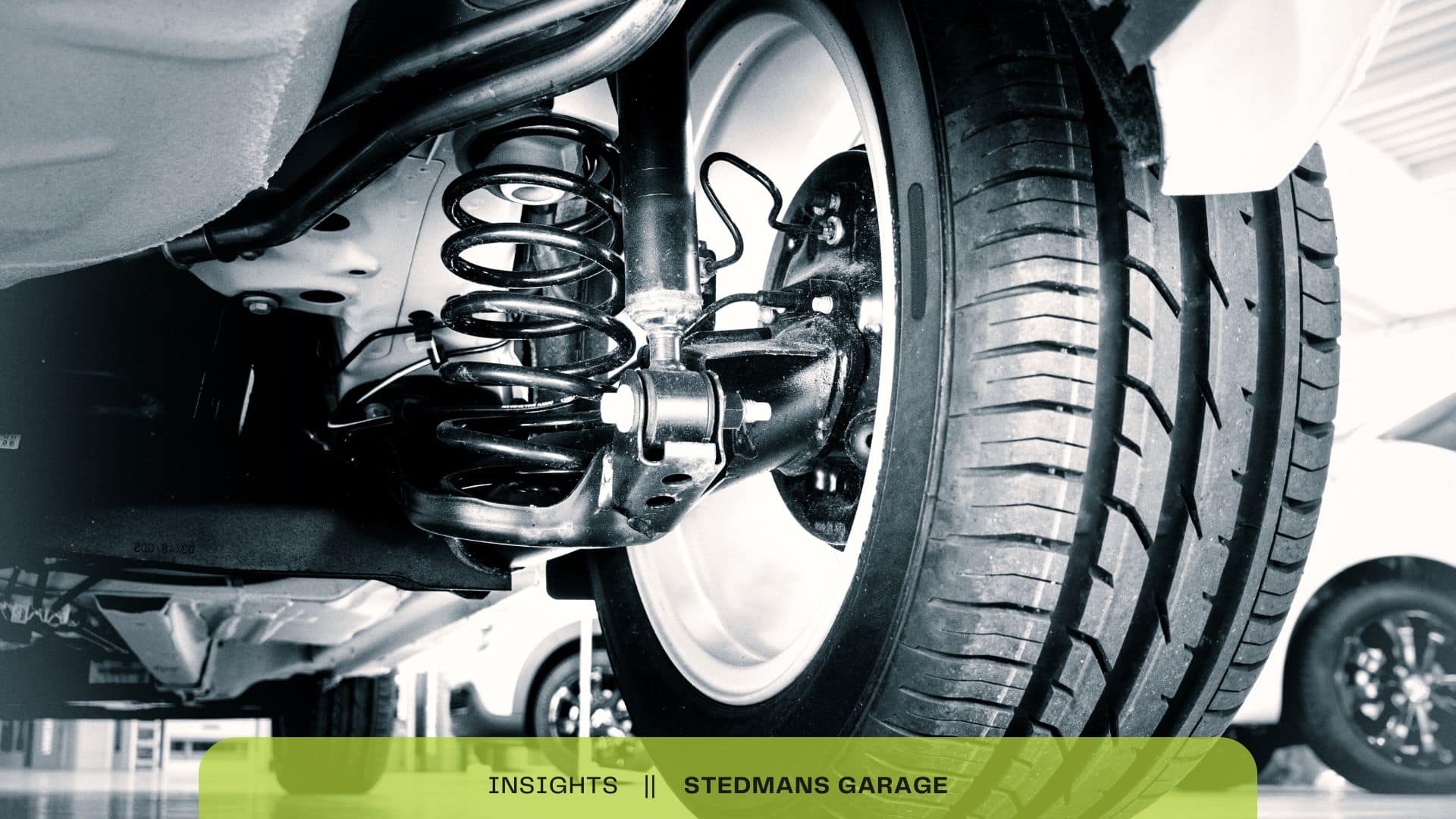
Understanding the most frequent issues faced by Audi drivers can aid in early detection and resolution. Here are the most common problems:
Worn Shock Absorbers and Struts
Symptoms:
- Excessive bouncing or swaying
- Poor handling and control
- Uneven tire wear
Causes: Over time, shock absorbers and struts can become worn due to regular use, road conditions, and lack of maintenance. Frequent exposure to potholes and rough UK roads significantly accelerates wear.
Visual Inspection Methods: Look for visible signs of leaking fluid around the struts, or press down on each corner of the vehicle; if it bounces multiple times before settling, your shocks might be worn.
Advantages of Addressing Worn Shocks:
- Restores ride comfort
- Improves vehicle handling
- Increases safety through better traction
Disadvantages:
- Costly to replace if ignored
- Can lead to further suspension damage
Air Suspension Problems
Common Issues: Air suspension systems, such as those found in models like the Audi A8, can develop issues such as air leaks or compressor failures. Symptoms include noticeable dips in ride height or uneven vehicle stance.
Causes: Deterioration of rubber components or punctures can lead to air leaks, while compressor issues may stem from electrical faults or wear.
Impact: Driving with a defective air suspension can affect stability and control, especially during dynamic driving situations.
Squeaking or Noisy Suspension
Causes: Noises can stem from several issues such as worn bushings, dry joints, or damaged mounts. Squeaks and creaks during bumps should not be ignored, as they indicate underlying issues.
When to Seek Help: If you hear unusual sounds during acceleration or braking or when navigating rough roads, it’s time for an inspection.
Advantages of Early Detection:
- Prevents further damage
- Lowers repair costs
- Enhances driving comfort
Disadvantages of Ignoring Noise:
- Potential loss of handling
- Increased wear on related components
Identifying Suspension Problems Early
The ability to spot early signs of suspension wear can save you from costly repairs.
How to Spot Early Signs of Suspension Wear
- Listen for Noises: Pay attention to any unusual sounds like clunks, bangs, or squeaks.
- Observe Handling: Notice how the vehicle reacts to road conditions. Does it sway excessively or feel unsteady during turns?
- Inspect Tire Wear: Check for uneven wear patterns, this can be a sign of misalignment, often tied to suspension issues.
- Look for Physical Distortions: Inspect your vehicle’s stance; if it appears lower on one side, it could indicate an issue.
- Perform a Bounce Test: Push down on each corner of the vehicle; if it keeps bouncing, your shocks might be worn.
By regularly monitoring these factors, UK Audi owners can prevent potential problems before they escalate. This proactive approach not only preserves vehicle integrity but also ensures optimal safety.
Solutions and Repairs for Audi Suspension Problems

Once you’ve identified a suspension issue, consider the best course of action.
DIY Repairs vs. Professional Services
DIY Repairs
For minor problems, some Audi owners may choose to tackle repairs themselves. Here are common fixes:
- Replacing Shock Absorbers: Assess your skill level and follow video guides specific to your Audi model.
- Checking Fluid Levels: For air suspension, monitor air lines for leaks.
Cost Implications: DIY repairs can greatly reduce costs but require time, effort, and tools.
Professional Services
For significant issues or when lacking experience, visiting a reputable garage is advisable.
- Reputable Garages: Look for garages with a solid reputation in suspension repairs, such as local Audi specialists in the UK.
- Cost of Repairs: Professional repairs can range from £200 to £1,500, depending on the problem and parts needed.
Recommended Service Centres in the UK
- Audi Service Centres: Official garages provide the best expertise tailored to your vehicle’s requirements.
- Independent Specialists: Research local reviews to find highly-rated suspension specialists who focus on Audi vehicles.
Maintenance Tips to Prevent Suspension Issues
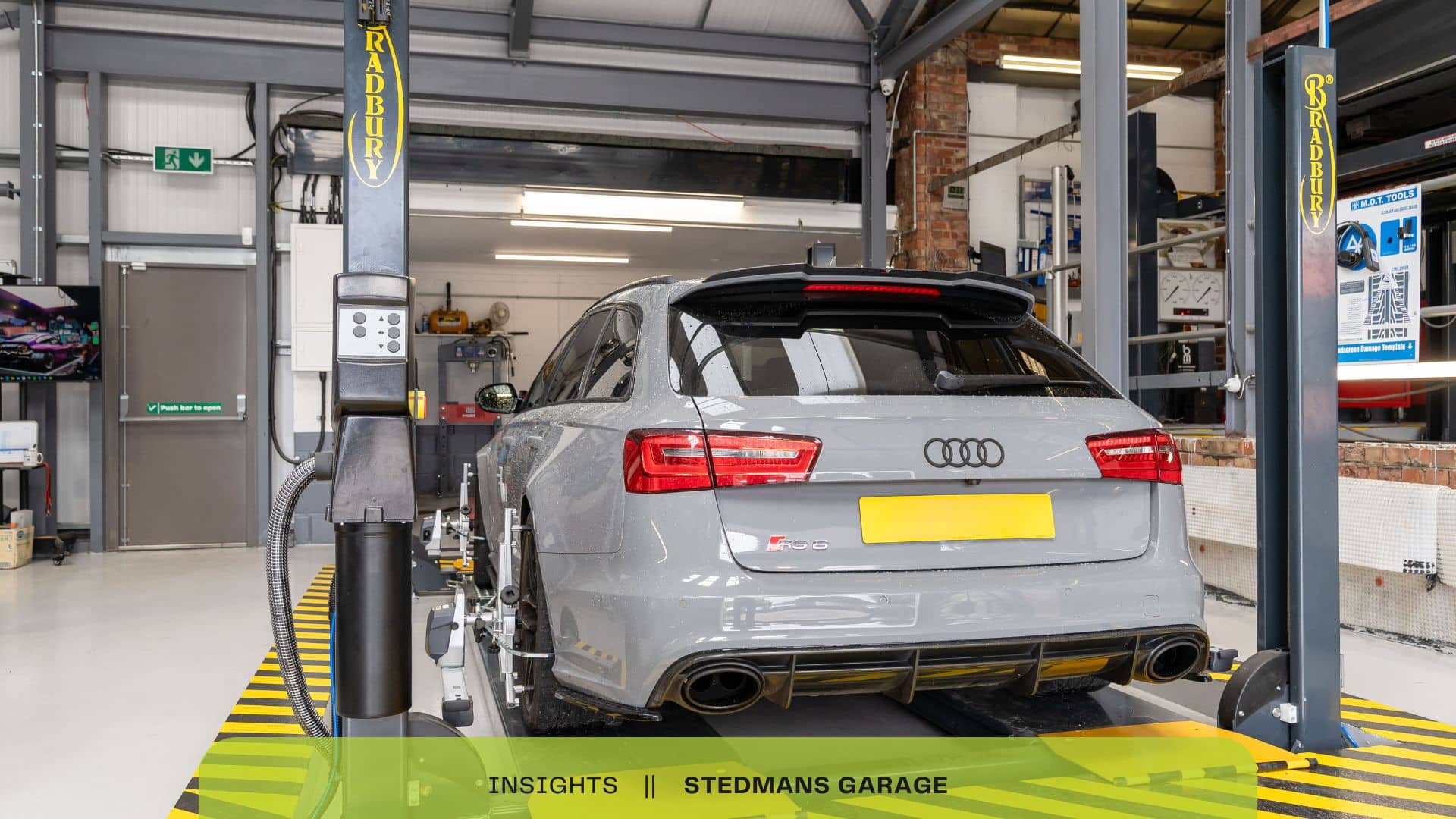
Prevention is always preferable to cure. Here’s how to maintain your Audi’s suspension effectively:
Routine Checks and Long-Term Care
- Regular Visual Inspections: Check for leaks, cracks, or corrosion around suspension components every few months.
- Check Alignment: Regular alignment checks are crucial, especially after hitting potholes or curbs.
- Monitor Tyre Conditions: Ensure tyres are correctly inflated and check for uneven wear, which can hint at suspension problems.
- Driving Habits: Avoid aggressive driving and steer clear of potholes to reduce stress on the suspension system.
- Service Intervals: Consult your owner’s manual for specific service intervals for shock absorbers and struts; most Audi models recommend inspections every 20,000 to 30,000 miles.
- Weather Considerations: The UK’s damp climate can contribute to corrosion. Keep your vehicle clean and waxed to add a protective barrier.
Actionable Tips for Maintaining Audi Suspension Systems
To ensure a trouble-free experience with your Audi’s suspension, consider these step-by-step maintenance tips:
- Schedule Regular Maintenance: Book an annual suspension inspection with a qualified mechanic. Keep track of when you last replaced or serviced suspension components.
- Visual Inspections (Monthly): Look for signs of wear on shock absorbers, springs, and bushings. Check the vehicle’s stance and ride height.
- Driving Style: Be moderate on bumps and rough roads. Avoid sharp turns at high speeds.
- Seasonal Vehicle Prep: Before winter, inspect your suspension components for damage, particularly if you drive frequently on salted roads. Use rust-inhibiting sprays for metal parts.
- Document Everything: Keep meticulous records of all repairs and maintenance. This can help track recurring issues and support resale value.
Recommended Tools for DIY Checks
- Jack and Jack Stands: Essential for lifting the car safely for inspections.
- Torque Wrench: Useful for checking fasteners and fittings.
- Basic Mechanic’s Tool Set: Ensure you have the necessary tools for any basic repairs or inspections.
Conclusion
Addressing Audi suspension issues promptly is vital for maintaining your vehicle’s safety, performance, and comfort. By understanding the common problems, their causes, and solutions, you can effectively care for your Audi’s suspension system. Regular maintenance checks and adopting preventative measures can save you money while providing a smoother driving experience.
As you put many miles on your Audi, consider evaluating its suspension today. Pay attention to the signs, consult with professionals when needed, and take responsibility for your vehicle’s upkeep. Your Audi will thank you with improved performance and longevity!