Introduction
For vehicle owners, fleet managers, and automotive professionals, the air conditioning (AC) system is essential for comfort in hot summer months. A well-functioning AC system not only enhances the driving experience but also plays a crucial role in maintaining vehicle safety by keeping drivers alert and comfortable. However, neglecting necessary maintenance can lead to discomfort and potentially costly repairs. Understanding when to book an aircon re-gas is critical to preventing these issues, ensuring that your vehicle remains a comfortable haven regardless of external temperatures.
Understanding Air Conditioning Systems
How Vehicle Air Conditioning Systems Operate
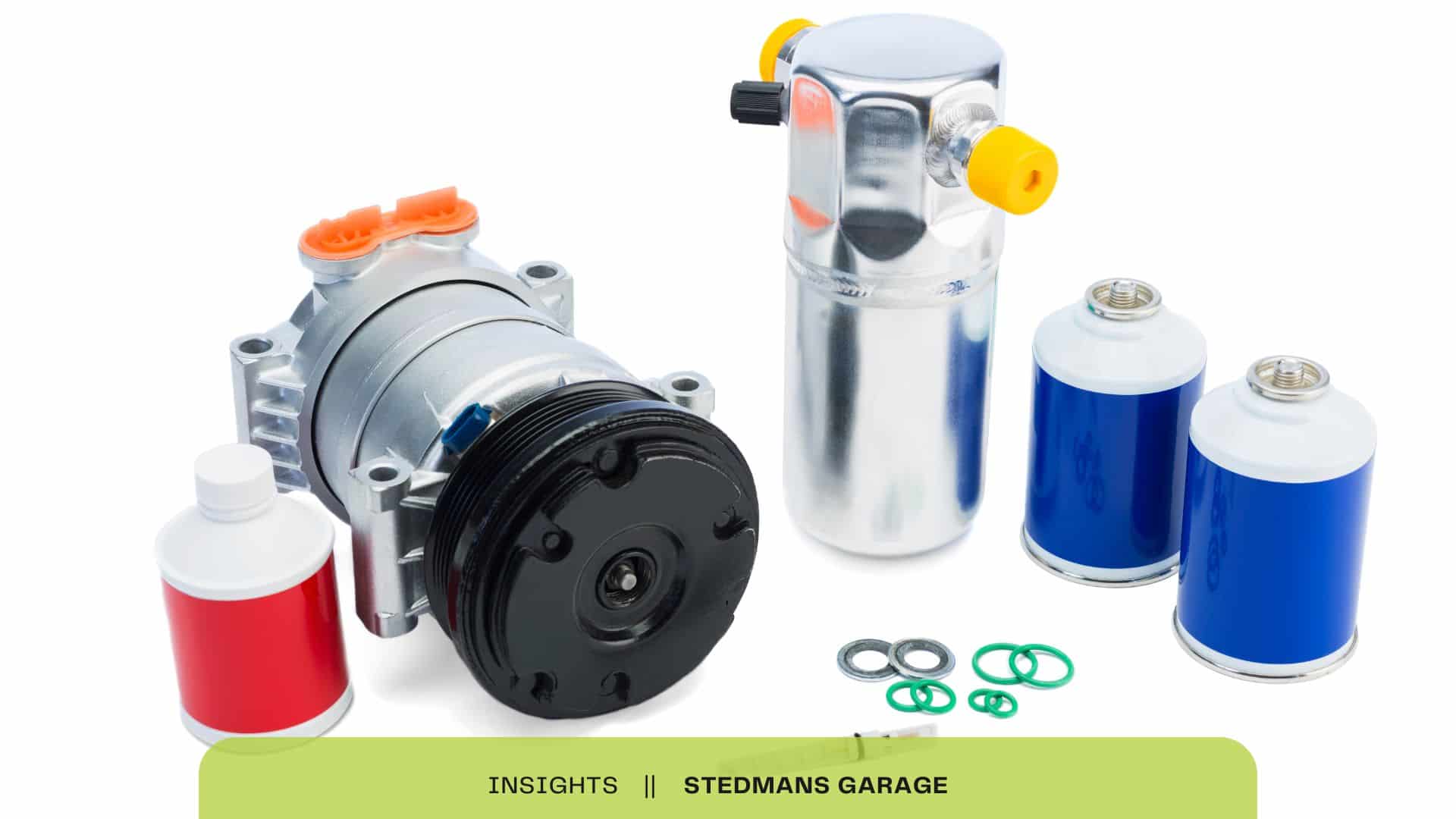
To understand the need for regular air conditioning re-gas, it is crucial to know how vehicle AC systems operate. An AC system consists of several key components: the compressor, condenser, evaporator, and expansion valve, each playing a vital role in the cooling process.
- Compressor: Often referred to as the heart of the AC system, the compressor circulates refrigerant throughout the system. It compresses refrigerant gas, raising its temperature and pressure before sending it to the condenser.
- Condenser: Located at the front of the vehicle, the condenser dissipates heat from the refrigerant, transforming it from a gas into a liquid. This process helps cool the refrigerant before it moves to the evaporator.
- Evaporator: The evaporator is located inside the vehicle’s cabin. Here, the refrigerant absorbs heat from the interior, causing it to evaporate back into a gas. This process cools the air circulated inside the vehicle.
- Expansion Valve: This component regulates the flow of refrigerant into the evaporator. It allows high-pressure liquid refrigerant to expand and cool before entering the evaporator, where it can absorb heat.
Refrigerant Types and Regulations
The type of refrigerant used in vehicle AC systems is crucial for both performance and environmental impact. In the UK, two common refrigerants are:
- R134a: This refrigerant has been widely used for many years but has a high global warming potential (GWP). Due to environmental concerns, its use is increasingly restricted.
- R1234yf: This newer refrigerant is seen as a more environmentally friendly alternative to R134a. It has a significantly lower GWP, making it a preferred choice for many modern vehicles.
The use and disposal of these refrigerants are governed by the F-gas regulations in the UK. These regulations aim to reduce the emissions of fluorinated greenhouse gases, which include refrigerants like R134a and R1234yf. Under these regulations, specific procedures must be followed for the handling and disposal of refrigerants to minimise their impact on the environment. Using qualified technicians who are trained to handle refrigerants safely is crucial for compliance with these regulations.
The Role of Refrigerant
Refrigerant is the lifeblood of the air conditioning system, facilitating the cooling process by absorbing and releasing heat. The refrigerant circulates through the system in a closed loop, transitioning between gas and liquid states to absorb heat from the cabin and release it outside. Maintaining the correct refrigerant levels is essential for optimal performance; low levels can significantly diminish the system’s cooling efficiency and lead to further complications.

Signs That an Aircon Re-gas Is Needed
Recognising indicators that suggest an air conditioning re-gas is necessary is crucial for vehicle maintenance. Here are some common signs:
- Reduced Cooling Efficiency: A noticeable decline in cooling efficiency, such as the AC blowing warm air or failing to lower the interior temperature adequately, indicates insufficient refrigerant levels. This affects comfort and can lead to increased wear on the system.
- Unusual Noises from the System: When an AC system operates correctly, it should run quietly. Unusual noises like hissing, grinding, or clicking may suggest low refrigerant levels or mechanical issues. Ignoring these sounds can lead to damage to the compressor or other components.
- Presence of Refrigerant Leaks: Oily residue around AC components, especially hoses or connections, could indicate a refrigerant leak. A leak compromises cooling efficiency and can cause severe damage if left unaddressed. If you suspect a leak, it’s crucial to have the system inspected and recharged promptly.
- Increased Humidity Inside the Cabin: A functioning AC system dehumidifies the air inside the vehicle. Increased humidity or a musty smell may indicate ineffective operation due to low refrigerant levels, making driving uncomfortable and potentially leading to mould growth.
- Frequent Cycling of the AC System: If the AC system frequently turns on and off, known as “short cycling,” it may signal low refrigerant levels. The compressor may struggle to maintain pressure, leading to inefficient operation and excessive wear on the system.
Recognising these signs early can help prevent further damage and ensure your vehicle’s air conditioning system operates efficiently. If you encounter any of these symptoms, it’s advisable to book an aircon re-gas as soon as possible.
Frequency of Aircon Re-gas
Understanding how often to schedule air conditioning re-gas is essential for maintaining optimal performance. While there is no one-size-fits-all answer, several factors influence the frequency of re-gas appointments:
- Manufacturer Recommendations: Most vehicle manufacturers provide guidelines on how often to check and replenish refrigerant levels. Generally, it is recommended to have an air conditioning re-gas every one to two years, depending on the vehicle model and usage. Always consult your vehicle’s owner manual for specific recommendations.
- Vehicle Usage: The frequency of re-gas can depend on how often the vehicle is used. If you use your vehicle frequently, particularly in hot climates, the AC system works harder, leading to a more rapid decline in refrigerant levels. Conversely, infrequent use may mean less frequent re-gas.
- Climate Conditions: The environment in which the vehicle operates can significantly influence the AC system’s performance. In hot and humid areas, the AC system must work harder, leading to quicker refrigerant depletion. Vehicles driven primarily in cooler climates may require less frequent re-gas.
- Age of the Air Conditioning System: As an AC system ages, it may become more prone to leaks and other issues. Older systems may require more frequent re-gas due to natural wear and tear. Regular maintenance checks can help identify problems before they escalate.
- Signs of Low Refrigerant: Symptoms such as reduced cooling efficiency or unusual noises can indicate that a re-gas is needed. If you notice any of these signs, it is essential to have the system serviced promptly, regardless of the time elapsed since the last re-gas.
Maintaining regular air conditioning maintenance, including timely re-gas appointments, can enhance system performance and prevent more significant issues down the line.
The Re-gas Process
The air conditioning re-gas process is crucial for restoring your vehicle’s AC system to optimal performance. Here’s a step-by-step breakdown of what technicians typically do during a re-gas appointment:
- Initial Inspection: A qualified technician conducts a thorough inspection of the air conditioning system. This includes checking for visible signs of leaks, inspecting the compressor, and assessing the overall condition of components. If any underlying issues are identified, they may need to be addressed before proceeding with the re-gas.
- Refrigerant Recovery: The technician uses a specialised recovery machine to remove existing refrigerant. This is essential for ensuring that any old or contaminated refrigerant is safely disposed of in accordance with environmental regulations. Recovering the refrigerant also allows technicians to assess the amount lost and diagnose potential leaks.
- System Vacuuming: Once the refrigerant is removed, the technician vacuums the system to eliminate any air and moisture. Moisture can lead to corrosion and damage within the AC system, so this step is crucial for maintaining a healthy system. Vacuuming typically takes around 30 minutes to ensure all contaminants are removed.
- Leak Testing: After vacuuming, the technician performs a leak test to verify the integrity of the system. This involves pressurising the system and monitoring for any drops in pressure. If a leak is detected, it will need to be repaired before adding new refrigerant.
- Adding Fresh Refrigerant: Once the system has been thoroughly checked and vacuumed, the technician adds fresh refrigerant. They ensure that the correct type and amount of refrigerant is used, as specified by the vehicle manufacturer. This step restores cooling efficiency and overall system performance.
- Testing the System: After the re-gas is completed, the technician tests the AC system to ensure it operates correctly. They check for proper airflow, temperature, and any unusual noises. If everything functions as it should, the vehicle owner will be informed that the re-gas process is complete.
- Final Inspection and Documentation: A final inspection ensures that all components function correctly and that there are no signs of leaks. The technician provides documentation detailing the work performed, including the amount of refrigerant added and any repairs carried out.
Understanding the re-gas process helps vehicle owners appreciate the importance of professional services and the value of maintaining their vehicle’s AC system.
Benefits of Regular Re-gas and Maintenance
Scheduling regular air conditioning re-gas services is beneficial for several reasons, significantly contributing to the overall performance and longevity of your vehicle’s cooling system. Here are some key advantages:
- Improved Cooling Efficiency: A primary benefit of regular air conditioning re-gas is the restoration of cooling efficiency. When refrigerant levels are optimal, the system can effectively cool the cabin, providing a comfortable environment for occupants. This is particularly important during hot summer months when reliable air conditioning is crucial.
- Enhanced Fuel Economy: A well-maintained air conditioning system can lead to improved fuel economy. When the AC system operates efficiently, it places less strain on the engine, allowing it to run more smoothly and effectively. This can translate into better fuel consumption, saving vehicle owners money at the pump.
- Extended Lifespan of the Air Conditioning System: Regular maintenance, including timely re-gas appointments, can significantly extend the lifespan of the air conditioning system. By addressing issues early and ensuring adequate refrigerant levels, vehicle owners can prevent more significant problems from developing, ultimately avoiding costly repairs.
- Prevention of Costly Repairs: Neglecting air conditioning maintenance can lead to severe and costly repairs down the line. Regular re-gas appointments help identify potential issues early, reducing the risk of mechanical failures and the need for expensive replacements. By investing in maintenance, vehicle owners can save money in the long run.
- Comfort for Occupants: A properly functioning air conditioning system is essential for ensuring comfort within the vehicle. By maintaining optimal refrigerant levels and addressing any issues promptly, vehicle owners can ensure a pleasant driving experience for themselves and their passengers.
- Increased Resale Value: For vehicle owners looking to sell their cars, a well-maintained air conditioning system can enhance resale value. Potential buyers often look for vehicles in good working order, and an efficiently operating air conditioning system can be a significant selling point.
Investing in regular air conditioning re-gas and maintenance is not merely about comfort; it is a vital aspect of vehicle upkeep that can yield numerous long-term benefits.
Environmental Considerations
Environmental considerations related to refrigerant handling and disposal are paramount. Using qualified technicians trained to handle refrigerants safely is crucial for compliance with regulations and environmental protection. Improper handling of refrigerants can lead to harmful emissions, contributing to global warming and ozone depletion.
It is essential for vehicle owners to understand the importance of responsible refrigerant disposal and the impact of refrigerants on the environment. By ensuring that their AC systems are serviced by professionals who follow best practices, vehicle owners contribute to a more sustainable future.
Conclusion
In conclusion, understanding when to book an aircon re-gas and how to identify if it is needed is essential for vehicle owners, fleet managers, and automotive professionals alike. Recognising the signs of low refrigerant levels, maintaining regular re-gas appointments, and comprehending the re-gas process can ensure that your vehicle’s air conditioning system operates efficiently.
Regular maintenance not only enhances comfort and fuel economy but also extends the lifespan of the system and prevents costly repairs in the future. Vehicle owners should remain vigilant for any indicators of air conditioning issues and prioritise timely re-gas appointments as a critical part of vehicle upkeep.