Understanding BMW xDrive: The Basics
Overview of BMW’s Intelligent All-Wheel-Drive System
BMW’s xDrive system is an innovative all-wheel-drive (AWD) technology designed to enhance both handling and safety in a variety of driving conditions. xDrive dynamically adjusts power distribution between the front and rear axles to ensure optimal traction. For example, in normal driving conditions, the system can split power 40:60 between the front and rear axles. In contrast, under slippery or off-road conditions, it can direct more power to the axle with the most grip.
Focusing on both performance and safety, xDrive helps maintain control by reducing oversteer and understeer, ensuring a seamless and sporty driving experience. Through its intelligent management of power, xDrive is capable of adapting to changes in surface conditions or driver inputs in milliseconds.
Key Components of the xDrive System
The key components of the xDrive system include:
- Transfer Case: This crucial component acts as the central hub for distributing power between the front and rear axles.
- Differential Gears: At both the front and rear axles, the differential gears help manage the power distribution to individual wheels, essential for cornering and maintaining traction.
- Electronic Control Unit (ECU): The ECU monitors wheel speed, steering angle, and acceleration rates to determine the optimal power distribution instantly.
- Sensors: Various sensors work in tandem with the ECU to assess traction and road conditions in real-time. These include wheel speed sensors, yaw sensors, and steering angle sensors.
How xDrive Differs from Traditional AWD Systems
Traditional AWD systems generally have a fixed power distribution that either remains constant or changes only when slip is detected. In contrast, xDrive is proactive. It continuously adjusts the power distribution preemptively based on driving conditions and driver behaviour. This dynamic adjustment is made possible by the electronic control system that processes data from multiple sensors.
Traditional AWD systems also often lack the fine-tuned control found in xDrive, leading to less efficient power management and higher fuel consumption. xDrive’s ability to reduce unnecessary power transfer results in better fuel efficiency, heightened vehicle control, and improved tyre longevity.
Moreover, BMW’s xDrive system integrates with other driver-assistance systems such as Dynamic Stability Control (DSC) and Anti-lock Braking System (ABS). These integrations further enhance the vehicle’s ability to manage various driving scenarios, making xDrive a sophisticated and responsive AWD solution.
Understanding the fundamentals and unique attributes of the BMW xDrive system is essential for appreciating its contributions to vehicle performance and safety. The proactive and adaptive characteristics of xDrive stand out as a significant evolution over traditional AWD systems.
Regular Maintenance Schedule

Maintaining the xDrive system in peak condition requires strict adherence to BMW’s recommended service intervals. BMW suggests a maintenance service every 5,000 miles, although a Condition Based Service (CBS) monitor will track key areas and signal when additional services are necessary. Let’s break down these intervals and key tasks.
Recommended Service Intervals for xDrive Components
BMW’s service schedule typically spans every 5,000 miles with a more comprehensive inspection between 18,000 and 22,000 miles. While these are general guidelines, the CBS monitor takes into account driving conditions and style to adjust the exact timing dynamically.
Importance of Following BMW-Specific Maintenance Guidelines
BMW’s guidelines are tailored specifically to xDrive vehicles to ensure optimum performance and longevity. Skipping recommended services or using non-approved parts can hinder the system’s performance and lead to costly repairs down the line. The CBS system is an invaluable tool, not just for convenience but for maintaining the integrity of the vehicle’s systems.
Key Maintenance Tasks for Different Mileage Milestones
- Every 5,000 Miles: Basic inspection and vehicle checks. These check the system’s general health, ensuring no immediate issues arise.
- 18,000 to 22,000 Miles: Comprehensive service as indicated by the CBS. This includes a thorough inspection of the electronic control unit and sensors related to the xDrive system. Transfer case fluid and differential fluid levels begin to be of concern around this mileage, warranting close attention.
- 60,000 Miles: Fluid changes in both differentials and the transfer case are usually recommended. Some independent shops might suggest waiting until 100,000 miles, but it is safer to follow BMW’s guidance for a 60,000-mile fluid change to avoid risking long-term damage.
Staying on top of these maintenance tasks ensures that the xDrive system remains in optimal working order. Don’t overlook the importance of regular checks, especially if the vehicle is often subjected to severe driving conditions or if it is used for towing.
Following these maintenance schedules not only maintains the system’s efficiency but also protects your investment in the vehicle. Properly maintained vehicles have fewer issues, thus reducing long-term expenses.
Tyre Care and Rotation
Proper tyre care and rotation are critical for maintaining the optimal performance of BMW’s xDrive system. This system relies heavily on the tyres to ensure smooth and efficient operation, thereby requiring specific attention to tyre matching, rotation patterns, and monitoring tyre wear.
Importance of Proper Tyre Matching for xDrive Systems
Matching the tyres correctly is crucial for an xDrive vehicle. The system demands that all four tyres have nearly identical diameters and tread depths to function correctly. Specifically, the difference in tread depth should not exceed 2mm on each axle to prevent unnecessary strain on the drivetrain and to ensure optimal traction and stability. Mismatched tyres can cause uneven wear and affect the way the xDrive distributes power, which can potentially damage the transfer case or differential.
Recommended Tyre Rotation Patterns and Intervals
To maintain balance and longevity of the tyres, regular rotation is necessary. For BMW xDrive vehicles, rotating the tyres every 5,000 to 7,500 miles is generally recommended. Utilising an “X” pattern, where the front tires move to the opposite rear positions and vice versa, helps ensure even wear across all tyres.
Impact of Tyre Wear on xDrive Performance
Tyre wear significantly impacts the performance and efficiency of the xDrive system. Uneven tyre wear can lead to reduced traction and handling issues, as well as an increased risk of mechanical problems. In severe cases, it can confuse the vehicle’s traction control system, thinking that traction loss is occurring more frequently than it actually is. Maintaining even tyre wear through proper rotation ensures the xDrive system functions as intended, providing the best possible performance and safety for the vehicle.
Ensuring that tyres are kept in optimal condition by adhering to regular rotation schedules and monitoring wear will prevent complications and extend the lifespan of both the tyres and the xDrive components. Properly cared-for tyres facilitate efficient power distribution and traction, making every journey smooth and safe.
Taking care of the tyres also aligns with the broader context of fluid maintenance, which is another critical aspect for the overall health and longevity of the xDrive system.
Fluid Maintenance
Proper fluid maintenance is vital for the optimal performance and longevity of the BMW xDrive system. This chapter delves into the key aspects of fluid maintenance, including transfer case fluid inspection and replacement, differential fluid maintenance requirements, and the recommended fluid types and change intervals.
Transfer Case Fluid Inspection and Replacement
The transfer case fluid plays a critical role in ensuring the smooth operation of your BMW’s all-wheel-drive system. Over time, the fluid can degrade due to heat and friction, losing its effectiveness.
Inspection
Regular inspection of the transfer case fluid is recommended. Signs of fluid degradation include any noticeable change in colour, consistency, or presence of debris. A telltale indication of a problem could be noise emanating from the transfer case or an oil leak.
Replacement
The general guideline for replacing transfer case fluid falls between 30,000 to 60,000 miles, depending on driving conditions. For most BMW models equipped with xDrive, this replacement interval is crucial to avoid potential system failures. It’s noteworthy that BMW transitioned to a synthetic fluid known as DTF-1, which provides better lubrication and higher temperature tolerance compared to its predecessor, TF-0870.
Differential Fluid Maintenance Requirements
Differential fluid is essential in maintaining the gear mechanisms within the differential, ensuring smooth and efficient power transfer to the wheels.
Inspection
Differential oil should be regularly inspected for contamination and viscosity breakdown. Any metallic particles or darkened oil indicate that it’s time for a change. Periodic checks will prevent excessive wear and potential component failure.
Replacement
The differential fluid in BMW xDrive systems typically needs to be changed between 20,000 and 50,000 miles to retain its lubricating properties. Given the differentials operate in harsh conditions under substantial mechanical stress, replacing the fluid every 40,000 to 60,000 miles is recommended.
Recommended Fluid Types and Change Intervals
The specific types of fluids used in BMW xDrive systems and their respective change intervals are vital for adherence to BMW’s maintenance guidelines.
- Transfer Case Fluid: The transfer case should be filled with DTF-1 synthetic fluid. Changing this fluid every 30,000 to 60,000 miles ensures optimal performance.
- Differential Fluid: BMW recommends using 75W-90 differential fluid, such as LIQUI MOLY or the standard BMW differential fluid. This should be replaced approximately every 40,000 to 60,000 miles to maintain the health of the differential components.
Maintaining these fluids at recommended intervals is vital for preventing issues and sustaining the xDrive system’s efficiency. As you continue with your BMW xDrive maintenance journey, understanding the importance of fluid care sets the foundation for addressing warning signs and troubleshooting issues effectively.
Warning Signs and Troubleshooting
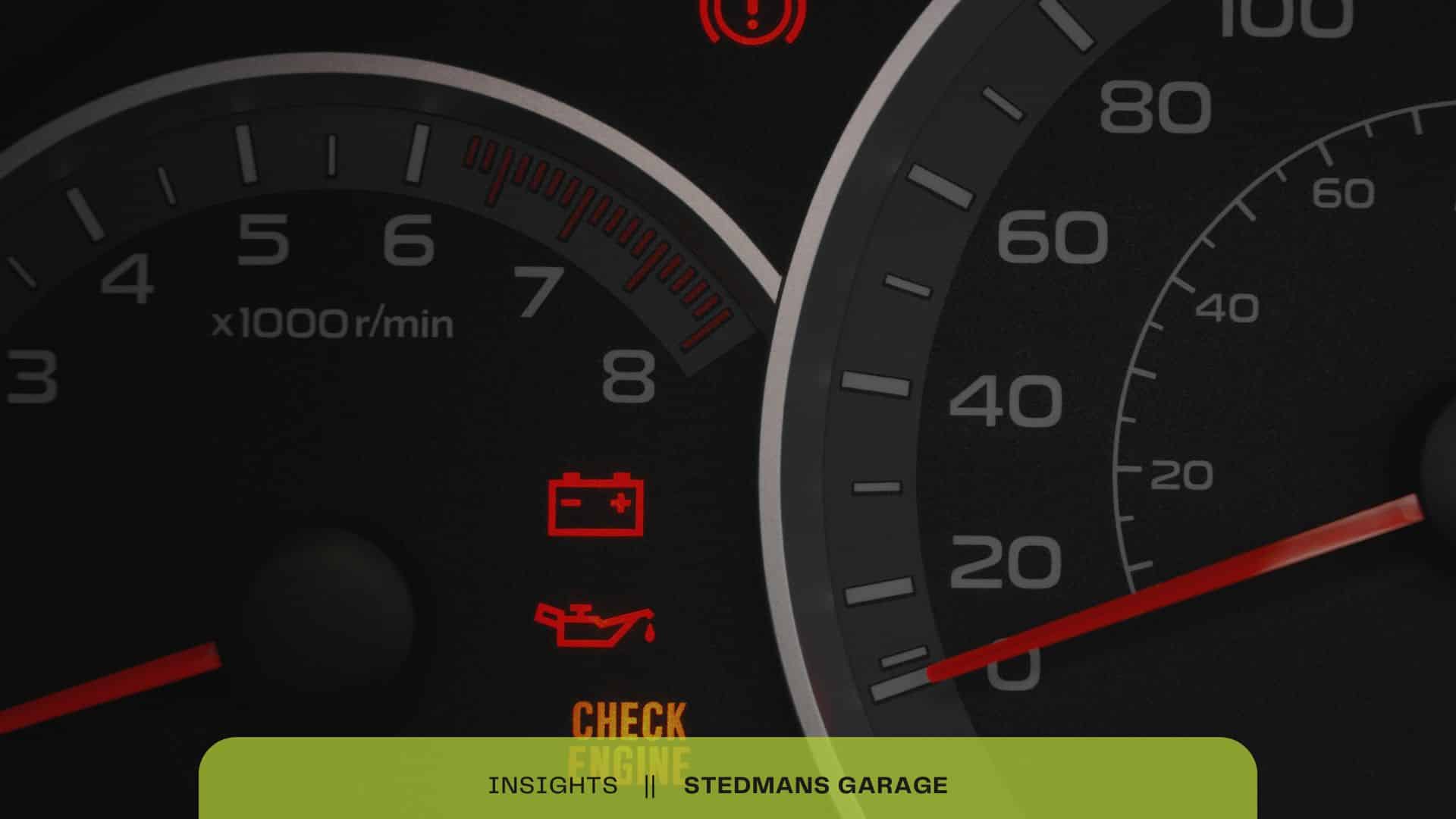
BMW’s xDrive system is renowned for its advanced all-wheel-drive technology, but like any complex system, it can experience issues over time. Recognising the early warning signs can prevent more severe damage and costly repairs.
Common xDrive System Warning Indicators
The xDrive system is equipped with various sensors and control units that monitor its performance. Common warning indicators to watch for include:
- Dashboard Lights: The most immediate indication is the appearance of warning lights on the dashboard, such as the ABS or AWD system light.
- Error Messages: Error messages may appear on the vehicle’s display screen, often indicating a fault in the xDrive system.
- Limited Performance: Alerts about limited or reduced performance can signify an issue with the xDrive components.
Typical Symptoms of xDrive System Issues
Beyond visual indicators, certain behaviours and performance problems can hint at underlying xDrive system issues:
- Unusual Noises: Grinding, clunking, or whining noises, particularly when turning or accelerating, can indicate problems with the differential or transfer case.
- Handling Problems: Poor handling, such as a lack of responsiveness or unusual steering behaviours, may be a sign of an imbalance in the AWD system.
- Uneven Tyre Wear: Should tyres wear unevenly, it could signify a misalignment or issue within the xDrive system, exacerbating traction issues.
- Vibration or Shuddering: Feeling vibrations or shudders, especially during acceleration, might suggest problems with the drive shaft or a fault in the drivetrain.
When to Seek Professional Assistance
While some minor issues might be addressed with basic troubleshooting, certain situations necessitate professional help:
- Persistent Warnings: If dashboard warning lights or error messages persist after basic checks, professional diagnostics are crucial.
- Consistent Performance Issues: Continuous poor performance, such as handling problems or vibrations, should be examined by a certified BMW technician.
- Fluid Leaks: Any signs of fluid leaks from the differential or transfer case demand immediate attention to prevent further damage and maintain safety.
- Suspicious Noises: Constant or worsening noises warrant a comprehensive inspection by a professional to identify and rectify the root cause.
Regularly monitoring for these warning signs and addressing them promptly can help maintain the health of your xDrive system. Maintaining awareness and vigilance ensures that minor issues do not escalate into significant repairs, keeping your vehicle running in optimal condition.
Winter Care and Considerations

Special Maintenance Requirements for Cold Weather
The winter season presents unique challenges for your BMW xDrive vehicle, and it’s essential to prepare it adequately for colder temperatures. Comprehensive winter maintenance can ensure optimal performance and safety even in harsh conditions.
- Tyre Changes: Switch to high-quality winter or all-season tyres before winter sets in. Winter tyres provide better traction on icy or snowy roads compared to summer or all-season tyres. They maintain flexibility even at low temperatures, ensuring you have maximum grip.
- Snow Chains: If you expect to drive through areas with heavy snow, having snow chains as part of your emergency kit is a good idea. Ensure they are compatible with your tyres and learn how to fit them properly.
- Brakes and Fluids Check: Inspect your brake system and top off or replace brake fluid as needed. Use BMW-approved antifreeze and winter-grade windshield washer fluid to prevent freezing.
- Battery Health: Cold weather can significantly impact battery performance. Have your battery and its connections checked by a professional to avoid unexpected failures. If necessary, replace an old battery before winter.
- Wiper Blades and Fluid: Use winter-grade windshield washer fluid and replace your wiper blades to ensure clear visibility during snow and ice.
Winter Driving Tips for xDrive Vehicles
Driving in winter conditions requires more caution and adjustments to your usual driving habits to maintain safety.
- Utilise Driving Modes: Make use of BMW’s Dynamic Stability Control (DSC) and other winter-specific modes. These settings help keep your vehicle stable by adjusting power distribution and traction as needed.
- Drive Smoothly: Abrupt movements can lead to loss of control on icy roads. Accelerate gently, steer smoothly, and brake progressively to maintain traction.
- Maintain Safe Distances: Increase your following distance significantly. It takes longer to stop on slippery surfaces, so giving yourself more space can prevent accidents.
- Adjust Speed: Even with xDrive, driving at excessive speeds on snow or ice can be perilous. Reduce your speed to match road conditions and the vehicle’s performance capabilities in winter conditions.
Preventive Measures for Harsh Weather Conditions
Proactively taking preventive steps can safeguard your BMW xDrive from the detrimental effects of severe cold weather.
- Warm-Up Routine: Allow your engine to warm up for a few minutes before driving. This practice ensures that fluids circulate properly and critical components reach optimum operating temperatures before you start your journey.
- Winter Safety Kit: Carry an emergency kit in your car, including items like blankets, first-aid supplies, a flashlight, non-perishable snacks, and a shovel. This can be a lifesaver in case of a breakdown or being stranded.
- Regular Inspections: Inspect your lights, both interior and exterior, to ensure they are functioning correctly. Bright and well-functioning lights are crucial for visibility in poor weather conditions.
By following these guidelines, maintaining and driving your BMW xDrive in winter can be safer and more reliable. Preparing adequately for winter helps you enjoy the benefits of the xDrive system in any conditions.
Cost Considerations and Preventive Care

Long-term Maintenance Costs and Budgeting
BMW vehicles, including those equipped with the xDrive system, require a significant investment in maintenance over their lifespan. Owners should budget between £450 to £800 annually for routine services, which is relatively higher compared to other brands due to the complexity and quality of BMW parts.
Over a 10-year period, maintenance and repair costs for BMW models can sum up to approximately £12,000, significantly higher than the industry average for luxury brands. Factors like model complexity, driving habits, and the service centre’s expertise can influence these costs. Preventive budgeting, setting aside £50 to £100 per month, ensures funds are available for unforeseen repairs and maintenance.
Value of Preventive Maintenance vs Reactive Repairs
Investing in preventive maintenance is critical for long-term cost efficiency. Preventive maintenance involves regularly scheduled inspections and minor repairs to prevent more significant issues from developing. This practice not only extends the life of the vehicle but also reduces the risk of unexpected, high-cost repairs. Conversely, reactive maintenance, which addresses issues only once they arise, can lead to unplanned downtime and higher repair costs.
Recommended Service Centres in the UK
To ensure the best care for your BMW, it is advisable to utilise authorised service centres or those specialising in foreign auto repairs. Such centres have the necessary expertise, sophisticated diagnostic equipment, and authentic replacement parts specific to BMWs. Key service centres in the UK include:
- Stedmans Garage, known for its expert team and high customer satisfaction
- BMW Certified Body and Paint Shops, ensuring your vehicle returns to its optimal condition post-service
Regularly using these recommended service centres helps maintain the efficiency and performance of your BMW.