Introduction
Car maintenance is a critical part of vehicle ownership, ensuring that your car performs well and remains safe on the road. For car owners in the UK, it is essential to understand the differences between interim and full services to make informed decisions about your vehicle’s servicing needs. This blog delves into the specifics of both servicing options, highlighting their advantages, disadvantages, and ideal scenarios for each type. By the end of this article, you will be equipped with the knowledge necessary to choose the best service option for your vehicle.
In the sections that follow, we will explore what car maintenance encompasses, define both interim and full services, compare their respective benefits and drawbacks, and offer actionable insights tailored for a UK audience. Whether you’re a low-mileage driver seeking a budget-friendly option or a regular commuter wanting a thorough check, this guide will clarify the facts you need.
Understanding Car Maintenance: Definitions and Importance

What Is Car Maintenance?
Car maintenance refers to the regular procedures and checks performed on a vehicle to ensure its longevity, reliability, and safety. This includes various services designed to keep the vehicle running smoothly, minimise breakdown risks, and improve overall performance.
The Importance of Car Maintenance
- Longevity: Regular maintenance significantly extends the life of your vehicle. Well-maintained cars can last well beyond their average lifespan.
- Safety: Routine checks identify potential issues before they become major problems, ensuring safety features like brakes and lights work correctly.
- Performance: A well-maintained vehicle operates efficiently, leading to better fuel economy and a more enjoyable driving experience.
- Resale Value: Keeping a detailed record of maintenance enhances your car’s resale value, as prospective buyers prefer vehicles with comprehensive service histories.
- Compliance: Regular servicing often aligns with Ministry of Transport (MOT) testing requirements, mandatory for vehicles over three years old in the UK.
Understanding these facets of car maintenance is vital, especially when considering whether an interim or full service best suits your needs.
What is an Interim Service?
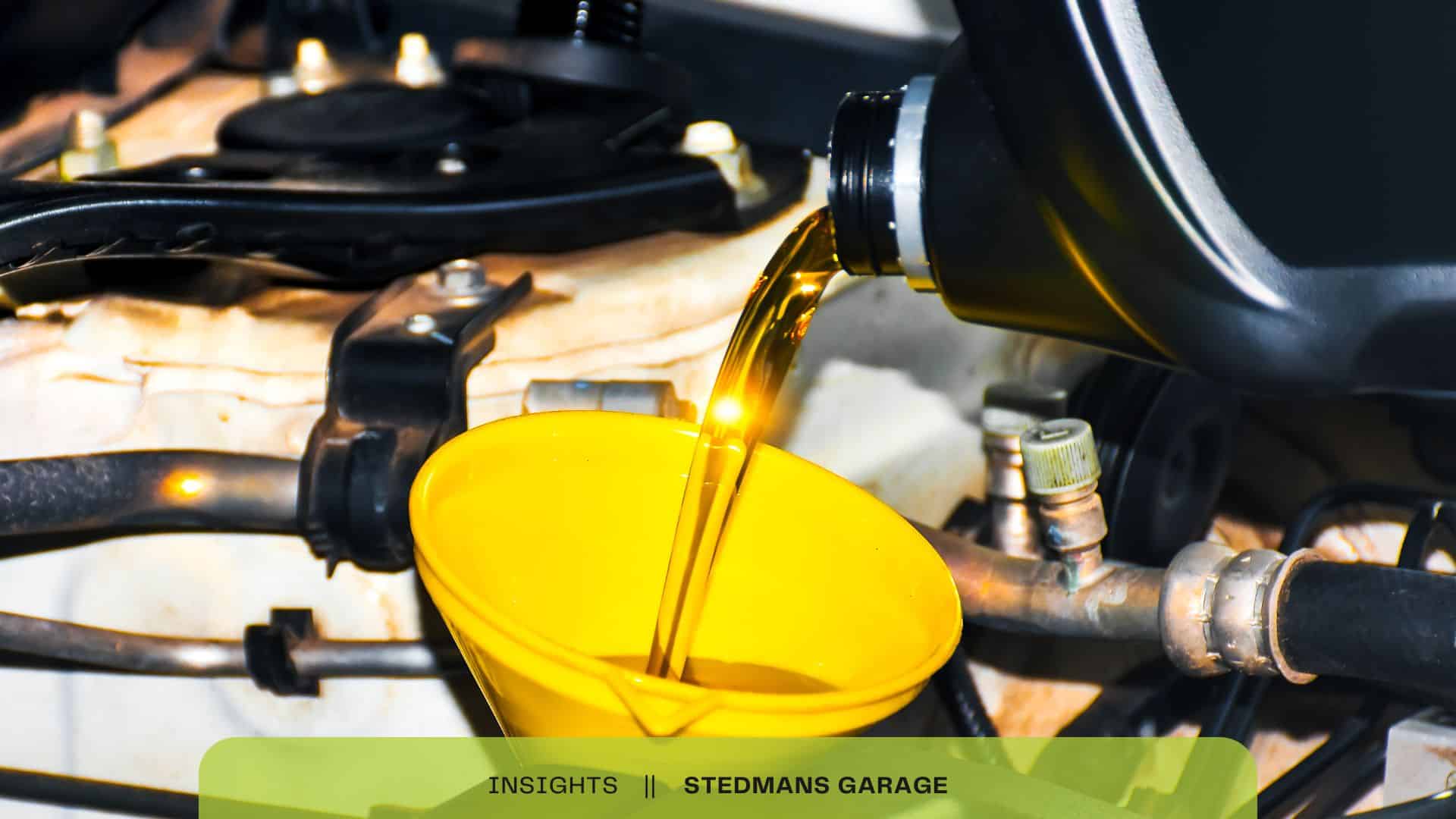
Definition and Checklist of an Interim Service
An interim service is a focused maintenance check typically performed every six months or after specific mileage, commonly 6,000 miles. It primarily targets basic checks and minor adjustments, suitable for vehicles experiencing lower usage or having reliability histories.
Typical Checklist for an Interim Service:
- Engine oil and filter change
- Brake fluid check
- Fuel filter check (if applicable)
- Tyre condition and pressure check
- Windscreen wipers and washers check
- Lighting system check
- Battery condition check
Target Audience for Interim Services
Interim services are beneficial for:
- Low-Mileage Drivers: If you typically drive fewer than 6,000 miles a year, an interim service may keep your vehicle in good working condition.
- Older Vehicles: Older cars that may be less reliable benefit from frequent checks, identifying potential problems sooner.
Advantages and Disadvantages of Interim Services
Advantages:
- Cost-Effective: Interim services are generally cheaper than full services, making them budget-friendly for infrequent users.
- Convenience: With shorter intervals, there’s less chance of forgetting about maintenance needs.
- Quicker Turnaround: An interim service typically takes less time than a full service, allowing for faster return to the road.
- Basic Checks: Regular checks on essential components help maintain vehicle safety.
- Maintain Warranty: For vehicles still under warranty, regular interim services may be necessary to uphold warranty conditions.
Disadvantages:
- Limited Checks: An interim service does not include a comprehensive evaluation of your vehicle, which may overlook underlying issues.
- Not Suitable for High-Mileage Users: For frequent drivers, interim services may not ensure optimal vehicle performance.
- Potentially Higher Future Costs: Skipping full services might lead to costly repairs in the future.
UK-Specific Examples
Consider a vehicle driven around town with minimal distances. In this case, an interim service ensures that essential systems remain functional without the hefty price tag of a full service. However, if you regularly use your vehicle for long-distance journeys, skipping the interim service could lead to unaddressed issues, resulting in breakdowns or more expensive repairs.
What is a Full Service?

Definition and Comprehensive Checklist of a Full Service
A full service involves a more thorough inspection than an interim service. It is recommended at least once a year or every 12,000 miles and generally covers all components of the vehicle to ensure it runs safely and efficiently.
Typical Checklist for a Full Service:
- All items included in an interim service
- Spark plug replacement (where necessary)
- Brake system check (including pads and discs)
- Comprehensive fluid level checks (coolant, brake fluid, etc.)
- Steering and suspension check
- Exhaust system check
- Road test
Who Should Consider a Full Service?
Full services are recommended for:
- Frequent Drivers: If you travel long distances or have a longer commute, opting for a full service ensures that you catch potential issues early.
- High-Mileage Vehicles: Cars exceeding 12,000 miles a year may require a full service to maintain optimal performance.
Advantages and Disadvantages of Full Services

Advantages:
- Thorough Inspections: Full services provide a comprehensive check, capturing potential issues that interim services might miss.
- Improved Safety: By checking all vehicle aspects, full services enhance road safety.
- Enhanced Resale Value: Regular full services documented can improve your vehicle’s resale value by demonstrating commitment to maintenance.
- Peace of Mind: Knowing that all systems have been evaluated can reassure drivers.
- Long-Term Cost Savings: Proactively addressing potential issues can save on larger repairs later.
Disadvantages:
- Higher Cost: Full services are more expensive than interim services, possibly a concern for budget-conscious drivers.
- Time Consuming: Full services take longer to complete than interim checks, potentially causing inconvenience.
- Overkill for Low-Mileage Drivers: If vehicle usage is minimal, a full service may be excessive and unnecessary.
UK-Specific Examples
For a long-distance commuter, a full service is indispensable. Not only does it ensure compliance for MOT testing, but it also mitigates breakdowns during longer journeys. Conversely, a low-mileage driver of an older model may favour the cost-effective and faster interim service instead.
Which Service is More Suitable?
- New or Low-Mileage Vehicles: Interim services offer a balanced approach without excessive cost.
- Old or High-Mileage Vehicles: Full services are preferred to identify and rectify any underlying issues promptly.
By evaluating your vehicle’s usage and needs, you can decide which service provides the best value and performance.
Actionable Insights for Car Owners
Making informed choices about servicing can save time, money, and hassle in the long run. Here are some considerations:
When to Choose Interim or Full Servicing
- Assess Your Mileage: If you mainly drive short distances, consider interim services to meet basic maintenance needs.
- Understand Diagnostic Needs: If your vehicle often shows warning lights or has previous issues, opt for a full service that includes diagnostics.
- Consider Your Driving Conditions: Frequent long drives or challenging conditions call for full services for peace of mind.
Importance of Diagnostics, Air Conditioning Checks, and MOT Requirements
- Diagnostics: Regular checks can help identify issues before they escalate. Incorporating diagnostics into your service check is crucial.
- Air Conditioning: If your car uses air conditioning, ensure it is included in your service, especially before summer.
- MOT Requirements: Regular servicing can help ensure that your vehicle remains compliant for MOT tests, reducing stress when it’s time for your annual check.
Scheduling Services and Maintaining Records
- Keep Track of Your Service Records: A detailed service log is beneficial for resale and warranty purposes.
- Set Reminders: Use calendar alerts to remember when your next interim or full service is due, ensuring no lapses in maintenance.
- Seek Professional Advice: Don’t hesitate to ask your mechanic for recommendations based on your driving habits and vehicle condition.
Actionable Tips for Car Owners
Maintaining your car effectively between services can lead to fewer issues down the line. Here are some practical tips for UK drivers:
- Regularly Check Tyre Pressure: Check at least once a month and before long trips. Correct levels enhance fuel efficiency and grip.
- Monitor Fluid Levels: Periodically check oil, coolant, brake fluid, and windscreen washer fluids. Low levels reduce vehicle performance.
- Inspect Lights and Indicators: Regularly test lights, including indicators and brake lights. Faulty lights risk accidents and may lead to MOT penalties.
- Pay Attention to Noises: Unusual sounds while driving, like grinding or squeaking, could indicate issues. Early detection prevents costly repairs.
- Clean Your Car Regularly: Maintain the exterior and interior. Regular cleaning keeps your vehicle looking good and prevents rust.
- Review Vehicle Alerts: Familiarise yourself with dashboard warning lights and act on alerts immediately, as they may signal significant issues.
By implementing regular checks and remaining vigilant, significantly increase your vehicle’s functionality and lifespan.
Conclusion
Car maintenance goes beyond adhering to schedules; it’s about understanding what your vehicle needs and when. This blog outlined essential differences between interim and full services, providing a detailed look at the advantages and disadvantages of each. For car owners in the UK, choosing the appropriate service is crucial for safety, performance, and longevity.
Whether opting for an interim service due to low cost and convenience or a full service for comprehensive checks, being proactive about vehicle maintenance is key. Don’t hesitate to reach out to professionals at Stedmans Garage, for expert advice tailored to your vehicle’s needs. Start making informed decisions about your car maintenance today to ensure you’re getting the most value from your investment.