The Importance of Regular Car Servicing
Impact on Vehicle Longevity and Performance
Regular car servicing has a significant impact on the longevity and performance of your vehicle. By adhering to a consistent maintenance schedule, you can ensure that all components of your car are functioning optimally. Routine tasks such as oil and filter changes, inspections, and fluid checks help to keep the engine and other systems in top condition. A well-maintained car runs smoothly, provides better fuel efficiency, and has a longer lifespan.
Preventing Costly Repairs Through Preventative Maintenance
Preventative maintenance is a prudent strategy to avoid expensive repairs in the future. Regular maintenance helps identify and address potential issues before they become severe problems. Services like tire rotations, brake inspections, and timely oil changes can stave off more costly repairs down the line. Taking these proactive steps ensures that minor issues are corrected before they escalate into major problems, saving you both time and money.
Ensuring Safety on the Road
Vehicle safety is paramount, and regular servicing plays a vital role in ensuring that your car remains safe to drive. Routine checks and maintenance tasks enable mechanics to detect any potential safety hazards, such as brake failures or tire blowouts, before they cause accidents. Keeping the vehicle in optimal condition protects not just you and your passengers but also others on the road. By ensuring the integrity of key safety components like airbags, seatbelts, and anti-lock brakes, you are fortifying the car’s ability to protect its occupants during emergencies.
Routine vehicle inspections and maintenance significantly contribute to overall road safety by preventing mechanical failures that can lead to accidents. A properly serviced car ensures optimal functioning of all its systems, providing peace of mind that the car is reliable under all driving conditions.
Recommended Service Intervals

Manufacturer Guidelines
Most car manufacturers recommend servicing your vehicle every 12 months or 12,000 miles, whichever comes first. This “30-60-90” schedule means that specific items need inspections or replacements at 30,000 miles, 60,000 miles, and 90,000 miles. Following these guidelines helps maintain your vehicle’s optimal performance and longevity.
Difference Between Minor and Major Services
The primary difference between minor and major services is the extent and detail of the inspections and the number of parts replaced. Minor services, also known as “interim services,” usually occur every 6,000 miles or six months. Tasks performed in minor services include oil and filter changes, fluid level checks, and basic inspections of crucial components like brakes and tyres.
Major services, on the other hand, are more comprehensive. In addition to the checks included in minor services, major services involve more detailed inspections and the replacement of more wearable parts, such as spark plugs and fuel filters. Major services are generally carried out every 12,000 miles or annually, whichever comes first.
Factors Affecting Service Frequency
Driving Habits
Your driving habits significantly influence how often your car needs servicing. Aggressive driving, characterised by rapid stops and starts, can reduce gas mileage by up to 33% on highways and 5% in the city. Such habits increase wear on parts like brakes, tyres, and engine components, necessitating more frequent services.
Vehicle Age
Older vehicles typically require more frequent servicing due to increased wear and tear. For instance, engines in older cars often consume more oil, necessitating more frequent oil changes. Moreover, older vehicles are generally less reliable, making regular servicing crucial to prevent breakdowns.
Environmental Conditions
The environment in which you drive also plays a crucial role. Driving in harsh conditions like extreme heat, cold, or dusty environments can impact your car’s components, requiring more frequent servicing. For instance, dust can clog filters, and extreme temperatures can affect fluid levels and battery performance.
Adhering to these guidelines and understanding the differences in service types can help you maintain your vehicle effectively. Understanding these nuances helps you make informed decisions about your car’s maintenance.
Regular car servicing is more than following a schedule; it ensures your vehicle remains safe and reliable on the road. Balancing manufacturer recommendations with actual usage is crucial.
Common Misconceptions About Service Frequency
Outdated Beliefs About Oil Change Intervals
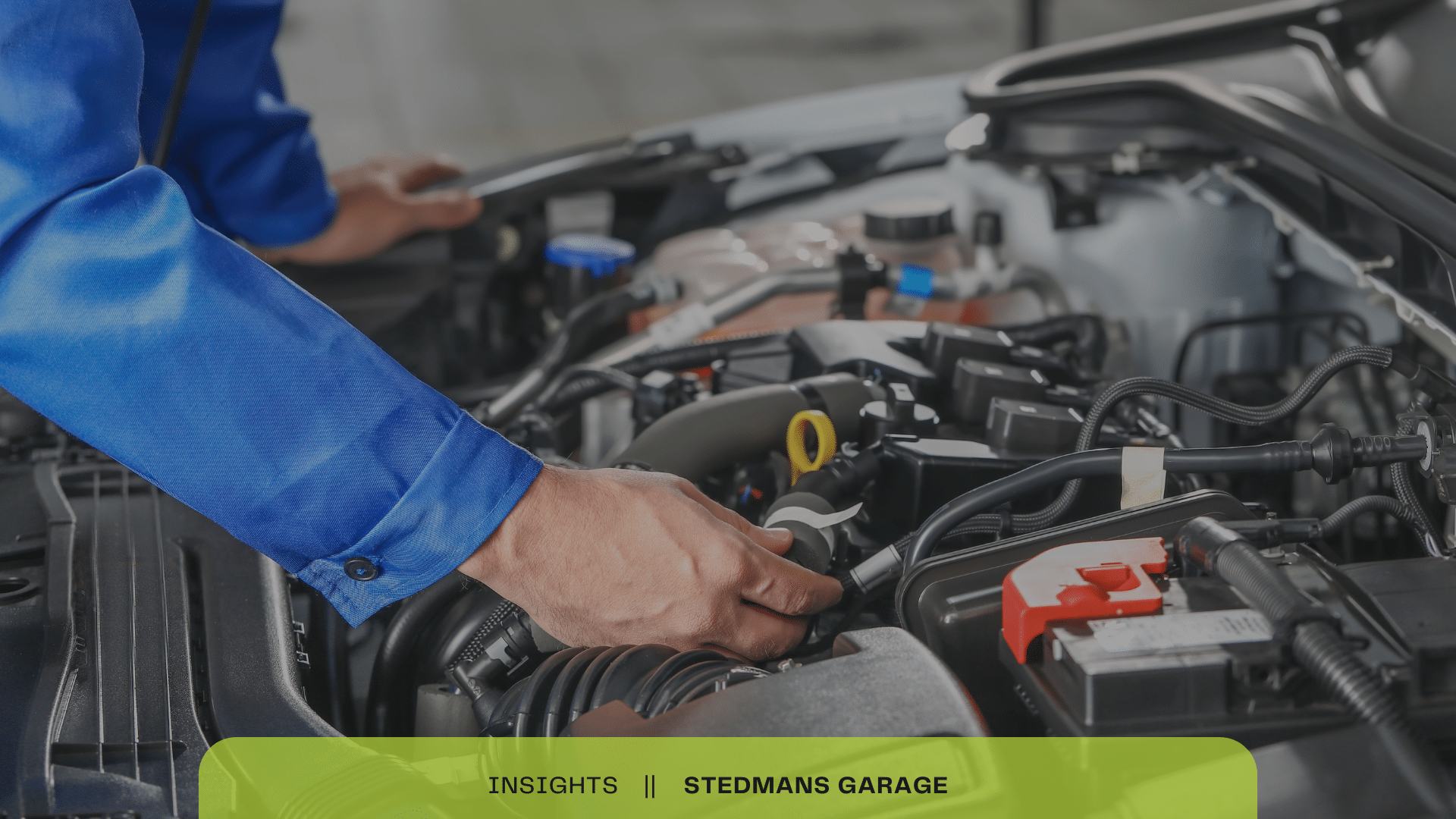
Oil change intervals have been a subject of ongoing debate among car owners, with many adhering to outdated beliefs. A common misconception is the “3,000-mile rule,” which advises changing your oil every 3,000 miles. However, advancements in engine design and oil formulations have extended these intervals significantly. Modern vehicles, using high-quality synthetic oils, can comfortably cover 5,000 to 10,000 miles or more between oil changes.
This misinformation stems from older practices where the oil’s performance would degrade rapidly due to less efficient engines and lower-grade oil. Today, synthetic oils offer better resistance to heat and contaminants, and advancements in engine technology mean oil is used more efficiently.
Assuming Newer Cars Need Less Maintenance
Another common myth is that newer cars require minimal maintenance. While it is true that newer vehicles often feature advanced technologies that increase reliability, they are not maintenance-free. Many modern cars come equipped with complex electronic systems, which, while designed to enhance performance and safety, can also require specific upkeep and occasionally lead to costly repairs if neglected.
For example, features like direct injection, variable valve timing, and turbochargers, which are common in new models, do demand regular check-ups to ensure optimal functioning. Even with improved durability, disregarding scheduled inspections can lead to unforeseen issues, reinforcing the necessity of adhering to a regular service schedule.
Neglecting Manufacturer-Specific Recommendations
An often-overlooked aspect of vehicle maintenance is the manufacturer’s recommended service schedule. Each vehicle comes with a guide indicating when to perform various forms of maintenance, tailored specifically to that model’s requirements. Ignoring these guidelines can have severe consequences, including voiding the vehicle’s warranty.
Manufacturers design these schedules to optimise the vehicle’s performance and lifecycle. Routine maintenance tasks, such as brake fluid changes and coolant flushes, vary between manufacturers, and following the prescribed intervals can prevent major, more expensive repairs.
Misconceptions around car servicing frequency have tangible impacts on vehicle health and performance. Correcting these myths by grounding them in facts ensures that vehicle maintenance is conducted effectively and economically. Proper attention to servicing not only enhances the longevity of your car but also ensures its safety and reliability.
Your understanding of regular vehicle maintenance now builds a solid foundation for more specific practices, revealing the essential components that require regular attention.
Key Components Requiring Regular Attention

Oil and Filter Changes
Regular oil and filter changes are paramount for maintaining your vehicle’s engine health. Engine oil lubricates and cools internal engine components, reducing wear and tear over time. As the engine operates, residue and contaminants build up in the oil, reducing its efficiency. A clean oil filter helps collect this grime and residue, but consistent oil changes are necessary to keep the engine clean and running smoothly. Clean oil enhances engine performance and fuel efficiency, extending the lifespan of your vehicle.
Brake System Maintenance
The brake system is another critical component requiring regular attention. Brake pads, rotors, and fluid need periodic checks and replacements to ensure optimal braking performance. Brake pads should be replaced every 30,000 to 70,000 miles, depending on driving conditions. Frequent short trips, city driving, and aggressive braking can accelerate wear.
Changing brake fluid every 25,000 miles or every two years to prevent moisture absorption, which can impair braking efficiency. Regular brake system maintenance not only ensures your safety but also prevents more costly repairs down the line.
Tire Rotations and Inspections
Tire rotations are crucial for even tire wear and extended tire life. Aligning the tires properly and rotating them as per your vehicle’s manual ensures optimal tire performance. Tires should be rotated approximately every 6,000 to 8,000 miles, or during regular service intervals. This practice counteracts uneven wear and maximises tire lifespan.
Regular tire inspections are essential to check for signs of wear and tear, as well as to ensure proper alignment and inflation. Uneven or excessive wear can indicate misalignment or other issues that need addressing. Regular inspections can prevent alignment issues from escalating into major repairs.
By diligently focusing on these key components—oil and filter changes, brake system maintenance, and tire rotations and inspections—you can ensure your vehicle’s optimal performance and extend its lifespan. Proper maintenance of these elements not only enhances vehicle reliability but also improves safety on the road.
The Consequences of Inadequate Servicing

Reduced Fuel Efficiency and Performance
One of the most direct results of inadequate car servicing is a marked reduction in fuel efficiency. When routine services such as oil changes and air filter replacements are neglected, inefficient operation of the engine becomes inevitable. Dirty or old engine oil increases friction, which forces the engine to work harder and consume more fuel. Similarly, a clogged air filter restricts air flow, leading to incomplete combustion and higher fuel consumption. These small but critical maintenance tasks, when overlooked, cause a significant drop in miles per gallon, resulting in more frequent and costly visits to the gas station.
Increased Risk of Unexpected Breakdowns
Skipping regular maintenance increases the likelihood of unexpected and often inconvenient breakdowns. Essential components like the battery, belts, and hoses are more susceptible to wear and tear if not routinely checked and maintained. For example, an ageing belt that isn’t replaced can snap, leading to engine failure, while neglected hoses can lead to coolant leaks, causing the engine to overheat. Regular checks can preempt these issues, ensuring that minor problems are addressed before they escalate into major repairs, which are far more costly and disruptive.
Potential Voiding of Vehicle Warranty
One of the less obvious but highly significant consequences of inadequate servicing is the potential voiding of vehicle warranties. Many manufacturers require that vehicles be maintained according to their specified schedules to honour warranty claims. Failure to adhere to these schedules means that any damage arising from neglected maintenance becomes the owner’s financial responsibility. Improper maintenance, such as using the wrong type of oil or filters, can also void the warranty. Keeping detailed service records and adhering to the maintenance schedule set by the manufacturer is crucial to hold onto your warranty protection.
Regular car servicing is essential not merely for optimal vehicle performance but also for safeguarding against high repair costs and maintaining warranty validity. Understanding and committing to a maintenance schedule can mitigate these risks, ensuring longevity and reliability.
This reaffirms the necessity for attentive and regular vehicle maintenance.
Creating a Personalised Maintenance Schedule
Considering Individual Driving Conditions and Habits
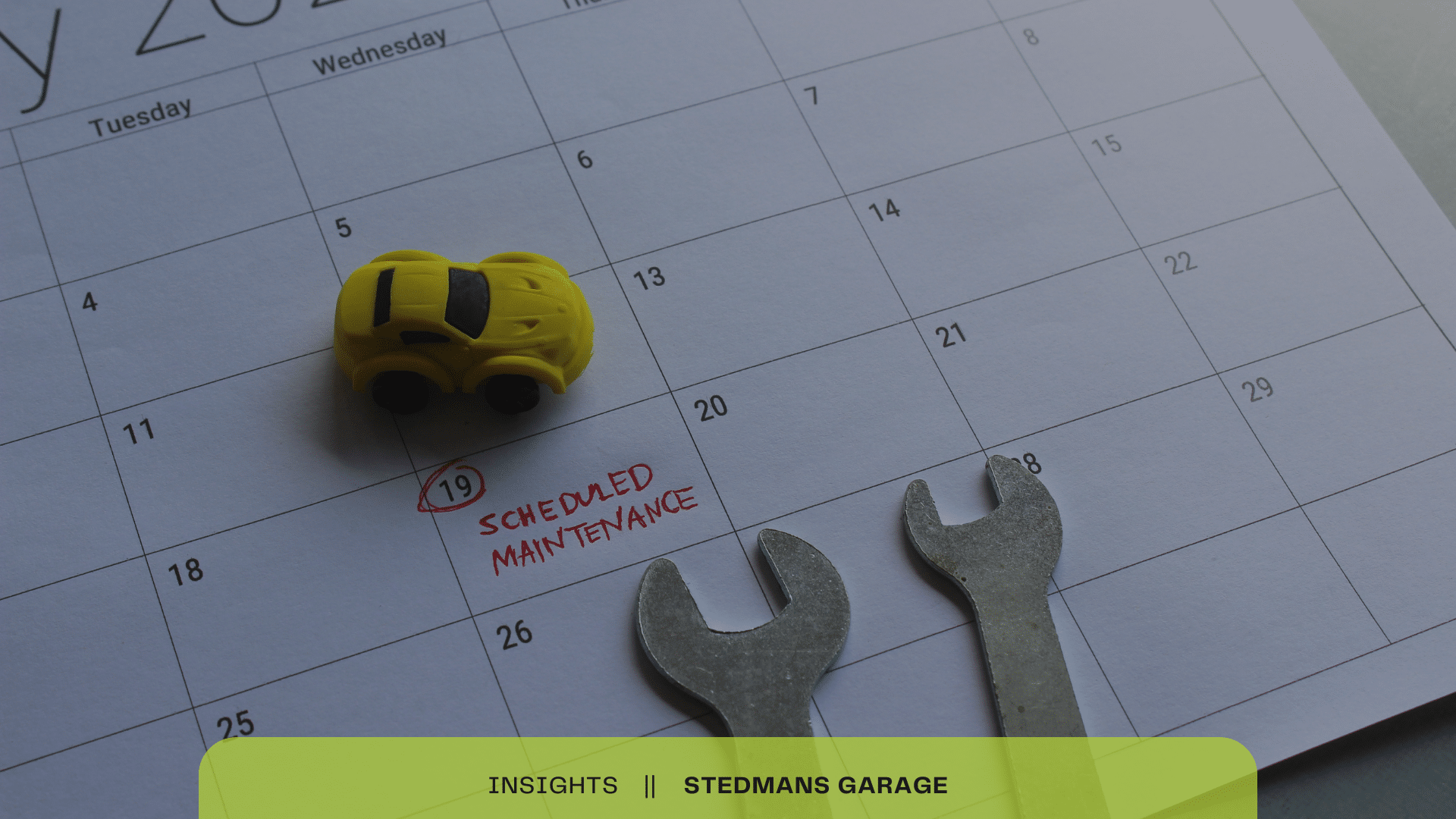
One size does not fit all when it comes to car maintenance. Individual driving conditions and habits significantly influence the frequency and scope of required servicing. For instance, a vehicle primarily driven in urban areas with frequent stop-and-go traffic will need different maintenance compared to one that mostly traverses long highway stretches. Urban driving stresses components such as brakes and the engine more intensively, necessitating more frequent checks and replacements.
Factors such as climate also play a vital role. Vehicles operating in extreme temperatures, both hot and cold, may require more frequent oil changes and battery checks to ensure optimal performance. Additionally, if you frequently drive in dusty environments, your air filter may need more frequent replacements.
Balancing Manufacturer Recommendations with Actual Usage
While the manufacturer’s recommended service intervals provide a robust baseline, they are typically based on average usage conditions. Customising this schedule to align more closely with your specific driving patterns can prevent both over and under-maintenance. For example, oil changes are commonly recommended every 7,500 to 10,000 miles; however, for those who drive under severe conditions—such as heavy towing or frequent short trips—these intervals might need to be shorter.
Consult your owner’s manual to identify the suggested maintenance intervals and adapt them based on the actual conditions your vehicle faces regularly. This ensures that critical components receive attention exactly when required, rather than adhering rigidly to generalised timelines.
Utilising Service Reminders and Tracking Tools
In today’s digital age, keeping track of your vehicle’s maintenance schedule can be efficiently managed using various service reminder systems and tracking tools. Many modern vehicles come with built-in dashboard indicators that alert you when a service is due. These reminders are invaluable for maintaining consistent check-ups.
Additionally, numerous mobile apps, such as Simply Auto, help track maintenance schedules, fuel consumption, and other essential vehicle metrics. Digital logbooks not only remind you of upcoming services but also keep a comprehensive record of past maintenance activities. This makes it easier to monitor the health of your vehicle and ensures you never miss a scheduled service.
Tools like these provide an accessible way to cater your car’s maintenance to its actual needs, ultimately improving reliability and performance.
By carefully considering driving habits, balancing manufacturer recommendations with real-life usage, and utilising modern tracking tools, you can develop a personalised maintenance schedule. This proactive approach ensures your vehicle remains in optimal condition, extending its lifespan and enhancing safety on the road.