Introduction
As the automotive landscape evolves, UK motorists are faced with a diverse range of vehicle types, each with unique servicing requirements. Understanding whether your vehicle runs on petrol, diesel, hybrid technology, or electricity is crucial for maintaining its performance and longevity. In this blog, we will explore the servicing needs of petrol, diesel, hybrid, and electric vehicles, providing insights particularly relevant to vehicle owners and automotive enthusiasts in the UK. By comprehending these distinct needs, you can ensure that your vehicle remains in optimal condition, ultimately enhancing safety and efficiency on the road.
We will delve into the specifics of each vehicle type, discussing their maintenance requirements, advantages, and disadvantages. Furthermore, we will offer actionable tips to help you navigate the complexities of automotive care. Whether you are a seasoned motorist or a new vehicle owner, this comprehensive guide will equip you with the knowledge necessary to keep your vehicle running smoothly.
Understanding the Different Types of Vehicles
Defining Petrol, Diesel, Hybrid, and Electric Vehicles
Petrol Vehicles
Petrol vehicles are powered by internal combustion engines that burn petrol to produce energy. They are known for their responsiveness, smooth acceleration, and generally lower initial purchase price compared to diesel vehicles. Petrol engines are widely used across various models, including compact cars, family sedans, and sports cars.
Diesel Vehicles
Diesel vehicles, on the other hand, utilise diesel fuel and feature compression-ignition engines. Diesel engines are often preferred for their fuel efficiency and torque, making them ideal for larger vehicles like vans and SUVs. They tend to offer better mileage compared to petrol engines, particularly on long journeys, which is a significant factor for many UK motorists.
Hybrid Vehicles
Hybrid vehicles combine an internal combustion engine with an electric motor, creating a dual-powered system. This combination allows for improved fuel efficiency and reduced emissions. Hybrids operate on either the petrol engine, the electric motor, or both, making them a versatile option for daily commuting and long-distance driving.
Electric Vehicles (EVs)
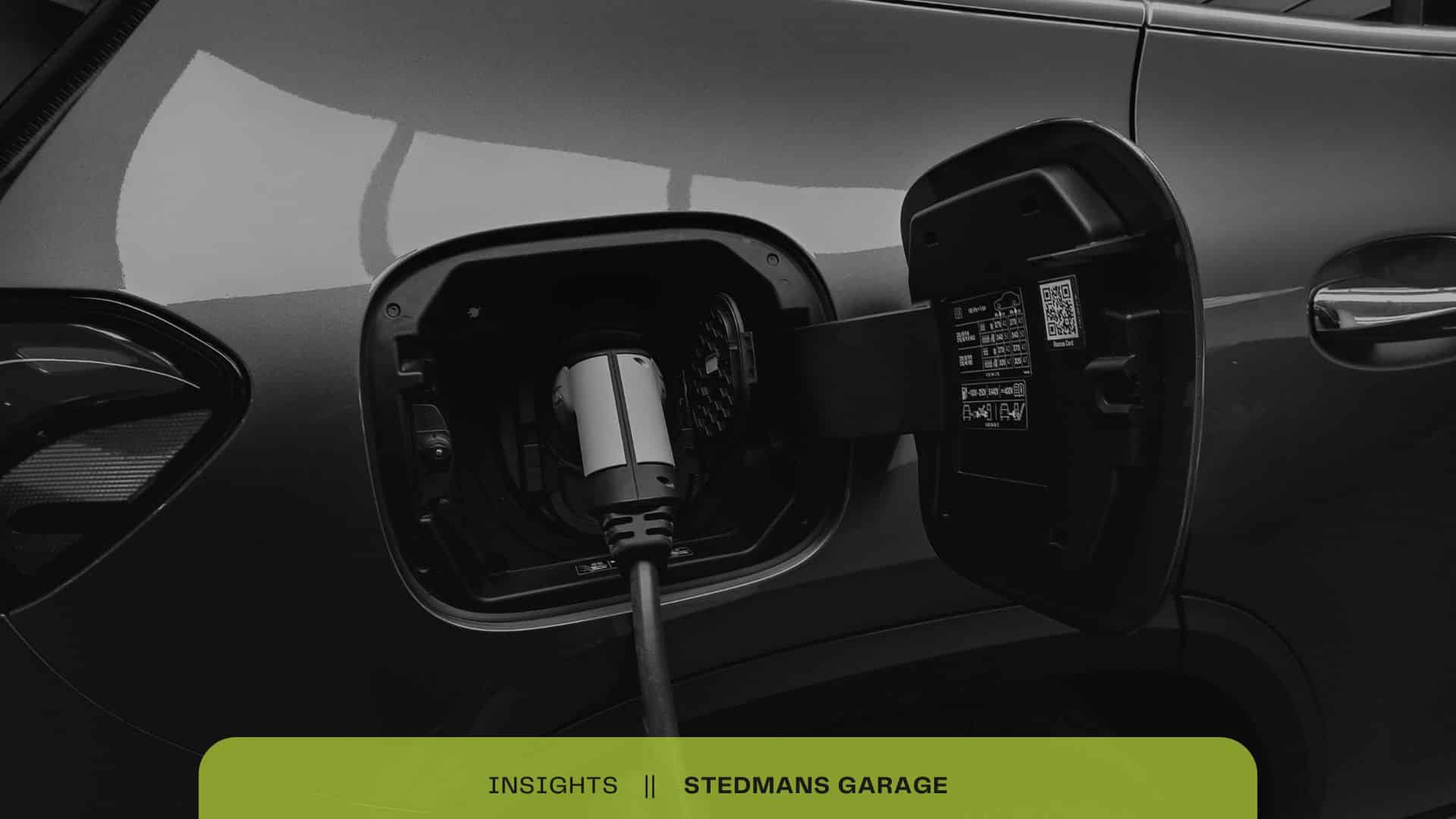
Electric vehicles are powered entirely by electricity stored in rechargeable batteries. EVs produce zero tailpipe emissions, making them an environmentally friendly choice. The UK government has been actively promoting the adoption of electric vehicles through various incentives, which have contributed to their growing popularity.
The Growing Popularity of Each Type in the UK Market
The UK automotive market has seen significant shifts in consumer preferences over the past decade. While petrol and diesel vehicles have long dominated the market, recent trends indicate a growing inclination toward hybrid and electric vehicles. With increasing awareness of environmental issues and the introduction of stringent emissions regulations, many drivers are seeking greener alternatives for their transportation needs.
According to the Society of Motor Manufacturers and Traders (SMMT), sales of electric vehicles surged in 2020, making up an impressive percentage of new car registrations. Similarly, hybrid vehicles have gained traction due to their ability to deliver both power and efficiency. As the automotive industry evolves, understanding the servicing requirements of these vehicle types is essential for maintaining performance and reliability.
Service Requirements for Petrol Vehicles
Regular Maintenance Needs
Maintaining a petrol vehicle involves a series of routine services that are crucial for its longevity and performance. Here are some key maintenance tasks that petrol vehicle owners should consider:
- Oil Changes: Regular oil changes are essential to keep the engine lubricated and running smoothly. It is generally recommended to change the oil every 5,000 to 7,500 miles, depending on the manufacturer’s guidelines.
- Filter Replacements: Air and fuel filters should be replaced periodically to ensure optimal engine performance. A clogged filter can impede airflow and fuel delivery, resulting in decreased efficiency.
- Spark Plug Checks: Spark plugs ignite the air-fuel mixture in the combustion chamber. It is advisable to check and replace spark plugs every 30,000 miles to ensure smooth engine operation.
- Brake System Maintenance: Regular inspections of the brake system, including pads and rotors, are vital for safety. Brake fluid should also be checked and replaced if necessary.
Advantages and Disadvantages of Petrol Engines
Advantages:
- Lower Initial Cost: Petrol vehicles tend to be more affordable than their diesel counterparts, making them accessible to a broader range of consumers.
- Responsive Performance: Petrol engines are known for their smooth acceleration and driving pleasure, particularly in smaller vehicles.
- Less Complex: Petrol vehicles generally have simpler engine designs, which can make servicing easier and more cost-effective.
Disadvantages:
- Fuel Efficiency: Petrol engines typically have lower fuel efficiency compared to diesel engines, especially for long-distance travel.
- Higher Emissions: Petrol vehicles tend to produce higher carbon dioxide (CO2) emissions than diesel engines, which can contribute to environmental concerns.
Service Requirements for Diesel Vehicles
Unique Maintenance Challenges
Diesel vehicles come with specific servicing needs that differ significantly from petrol vehicles. Understanding these unique requirements is essential for maintaining diesel engine performance:
- Fuel Injector Cleaning: Diesel engines rely on fuel injectors to deliver diesel fuel into the combustion chamber. Over time, injectors can become clogged, affecting performance. Regular cleaning or replacement may be necessary to maintain efficiency.
- DPF Maintenance: The Diesel Particulate Filter (DPF) captures soot and other particulates from the exhaust. DPFs require regular servicing to prevent blockages, which can lead to reduced engine performance or even engine failure.
- Oil Maintenance: Diesel engines often require different oil formulations compared to petrol engines. Regular oil changes are crucial, typically recommended every 10,000 to 15,000 miles, depending on usage and driving conditions.
Benefits and Potential Drawbacks
Advantages:
- Fuel Efficiency: Diesel engines are more fuel-efficient than petrol engines, especially during long-distance driving, leading to lower fuel costs.
- Torque Production: Diesel engines produce more torque, making them ideal for towing and transporting heavy loads.
Disadvantages:
- Maintenance Costs: Diesel vehicles may incur higher servicing costs due to the complexity of their systems and the need for specialised parts.
- Emissions: Diesel engines have faced scrutiny due to emissions scandals, leading to stricter regulations and potential penalties for non-compliance.
Service Requirements for Hybrid Vehicles
Balancing Two Systems
Hybrid vehicles present a unique set of servicing needs due to their combination of petrol and electric power systems. Here are the key maintenance tasks for hybrid vehicle owners:
- Battery Checks: The battery is a crucial component of hybrid vehicles. Regular inspections are necessary to ensure it is functioning properly. Battery replacement may be required after several years of use.
- Electrical System Servicing: Hybrids rely on complex electrical systems, which may require specialised servicing to ensure all components are working harmoniously.
- Brake System Maintenance: Regenerative braking systems in hybrids can lead to less wear on brake pads, but regular checks are still important for safety.
Pros and Cons of Hybrids
Advantages:
- Fuel Efficiency: Hybrids offer improved fuel efficiency compared to traditional petrol and diesel vehicles, particularly in urban driving conditions.
- Environmental Benefits: With lower emissions, hybrids contribute to reduced environmental impact, aligning with the UK’s sustainability goals.
Disadvantages:
- Complexity: The dual-power system can make hybrids more complex and potentially more expensive to service than traditional vehicles.
- Battery Longevity: While hybrid batteries are designed to last, they can be costly to replace.
Service Requirements for Electric Vehicles
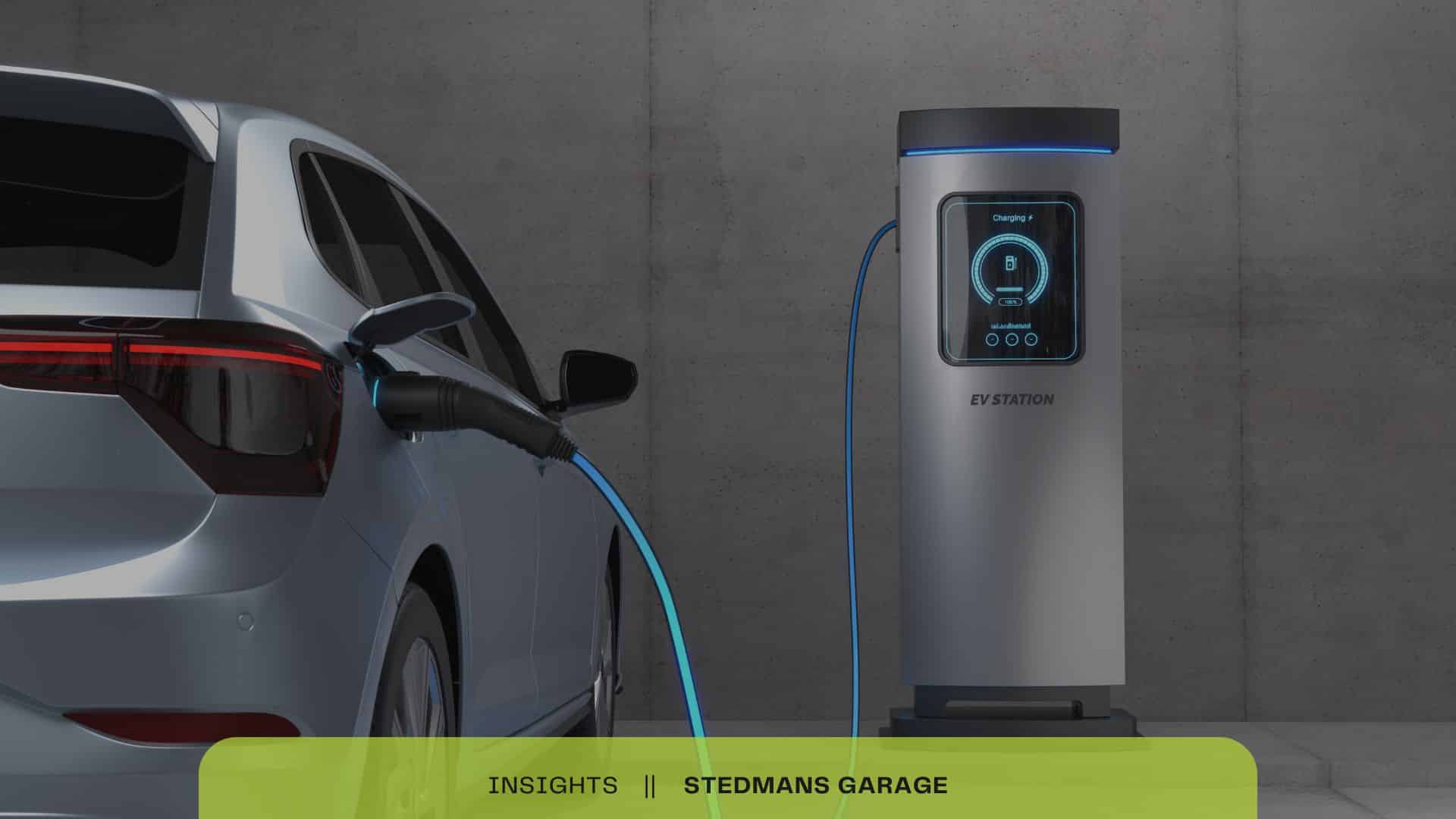
Simplified Maintenance
Electric vehicles (EVs) are known for their lower maintenance needs compared to petrol and diesel vehicles. Here are the primary servicing considerations for EV owners:
- Battery Maintenance: The battery is the heart of an electric vehicle. Regular checks are essential to monitor battery health and longevity, especially regarding charging cycles.
- Brake System Checks: Due to regenerative braking technology, electric vehicles experience less wear on brake components. However, periodic inspections are still important for ensuring safety.
- Software Updates: Many electric vehicles feature advanced software systems that may require updates. Keeping the software current can enhance performance and add new features.
Benefits and Potential Concerns
Advantages:
- Lower Maintenance Costs: With fewer moving parts and no oil changes, EVs generally incur lower maintenance costs over time.
- Zero Emissions: Electric vehicles produce no tailpipe emissions, making them an environmentally friendly option.
Disadvantages:
- Battery Replacement Costs: While EV batteries can last many years, replacement can be expensive if needed.
- Charging Infrastructure: The availability of charging stations can vary, particularly in rural areas, which may pose challenges for some drivers.
Comparing Service Needs Across Vehicle Types

Understanding the differences in servicing requirements for petrol, diesel, hybrid, and electric vehicles is crucial for effective automotive care. Here’s a comparative overview of the servicing needs associated with each vehicle type:
- Petrol Vehicles: Require regular oil changes, filter replacements, and spark plug checks. They offer lower initial costs and responsive performance but typically have lower fuel efficiency and higher emissions.
- Diesel Vehicles: Demand specific maintenance tasks such as fuel injector cleaning and DPF maintenance. They are more fuel-efficient and produce higher torque but can incur higher servicing costs and face emissions scrutiny.
- Hybrid Vehicles: Feature a combination of petrol and electric systems, necessitating battery checks and electrical system servicing. They provide improved fuel efficiency and environmental benefits but are more complex and may require costly battery replacements.
- Electric Vehicles: Have simplified maintenance needs, focusing on battery health and software updates. They offer lower maintenance costs and zero emissions but can face high battery replacement costs and challenges with charging infrastructure.
This understanding allows motorists to make informed decisions about their automotive care, ensuring they adhere to the specific requirements of their vehicle type.
Actionable Tips for Maintaining Your Vehicle
Ensuring that your vehicle is well-maintained can extend its lifespan and enhance performance. Here are some actionable tips for UK motorists based on their vehicle type:
For Petrol Vehicles:
- Schedule Regular Oil Changes: Follow manufacturer guidelines for oil change intervals to maintain engine health.
- Inspect Filters: Regularly check and replace air and fuel filters to ensure optimal performance.
- Monitor Tyre Pressure: Keep tyres inflated to the recommended levels for better fuel efficiency and handling.
For Diesel Vehicles:
- Clean Fuel Injectors Regularly: Consider using fuel additives to keep injectors clean or have them serviced professionally.
- Check DPF Status: Regularly monitor the DPF and seek professional cleaning if you notice warning lights.
- Use Quality Diesel Fuel: Invest in high-quality fuel to reduce the risk of engine deposits.
For Hybrid Vehicles:
- Perform Battery Health Checks: Schedule regular inspections to assess battery performance and longevity.
- Utilise Regenerative Braking: Learn to drive efficiently to maximise the benefits of regenerative braking systems.
- Follow Electrical System Guidelines: Ensure that electrical components are serviced by qualified professionals.
For Electric Vehicles:
- Maintain Battery Health: Follow guidelines for charging practices to extend battery life.
- Keep Software Updated: Stay informed about updates from your EV manufacturer to ensure optimal performance.
- Plan Charging Stops: Familiarise yourself with charging station locations, especially for long journeys, to avoid range anxiety.
Conclusion
In conclusion, understanding the servicing needs of petrol, diesel, hybrid, and electric vehicles is essential for all UK motorists. Each vehicle type offers unique advantages and challenges regarding maintenance. By being proactive about servicing and adhering to the specific requirements of your vehicle, you can ensure its longevity, efficiency, and reliability.
As the automotive landscape continues to evolve, staying informed about your vehicle’s needs will allow you to make better choices for maintenance and care. Whether you drive a petrol car, a diesel truck, a hybrid, or an electric vehicle, remember that regular servicing is key to keeping your vehicle in top condition. Start planning your vehicle maintenance today, considering your vehicle type to ensure a safe and enjoyable driving experience.