Introduction
As hybrid models become increasingly popular among UK drivers, understanding the servicing requirements specific to Range Rover hybrids has never been more important. The integration of cutting-edge hybrid technology offers numerous benefits, such as reduced emissions and better fuel efficiency, but it also introduces unique servicing needs that differ from traditional petrol and diesel models. Proper maintenance and care are crucial for ensuring optimal performance and longevity of these vehicles.
In this comprehensive overview, we will explore the essential servicing requirements for Range Rover hybrid models. By delving into the nuances of hybrid technology, routine maintenance differences, technical servicing needs, common issues unique to hybrids, cost implications, and key regulatory points in the UK, this guide aims to equip Range Rover owners and potential buyers with the knowledge needed to maintain their vehicles effectively. Armed with this information, readers will enhance their hybrid driving experience while ensuring their vehicles remain compliant with UK vehicle servicing regulations.
Understanding Hybrid Technology in Range Rover Models

What is Hybrid Technology?
At its core, hybrid technology combines a conventional internal combustion engine (ICE) with an electric propulsion system to enhance performance and efficiency. In Range Rover hybrids, this technology typically consists of:
- Hybrid Battery: This specialised battery stores energy generated from regenerative braking and other sources. Its size and capacity directly influence the vehicle’s electric range and performance.
- Regenerative Braking: This process captures kinetic energy during braking and converts it into electrical energy to recharge the hybrid battery. It significantly improves fuel efficiency by reducing the need to draw energy from the combustion engine.
These systems work harmoniously to provide a versatile driving experience, allowing for electric-only operation in certain conditions while benefiting from the power of the petrol or diesel engine when necessary.
Key Differences from Traditional Engines
Unlike traditional petrol or diesel engines that rely solely on fossil fuels, Range Rover hybrids feature a more complex system that necessitates specialised servicing requirements. Understanding these distinctions is crucial for maintaining optimal performance and reliability.
- Power Source Transition: Since the hybrid can switch between electric and petrol/diesel propulsion, servicing must accommodate both power sources during maintenance.
- Battery Management: Hybrid batteries require regular monitoring and care to prevent degradation, which can lead to increased maintenance costs or performance issues over time.
- Cooling Systems: Range Rover hybrids have additional cooling systems to manage both the engine and the electric motor, efficiently converting electric energy back into mechanical energy. This necessitates more thorough inspections during routine servicing.
Understanding hybrid technology lays the foundation for comprehending the specific servicing requirements related to Range Rover hybrid models.
Routine Maintenance Differences Between Hybrid and Non-Hybrid Range Rover Models
Oil Changes and Engine Maintenance
Frequency and Type of Oil
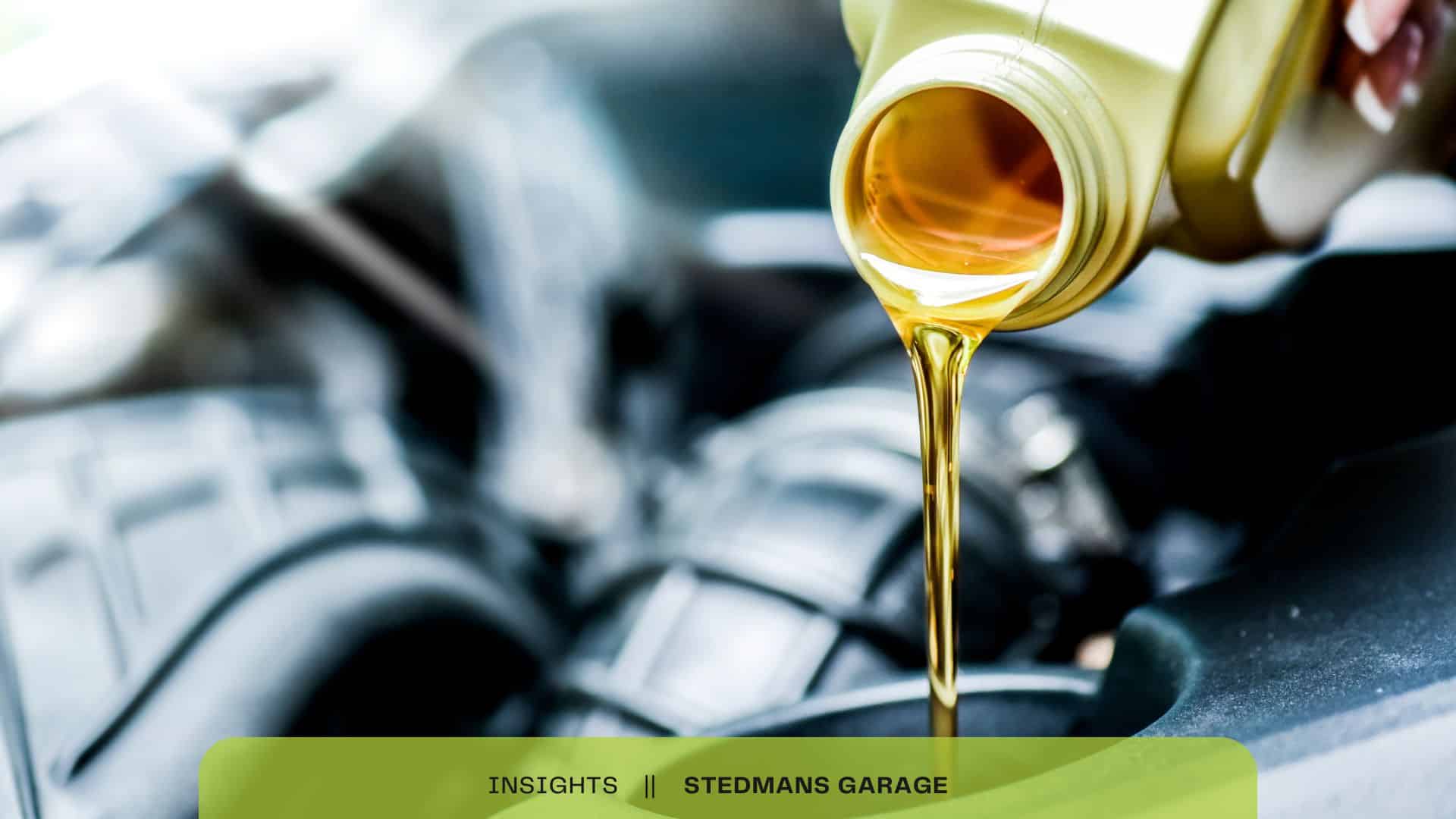
One primary difference between servicing requirements for Range Rover hybrids versus their non-hybrid counterparts lies in oil changes. While all vehicles require regular oil changes to ensure smooth operation, hybrid engines often experience less wear and tear because they can run on electric power alone in specific conditions, particularly during city driving.
Servicing Intervals:
- Hybrid Models: Range Rover hybrids typically recommend oil changes every 12,000 miles or every year, whichever comes first. This is similar to non-hybrid models but can vary slightly based on driving conditions, such as heavy stop-and-go traffic that might stress the engine more.
- Non-Hybrid Models: For non-hybrid Range Rover models, oil changes are often recommended at comparable intervals but may necessitate more frequent changes in specific usage scenarios.
Types of Oil:
Additionally, hybrid models may require a specific type of engine oil that can better accommodate the unique demands of both the engine and the electric motor, further differentiating the servicing requirements.
Battery Health and Management
Importance of Hybrid Battery Care
Hybrid batteries require dedicated attention to ensure they remain in optimal condition throughout the vehicle’s lifespan. Understanding proper battery care is essential for maintaining hybrid performance and longevity.
Monitoring and Servicing Frequency:
- Inspection Intervals: Hybrid battery inspections should ideally occur every 12,000 miles but may need more frequent checks based on driving habits. Owners should monitor battery health indicators through the onboard diagnostics system.
- Battery Servicing: Some manufacturers recommend hybrid battery conditioning services, involving checking individual cells within the battery pack to assess their health. This can help prevent potential failures and extend battery life.
Real-World Impact:
Failure to monitor hybrid battery health can lead to reduced efficiency and performance. A Range Rover hybrid running with a degraded battery may experience decreased electric-only range; worse, it might require expensive repairs or replacements.
Technical Servicing Requirements Specific to Range Rover Hybrids
Specialised Tools and Equipment
Servicing a Range Rover hybrid necessitates specialised tools and equipment tailored for hybrid technologies, including:
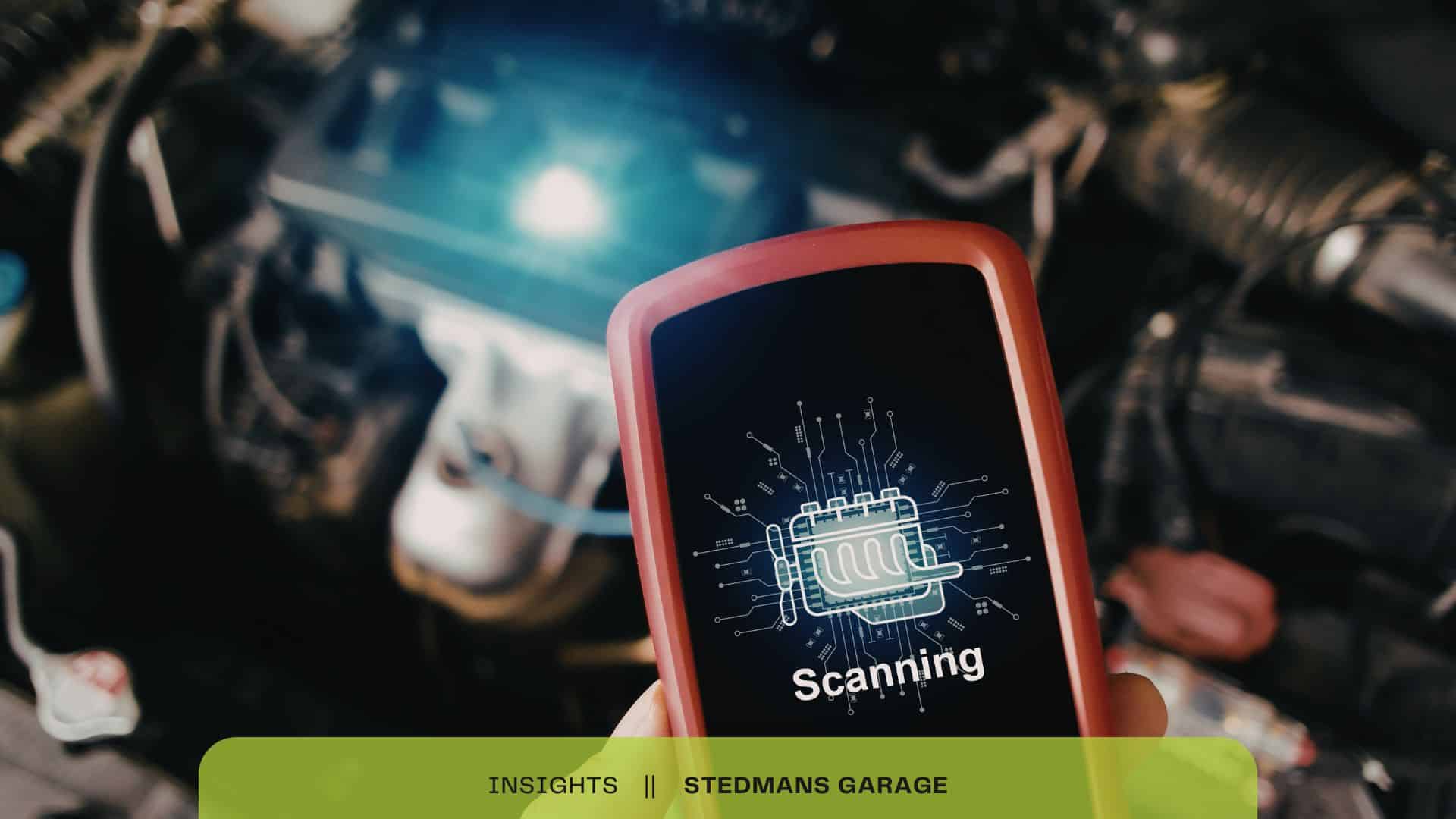
- Hybrid-specific Diagnostic Tools: These tools are necessary for accurately diagnosing issues and ensuring that both the engine and electric propulsion system work harmoniously. Traditional diagnostic tools may not suffice for hybrid-related problems.
- High-Voltage Safety Gear: Technicians must use high-voltage isolation equipment when servicing hybrid components. These precautions are crucial to avoid potential hazards.
Diagnostic Processes
The diagnostic and servicing processes for hybrids differ significantly from non-hybrid models:
- Data Analysis: Technicians employ complex data analysis to assess the vehicle’s performance, inspecting the health of electric components and data emerging from both power sources.
- Component Interdependence: When a hybrid system operates, the performance of the battery, electric motor, and combustion engine are interrelated. Servicing needs to consider their interdependence, analysing the entire system rather than isolated components.
Common Service Issues Unique to Range Rover Hybrids
Battery Degradation
One common issue faced by hybrid vehicle owners, including those with Range Rover hybrids, is battery degradation over time. Contributing factors include:
- Temperature Extremes: Exposure to high and low temperatures can affect battery performance. In the UK, fluctuating weather conditions can hasten battery wear if climate management is incorrect.
- Charging Habits: Inconsistent charging patterns may lead to deeper discharges than recommended, shortening battery life.
Real-World Example:
A Range Rover hybrid owner in London who frequently charges their vehicle in a poorly ventilated garage during hot summers may accelerate battery performance issues, making regular servicing and battery checks essential for maintaining efficiency.
Electric Motor Faults
Electric motor faults are another concern unique to hybrid vehicles. These faults can arise from improperly functioning software or malfunctioning components.
Symptoms:
- Loss of power during acceleration
- Inconsistent battery charging speeds
Immediate diagnostics and specialist servicing can help detect these issues before they lead to expensive repairs.
Cost Implications of Servicing Range Rover Hybrid Models

Comparing Servicing Costs
Initial Servicing Expenses:
On average, servicing costs for hybrid models, including Range Rover hybrids, can be more expensive than their non-hybrid counterparts. The requirement for specialised tools and equipment often increases costs, with estimates suggesting servicing for hybrid models may range from £300 to £600 per service, depending on packages and necessary repairs.
Potential Savings
While servicing costs may be higher, several potential savings await hybrid owners:
- Fuel Savings: Hybrid models offer substantially better fuel economy, especially in urban settings where electric power is maximised.
- Maintenance Savings: With fewer moving parts and less reliance on the internal combustion engine, hybrid owners may benefit from reduced wear and tear on components, leading to longer intervals between significant repairs.
One must consider these cost implications when weighing hybrid against non-hybrid models. The overall economic benefits often become clearer over more extended ownership periods.
UK Legislation and Regulations Affecting Hybrid Servicing

Relevant UK Regulations
As hybrid vehicles gain popularity, various UK regulations govern their servicing needs, including:
- Emissions Testing: Hybrid vehicles must comply with emissions regulations, which may be stricter than those for traditional vehicles. Regular checks ensure compliance and help identify any issues before they worsen.
- Incentives: The UK provides financial incentives for hybrid owners, such as lower road taxes and grants for electric vehicle installation. Understanding these incentives can impact servicing schedules and the broader economic implications of owning a hybrid.
Servicing Schedule Adjustments
Due to these factors, hybrid servicing schedules may require adjustments to ensure compliance while maintaining vehicle performance.
Actionable Tips for UK Range Rover Hybrid Owners
To maintain your Range Rover hybrid effectively, consider these actionable steps:
- Regular Inspections: Schedule servicing every 12,000 miles as suggested, focusing on both the engine and hybrid battery.
- Battery Care:
- Regularly check battery health indicators via on-board diagnostics.
- Maintain consistent charging patterns, avoiding extreme conditions.
- Utilise Qualified Technicians: Seek servicing from accredited garages familiar with hybrid technology to ensure proper tools and techniques.
- Stay Updated on Regulations: Keep track of UK emissions regulations that may affect servicing and incentives for hybrid ownership.
By following these steps, you can ensure that your Range Rover hybrid remains in excellent condition, providing an efficient and enjoyable driving experience.
Conclusion
Understanding the servicing requirements for Range Rover hybrid models is essential for enhancing vehicle performance and longevity. From comprehending hybrid technology and routine maintenance differences to navigating unique challenges and costs, this guide seeks to empower UK Range Rover owners, potential buyers, and automotive enthusiasts alike.
By adhering to outlined servicing requirements and engaging in routine checks, you can optimise your hybrid vehicle’s performance, remain compliant with UK regulations, and take advantage of potential savings and incentives.
Don’t wait, schedule your hybrid servicing today to ensure a smooth and efficient driving experience.